



Victorian Metal Bound Coffer
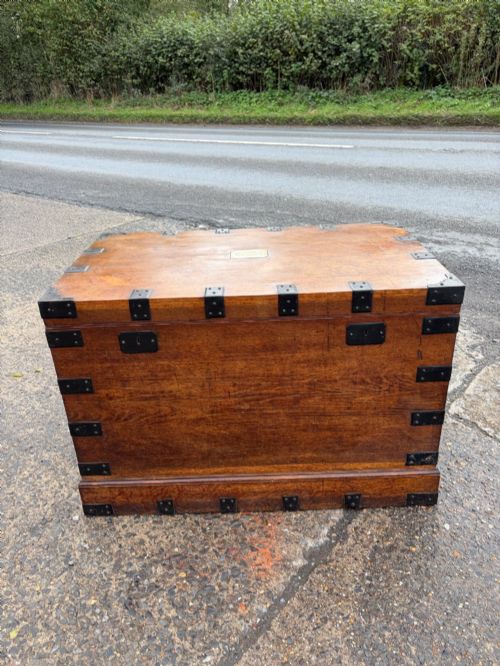
These robust victorian metal bound coffer examples combine utilitarian timber frames with iron, steel, or brass reinforcement for serious nineteenth-century storage.
Victorian Metal Bound Coffer
When you search for a victorian metal bound coffer, you encounter heavy-duty storage trunks and silver chests designed for travel, country houses, or military campaigns. These pieces appear primarily in nineteenth-century contexts, encompassing specific periods from 1850 to 1860 alongside general Victorian designations.
The dominant forms on this page include oak and pine storage chests reinforced with iron, brass, or steel strapping. You will also find specialised variants like dome-top chests, campaign military zinc-lined travel trunks, and East African teak Zanzibar chests.
Origin and styling vary from rustic country houses and Baroque revival designs to Anglo-Indian craftsmanship and military campaign equipment. Many examples retain functional attributes such as fitted interiors or original red painted interiors.
Materials and construction
The primary structural timbers utilised across these pieces are oak, pine, and teak, providing dense and durable foundations. Woods such as teak and oak offered the necessary strength for long-distance shipping and domestic security.
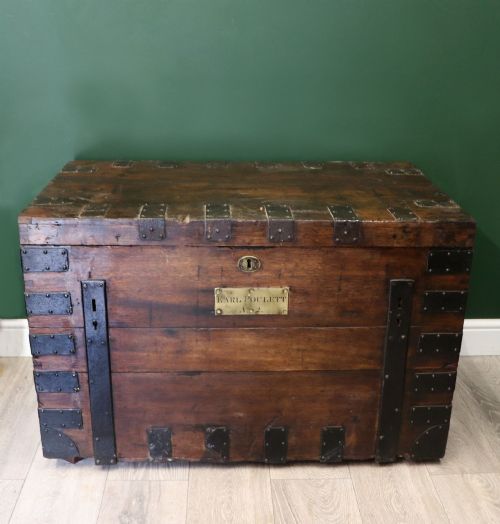
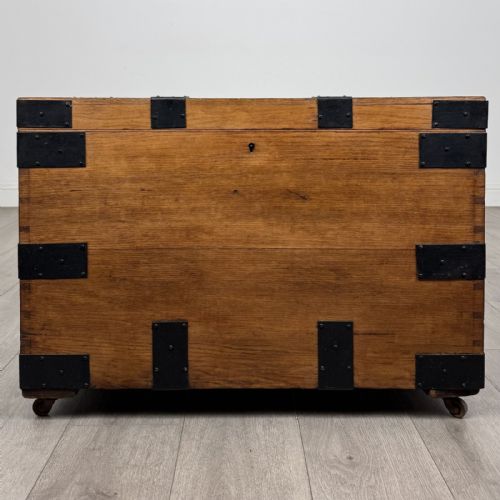
Metal reinforcement defines the category, utilising iron, steel, brass, and copper bindings, brackets, and carrying handles. Zinc linings frequently appear in military campaign trunks to protect contents from moisture during travel.
Victorian Metal Bound Coffer Retail Price Guide 2026
Typical asking prices for victorian metal bound coffer among the pieces listed under this phrase on Sellingantiques today, from the lower quarter to the upper quarter. They describe what is for sale here now, not the wider market.
Listings feature nineteenth-century storage chests constructed from oak, pine, and teak with iron, brass, and steel bindings.
Assessing quality in storage chests
Quality separates utilitarian shipping boxes from high-status silver chests through the selection of primary hardwoods like oak or teak over softer pine. The integration of robust iron or brass banding and specialised internal fittings also elevates a piece.
Provenance and maker attribution elevate certain examples, such as chests bearing specific labels for aristocratic owners like Earl Poulett of Somerset. Superior craftsmanship shows in the precision of dovetail joinery and the durability of fitted internal compartments.
Earl Poulett of Somerset
The Victorian Metal Bound Coffer Glossary
- Silver chest
- A heavy timber trunk lined and partitioned specifically for storing family silver securely. These feature robust iron or steel bindings to withstand heavy transport.
- Campaign trunk
- A portable storage chest designed for military officers on the move. They often incorporate zinc linings and durable exterior metal strapping.
- Zanzibar chest
- An East African storage trunk constructed from teak and heavily decorated with brass studding and strapping. These pieces reflect trade connections across the Indian Ocean during the nineteenth century.
- Baroque revival
- A nineteenth-century design style mimicking seventeenth-century grandeur. In these chests, it manifests through ornate carved details and dramatic dome tops.
Victorian Metal Bound Coffer: Frequently Asked Questions
What were metal bound coffers used for?
These chests served primarily as secure storage for valuable silver plate, household goods, or personal belongings during transit. Many functioned as silver chests within large country houses or as travel trunks for journeys.
Their robust timber construction and metal bindings protected contents from rough handling, moisture, and theft during carriage on railways or steamships.
How do I date a Victorian chest?
Dating relies on combining stylistic clues, wood types, and construction methods visible in the piece. Mid-nineteenth-century examples frequently feature heavy oak frames with iron straps and simpler utilitarian layouts.
Later Victorian and turn-of-the-century pieces often incorporate steel bindings, steamer trunk formats, or specific hardware styles that narrow down the decade of production.
Are these chests suitable for modern living?
These pieces provide heavy-duty storage for blankets, bulky items, or household linens while serving as coffee tables or statement furniture. Their flat lids and sturdy frames allow them to function practically in contemporary living spaces.
Placing a trunk in a hallway or living room introduces historic character and useful concealed storage without requiring complex maintenance beyond occasional waxing.