



Victorian Memento Mori
Victorian memento mori pieces are tactile reminders of mortality, taking the form of rings, boxes, and carved bone figures that collectors prize for their profound melancholy.
Victorian Memento Mori
When you search for Victorian memento mori, you encounter objects created to remind the living of their inevitable end. These pieces emerge primarily from the nineteenth century, encompassing styles such as Victorian Gothic and Early Victorian.
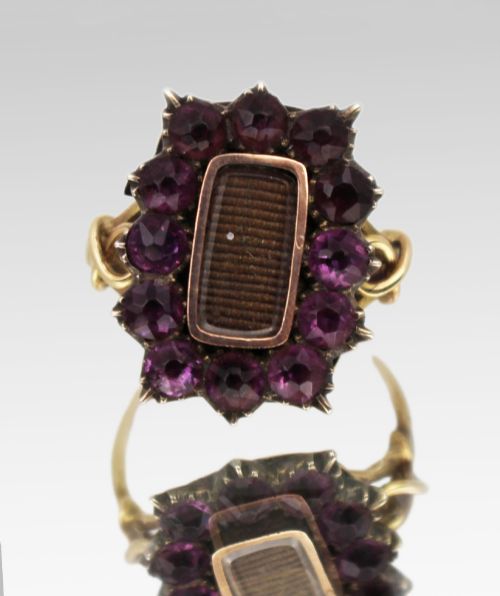
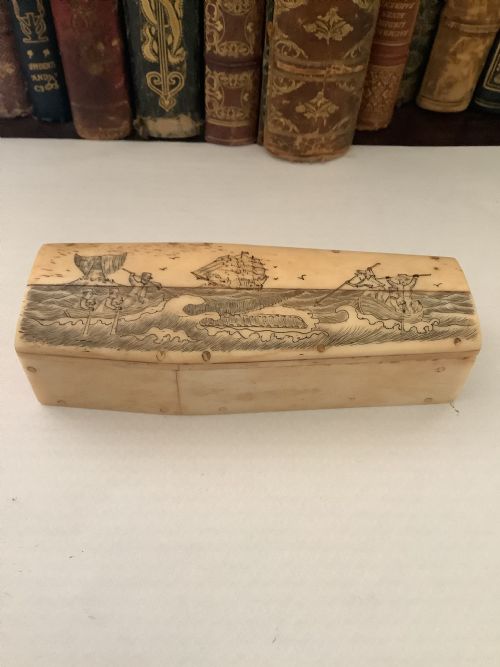
The objects on this page take varied physical forms, including mourning rings set with glass stones, decorative boxes, and sculpted skeletons. You also find walking stick handles, taxidermy, candle holders, and anatomical specimens.
Many of these items incorporate human hair, bone, and animal skulls alongside precious metals like gold. They reflect a period when remembrance of mortality was woven directly into daily material culture.
Materials and construction
The makers of these pieces utilised organic materials such as bone, stag horn, antler, and human hair to create deeply personal statements. These materials were frequently carved with immense precision, as seen in walking stick handles and small sculptural figures.
Metals including gold, brass, and ormolu form the mountings and structural elements for rings, brooches, and ritual items. Glass and pigment were also added to enhance the visual impact of mourning rings and candle holders.
Victorian Memento Mori Retail Price Guide 2026
Typical asking prices for victorian memento mori among the pieces listed under this phrase on Sellingantiques today, from the lower quarter to the upper quarter. They describe what is for sale here now, not the wider market.
Listings feature items from the 19th Century, Edwardian era, 1920, and 1930, utilising bone, gold, glass, hair, wood, pigment, stag horn, and antler.
Markers of distinction
Quality in these pieces rests heavily on the fineness of the carving and the integrity of the materials. A delicately carved bone figure or a meticulously worked gold and silver ring demonstrates a higher tier of workmanship than simpler items.
The combination of materials also dictates the standing of a piece, with precious metals and genuine hair work representing more deliberate craftsmanship than utilitarian brass or basic wooden objects.
The Victorian Memento Mori Glossary
- Memento mori
- An artistic or symbolic reminder of the inevitability of death, derived from the Latin phrase meaning remember that you must die.
- Mourning ring
- A finger ring worn in memory of a deceased person, often featuring hairwork, black enamel, or purple glass stones.
- Ormolu
- A gilding technique applied to a brass or bronze object, lending a rich golden finish to items like ritual daggers.
- Gothic Revival
- An architectural and decorative style popular during the nineteenth century, drawing inspiration from medieval forms and dark romanticism.
- Taxidermy
- The art of preserving and displaying animal specimens, frequently utilised in nineteenth-century cabinets of curiosity.
Victorian Memento Mori: Frequently Asked Questions
What is a memento mori?
A memento mori is an object designed to remind the viewer of mortality and the transience of earthly life. These pieces serve as physical reflections on death.
Originating largely from the nineteenth century, they utilise materials such as bone, hair, and gold to convey their solemn message.
How were mourning rings worn?
Mourning rings were worn by the bereaved to commemorate lost loved ones during the Victorian era. They often incorporated hair under glass or dark stones.
These rings functioned as intimate, private tokens of grief and remembrance kept close to the body.
What materials are common?
Common materials include bone, stag horn, gold, silver, and human hair. Makers selected these substances for their durability and symbolic resonance.
Some pieces also feature brass, glass stones, and pigment to add colour and structure to the design.
Are these items strictly Victorian?
While the majority stem from the nineteenth century and Victorian period, the selection also includes related pieces from the Edwardian era and the 1920s and 1930s.
The overarching Gothic Revival aesthetic spans across these neighbouring periods.