



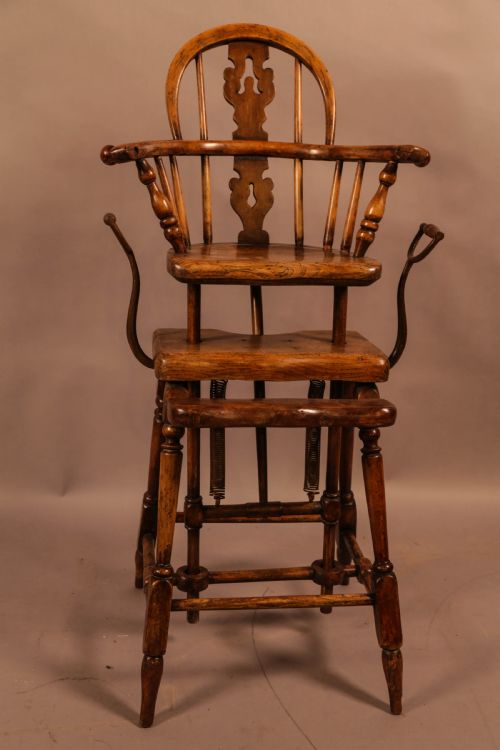


Victorian Mechanical Furniture
Victorian mechanical furniture offers ingenious movement and clever engineering, designed to transform your space with hidden levers and pivoting tiers.
Victorian Mechanical Furniture
Victorian mechanical furniture brings together clever design and practical utility, offering pieces that adapt through hidden hinges, pivots, and winding actions. When you search for victorian mechanical furniture, you find items engineered to shift function, from desks that transform to tables that rise and fall.
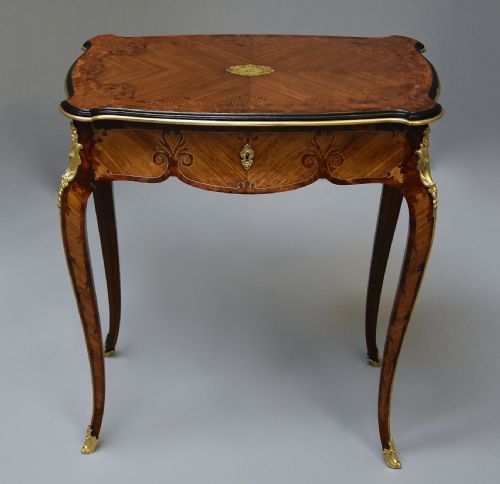
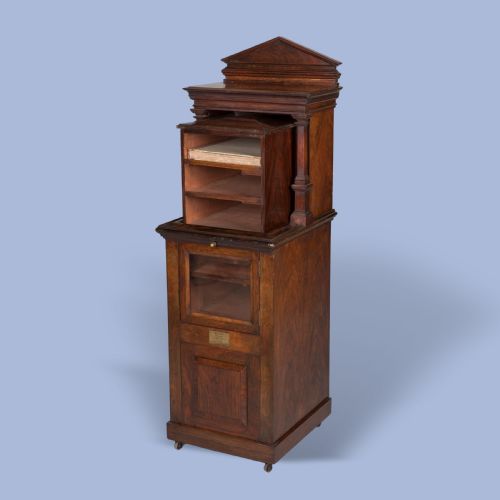
The pieces on this page span the nineteenth century and the Edwardian era, taking forms such as occasional tables, writing desks, music cabinets, and dumb waiters. Walnut and mahogany frame these designs, alongside oak, kingwood, and yew wood.
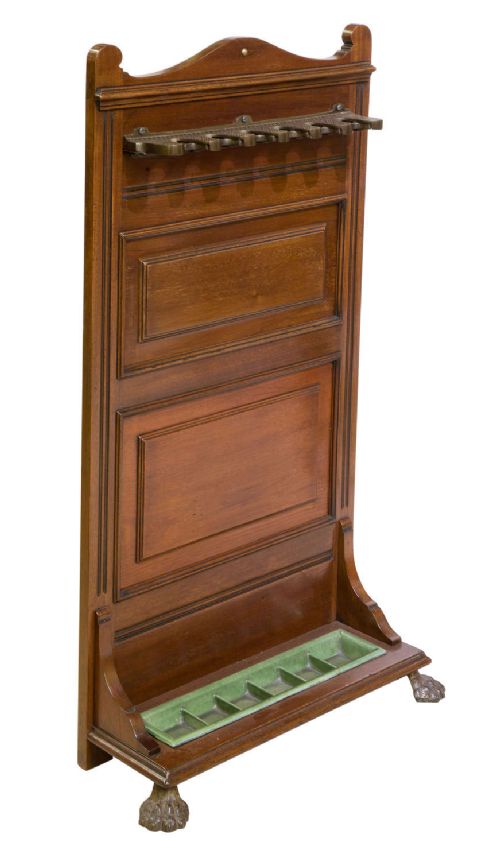
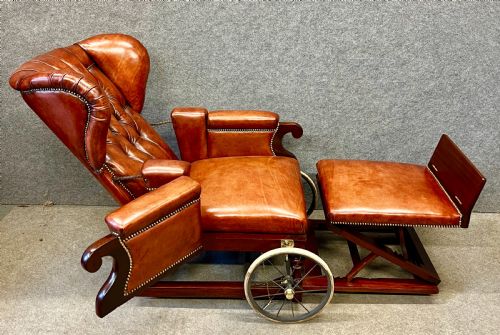
You will also encounter specialised items like cue stands, convalescing invalid chairs, and exercise chairs. Each piece relies on mechanical ingenuity to serve its Victorian household.
How they were made
Cabinet makers constructed these pieces using dense timbers like mahogany, walnut, and kingwood, often shaping them into Louis XV Revival or Victorian styles. Ormolu mounts and brass fittings provided both decoration and the necessary durable tracks for moving parts.
Internal mechanisms required precise metalworking alongside traditional woodworking joints, allowing surfaces to telescope, fold, or rise. Felt surfaces and glass elements frequently completed the functional design of games tables and cabinets.
Even Victorian children had to work out, as shown by the yew wood exercise chair.
What varies in quality
Quality rests in the smoothness and complexity of the concealed mechanism, separating simple folding brackets from sophisticated patented systems. A superior piece operates with balanced precision, whereas lesser examples require manual effort or catch along their tracks.
The choice of timber and veneer work also dictates the hierarchy of these items. Finely figured walnut or kingwood paired with chased ormolu signifies a workshop working at the highest standard.
John Ward
The Victorian Mechanical Furniture Glossary
- Metamorphic
- Furniture designed to transform from one form into another, such as a desk converting into a table. This allows dual purposes in compact spaces.
- Rise and fall
- A mechanism allowing tiers or surfaces to adjust in height via a winding or weighted system. It uses internal ratchets or screws.
- Ormolu
- Gilt bronze mounts applied to furniture for decoration. It adds metallic contrast to dark woods like mahogany and walnut.
- Telescopic
- A sliding construction enabling parts to extend or retract smoothly within one another. This technique governs adjustable stands and dumbwaiters.
Victorian Mechanical Furniture: Frequently Asked Questions
What is Victorian mechanical furniture?
These are functional household items built during the nineteenth century and the Edwardian period that incorporate moving parts. They use hidden hinges, ratchets, and pivots to change shape or function.
Examples include tables that expand, desks that reconfigure, and chairs designed for invalids or exercise. Their appeal lies in the clever engineering concealed within traditional cabinetry.
How did Victorians use dumb waiters?
Dumb waiters served dining rooms by holding dishes, bottles, or courses on multiple tiers, reducing the need for servants during meals. Telescopic and rising versions allowed the height or configuration to adjust as needed.
In daily life, they kept dining surfaces clear and organised. Their mechanical actions made storage and service more flexible.
How do I date these pieces?
Dating relies on stylistic clues like Louis XV Revival curves or Edwardian proportions, alongside the specific timber choices such as kingwood or walnut. Patent marks or maker names provide precise historical context.
The complexity of the metal mechanics also reflects the manufacturing period. Later nineteenth-century pieces often feature more advanced patented systems.