
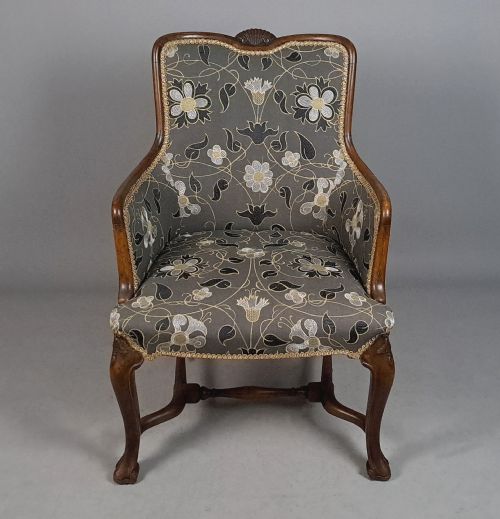


Victorian Library Wing Armchair
A victorian library wing armchair offers deep comfort and traditional presence, combining sturdy timber frames with rich leather upholstery for a grand study centrepiece.
Victorian Library Wing Armchair
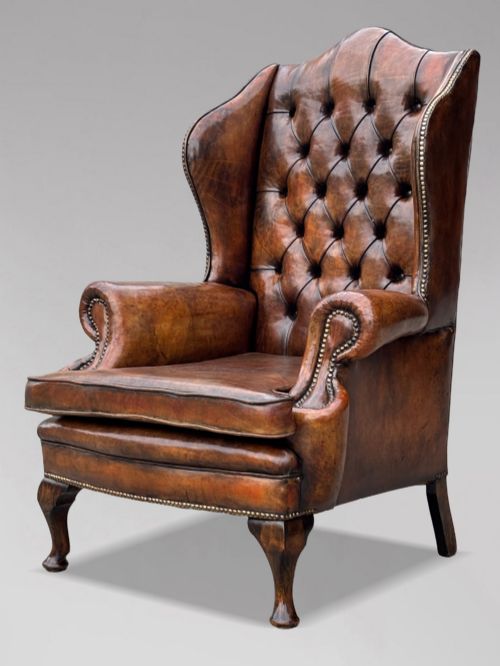
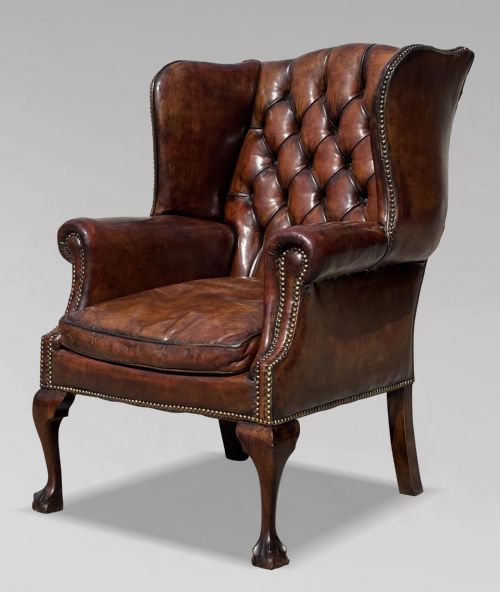
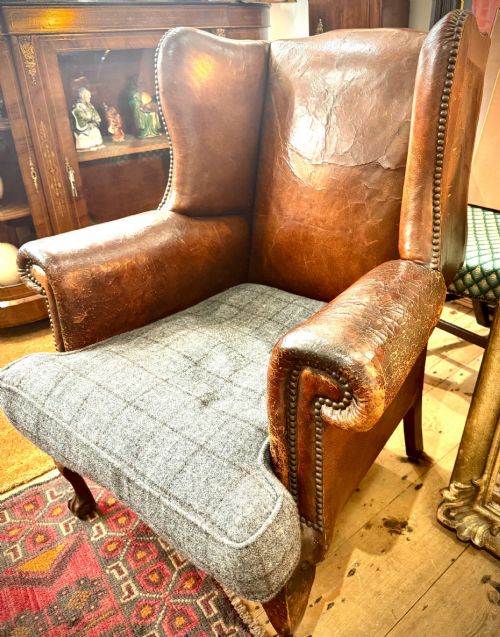
A victorian library wing armchair provides a high back and protective side wings designed originally to shield the sitter from draughts in large rooms. These seating forms appear across the nineteenth century, including specific iterations from the Regency era through to late Victorian periods.
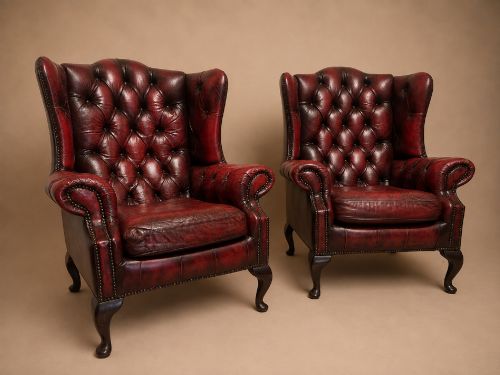
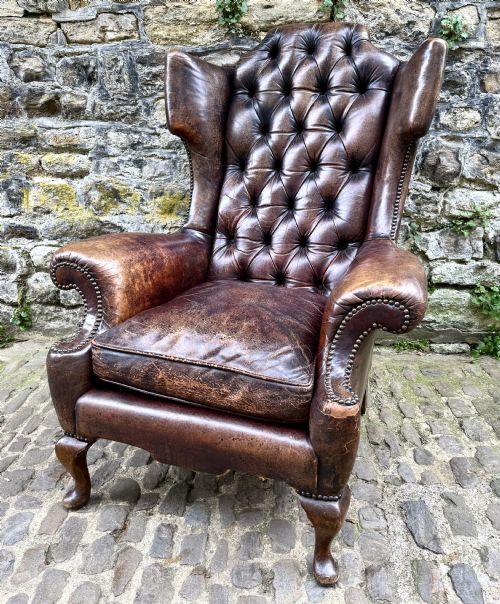
The silhouettes vary from simple wingback frames to large Chesterfield or porter's designs. Most examples found here combine deep buttoning with substantial upholstered wings and arms intended for extended reading periods.
Makers drew on historic revival idioms, producing pieces influenced by Queen Anne, Jacobean, and Gothic styles. This mix gives each armchair a distinct architectural character derived from nineteenth-century interpretation.
Materials and Construction Methods
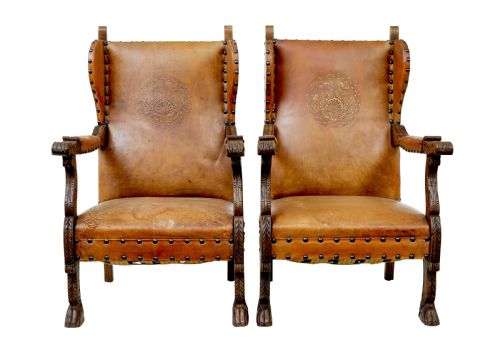
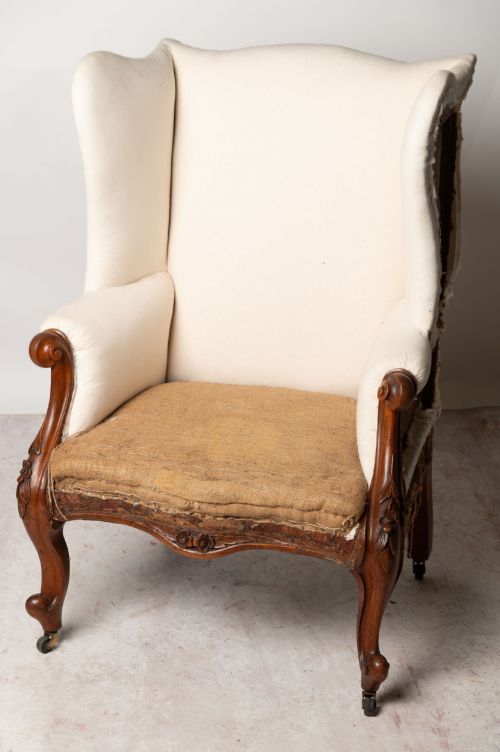
Frames rely on dense timbers such as mahogany, oak, and walnut, providing a rigid structural skeleton for the upholstered body. Carved details often appear on the exposed wooden legs and rails of these armchairs.
Upholstery traditionally employs durable leather, sometimes hand-dyed or embossed, secured with brass detailing. Interior padding frequently uses calico underneath the primary leather or fabric covering to support the deep buttoned backs.
Sitters can recline in specialised nineteenth-century convalescing chairs equipped with original mechanical adjustments.
Factors Defining the Tier of the Range
The refinement of the timber carving and the weight of the mahogany, oak, or walnut frame dictate the foundational standard of the piece. Master framing ensures the structural integrity of the high wings and arms remains solid over decades of use.
The grade and preparation of the leather skin create a visible separation between standard chairs and exceptional examples. Hand-dyed finishes and precise deep buttoning reflect a higher degree of artisan skill during the original construction.
Victorian J Foot And Son·Thomas Sopwith Of Newcastle·John Ward
The Victorian Library Wing Armchair Glossary
- Wingback
- A chair style featuring protective flaps attached to the back frame designed to block cold air. These wings define the silhouette of standard library seating.
- Buttoning
- An upholstery technique where indentations are formed in the padding using tight fixings. This method secures internal stuffing while creating a geometric pattern on the leather surface.
- Calico
- A plain-woven textile utilised as an internal lining beneath the final leather or fabric cover. It provides a stable base for the inner stuffing materials.
- Porters armchair
- A high-enclosed seating form originally used in drafty hallways to protect attendants. These pieces often feature fully hooded tops above the standard wing structure.
- Revival
- A design movement that emulates historical aesthetics from earlier centuries. Nineteenth-century makers frequently applied Queen Anne or Gothic motifs to their new frames.
Victorian Library Wing Armchair: Frequently Asked Questions
How do I identify a Victorian library wing armchair?
Look for dense timber frames made from mahogany, oak, or walnut combined with high padded wings designed for draught exclusion. Nineteenth-century examples often display deep leather buttoning and revival stylistic details.
Examine the legs and structural joinery to connect the piece to specific periods like the Regency or late Victorian eras. Makers occasionally incorporated specialised reclining mechanisms or invalid functions into these heavy library frames.
Where were these armchairs placed originally?
These large seats belonged in private libraries, studies, and grand halls where warmth was difficult to maintain. The high wings sheltered readers from cold air circulating through expansive rooms.
Wealthy households also utilised porter's versions near entranceways for supervising visitors. Their enclosed forms created a private microclimate for people stationed in drafty corridors.
What timber types should I expect?
Frames are constructed primarily from mahogany, oak, and walnut, providing the necessary load-bearing strength for large upholstered bodies. Some pieces simply list generic timber or wood designations.
Exposed woodwork on the legs and arm terminals showcases the grain and colour of these hardwearing materials. Walnut and mahogany typically offer finer cabinet-making details than standard oak frames.
How do I care for antique leather upholstery?
Maintain the leather by keeping the material away from direct heat sources and excessive sunlight to prevent drying. Regular gentle dusting preserves the finish of hand-dyed surfaces.
Avoid harsh chemical cleaners that strip the original patina from nineteenth-century hides. Professional restoration work should retain the historic integrity of the underlying calico and padding.