


Victorian Meat Platter
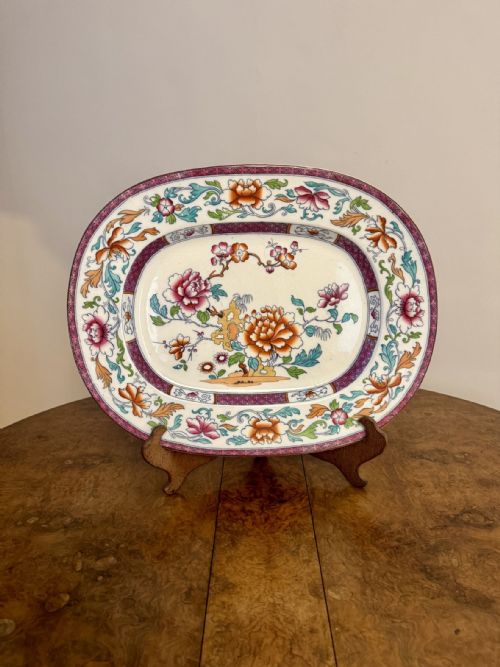
A victorian meat platter brings substantial scale and transfer-printed decoration to the dining table, serving large joints of meat with traditional English presence.
Victorian Meat Platter
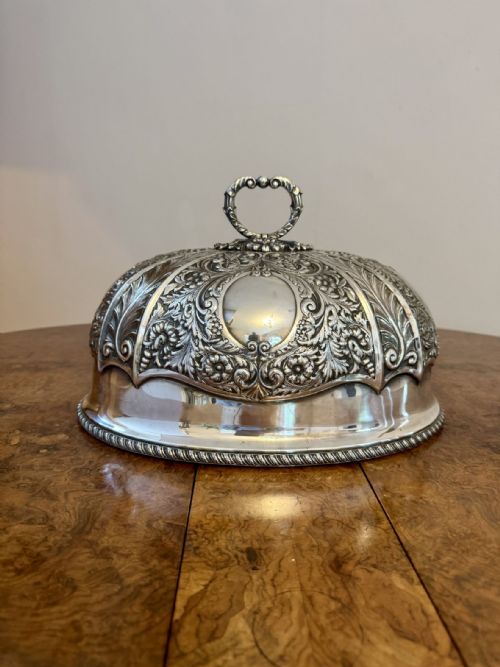
A victorian meat platter is a heavy serving dish designed to accommodate large joints at the dining table, often featuring deep wells and channels to collect juices. The examples found here span the nineteenth century, including blue and white transfer-printed earthenware, robust ironstone, and heavy silver-plated domes.
Buyers will frequently encounter large blue and white earthenware pieces decorated with topographical views, botanical scenes, or oriental patterns. These utilitarian items formed part of extensive dining services and survive in substantial dimensions suited to grand presentation.
Materials and Methods
Potters utilised earthenware, pearlware, and dense ironstone to build the heavy body required for these large plates, applying glaze over copperplate transfer prints. Ironstone offered superior resistance to chipping, which explains its widespread adoption for heavy daily service.
Metal versions combined silver plating over copper or used Old Sheffield plate for matching covers and warming dishes. These involved skilled smithing and plating techniques to achieve a bright finish across expansive metal domes and trays.
The listings on this page include earthenware, ironstone, and silver plate across the nineteenth century.
Distinctions in Quality
For silver-plated items, the integrity of the plating over the base metal determines the calibre of the piece. Superior metal domes balance substantial weight with finely chased handles and armorial engravings.
Copeland and Garrett·Minton·Mason·Elkin Knight and Bridgwood
The Victorian Meat Platter Glossary
- Transfer print
- A decorative technique where an engraved copper plate applies a design onto paper, which is then transferred onto the unglazed ceramic body.
- Ironstone
- A heavy, durable type of feldspathic earthenware patented in the nineteenth century to imitate Chinese porcelain.
- Well and tree
- A carved channel and central well system on the surface of the platter designed to drain meat juices away from the carving area.
- Mazarine
- A pierced ceramic or metal draining insert placed inside the platter to keep the meat elevated above its juices.
- Pearlware
- A refined earthenware developed in the late eighteenth century with a bluish-white glaze that mimics Chinese export porcelain.
Victorian Meat Platter: Frequently Asked Questions
What is a victorian meat platter used for?
These large dishes served roasted joints of meat at the nineteenth-century dining table. Their generous dimensions allowed carvers plenty of room to slice beef, lamb, or poultry.
Many incorporate draining trays or wells to catch juices and prevent the meat from sitting in liquid during the meal.
How do I care for antique ceramic platters?
Wash these pieces by hand using warm water and mild soap, avoiding modern dishwashers that can craze the old glaze. Store them flat or in secure vertical racks designed for heavy ceramic plates.
Metal covers and warming trays require appropriate silver polish applied gently to preserve the plated surface.
How do I date a transfer printed platter?
Potters often stamped their ceramic bodies with maker marks, registry diamonds, or pattern names on the underside. The shade of blue, style of border, and weight of the earthenware also help narrow the manufacturing period.
Earlier nineteenth-century pieces tend to use pearlware bodies with deeper blue prints, while later ironstone examples appear heavier and whiter.
Can I still use them for serving food?
Most of these ceramic and metal pieces remain robust enough for serving dry foods at the table. Historic glazes and old silver plate, however, require caution with acidic or greasy items.
Inspect each piece for stability and cleanliness before using it for modern dining purposes.