




Victorian Marine Seascape Art
Victorian marine seascape art captures maritime drama, coastal trade and fishing harbours through the brush of nineteenth-century painters.
Victorian Marine Seascape Art
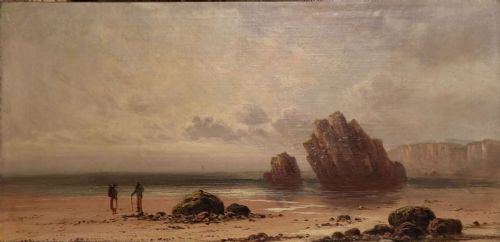
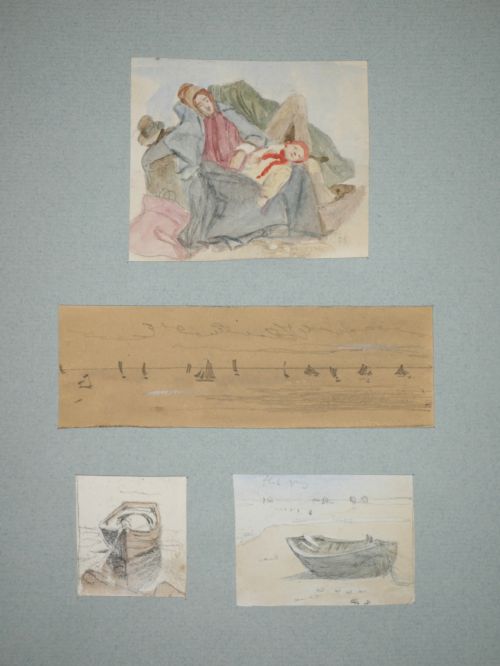
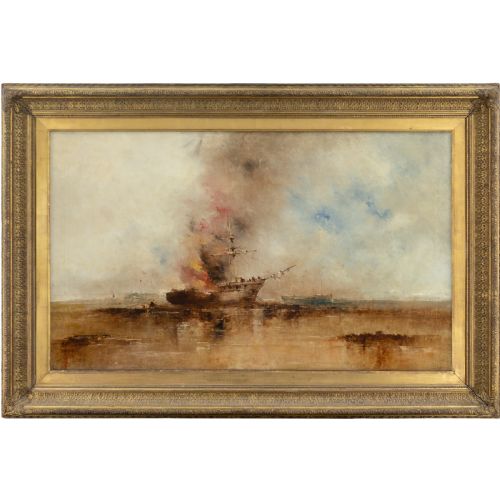
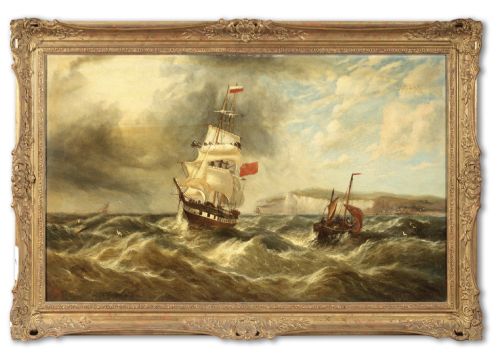
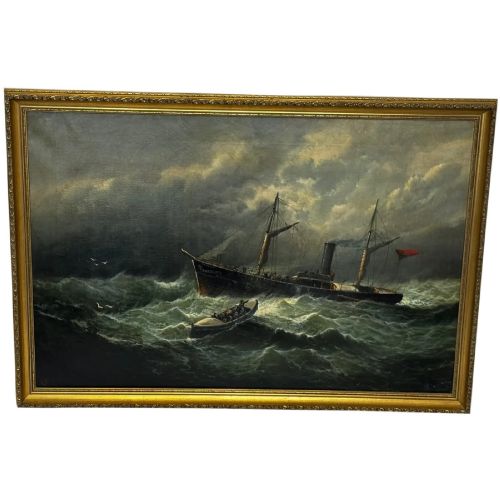
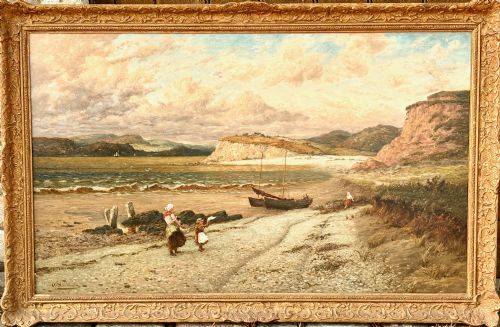
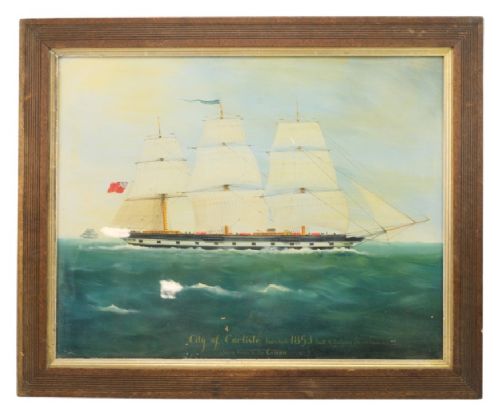
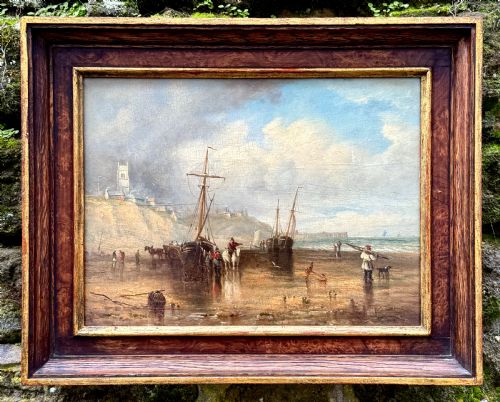
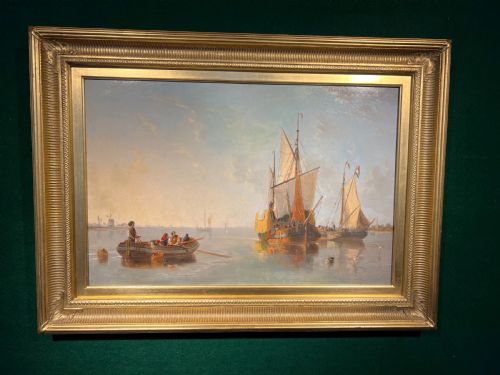
Victorian marine seascape art encompasses original oil paintings, watercolours and drawings produced during the nineteenth century. The subjects range from merchant ships in heavy seas and naval vessels to quiet harbour scenes and coastal beaches.
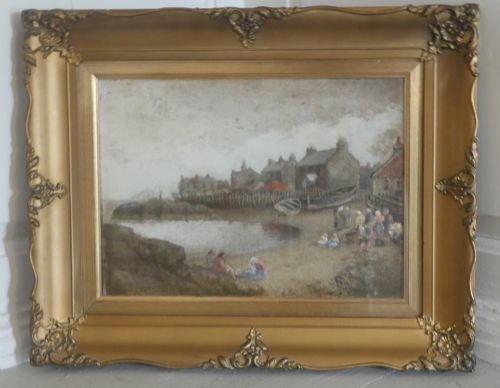
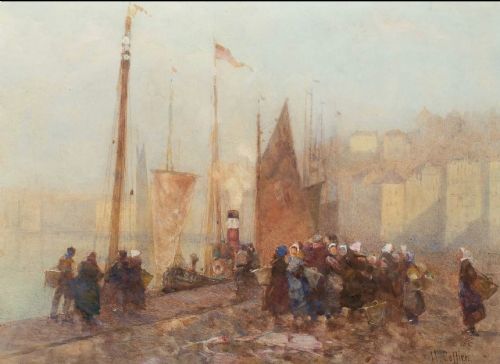
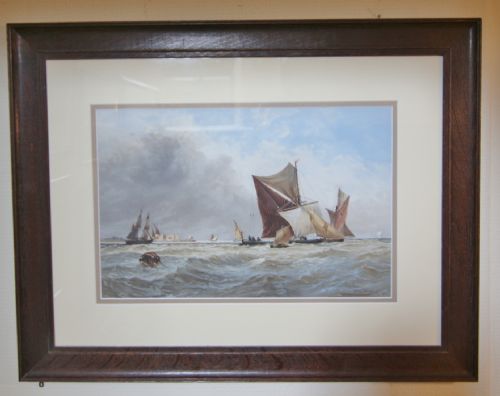
Most pieces on this page originate from British and Scottish artists working across the 1800s and into the early 1900s. Buyers frequently encounter framed watercolours of local fishing ports alongside large oil paintings on canvas depicting historic sailing ships.
Works on paper and canvas capture specific locations such as the River Thames, St Ives, Scarborough and various international coastal waters. These pieces document maritime history through artistic interpretations of shipping, weather and coastal life.
Materials and technique
Painters utilised oil paint on canvas or board to build rich textures for turbulent waves, dramatic skies and dark hulls. Watercolours on paper offered artists the fluidity needed for atmospheric light and coastal haze.
Many surviving pieces retain their original gilt wood frames which complement the maritime subject matter. Support materials like paper and stretched canvas reflect standard nineteenth-century studio practices.
Salt air and nineteenth-century studio dust still linger invisibly within the cracks of these historic wave strokes.
Judging quality
Quality rests upon the artist's command of maritime atmosphere, vessel rigging accuracy and composition depth. Stronger works convey the weight of water and the tactical movement of sailing ships under changing weather conditions.
Condition of the medium and the presence of a signature or documented attribution elevate a piece. Masterful handling of light upon water distinguishes finer paintings from routine topographical views.
James Orrock·James Smetham·William McAlpine·Edward Mills·William Banks Fortescue·John Rose Miles·William Broome·Hector Caffieri·Bernard Benedict Hemy·Thomas Creswick·TB Hardy·John Wilson Carmichael·Lai Fong·Joseph Farquharson·Nicholas Condy·William Henry Williamson·John Holland·George Stanfield Walters·Abraham Hulk I·Henry Barlow Carter·John Moxon·William Frederick Settle·Charles William Wyllie·Charles William Adderton·William Edward Webb
The Victorian Marine Seascape Art Glossary
- Seascape
- A work of art depicting the sea, ships, coastal views or maritime activity. These subjects formed a major category of nineteenth-century painting.
- Watercolour
- A painting method where fine pigment is suspended in a water-soluble binder on paper. Artists utilised this medium for portable coastal sketches and finished gallery works.
- Oil on canvas
- Pigment bound in drying oil applied to a woven fabric support stretched over a wooden frame. This combination allowed artists to create deep tonal ranges for dramatic sea scenes.
- Gilt wood
- Wood coated with a thin layer of gold leaf or metallic paint used for picture frames. Elaborate gilt frames frequently accompany Victorian oil paintings.
- Maritime
- Relating to the sea, shipping, navigation and coastal commerce. This term covers both naval subjects and commercial merchant shipping.
Victorian Marine Seascape Art: Frequently Asked Questions
What subjects appear in these paintings?
Artists painted merchant vessels, fishing boats, naval ships and coastal harbours under various weather conditions. Scenes often record specific historic locations, ports and maritime events.
Stormy seas, calm anchorages and bustling river traffic provide the primary focus for these nineteenth-century compositions.
How do I distinguish watercolours from oil paintings?
Watercolours utilise paper supports and typically require protective glass framing to prevent moisture damage. Oil paintings feature heavy pigment layers on canvas or board and remain unglazed.
Close inspection reveals the matte finish of paper works versus the glossy texture of dried oil paint.
Where were these artists working?
Painters travelled extensively along British and European coasts to capture real maritime environments. Popular painting spots included Cornish fishing villages, Scottish castles and London river docks.
Studio work based on preliminary sketches often completed the final pieces.
How should I display maritime art at home?
Hang paintings on stable interior walls away from direct sunlight and damp environments to protect paper and canvas. Ensure adequate spacing around large framed oil paintings to showcase their scale.
Matching the period frame to your room's decor enhances the visual impact of the artwork.