




Victorian Marine Art
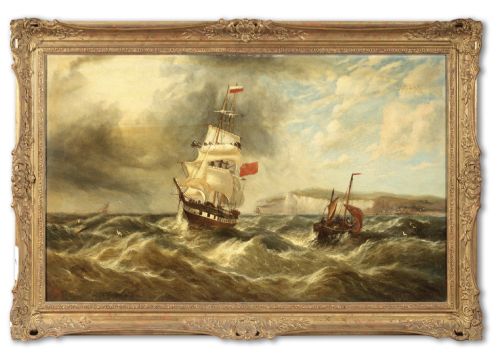
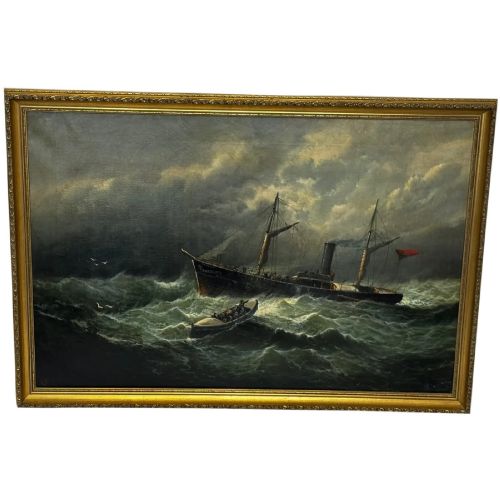
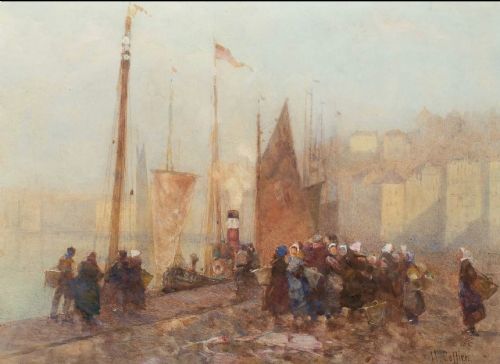
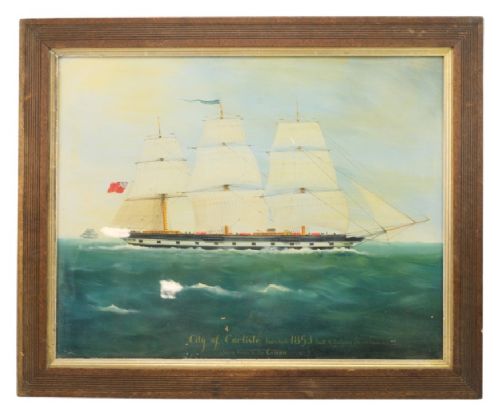
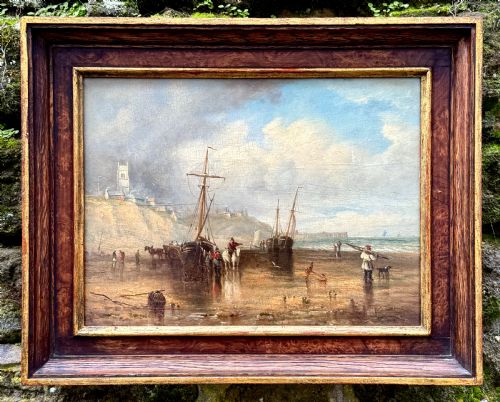
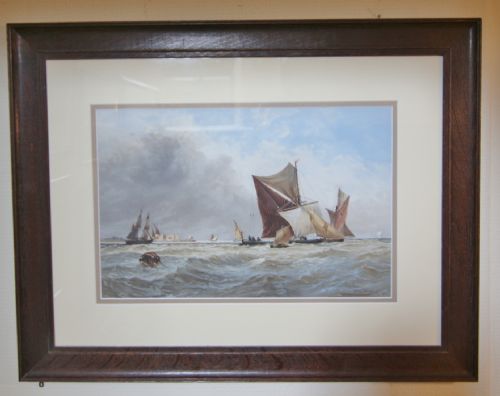
Victorian marine art captures maritime history through detailed oils, watercolours, and dioramas depicting coastal scenes, bustling harbours, and ships navigating turbulent seas.
Victorian Marine Art
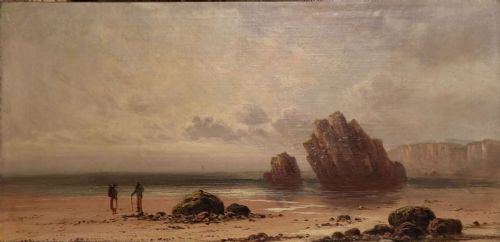
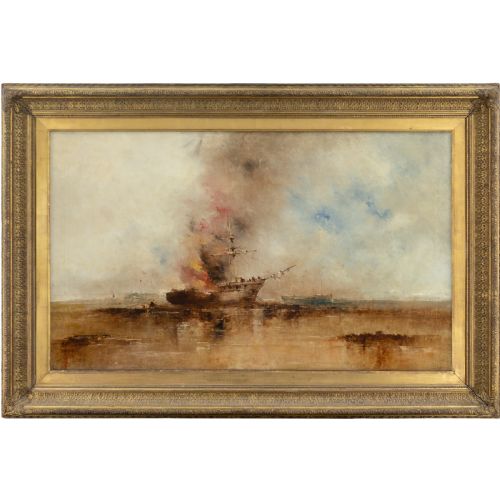
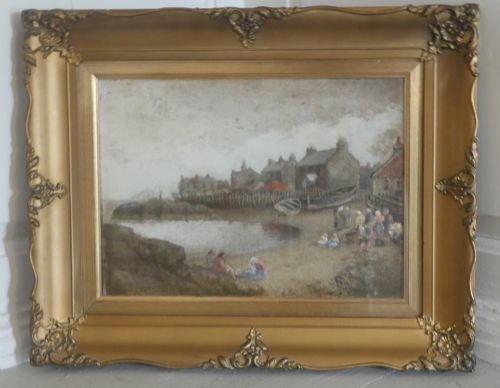
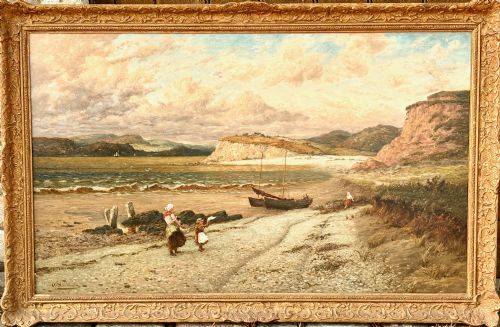
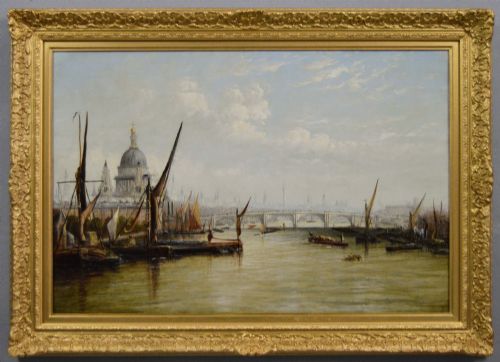
Victorian marine art encompasses paintings, watercolours, drawings, and dioramas focusing on maritime subjects, coastal towns, and shipping from the nineteenth century. Buyers searching this phrase encounter works ranging from quiet harbour scenes and beach landings to dramatic depictions of ships in heavy seas.
The objects most frequently met on this page are oil paintings on canvas or board and works on paper, often created by named British and Scottish artists of the period. These pieces frequently document specific vessels, historical maritime events, or identifiable coastal locations across Britain and Ireland.
How they were made
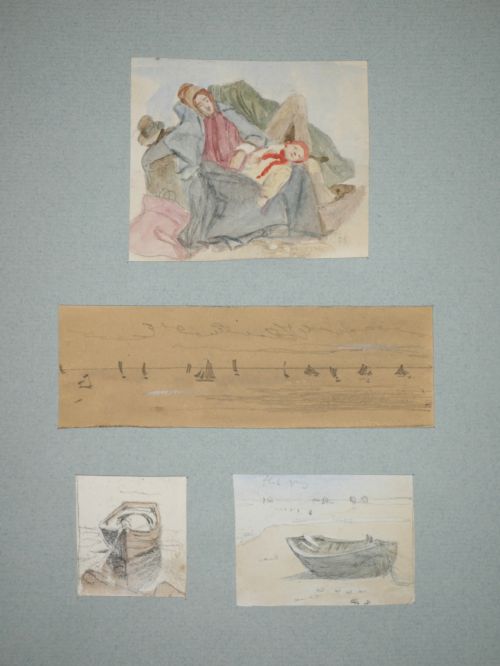
Painters of this period utilised oil paint on canvas or artists' board, alongside watercolour applied to paper, capturing light on water and the atmospheric conditions of the coast. Canvas supports frequently received protective layers of gesso before the application of pigments by brush.
Three-dimensional dioramas incorporated carved wooden models of sailing ships and steam barges set against painted backdrops and enclosed behind glass within decorative frames. Many original works remain housed in their period gilt wood frames, sometimes retaining maker or framer inscriptions.
Some nineteenth-century artists signed their maritime watercolours while standing on windswept Brighton beaches with salt spray drying on the paper.
What varies in quality
Quality in these works rests upon the artist's command of perspective, draughtsmanship, and the accurate depiction of rigging, hull construction, and marine atmospheric effects. Superior examples demonstrate a careful handling of light upon water and convincing movement in waves and cloud formations.
The condition of the canvas or paper surface, the absence of excessive retouching, and the retention of the original gilt wood frame contribute significantly to the standing of an individual piece.
James Orrock·James Smetham·William McAlpine·Edward Mills·William Banks Fortescue·John Rose Miles·William Broome·Francis Moltino·Hector Caffieri·Bernard Benedict Hemy·Thomas Creswick·T B Hardy·John Wilson Carmichael·Lai Fong·Joseph Farquharson·Nicholas Condy·Richard B Spencer·William Henry Williamson·John Holland·George Stanfield Walters·Abraham Hulk I·Henry Barlow Carter·John Moxon·John Moore of Ipswich
The Victorian Marine Art Glossary
- Diorama
- A three-dimensional display featuring a model ship set within a constructed coastal or marine landscape, often enclosed behind glass. These pieces combine painting and model-making techniques.
- Seascape
- A work of art depicting the sea, coastal views, or ships underway. This genre forms the core of marine painting.
- Gilt wood
- Wood that has been coated with a thin layer of gold leaf or metallic gilt gesso, commonly used for nineteenth-century picture frames.
- Watercolour
- A paint consisting of water-soluble pigments applied to paper supports. It was widely utilised by nineteenth-century artists for coastal sketches and finished marine scenes.
Victorian Marine Art: Frequently Asked Questions
What subjects appear in Victorian marine art?
These works depict sailing ships, merchant vessels, naval ships, and rescue boats operating in coastal waters or open seas. Harbours, fishing boats, beach scenes, and coastal towns also feature prominently.
Artists frequently recorded specific locations such as Plymouth, St Ives, Scarborough, and the River Thames, often capturing local maritime industries and historical events.
How are marine watercolours different from oil paintings?
Watercolours utilise pigments suspended in a water-soluble vehicle applied to paper, producing lighter, translucent effects well suited to atmospheric sketches and coastal views. Oil paintings employ pigments bound in drying oils on canvas or board, allowing for richer colour depth and heavier impasto.
Oil works on canvas generally occupied a more formal position in nineteenth-century fine art production, whereas watercolours often served for preparatory studies or direct outdoor sketching.
How should I display a diorama?
Dioramas require stable indoor environments away from direct sunlight and excessive humidity to protect the delicate wooden ship models and painted paper backgrounds. Placing them on secure surfaces ensures the glass front and original frame remain undisturbed.
Because these pieces are self-contained behind glass, they need no additional framing but benefit from careful placement where their depth and lighting can be appreciated.
How can I tell the period of a painting?
The dress of figures, the types of shipping - such as three-masted schooners, clippers, or early steam barges - and the style of the gilt frame provide primary indicators of date. Signatures, artist inscriptions on the reverse, and labels from nineteenth-century framers help confirm the period.
Additionally, the construction of the canvas support, stretcher bars, and framing materials align with nineteenth-century workshop practices.