



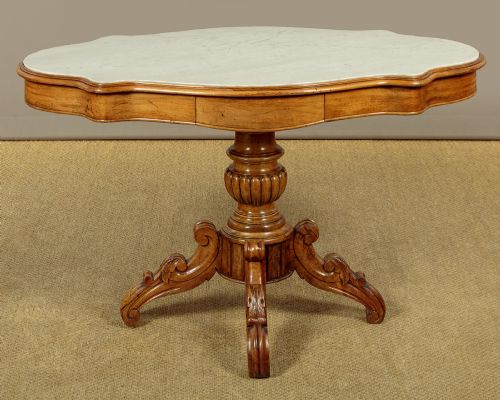
Victorian Marble Side Table
A victorian marble side table brings a cool stone surface and rich timber framing into a room, serving practical needs with nineteenth-century style.
Victorian Marble Side Table
When you search for a victorian marble side table, you encounter pieces designed for nineteenth-century domestic interiors, spanning formal console tables and compact occasional pieces.
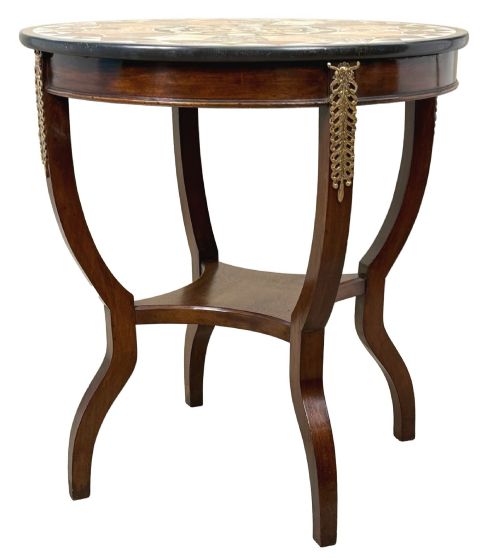
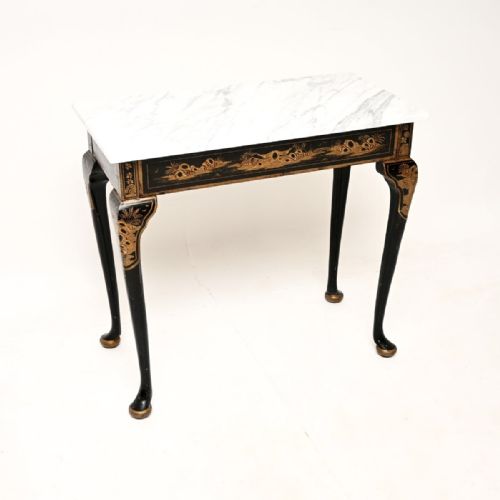
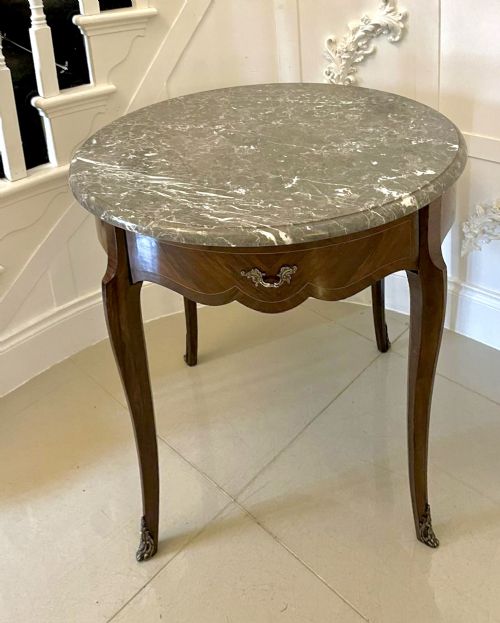
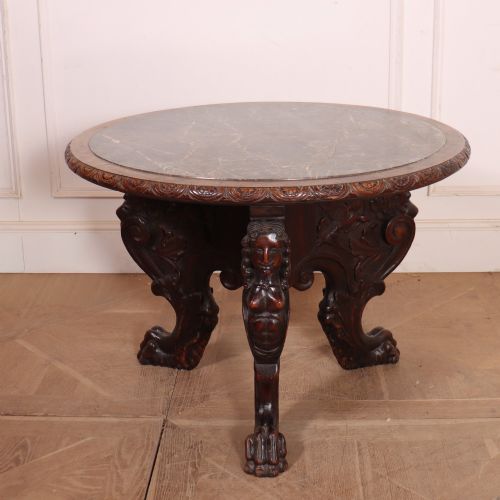
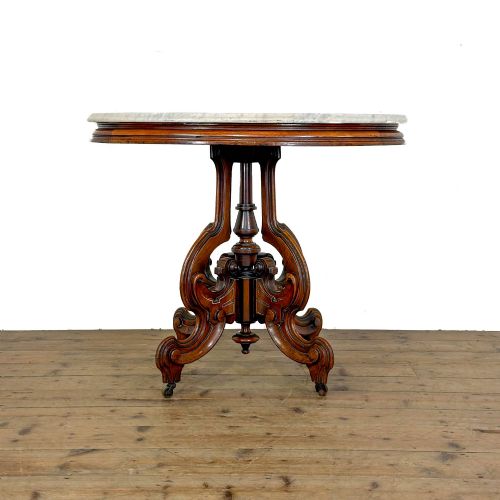
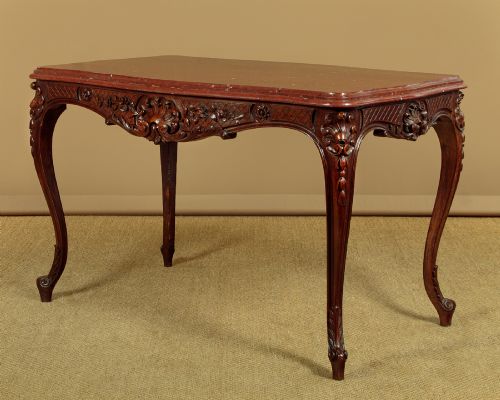
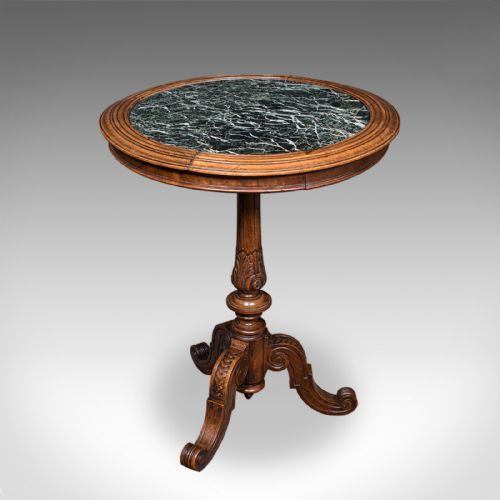
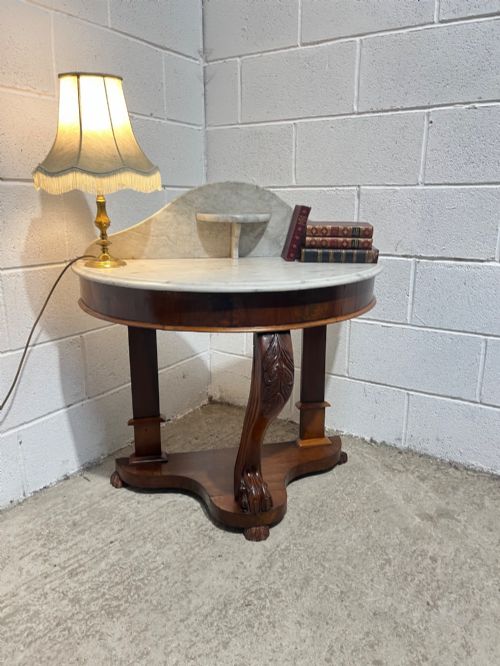
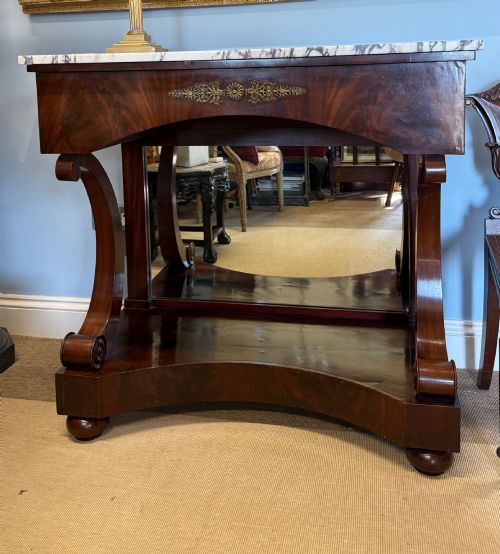
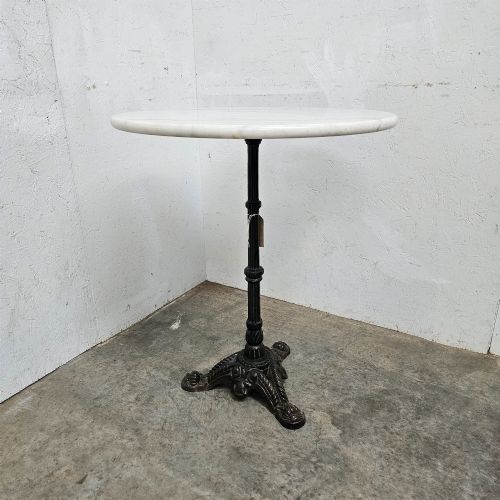
The selections on this page lean heavily toward rectangular and circular side tables, alongside console tables, washstands, and centre tables that pair stone slabs with wooden frames.
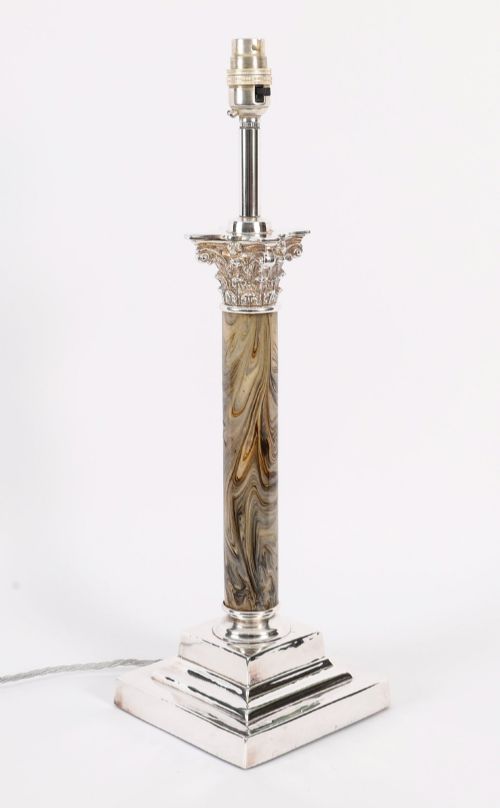
Makers of the period utilised various supports, from carved mahogany and burr walnut pedestals to cast iron and brass columns, adapting the heavy stone tops for different rooms.
Materials and Construction
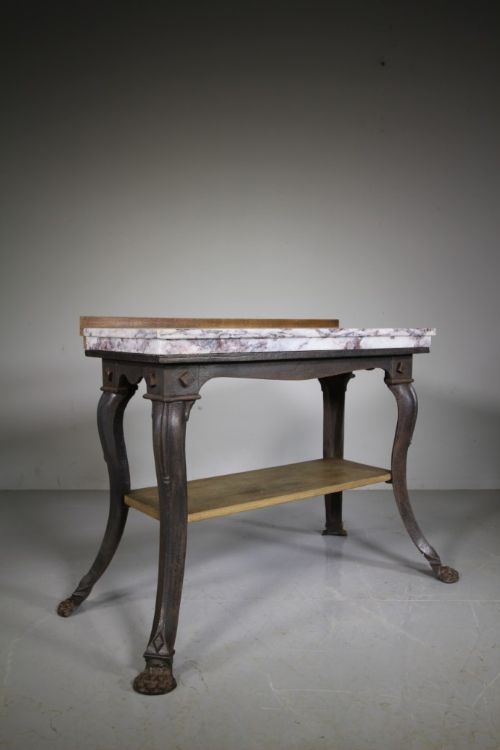
The construction relies on heavy marble slabs fitted to sturdy hardwood or metal frames, utilising materials such as mahogany, walnut, oak, cast iron, and brass.
Cabinetmakers shaped timber bases using traditional joinery and veneer techniques, occasionally incorporating intricate carvings, inlay, or gilded brass mounts.
Stone tops range from plain white marble and rouge marble to multi-coloured specimen marble arrangements and painted faux finishes.
Listings feature mahogany, walnut, oak, and cast iron framing supporting white, rouge, and specimen marble tops.
Distinctions in Quality
Quality depends upon the selection of timber and the ambition of the carving, with burr walnut and figured mahogany setting a higher standard than plain pine or oak.
The sophistication of the marble top dictates much of the value, distinguishing simple utilitarian slabs from intricate specimen marble mosaics or heavily moulded edges.
The integrity of the frame and the precision with which the stone sits upon its base separate standard utility pieces from high-workshop production.
James Shoolbred·Maples·Johnstone and Jeanes
The Victorian Marble Side Table Glossary
- Console table
- A table designed to stand against a wall, frequently secured with brackets or supported by front legs.
- Specimen marble
- A decorative top composed of various coloured marbles arranged in geometric or pictorial patterns.
- Washstand
- A piece of furniture fitted with a stone top to hold washing basins, often converted for use as a side table.
- Gueridon
- A small French pedestal table, typically round, utilised as an occasional or lamp table.
- Rouge marble
- A deep red variety of stone quarried in France and frequently utilised for nineteenth-century furniture tops.
Victorian Marble Side Table: Frequently Asked Questions
How were marble side tables used originally?
These tables served various practical functions in nineteenth-century homes, acting as serving surfaces in reception rooms or as washstands in bedrooms.
Their cool stone tops made them suitable for holding lamps, decanters, or washing equipment without risking heat or liquid damage to the wood below.
Where should I place one at home?
A victorian marble side table fits well in a hallway as a console, or beside a sofa in a living room as an occasional surface.
The heavy stone top requires a stable floor surface, and the table works best away from direct, heavy foot traffic to protect the edges of the marble.
How do I identify a Victorian period piece?
Examination of the timber framing, construction joints, and underside markings helps determine the age of the piece.
Nineteenth-century examples often display hand-cut joinery, dense hardwoods like mahogany and walnut, and characteristic edge profiles on the marble slabs.
Are all the marble tops original to the tables?
Most pieces retain their fitted stone tops, which were cut specifically to match the rebated frames of the tables during manufacture.
Washstands and console tables frequently feature heavy marble that rests securely in the wooden carcass under its own weight.