



French Style Bistro Table
A french style bistro table brings continental cafe character and sturdy utility into gardens, conservatories and dining spaces.
French Style Bistro Table
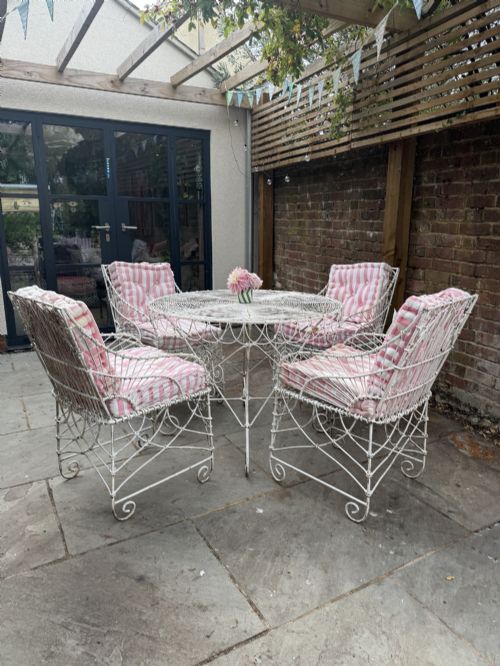
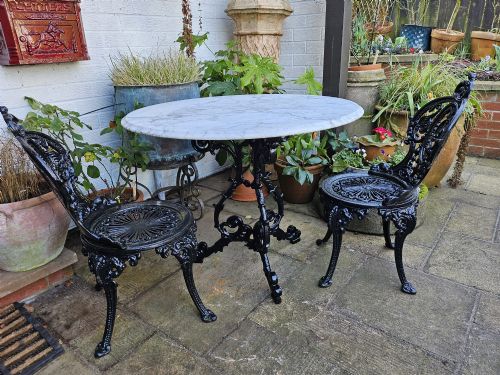
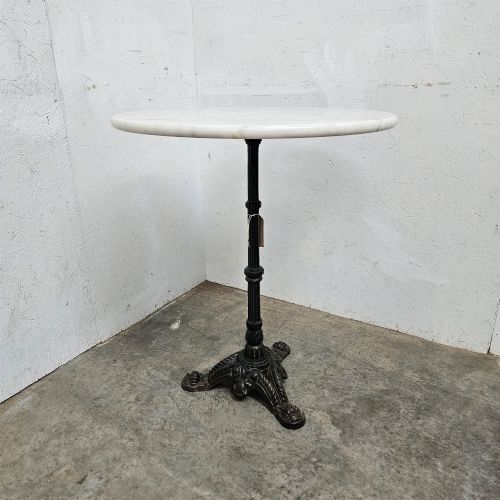
When you search for a french style bistro table, you are looking at small-scale dining and cafe furniture designed for compact spaces both indoors and out. The examples available here span the nineteenth century, the Victorian era, and the decades up to 1930, taking forms such as round garden tables, conservatory tables, and complete dining sets with chairs. You will most frequently meet round marble top pieces supported by iron bases, alongside wirework and mosaic garden tables.
These tables bridge domestic comfort and outdoor practicality, originating from pavement cafes and private gardens alike. Styles range from classical French provincial and Mediterranean revival to distinct Art Deco and Victorian wirework designs. Whether arranged on a patio or placed in a bright conservatory, they offer functional surface space with a distinct historical pedigree.
How they were made
Makers constructed the bases of these tables using durable cast iron and wrought iron, often employing intricate strapp work or heavy casting techniques to ensure stability. These metal frameworks frequently feature decorative curves and sturdy legs designed to withstand regular use in bustling cafes or exposed gardens.
Tops were fashioned from smooth white marble, ceramic tile, or mortar mosaic, providing a solid and wipe-clean surface contrasting with the dark metal below. Some rarer Victorian variants utilised delicate wirework frames, combining industrial metal manipulation with domestic ornamentation.
French Style Bistro Table Retail Price Guide 2026
Typical asking prices for french style bistro table among the pieces listed under this phrase on Sellingantiques today, from the lower quarter to the upper quarter. They describe what is for sale here now, not the wider market.
Listings feature items spanning the nineteenth century, the Victorian era, and the 1920s and 1930s.
What varies in quality
Quality in these pieces rests primarily on the integrity of the materials and the sophistication of the metalwork. Heavy cast iron bases with refined casting details and substantial marble tops sit at the upper end of the scale, offering a reassuring heft and structural permanence.
Simpler wirework or lighter iron frames represent a different domestic tier, where the charm lies in the intricacy of the wire bending rather than monumental weight. The choice of top material - such as solid white marble versus mosaic tile - also shifts the character of the piece from austere utility to decorative refinement.
The French Style Bistro Table Glossary
- Strapp work
- Metalwork formed from flat strips of iron riveted or joined together in decorative patterns. This technique provided sturdy yet open frameworks for garden furniture.
- Wirework
- A Victorian technique using bent and interwoven metal wire to create lightweight, ornamental furniture frames. It allowed for intricate scrollwork and airy garden designs.
- Cafe table
- A small table traditionally used in commercial refreshment spaces, designed to occupy minimal floor space. These pieces typically feature a central pedestal or four slender legs.
- Conservatory table
- Furniture specifically suited for semi-protected glasshouse environments. These tables often display lighter decorative touches than their strictly outdoor counterparts.
French Style Bistro Table: Frequently Asked Questions
Where should I place my table?
These tables suit sheltered patios, sunrooms, and indoor dining areas where their compact scale can be appreciated. Because many incorporate marble tops and iron frames, protecting them from prolonged winter moisture helps preserve the materials.
Pairing the table with matching chairs creates a dedicated seating nook for morning coffee or light meals. Their traditional small footprint makes them particularly useful in tight corners or narrow garden alcoves.
How do I care for the marble top?
Marble surfaces require gentle cleaning with mild, non-acidic soap and warm water to protect the stone from etching. Wiping away spills promptly prevents staining, especially on older white marble slabs.
Applying a suitable stone sealer periodically helps guard against moisture and everyday wear. Treating the surface with care ensures the polished stone retains its tactile quality over time.
How do I identify a Victorian piece?
Victorian examples often feature characteristic heavy cast iron bases with ornate Victorian styling, or distinct wirework construction. Look for period-specific casting marks and traditional joinery methods that distinguish nineteenth-century production from later revivals.
The integration of traditional strapp work and classical proportions also points towards Victorian and nineteenth-century origin. Comparing the weight and metal patination provides further clues to the age of the base.
Can these tables stay outside year-round?
While iron and marble are durable materials, severe winter frost and continuous damp can affect the mortar and stone over many years. Moving tables into a shed or conservatory during the harshest months extends their lifespan.
If left outdoors permanently, employing a breathable protective cover shields the iron from excessive weathering. Regular checks on the metal finish help catch surface oxidation early.