



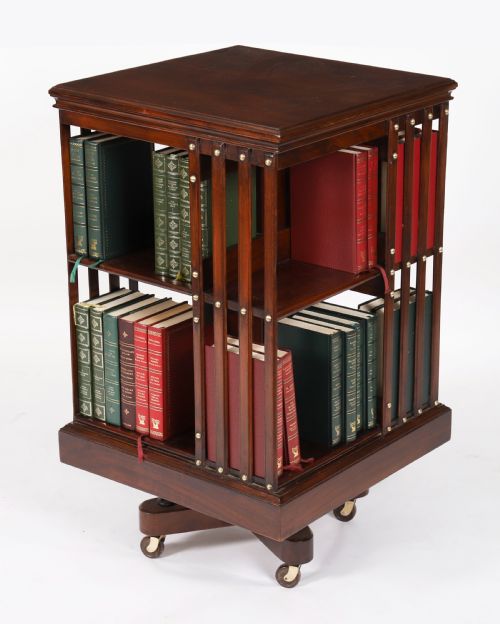


Victorian Maple Table
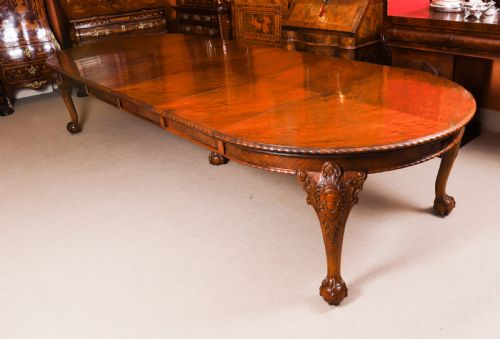
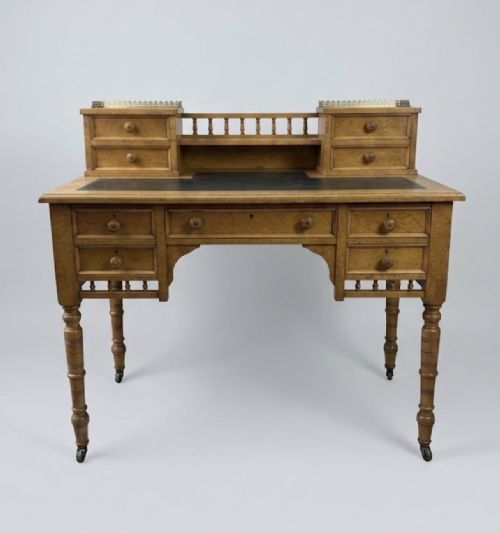
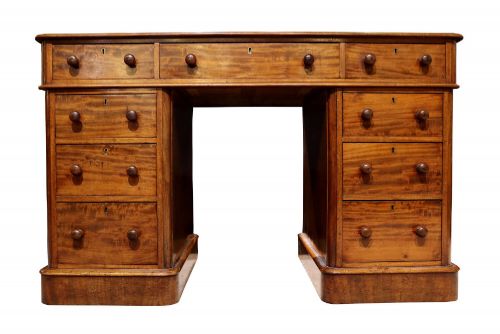
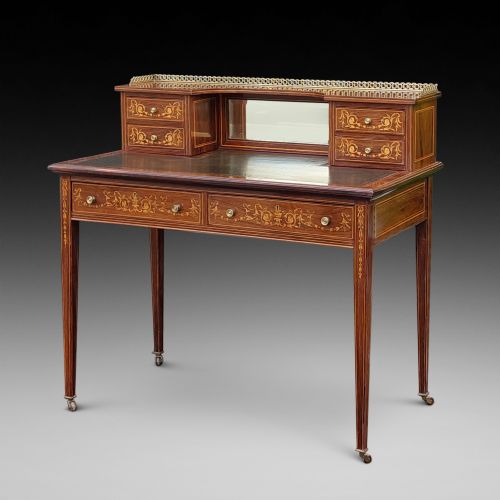
A victorian maple table brings distinct, pale figuration into a room, offering warm contrast through birds-eye grain and golden tones.
Victorian Maple Table
A victorian maple table covers a surprisingly wide domestic scope, appearing in forms ranging from writing desks and card tables to centre tables and occasional stands. These pieces belong predominantly to the nineteenth century, reflecting the era's taste for pale, figured woods in private studies, drawing rooms, and bedrooms.
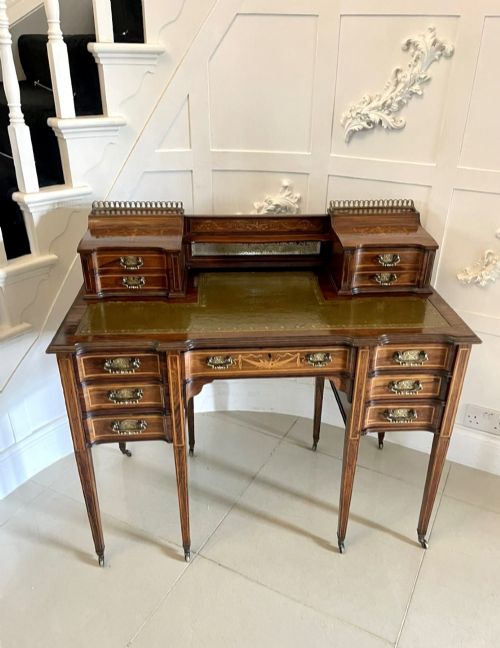
The version most commonly met on this page is the occasional or writing table, often showing the distinctive golden or birds-eye figure that defines the material. Makers of the period utilised these timbers both for solid construction and as fine veneers, setting them against darker contrasts like ebonised trim or rosewood inlay.
Beyond the standard centre and side tables, the selection includes specialised forms such as dressing tables, washstands, and folding picnic tables. Whether rendered in plain maple, birds-eye maple, or burr maple, each object demonstrates the nineteenth-century preference for decorative timber surfaces in everyday furniture.
What varies in quality
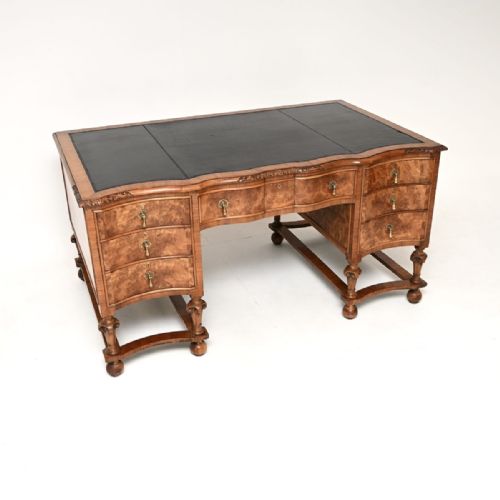
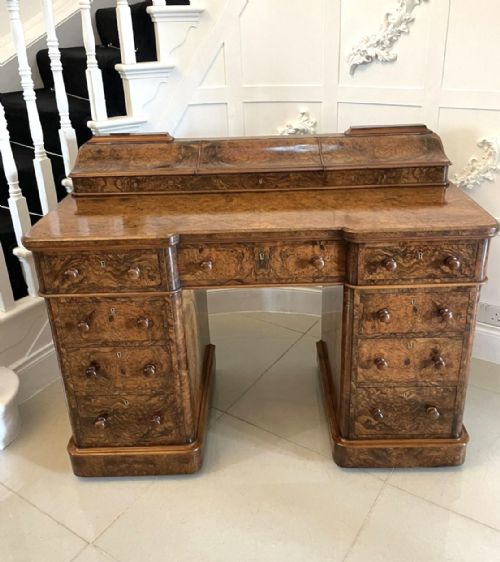
Quality rests primarily on the density and selection of the timber's figure, where tightly packed 'eyes' or dramatic burr patterns elevate a piece far above plain, straight-grained timber. Master workshops exercised rigorous control over veneer matching, ensuring that grain patterns flowed symmetrically across table tops and drawer fronts.
The sophistication of the secondary details also separates the ordinary from the exceptional, visible in subtle stringing, fine parquetry, and the integration of contrasting woods like rosewood or ebony. Structural integrity, clean lines in turning or carving, and the retention of original brass fittings further distinguish workshop output from mass production.
Several tables were built with folding mechanisms for picnics, proving that nineteenth-century Victorians enjoyed dining alfresco in style.
Maple and Co·Gillows of Lancaster
The Victorian Maple Table Glossary
- Birds-eye maple
- A figure in maple wood resembling tiny swirling dots or eyes, caused by local disruptions in the growth of the grain. This highly decorative figuring made the timber especially popular for Victorian table tops and drawer panels.
- Burr maple
- The knotted growth or burl of the maple tree, sliced to reveal a chaotic, swirling pattern of intense grain. It was frequently utilised by nineteenth-century cabinet makers for high-status occasional and writing tables.
- Centre table
- A freestanding table designed to be viewed from all sides, intended to stand in the middle of a room rather than against a wall. Victorian examples often feature circular or octagonal tops supported by a central pedestal and tripod base.
- Parquetry
- A geometric mosaic of wood pieces used for decorative effect on furniture surfaces. Makers applied contrasting timbers like maple, mahogany, and rosewood to create intricate patterns on table tops.
- Washstand
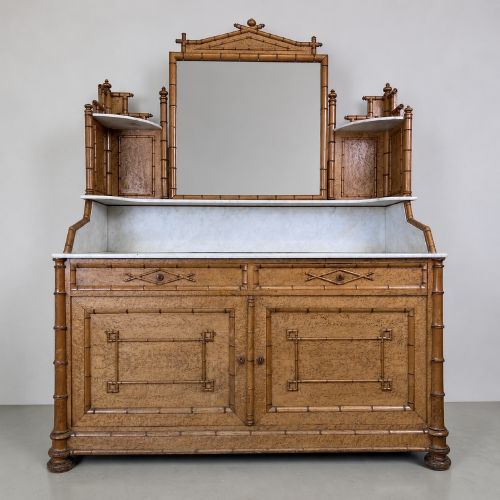
- A domestic piece designed to hold a basin and jug for washing, often fitted with marble tops to resist water damage. In maple, these pieces frequently incorporated bamboo-turned frames or mirrored superstructures.
Victorian Maple Table: Frequently Asked Questions
What rooms suit a victorian maple table?
The pale, golden tones of maple timber allow these pieces to brighten darker corners, making them particularly effective in drawing rooms, bedrooms, or entrance halls as side and occasional tables. Their reflective grain adds visual texture without overwhelming surrounding furnishings.
Smaller writing desks and card tables fit naturally into studies or sitting rooms, serving both a decorative and practical function. Their neutral yet figured surfaces harmonize easily with a wide range of antique and contemporary interior schemes.
How do I care for antique maple surfaces?
Maintaining these tables requires keeping them away from direct sunlight and extreme humidity, which can dry out the timber or split delicate veneers. Regular dusting with a soft, dry cloth is usually sufficient for daily upkeep.
Occasional application of high-quality beeswax nourishes the wood and preserves its natural sheen without building up heavy chemical residues. Avoid placing wet items or unsealed ceramics directly on the polished timber to prevent water rings.
What is birds-eye maple?
Birds-eye maple is a natural variation in the sugar maple tree where the grain develops small, circular markings that resemble the eyes of birds. This unusual figuring is prized for its decorative quality and tactile depth.
Cabinet makers in the nineteenth century sliced this timber into fine veneers to cover table tops, drawer fronts, and entire case pieces. The density of the eyes determines the visual richness of the finished surface.
Are these tables sturdy enough for daily use?
Nineteenth-century construction methods, which often combined solid secondary woods with robust joinery, ensure that most examples remain structurally sound for everyday tasks. Writing tables and centre tables were built to handle the weight of books, lamps, and daily writing materials.
Delicate occasional stands or tripod tables require slightly more care, particularly when moving them, due to their slender legs and tilt-top mechanisms. With sensible placement and gentle handling, they function reliably in a modern home.