



Victorian Malacca Cane
These victorian malacca cane examples are practical walking supports and concealed blades shaped by nineteenth-century craftsmanship, offering both daily utility and collector interest.
Victorian Malacca Cane
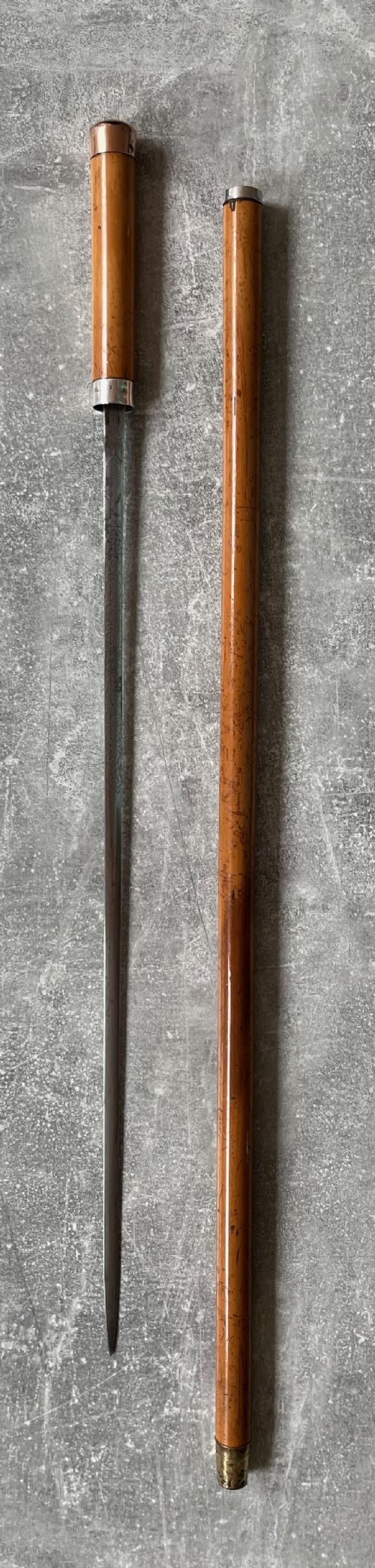
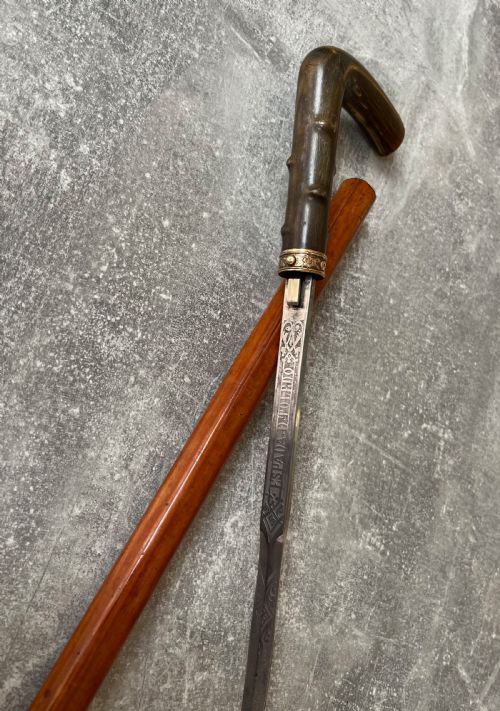
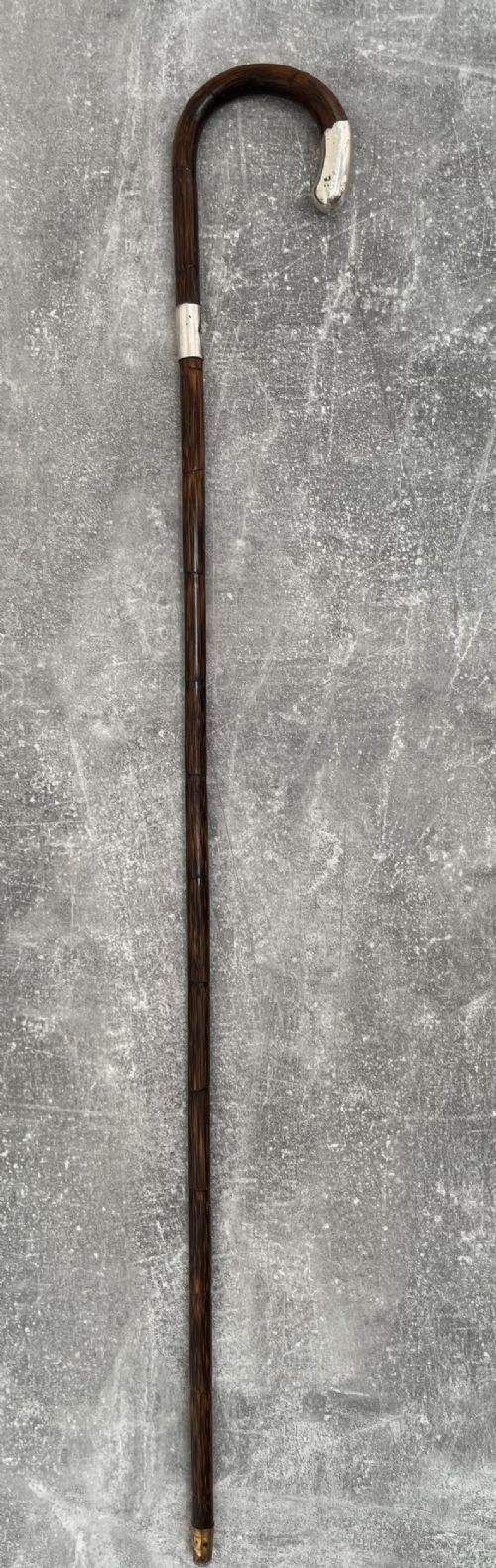
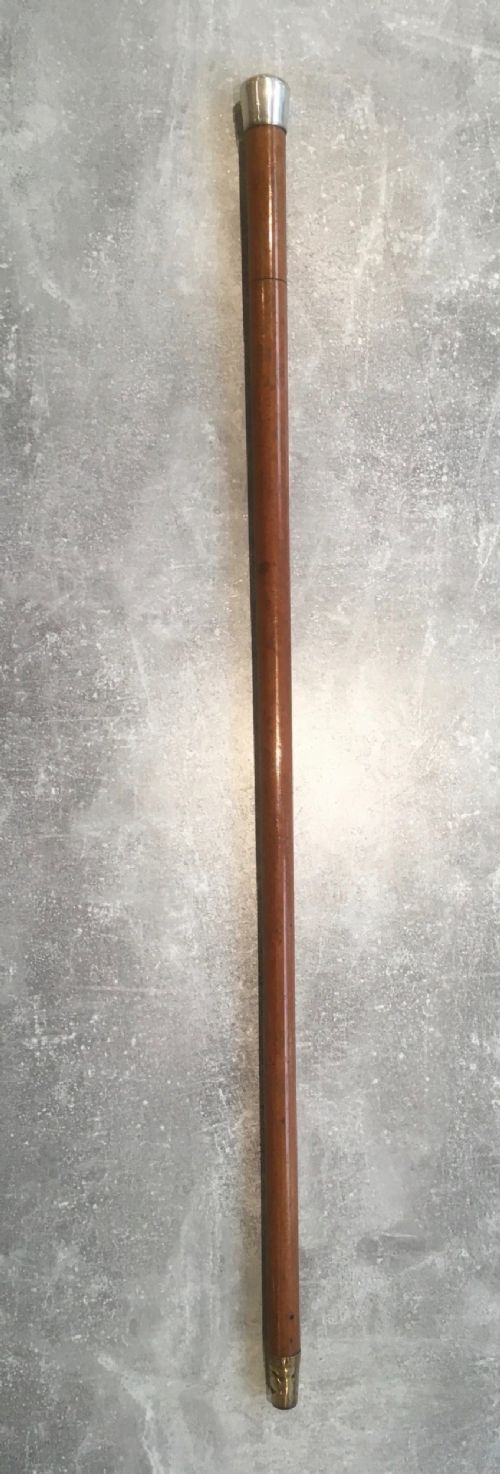
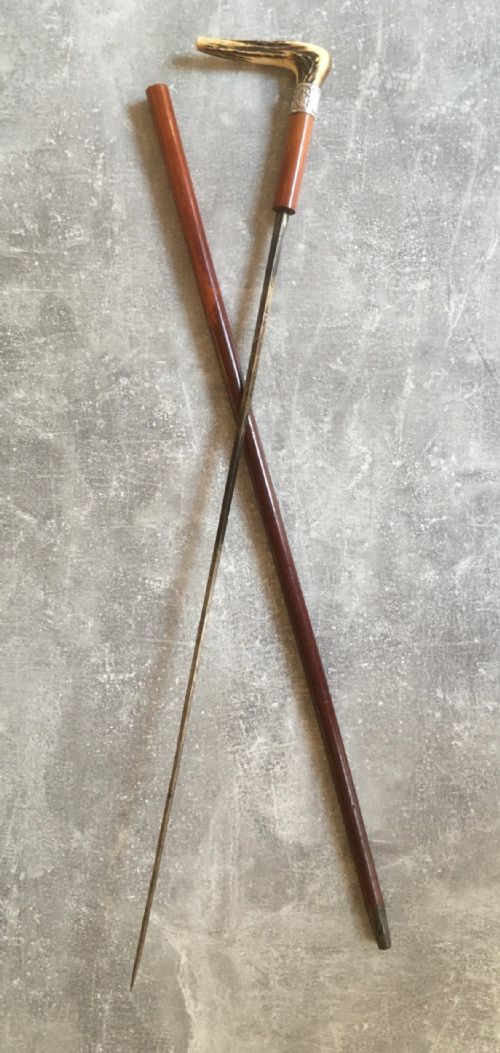
A victorian malacca cane is typically encountered as a functional walking stick or a concealed sword stick dating from the nineteenth century into the Edwardian period. The selection includes crook handled pieces, horn handles, antler grips, and intricate carved animal forms such as hound heads.
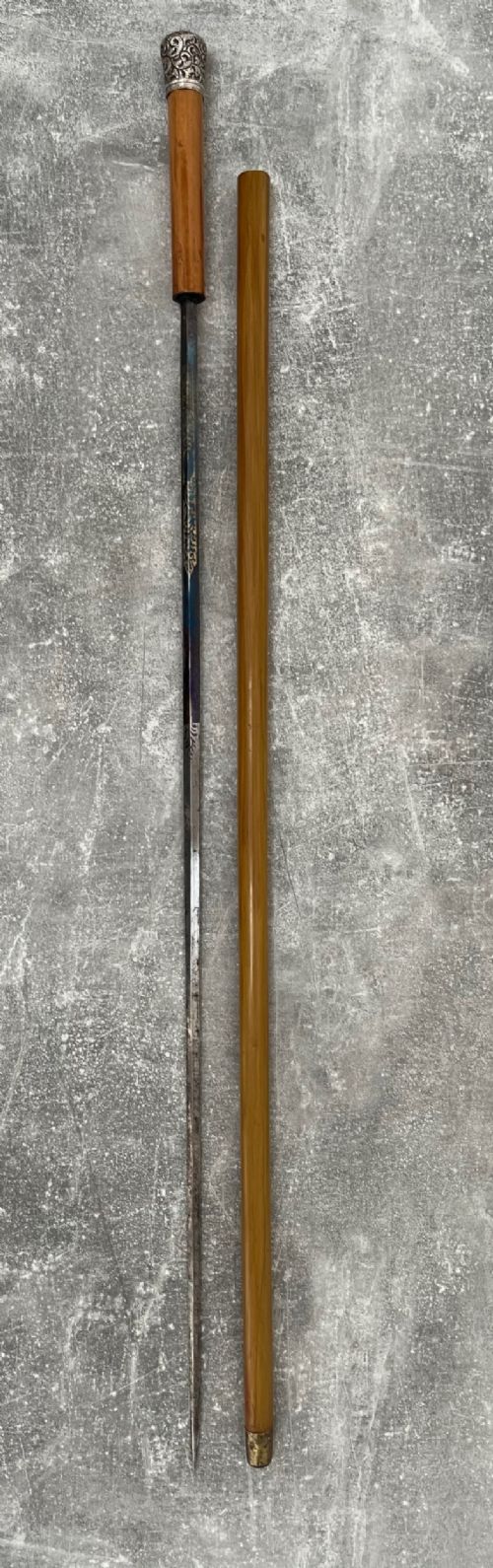
Makers shaped these supports using imported stems paired with metal blades or decorative mounts. Buyers frequently meet sword sticks fitted with Toledo or Wilkinson blades alongside standard walking canes featuring silver collars.
Origin details extend from British workshops to Chinese Export pieces created during the same decades. The forms range from plain straight shafts to elaborate crook handled designs intended for formal carriage.
Materials and Construction
Makers utilised resilient malacca cane for the main shaft, valued for its distinctive nodular rings and durability. This natural material was straightened and fitted with handles fashioned from horn, bone, antler, or carved ivory.
Metal components involved steel for the concealed blades, often etched or bearing maker marks from blade-smiths. Mounts, collars, and tops relied on sterling silver, gold, and brass, secured with button release mechanisms.
The recorded inventory includes pieces spanning the Victorian and Edwardian periods, utilising materials such as silver, steel, malacca cane, brass, horn, gold, and bone.
Judging Quality and Execution
Quality rests in the precision of the handle attachment and the integrity of the malacca shaft. Superior examples display crisp chasing on silver repousse knops and tight joints between the handle and the cane body.
Blade quality distinguishes standard walking supports from military or gentleman personal defence pieces. High-grade items incorporate signed steel blades with clear etching rather than plain industrial stock.
The Victorian Malacca Cane Glossary
- Malacca
- A natural palm stem imported from Southeast Asia, known for its rich brown colour and characteristic raised joints. It forms the flexible yet sturdy body of these sticks.
- Knop
- A rounded knob or decorative handle fitted to the top of a walking stick. It provides a secure grip for the hand.
- Collar
- A metal band, usually sterling silver, fitted around the upper shaft below the handle. It reinforces the wood and often bears hallmarks.
- Toledo Blade
- A steel blade produced in Toledo, Spain, renowned for flexibility and strength. These blades were frequently imported for British sword sticks.
- Crook Handled
- A shaft shape curved at the top into a hook. This design allowed the stick to be hung over a forearm or rail.
Victorian Malacca Cane: Frequently Asked Questions
What is a malacca cane?
A malacca cane is a walking stick fashioned from the stem of the Calamus rotang palm, recognised by its segmented nodes. These shafts were prized for strength and appearance during the nineteenth century.
Many of these sticks conceal steel blades or feature decorative silver mounts, serving both as gentleman accessories and practical personal protection.
How do I date a cane?
Dating relies on hallmarks stamped on silver collars, stylistic markers of the handle design, and blade inscriptions. Records often point to the Victorian and Edwardian eras.
Examining the materials, such as carved ivory or specific silver London date letters, narrows the production window to precise decades.
Were these used as weapons?
A significant portion of these pieces function as sword sticks, housing a concealed steel blade within the malacca shaft. Button releases and screw mechanisms secure the blade safely inside.
Others served strictly as traditional walking supports or novelty items featuring carved hound heads and antler grips.
How should I display a cane?
Canes are best exhibited in umbrella stands, wall-mounted racks, or dedicated display cabinets that prevent warping. Stable indoor humidity protects the natural cane and metal mounts.
Keeping the pieces away from direct heat sources ensures the malacca remains supple and the silver or gold components retain their condition.