



Victorian Mahogany Trinket Chest
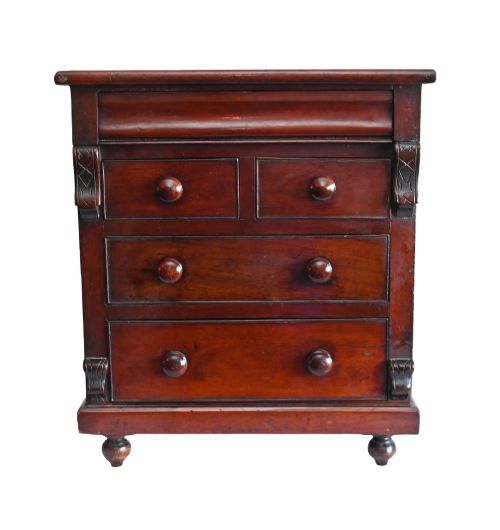
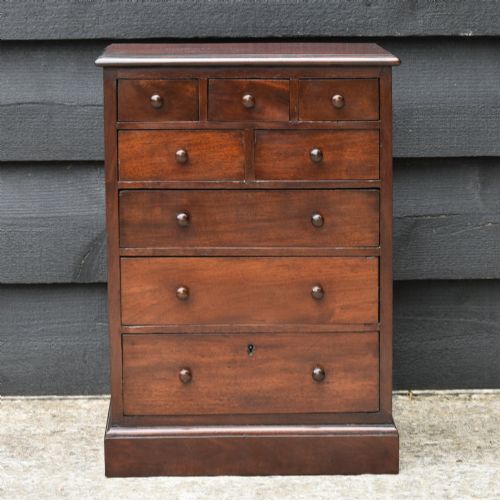
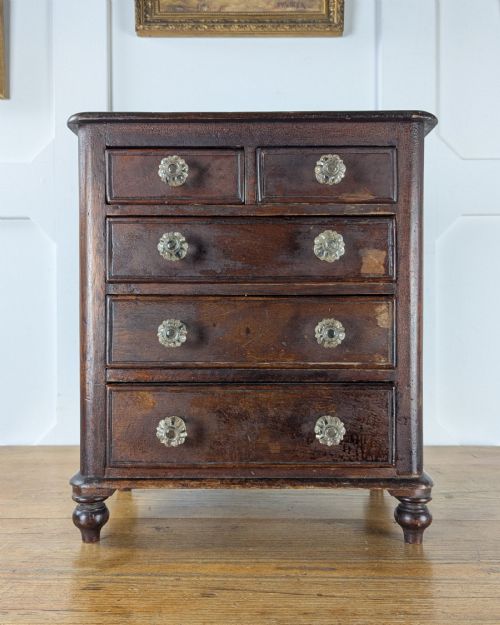
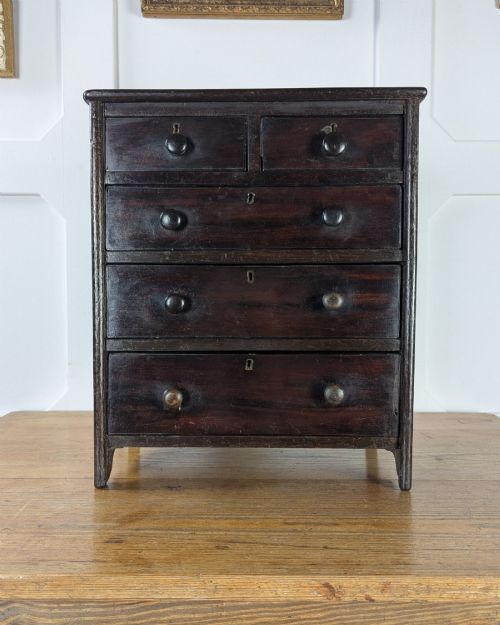
A victorian mahogany trinket chest is a small-scale masterwork of cabinet-making, offering clever storage for keepsakes and jewellery.
Victorian Mahogany Trinket Chest
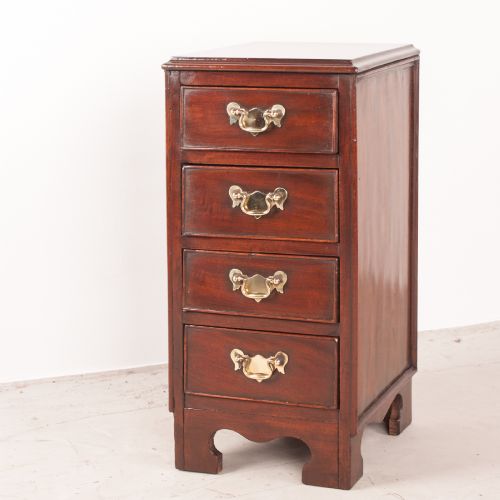
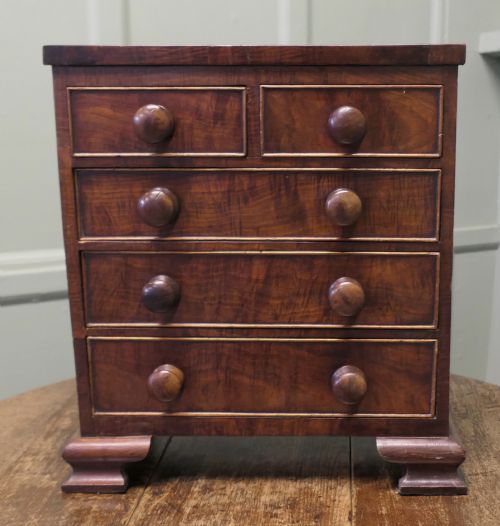
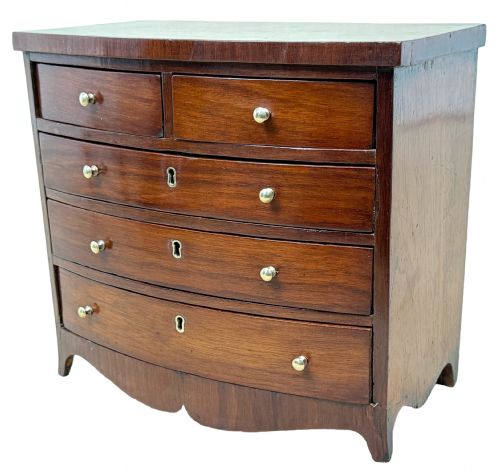
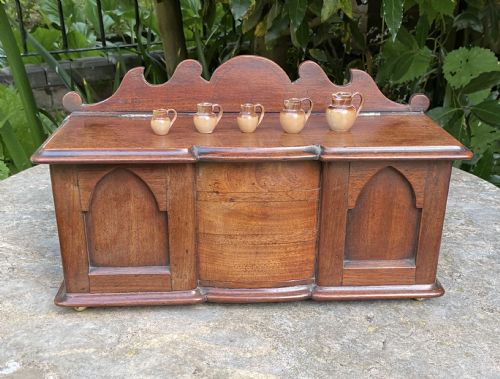
When you search for a victorian mahogany trinket chest, you encounter a variety of small-scale forms primarily built as miniature chests of drawers or apprentice pieces. These diminutive pieces mirror the larger household furniture of the Victorian and Georgian eras, often featuring graduated drawers and turned feet.
Materials and construction
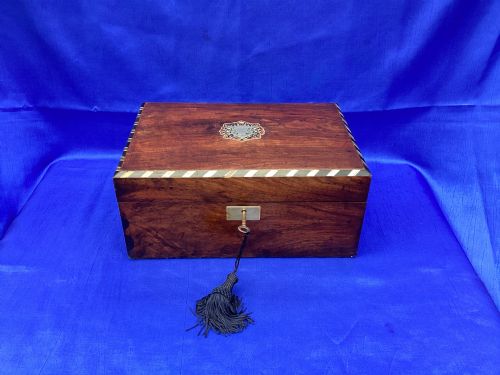
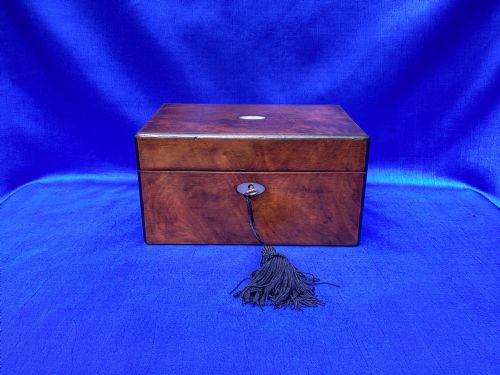
Makers utilised dense, richly grained mahogany as the primary timber, sometimes enhancing the surfaces with inlaid mother-of-pearl or boxwood stringing. Carcass construction relied on traditional joinery techniques, ensuring the tiny drawers operated smoothly within their frames.
Metal fittings such as brass handles, escutcheons, and hinges provide functional accents against the dark wood. Turned feet and subtle bowfront shapes further demonstrate the cabinet-maker's adherence to full-scale architectural styles.
Listings span multiple nineteenth-century decades, incorporating brass, boxwood, and mother-of-pearl alongside solid mahogany.
Judging the standard
Quality rests heavily on the crispness of the proportions and the fidelity with which the piece replicates full-sized furniture. Finer examples display meticulous attention to dovetail joinery on the tiny drawers and a deep, warm patina on the mahogany surface.
The selection of secondary timbers and the refinement of brass hardware or inlay distinguish superior workshop production from simpler utilitarian boxes. Proportion and restraint separate pieces made as serious cabinet-makers' demonstrations from later decorative adaptations.
The Victorian Mahogany Trinket Chest Glossary
- Apprentice piece
- A small-scale item created by a trainee craftsman to demonstrate mastery of joinery before joining a guild. These pieces often mimic full-sized chests of drawers.
- Bowfront
- A curved front facade that swells outwards in the centre. This shape requires advanced woodworking skill to execute neatly on a miniature scale.
- Patina
- The deep, lustrous surface sheen developed by mahogany over decades of handling and polishing. It serves as a visual indicator of age and care.
- Escutcheon
- A small protective plate surrounding a keyhole, usually fashioned from brass. On trinket chests, these details scale down gracefully to match the diminutive proportions.
Victorian Mahogany Trinket Chest: Frequently Asked Questions
What were apprentice pieces actually used for?
Cabinet-makers created apprentice pieces to prove their technical proficiency to master craftsmen. Once completed, these miniature chests served functional roles in the home as trinket storage or jewellery boxes.
Over time, their charming scale ensured they remained valued household objects long after their original testing purpose had passed.
How do I distinguish Georgian from Victorian chests?
Georgian pieces tend to feature restrained classical lines, often incorporating straight brackets or simpler bracket feet. Victorian examples frequently introduce bolder architectural elements, such as turned feet and bowfront contours.
Examining the internal construction and secondary woods often provides further clues to the specific decade of manufacture.
Where should I place a miniature chest at home?
These compact chests suit tabletops, dressing tables, or deep windowsills where their fine details can be appreciated up close. Their modest footprint allows them to sit comfortably on top of larger sideboards or chests.
They function practically for storing modern rings, cufflinks, and small keepsakes away from dust.
Did these chests always have locks?
Many miniature chests and jewellery boxes included working brass locks to protect valuables. The presence of a keyhole escutcheon usually indicates a locking mechanism was fitted.
Not all small storage boxes required locks, particularly simpler sewing boxes or open-topped trinket containers.