

Victorian Mahogany Pedestal Column
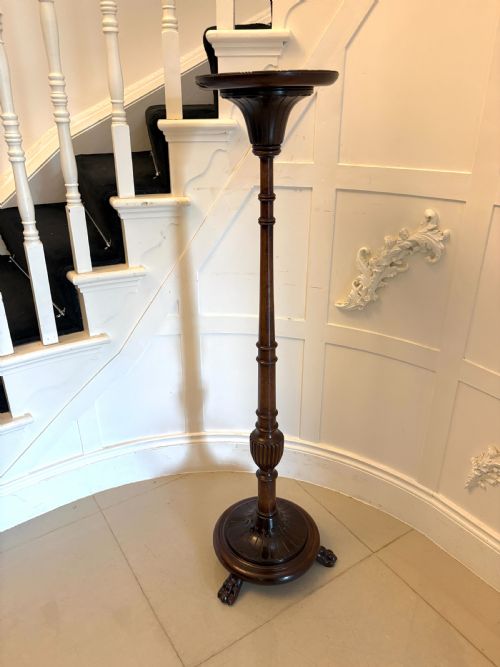
A victorian mahogany pedestal column supports a bust, lamp or plant, bringing height and proportion to a room.
Victorian Mahogany Pedestal Column
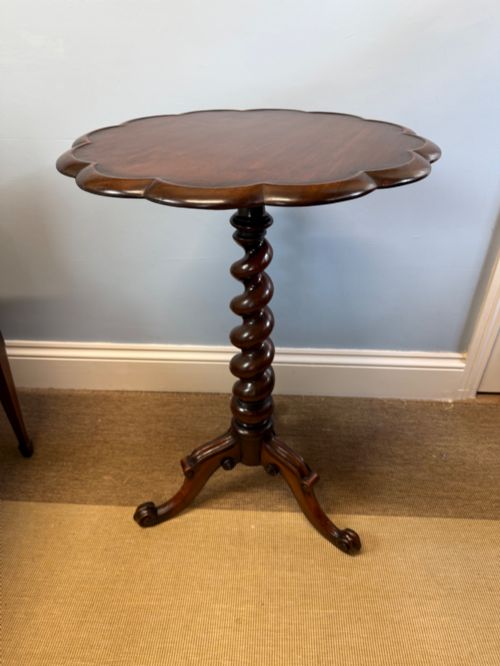
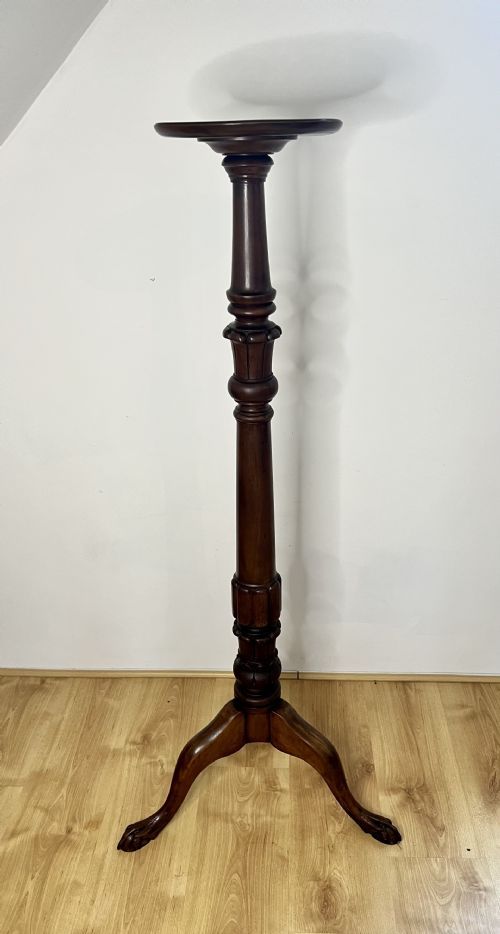
A victorian mahogany pedestal column serves primarily as a torchère, plant stand or display support for decorative objects within the nineteenth-century interior. These pieces emerge across the nineteenth century, including specific dates from eighteen-fifty to nineteen-hundred, alongside revival iterations.
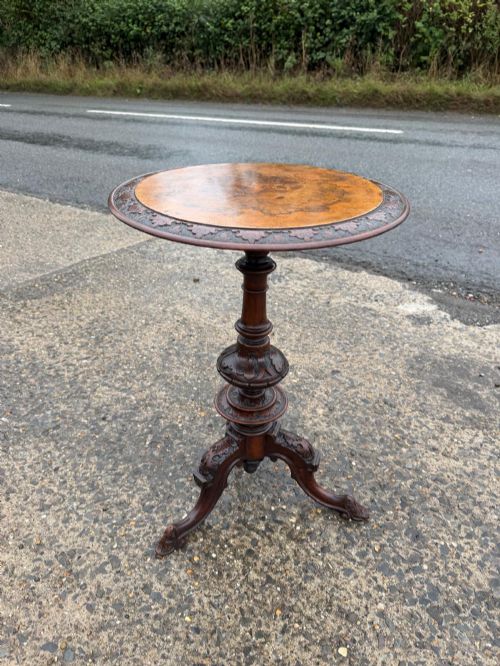
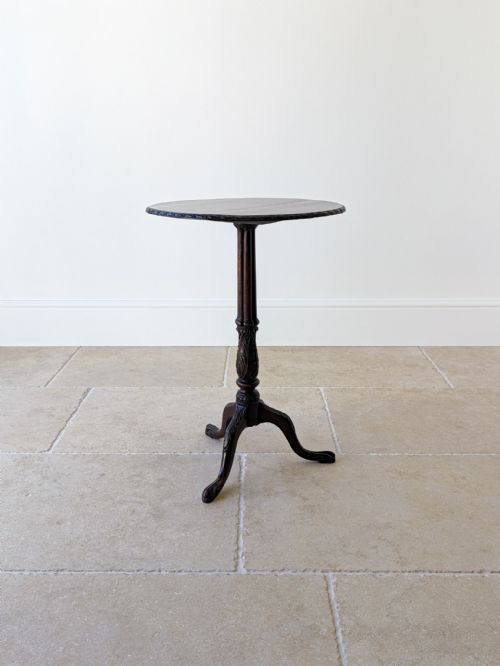
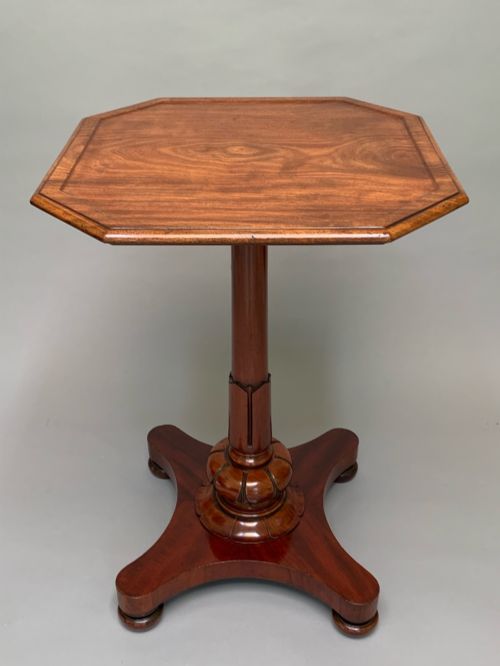
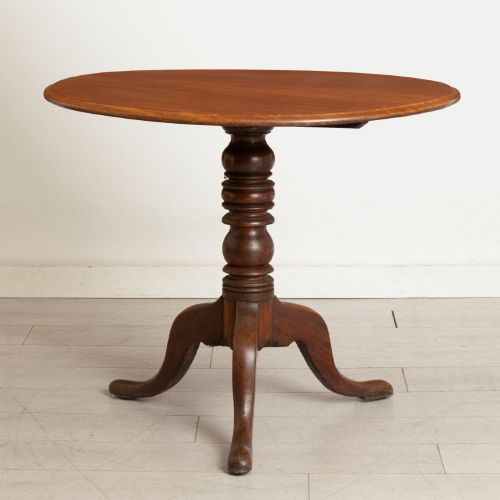
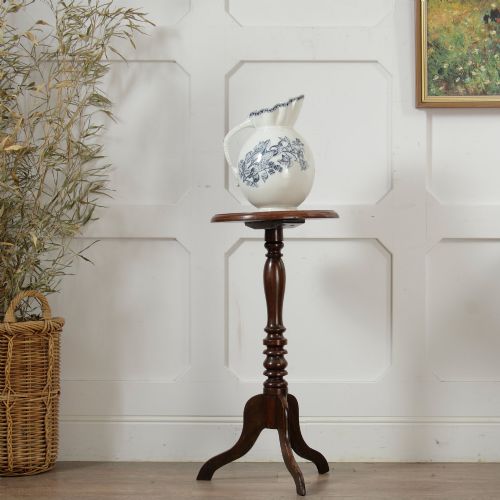
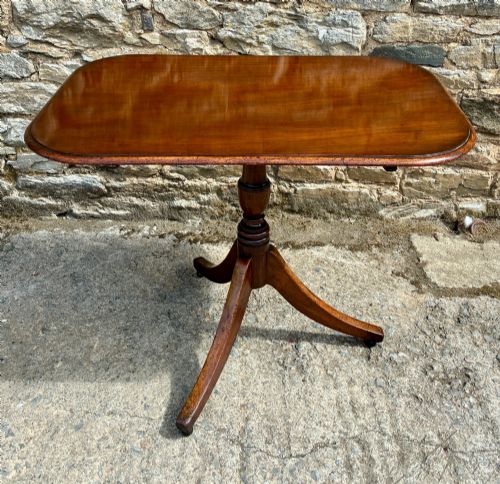
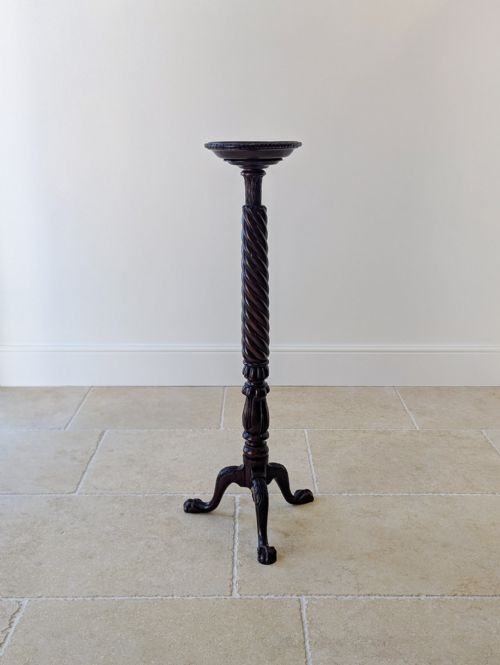
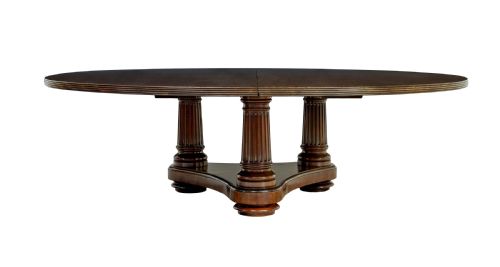
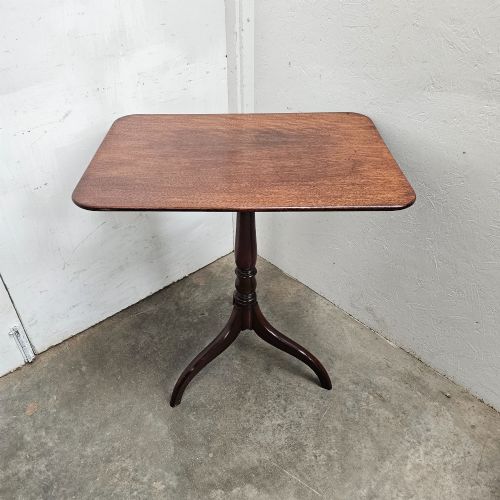
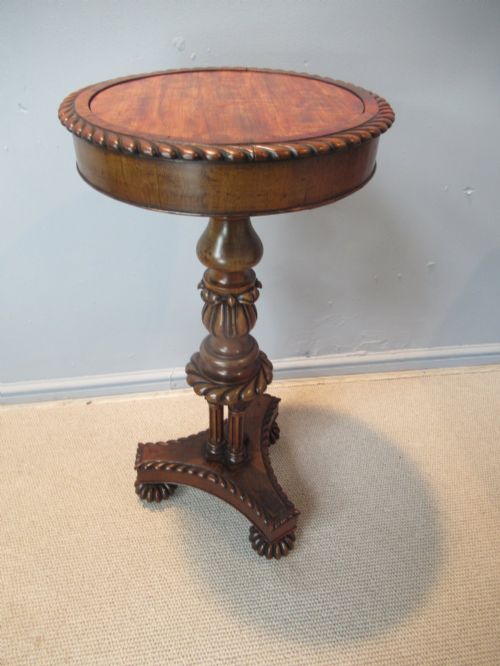
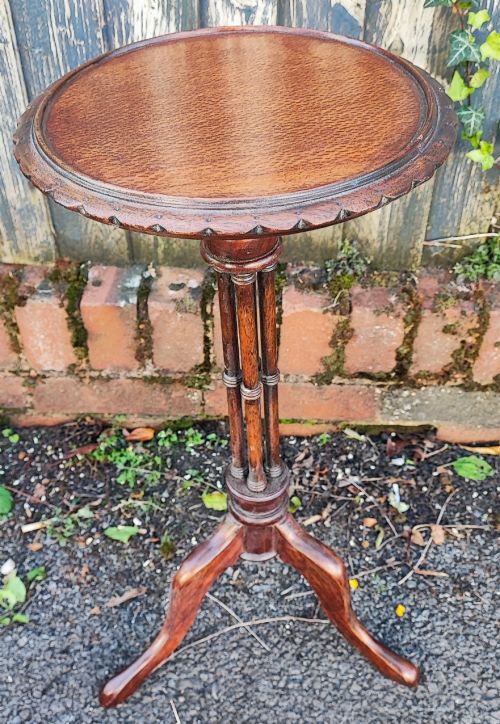
Buyers encounter forms ranging from tripod wine tables and occasional tables to tall torchères and carved display columns. The typical example utilises sturdy timber construction designed to elevate lamps, busts or botanical specimens.
Makers fashioned these supports in various revival idioms, such as Chippendale and Georgian, reflecting the eclectic tastes of the period. The selection on this page demonstrates how domestic furniture adapted to hold specific display items.
Materials and construction methods
Makers relied heavily on mahogany as the primary timber, occasionally pairing it with burr wood veneer or mixed specimen woods to add visual interest to tabletops and columns. Secondary materials like brass and marble appear regularly, providing contrasting surfaces and structural accents.
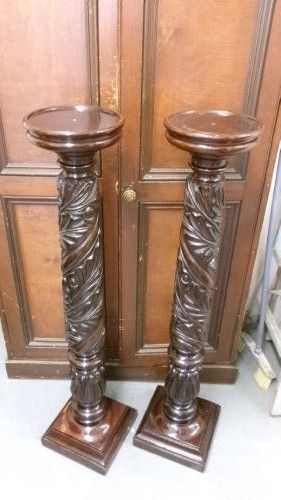
Joinery and turning techniques created stable tripod bases and upright fluted or turned shafts capable of supporting weight despite slender proportions. Craftsmen incorporated tilt-top mechanisms and carved detailing to enhance both the utility and decorative appeal of the stands.
Some columns doubled as silent footmen, waiting patiently to hold a cup of tea near a Victorian armchair.
What separates examples
The degree of hand-carved ornamentation on the shaft and base distinguishes finer workshop output from simpler utilitarian pieces. Crisp detailing in the woodwork and the selection of figured mahogany timber indicate superior craftsmanship.
Proportion and stability remain crucial, where well-balanced tripod legs and solid marble or timber tops demonstrate careful design. The integration of secondary materials like brass fittings elevates the overall execution of the stand.
The Victorian Mahogany Pedestal Column Glossary
- Torchère
- A tall ornamental stand designed to hold a lamp, candle or decorative urn. These stands often feature slender columns supported by tripod bases.
- Tripod base
- A three-legged support structure commonly found on nineteenth-century tables and plant stands. This configuration ensures stability on uneven floor surfaces.
- Tilt-top
- A tabletop hinged to the pedestal column so it can be folded down when not in use. This mechanism allowed tables to be stored flat against walls.
- Specimen wood
- Timber collected from various exotic or domestic species and used together in decorative woodwork. Such woods create patterned surfaces on occasional tables.
- Plinth
- The heavy base section of a column or pedestal that provides foundational support. It anchors the vertical shaft and adds visual weight to the design.
Victorian Mahogany Pedestal Column: Frequently Asked Questions
What was a pedestal column used for?
These tall stands supported oil lamps, heavy table lamps, bronze busts or potted plants within domestic drawing rooms and hallways. Their height brought decorative items up to eye level.
They functioned primarily as display furniture rather than utilitarian surfaces for writing or dining. Country houses utilised matched pairs of torcheres to frame architectural doorways or fireplaces.
How do I identify a Victorian piece?
Look for characteristic nineteenth-century timber choices such as solid mahogany and burr wood veneers combined with traditional hand-turned joinery. Stylistic markers often include revival motifs referencing Georgian or Chippendale aesthetics.
Construction methods typically involve pegged joints and heavy tripod bases designed to provide stability for elevated display items. Exact dating relies on matching specific decorative turns and carved details to the broader Victorian era.
Are these columns stable enough for lamps?
The heavy tripod bases and weighted timber construction provide reliable support for standard table lamps and heavy decorative objects. Their design distributes weight effectively across three points.
Care should be taken with exceptionally tall torcheres in homes with active children or pets. Placing them out of high-traffic pathways ensures safe daily use.