




Victorian Mahogany Music Rack
A victorian mahogany music rack brings proper timber and clever engineering together to hold folios and sheets where they belong.
Victorian Mahogany Music Rack
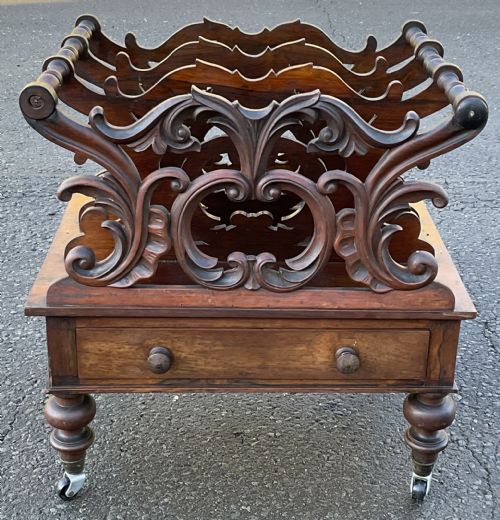
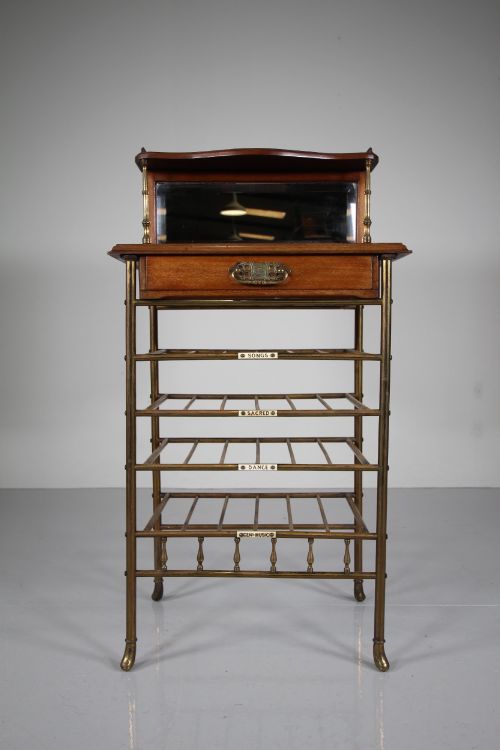
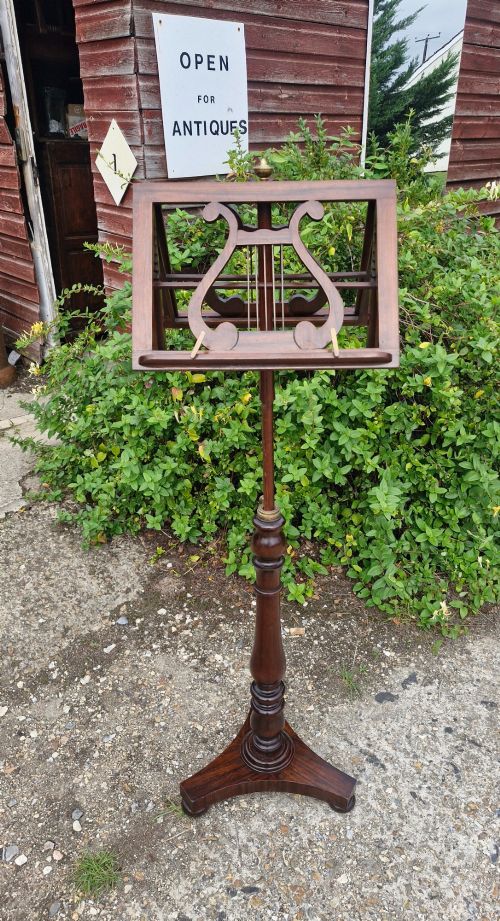
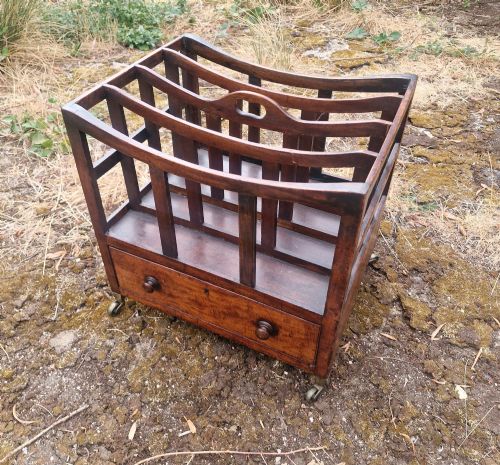
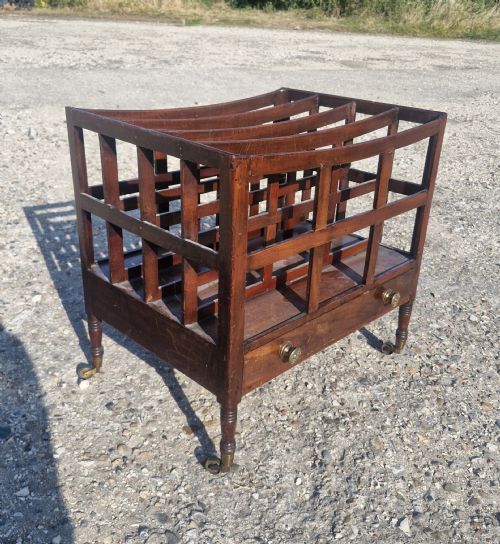
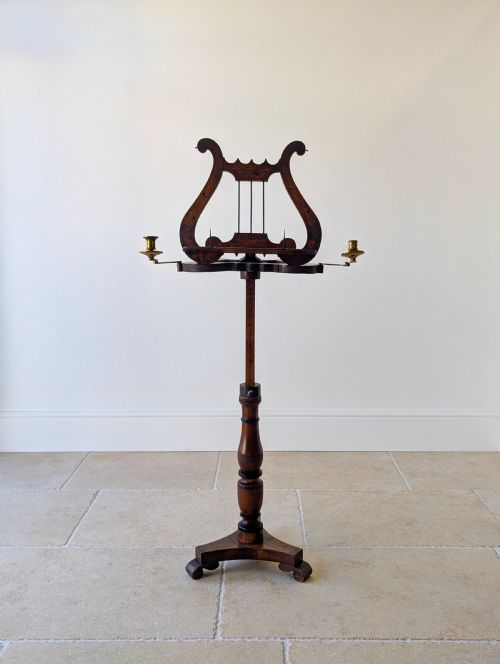
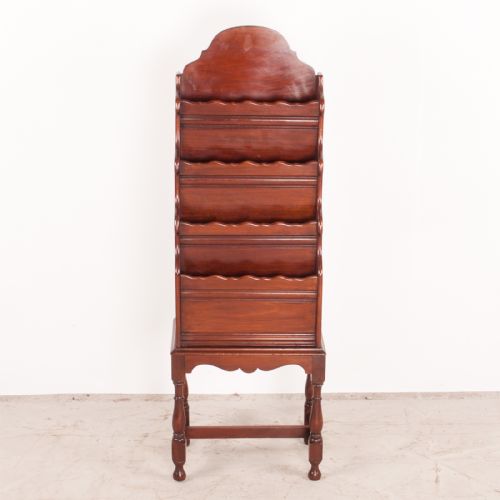
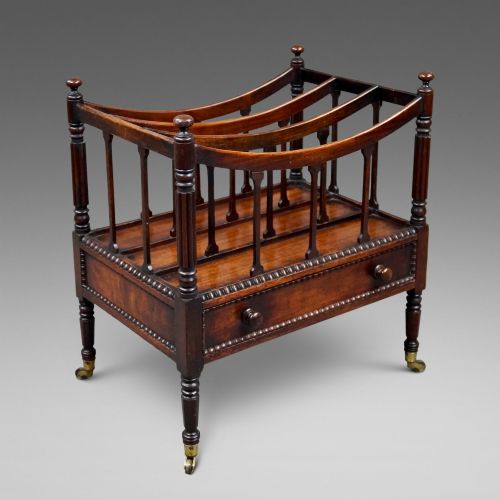
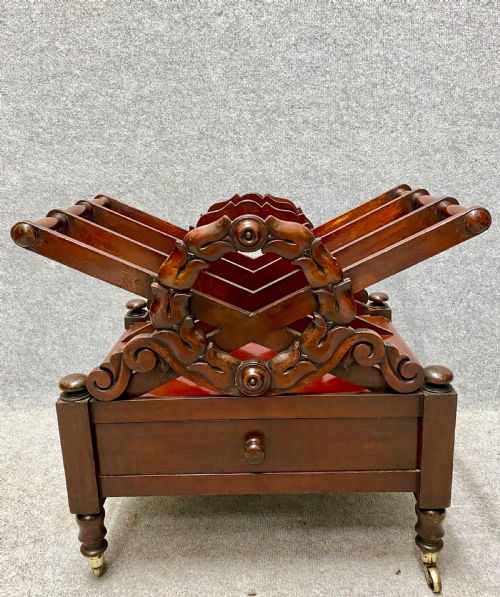
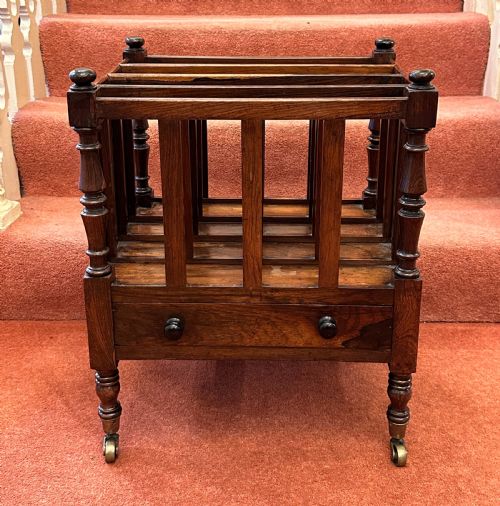
A victorian mahogany music rack encompasses a distinct group of furnishings designed for holding folios, newspapers, and sheet music in nineteenth-century drawing rooms and parlours. These pieces appear in several specific forms across this selection, including adjustable stands, music cabinets, and partitioned compartments known as canterburys.
The objects span multiple stylistic revivals and periods, stretching from the Regency era through to the late Victorian decades and Edwardian years. Mahogany serves as the principal timber, often paired with brass fittings, leather details, and rosewood elements to create functional pieces for the home.
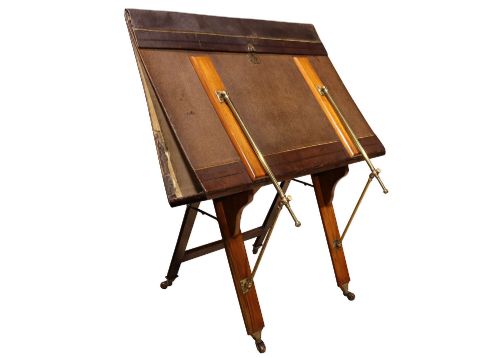
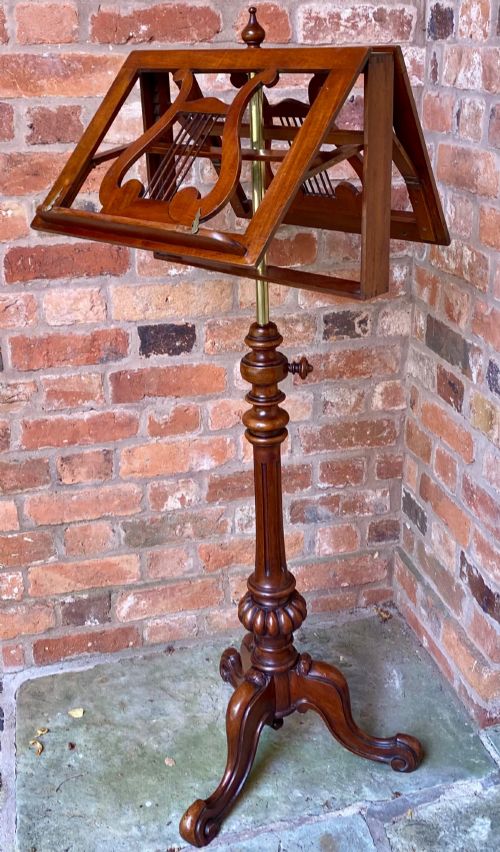
Buyers seeking a victorian mahogany music rack will encounter standard floor-standing canterburys with pierced scroll divisions alongside more complex duet stands and folding folio holders. Each form reflects the domestic habits of musicians and readers who required tidy storage for large paper items.
What Varies in Quality
The standard of a victorian mahogany music rack depends heavily on the crispness of its joinery, the execution of any pierced scroll divisions, and the integrity of its timber. Superior examples display thoughtful proportions and robust construction that withstands the weight of stacked folios.
Hardware and mechanics set apart finer pieces from simpler workshops, especially in adjustable music stands and canterburys fitted with drawers and original brass castors. The quality of the mahogany grain and the precision of the turning on the legs dictate the distinction between ordinary utility items and high-grade furnishings.
Victorian Mahogany Music Rack Retail Price Guide 2026
Typical asking prices for victorian mahogany music rack among the pieces listed under this phrase on Sellingantiques today, from the lower quarter to the upper quarter. They describe what is for sale here now, not the wider market.
Listings demonstrate forms ranging from simple four-section canterburys to complex adjustable duet stands, incorporating mahogany, brass, and rosewood across the nineteenth and early twentieth centuries.
Howard and Sons of London
The Victorian Mahogany Music Rack Glossary
- Canterbury
- A low stand with upright partitions used originally for holding sheet music and later for newspapers and magazines. These pieces often feature a drawer beneath the slatted divisions and rest on castors.
- Folio stand
- A piece of furniture designed to hold large sheets of paper, prints, or music books, frequently built with adjustable angles and brass ratchets. They allow musicians or artists to display open folios at a convenient height.
- Etagere
- A set of open shelves supported by small columns, used for displaying ornaments or holding books and papers. The form provides multiple tiers for storage within a compact footprint.
- Lyre-form
- A decorative motif shaped like an ancient stringed musical instrument, commonly incorporated into the central support of music stands and canterburys. This stylistic touch signals the specific musical purpose of the furniture.
- Inlay
- The technique of inserting pieces of contrasting timber or other materials into depressions carved in the base wood to form decorative patterns. It adds visual complexity to flat surfaces on cabinets and stands.
Victorian Mahogany Music Rack: Frequently Asked Questions
What is a canterbury used for?
A canterbury functions as a low storage stand specifically designed to keep sheet music, folios, and newspapers organised in upright divisions. The lower section frequently includes a small drawer for smaller accessories.
Historically placed beside a piano or in a drawing room, these pieces kept heavy paper collections neat and accessible for daily use by musicians.
How do adjustable music stands work?
Adjustable music stands utilise brass ratchets, screws, and sliding stems to alter the height and angle of the reading ledge. This mechanism allowed musicians to adapt the stand for standing or sitting performances.
Original brass fittings and smooth mechanical movement indicate careful period manufacture and proper maintenance over the lifetime of the piece.
Can these racks hold modern magazines?
These racks accommodate modern magazines and large books comfortably within their partitioned wooden divisions or open frame structures. The dimensions of nineteenth-century paper formats generally match contemporary publication sizes.
Placing these items in living spaces provides functional storage while retaining the decorative character of the original woodwork.
How do I date a mahogany stand?
Dating relies on examining the construction methods, timber selection, brass hardware styles, and overall design characteristics. Regency and William IV pieces display distinct proportions and decorative motifs compared to later Victorian or Edwardian examples.
Turned feet, joinery details, and the presence of makers' marks or specific hardware types help narrow down the production era.