
Victorian Mahogany Library Cabinet
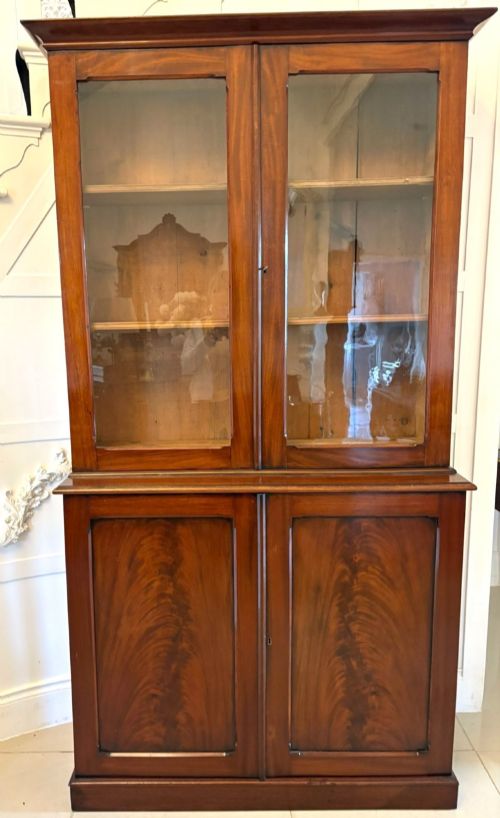
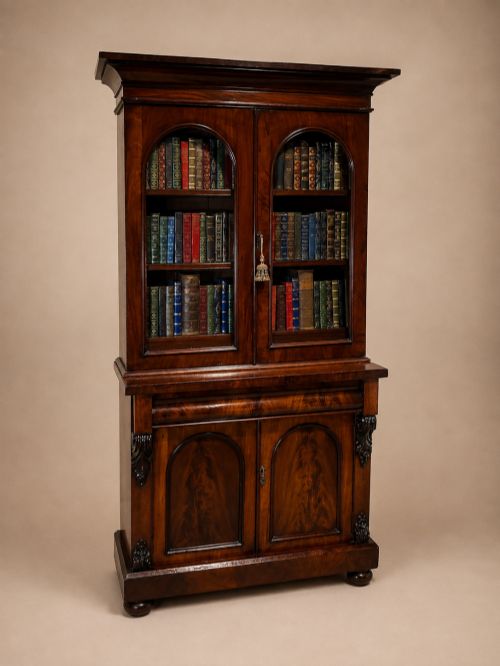
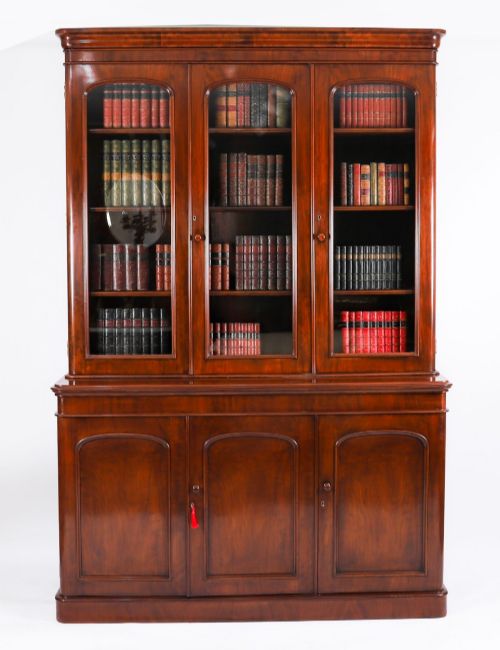
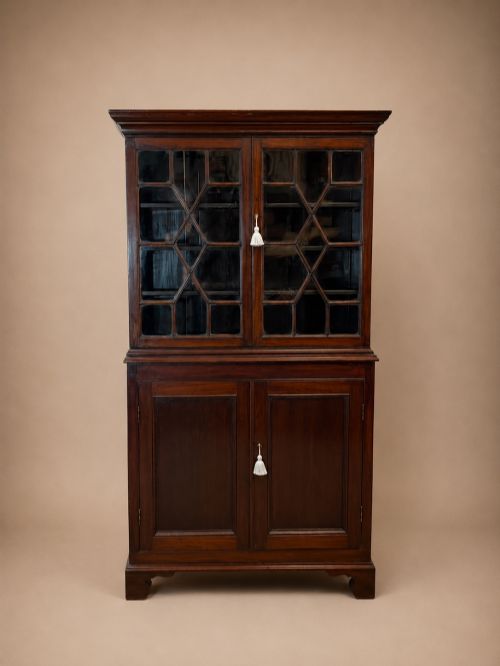
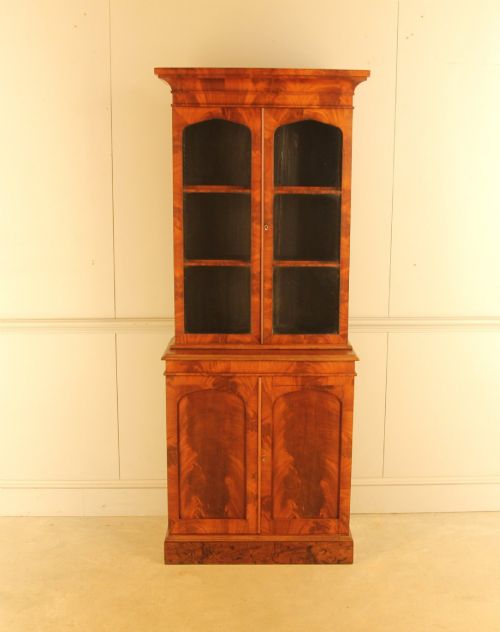
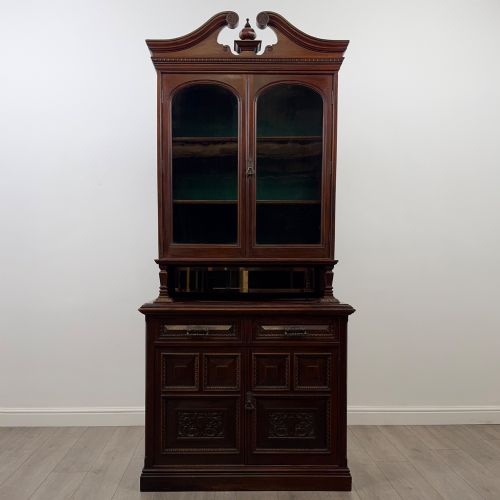
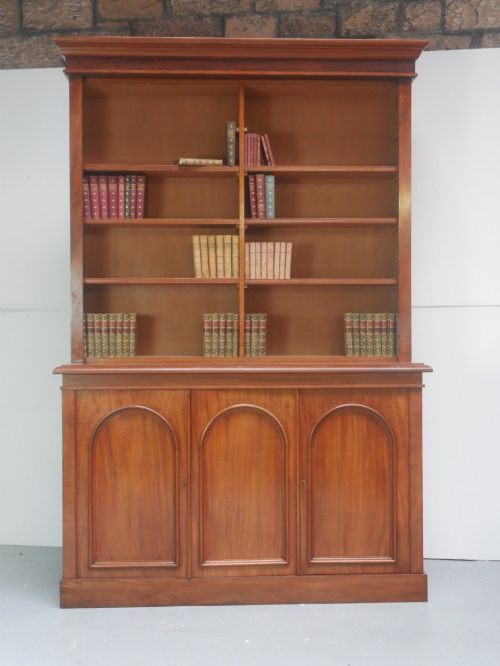
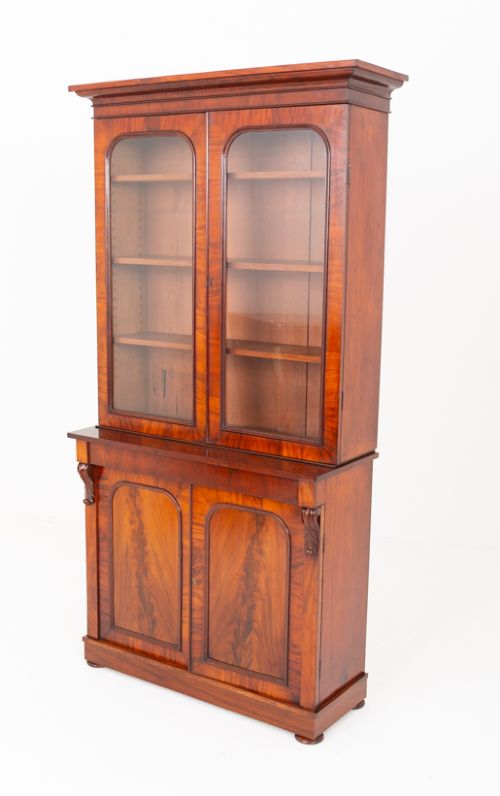
A victorian mahogany library cabinet brings solid timber and functional storage together, offering a dependable home for books and papers.
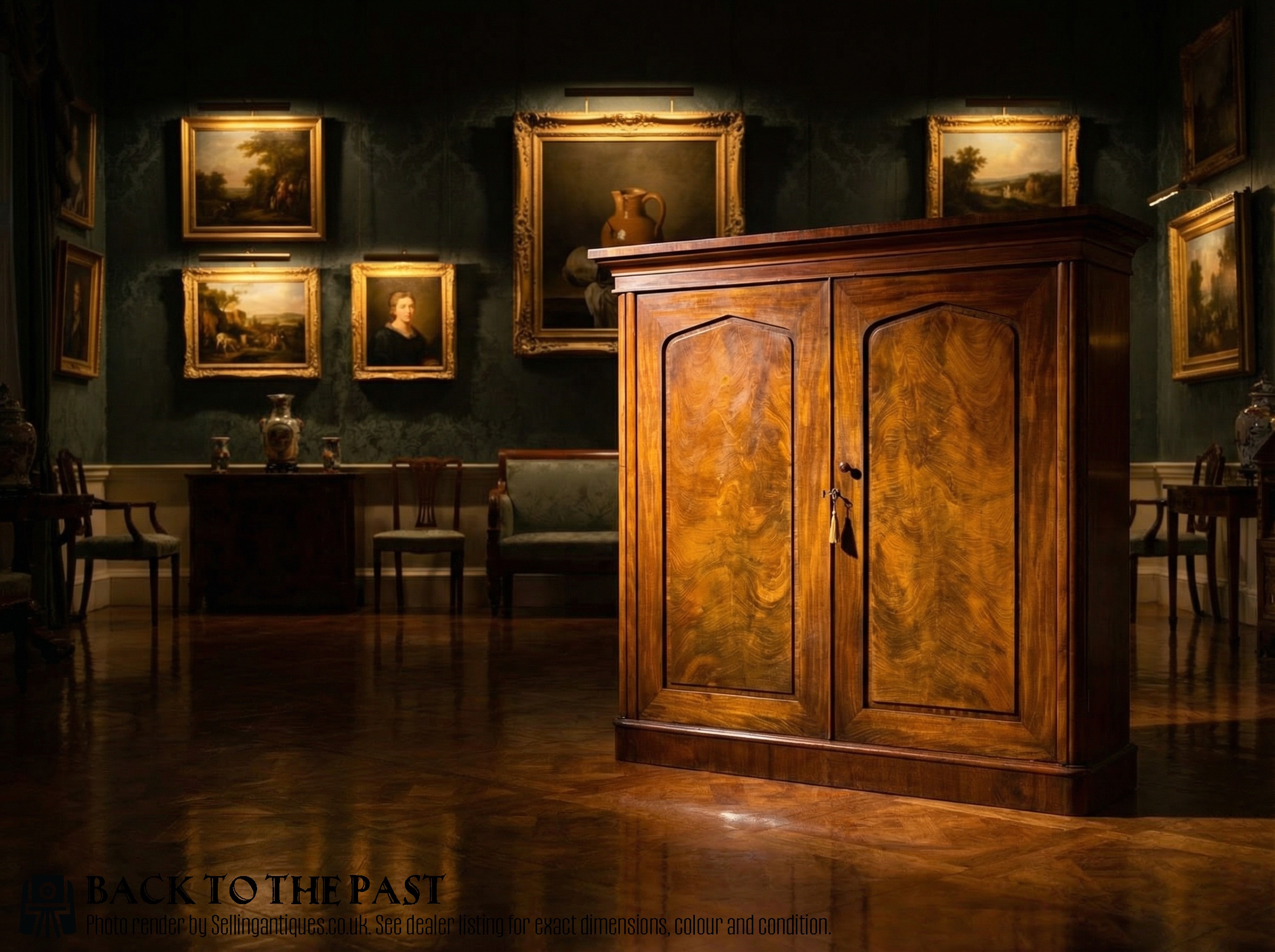
Victorian Mahogany Library Cabinet
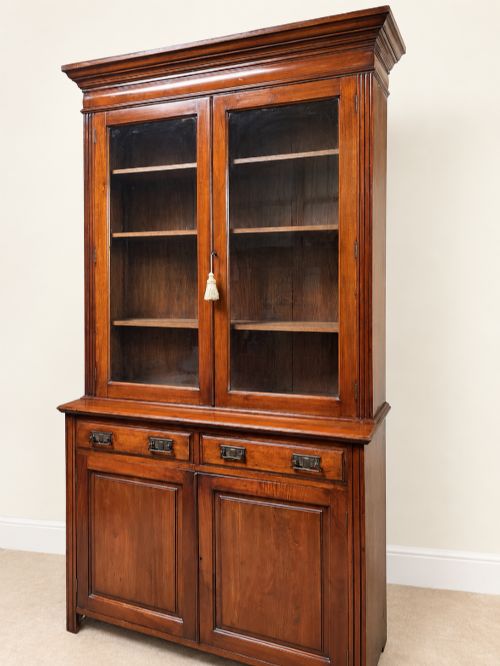
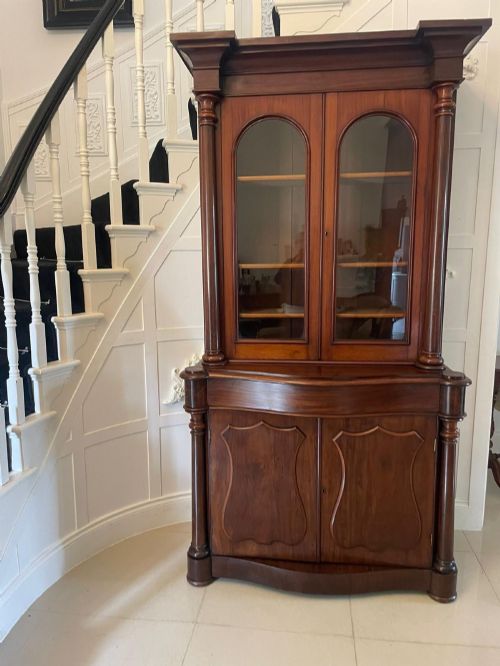
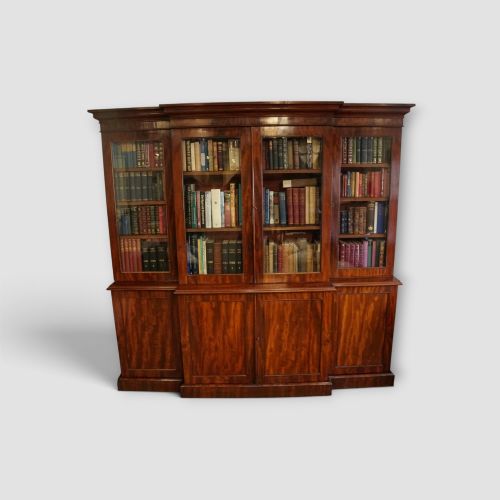
A victorian mahogany library cabinet combines substantial storage with a dedicated workspace or display area, taking forms such as breakfront bookcases, secretaires, and glazed cabinet chests. These pieces typically originate from the nineteenth century, spanning decades from the eighteen fifties to nineteen hundred, and reflect styles including Gothic Revival and William IV alongside standard Victorian production.
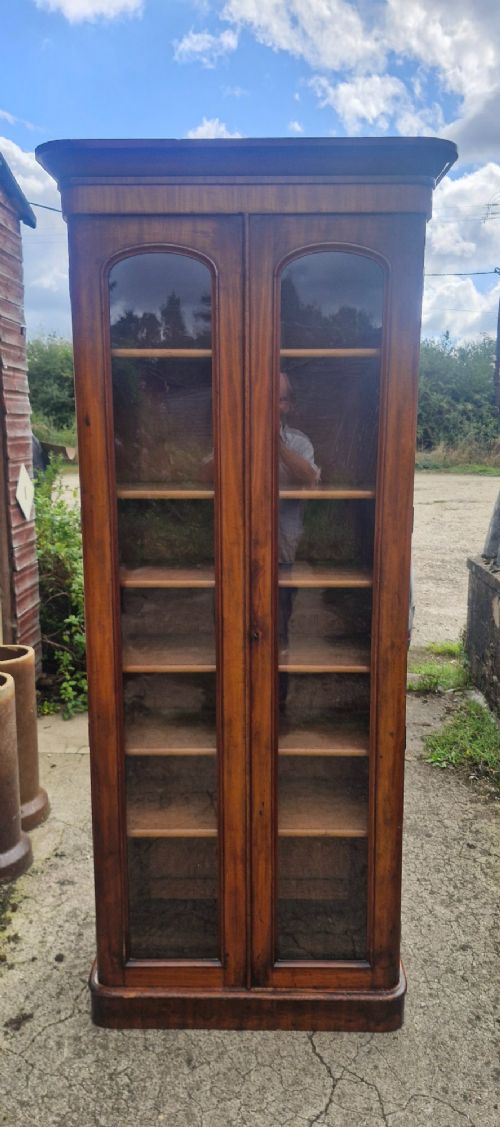
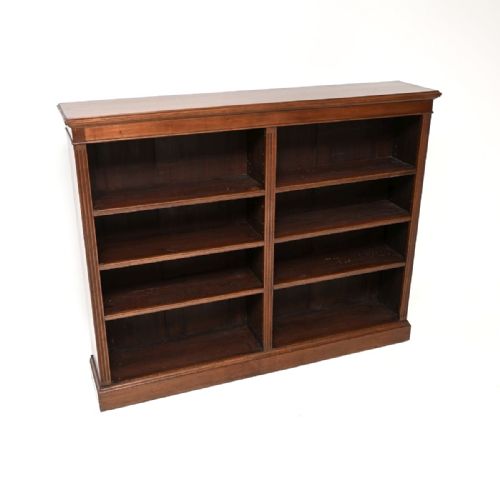
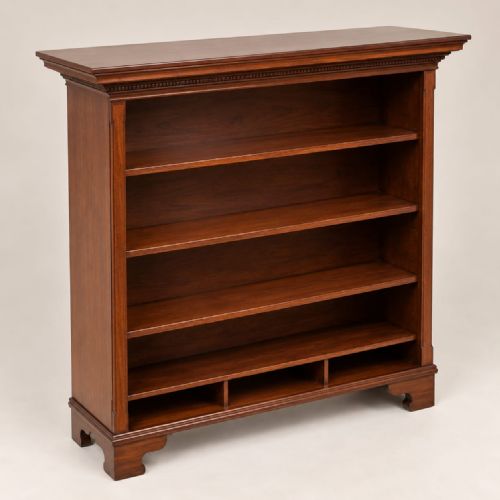
Buyers most frequently encounter large glazed library bookcases with adjustable shelving, two-door lower cupboards, and breakfront profiles. Smaller open bookcases and specialised specimen desks also appear among the records, though the tall library cabinet with glazed upper doors remains the most common format.
Materials and construction
Makers built these cabinets primarily using solid mahogany and flame mahogany veneer, selecting figured timber for drawer fronts and prominent panels to display rich grain patterns. Secondary materials include glass for glazed doors, brass for castors and hardware, and occasionally leather edgings on shelves.
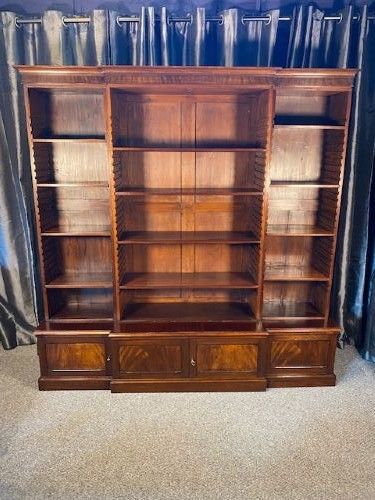
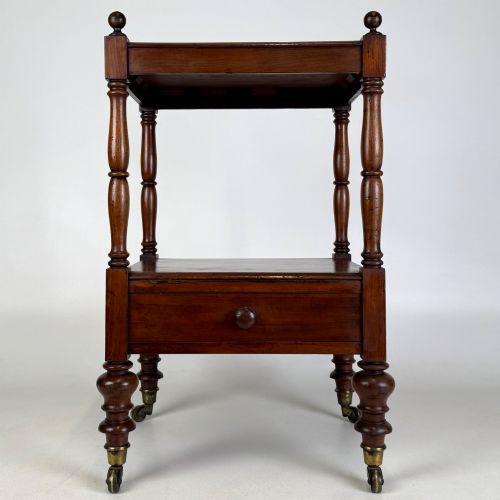
Construction techniques focus on structural utility, incorporating adjustable shelving systems, astragal glazing bars, and breakfront carcasses. Workshops also integrated brass castors to allow movement of heavy library pieces across wooden floors.
Listings feature nineteenth-century mahogany library furniture, ranging from eighteen fifty cabinet chests to nineteen hundred glazed breakfront bookcases.
Assessing the standard
Quality rests heavily on the selection of timber, where striking flame mahogany veneer and consistent figuring elevate a piece above plain stock. The depth of architectural moulding and the crispness of carved details, such as those found on Gothic Revival or Chippendale Revival examples, also distinguish finer cabinets.
Internal refinement marks the upper tier, including well-fitted adjustable shelving, leather-edged boards, and integrated secretaire drawers with organised pigeonholes. Proportion and scale govern the visual success of larger breakfront and glazed designs.
Morison and Co·Robert Strahan Dublin
The Victorian Mahogany Library Cabinet Glossary
- Breakfront
- A cabinet design where the central section projects forward from the flanking wings, creating a layered architectural façade. This layout breaks up the mass of large library furniture.
- Flame mahogany veneer
- A thin slice of timber cut from the point where branches join the main trunk, producing a characteristic flickering flame pattern. Cabinet makers applied this to focal areas like doors and drawers.
- Astragal glazed
- Doors divided into smaller glass panes held together by slender wooden glazing bars. These bars often form geometric or Gothic Revival patterns.
- Secretaire
- A desk configuration featuring a drop-down writing flap that conceals small drawers and pigeonholes. It transforms a standard library cabinet into a working station.
- Adjustable shelves
- Shelving supported by movable pegs or ratchets rather than fixed framing. This allows the internal height to adapt to varying book sizes.
Victorian Mahogany Library Cabinet: Frequently Asked Questions
What is a library cabinet?
A library cabinet is a tall wooden storage piece designed to hold books, papers, and reference materials. These items often combine glazed upper display sections with lower enclosed cupboards.
They served scholars and collectors in nineteenth-century homes, providing dust-protected shelving and sometimes a built-in writing desk or secretaire drawer.
How do I adjust the shelves?
Many nineteenth-century cabinets use a system of wooden ratchets, metal pins, or fixed vertical slots inside the bookcase lining. You simply lift the shelf to clear the support catches and reposition it at the desired height.
Care should be taken with older timber runners to avoid splitting the internal veneer when sliding shelves into place.
Are the shelves strong enough for heavy books?
Solid mahogany construction gives these shelves considerable load-bearing capacity for standard volumes and heavy reference books. Adjustable wooden boards distribute weight across their support brackets.
Very long shelves in breakfront cabinets may show slight bowing over time if overloaded with dense folios.
How do I date a Victorian cabinet?
Dating relies on stylistic clues, construction methods, and materials recorded across the nineteenth century. Pieces from the eighteen forties often show William IV influences, while later decades introduce Gothic Revival details or machine-sawn components.
Glass quality, backboard thickness, and the presence of brass hardware further help narrow the manufacturing period between eighteen fifty and nineteen hundred.