
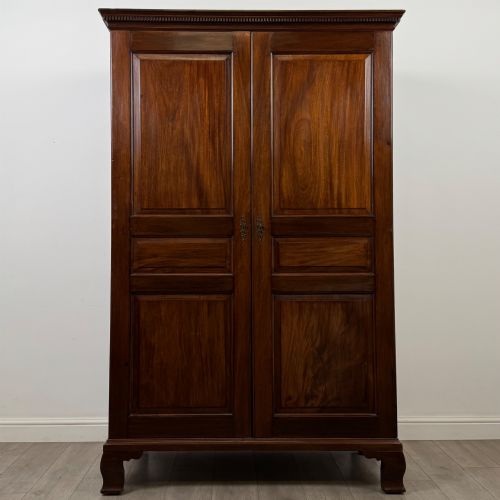
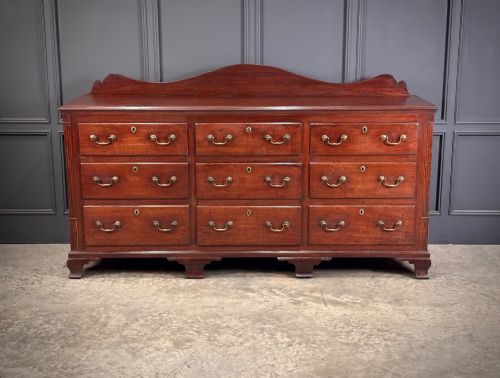
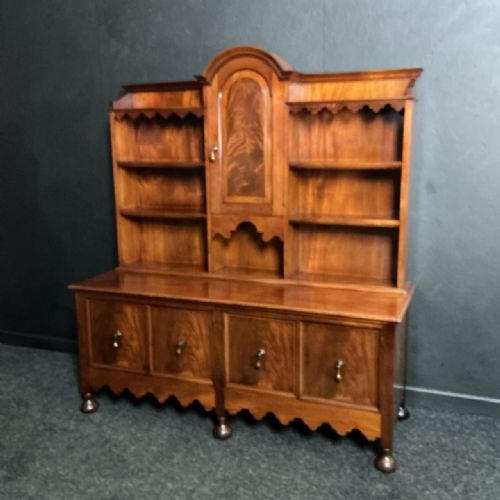
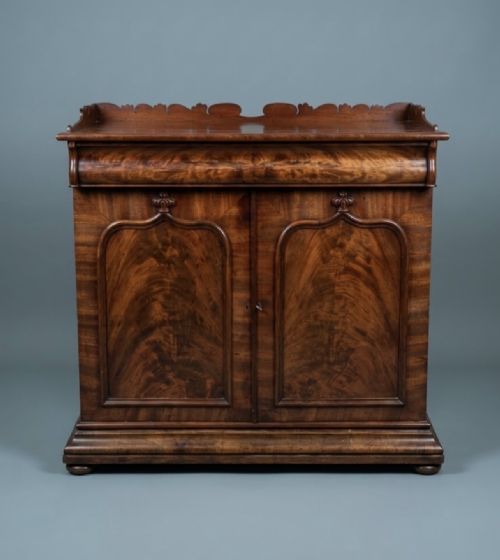

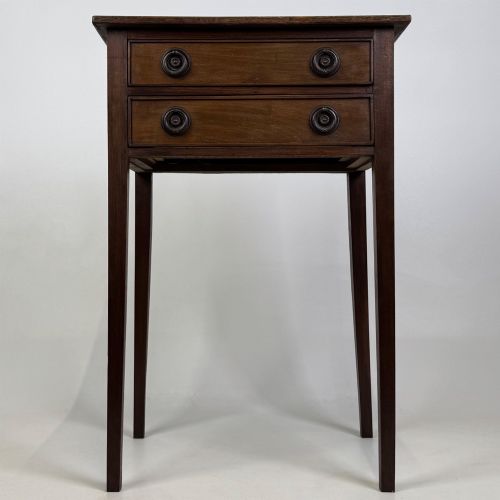
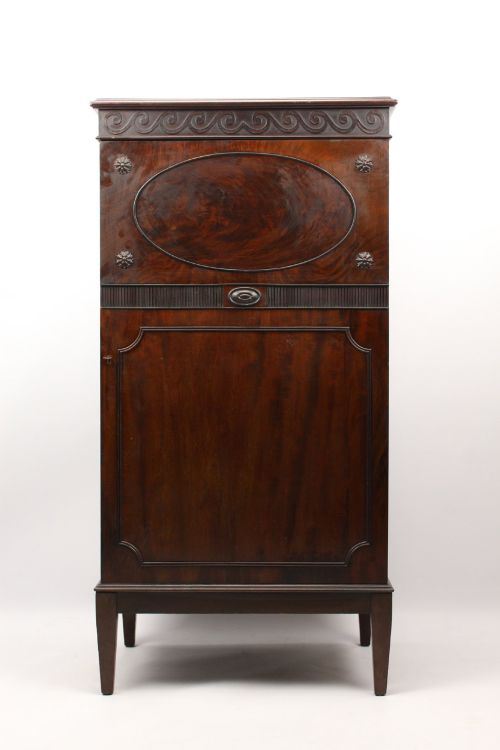
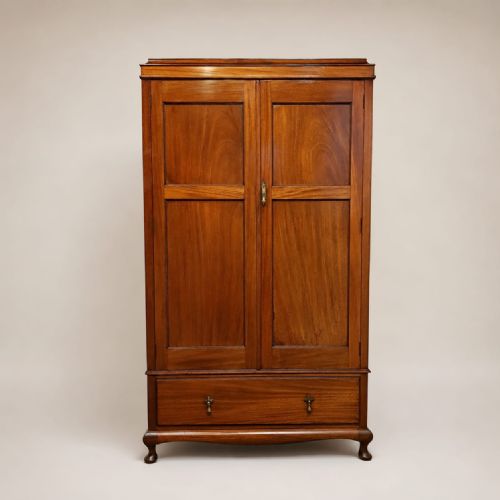
Dark Mahogany Wooden Cabinet
A dark mahogany wooden cabinet brings rich timber grain and formal presence to any room, offering versatile storage across classic periods.
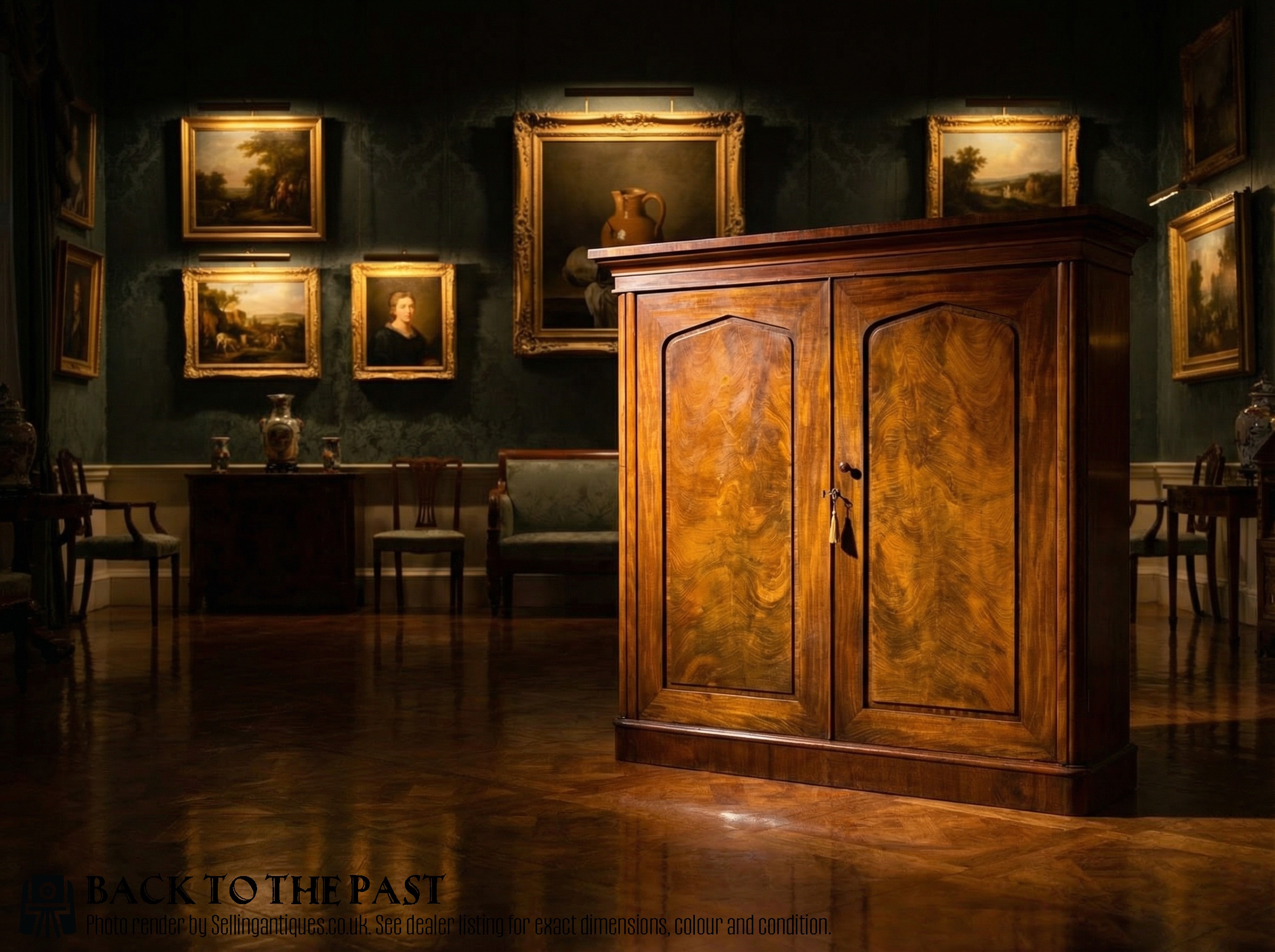
Dark Mahogany Wooden Cabinet
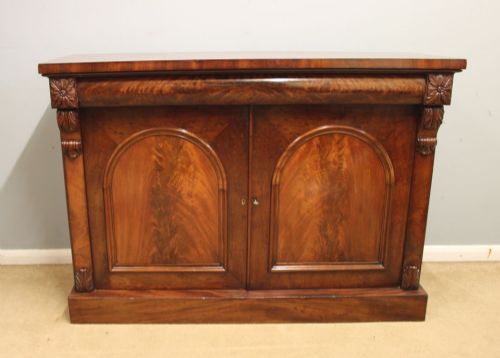
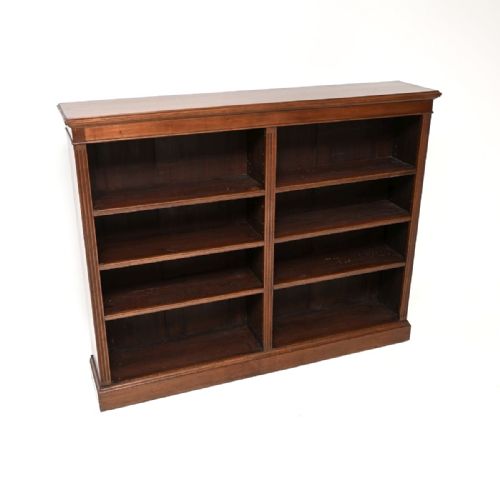
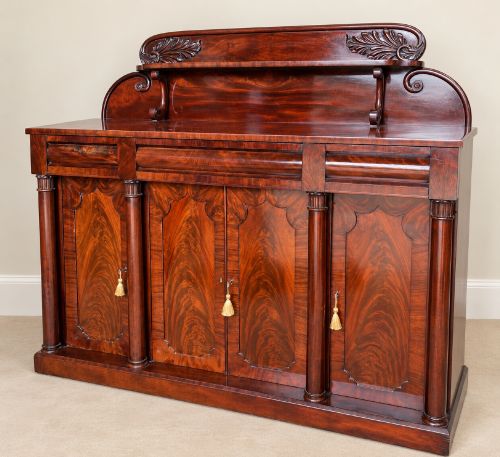
A dark mahogany wooden cabinet spans a variety of practical furniture forms, including bookcases, sideboards, chiffoniers, and display pieces designed for domestic storage and display. These items emerge from periods ranging from the Georgian and Regency eras through to the Victorian, Edwardian, and early twentieth-century decades.
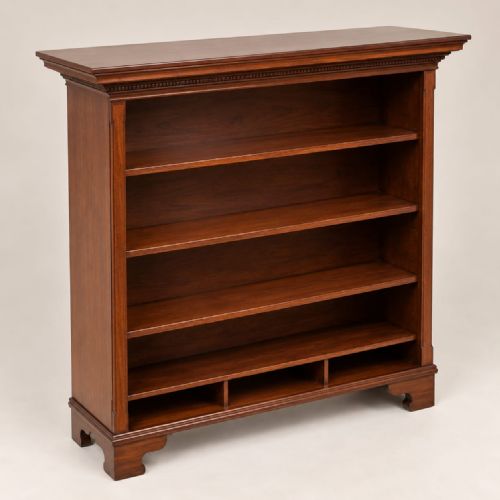
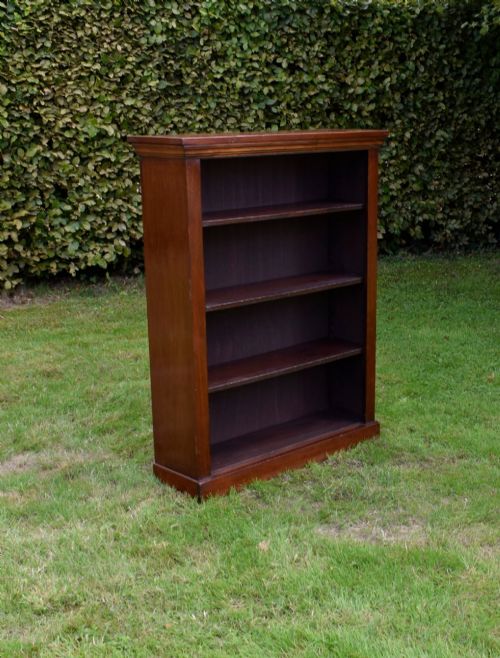
The most common formats met on this page include tall open bookcases, compact side cabinets, and tiered sideboards built to house books, tableware, or household goods. Each piece reflects the functional requirements of its original era, balancing interior storage with formal exterior timber surfaces.
Materials and construction methods
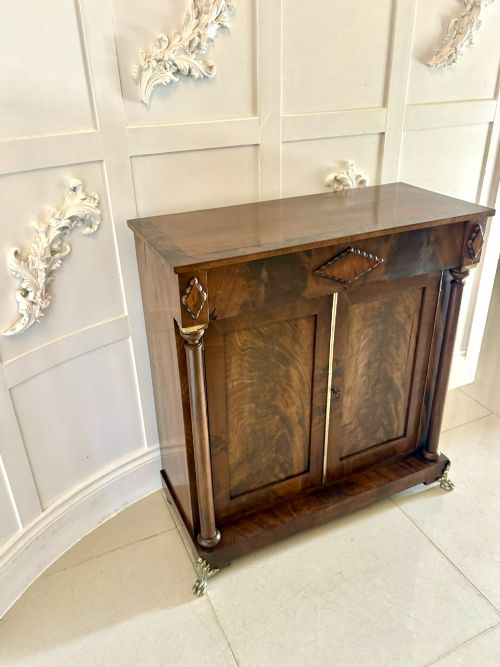
Cabinet makers utilised solid mahogany and applied flame mahogany veneer over secondary timbers such as oak to achieve deep, figured grain patterns on the primary display surfaces. These wooden structures are frequently accented with brass hardware, brass fittings, and glazed glass doors.
Joinery techniques ranged from traditional solid timber framing used in Georgian workshops to the structural requirements of stacking Barristers bookcases and Arts and Crafts designs in the twentieth century. Surfaces were polished to bring out the natural dark reddish-brown tones inherent in matured mahogany timber.
Cellarettes ensure your vintage wine reserves sit in proper historical comfort, keeping eighteenth-century cellars in polite conversation.
Distinguishing quality across the range
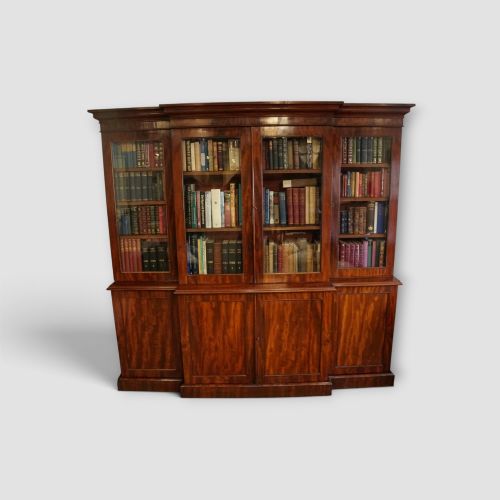
Quality in a dark mahogany wooden cabinet rests upon the selection of timber figures, particularly the use of symmetrical flame mahogany veneers on primary doors and drawer fronts. Superior examples display careful book-matching and consistent grain alignment across large expanses like breakfront bookcases and sideboard doors.
The refinement of brass handles, the clarity of fitted glass panes, and the structural integrity of internal shelving further separate standard utilitarian storage from finer cabinet work. Proportion, restrained architectural moulding, and the retention of original polished finishes define the upper tier of surviving pieces.
GM Elwood for JS Henry·Denby & Spinks·Gillows
The Dark Mahogany Wooden Cabinet Glossary
- Flame mahogany
- A veneer cut from timber where the grain resembles flickering flames, highly prized for decorative drawer fronts and cabinet doors.
- Chiffonier
- A low sideboard or cabinet developed in the nineteenth century, often equipped with shelves or a mirror back.
- Cellarette
- A lockable container or cabinet used for storing bottles of wine, frequently lined and placed beneath sideboards in Georgian dining rooms.
- Breakfront
- A large cabinet or bookcase where the central section projects forward from the flanking outer wings.
- Secretaire
- A cabinet or chest incorporating a pull-down writing flap that conceals a desk interior with small drawers and pigeonholes.
Dark Mahogany Wooden Cabinet: Frequently Asked Questions
How do I date a mahogany cabinet?
Dating relies upon observing the structural style, hardware, and construction methods characteristic of periods like the Georgian, Regency, or Edwardian eras. Secondary timbers and backboards also offer clues to the workshop practices of the time.
Cabinet feet, moulding profiles, and the presence of hand-cut dovetails help narrow the decade of manufacture when combined with overall design proportions.
Were these cabinets used in dining rooms?
Many large sideboards, cellarettes, and serving cabinets were specifically designed for the dining room to store silver, linen, and wine. Other forms like bookcases and corner cabinets served libraries and parlours.
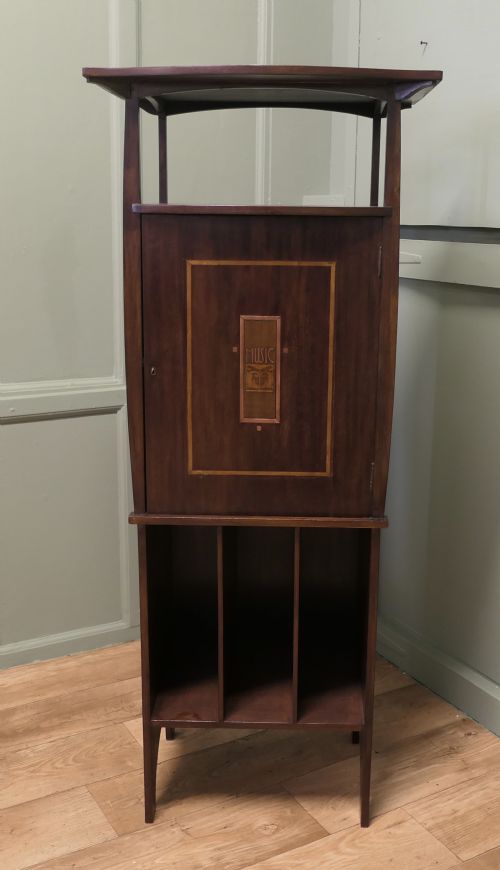
Domestic habits dictated the form, leading to specialised pieces such as music cabinets and narrow display units as interior uses evolved.
How should I maintain mahogany furniture?
Maintenance involves keeping the timber away from direct heat sources and strong sunlight to prevent the polished surface from fading or drying out. Regular dusting with a soft, dry cloth preserves the original sheen.
Application of appropriate wax polish helps nourish the wood grain without building up heavy residues over time.
What is the difference between a chiffonier and a sideboard?
A chiffonier is typically a more compact piece originating from the nineteenth century, often featuring enclosed lower cupboards and a raised shelf or mirror back. Sideboards are generally longer and designed primarily for dining room service.
Both forms utilise rich mahogany timbers, but the chiffonier suits smaller domestic spaces compared to grand breakfront sideboards.