
Victorian Mahogany Dining Set
A victorian mahogany dining set brings substantial timber, generous proportions and reliable craftsmanship to the daily table.
Victorian Mahogany Dining Set
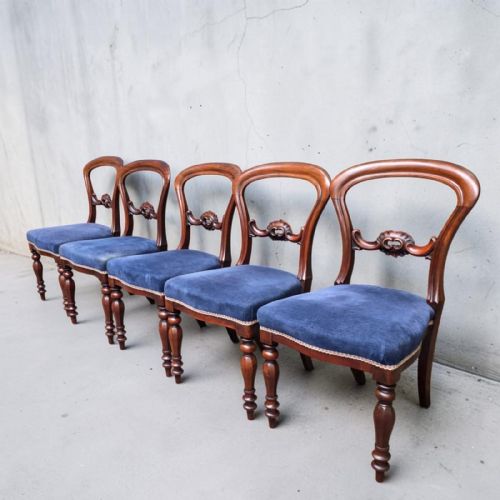
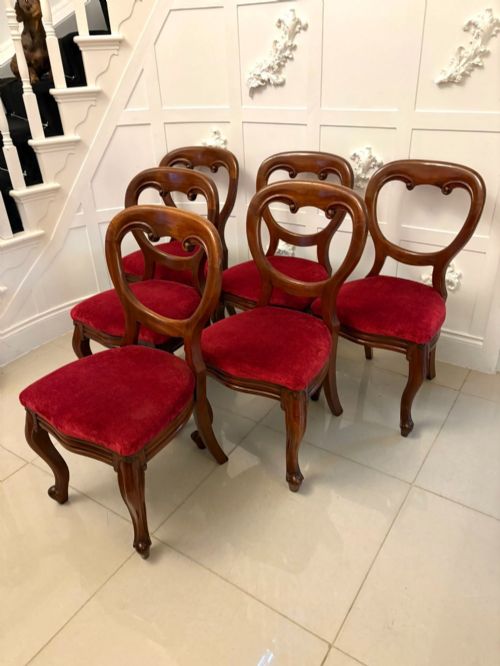
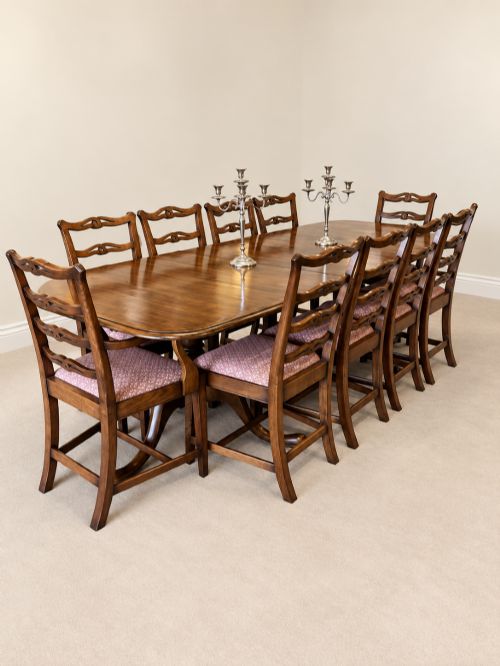
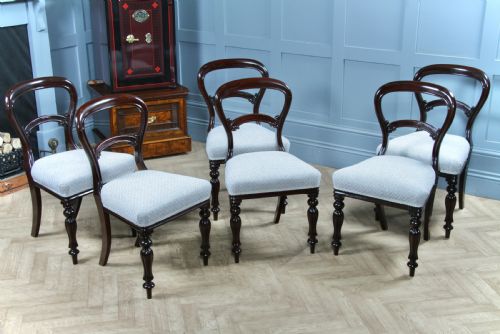
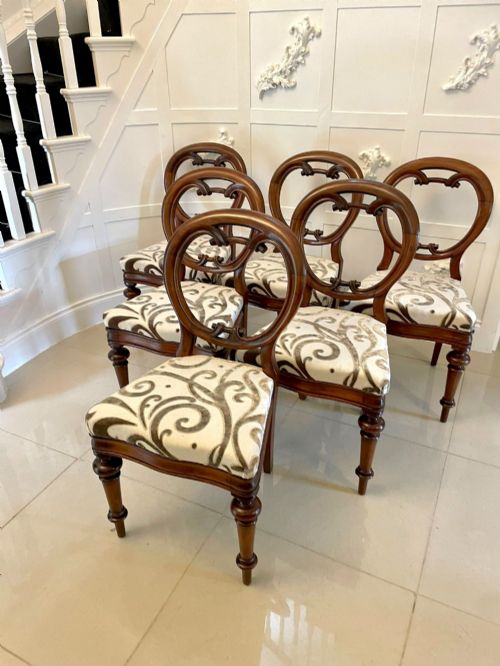
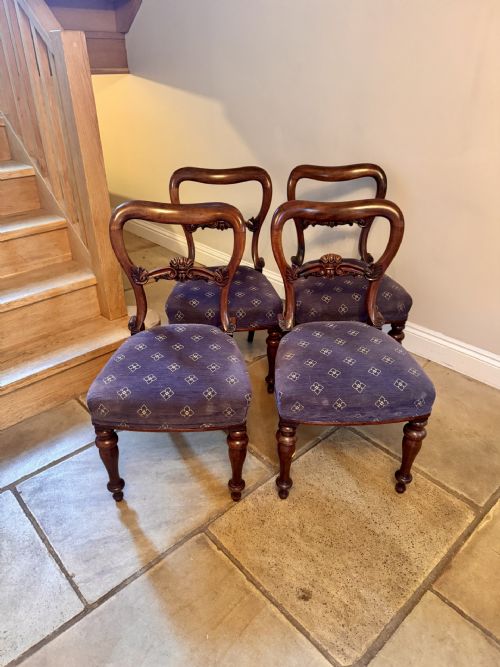
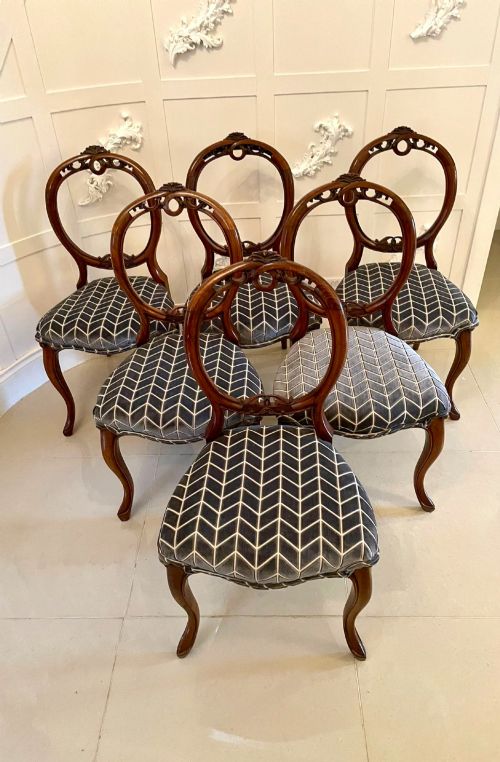
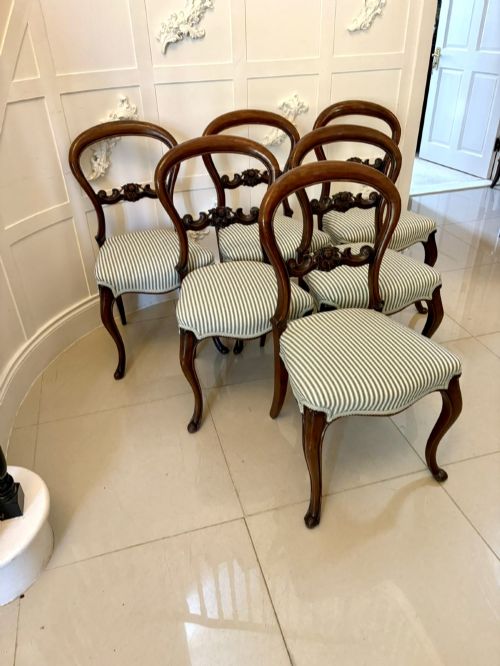
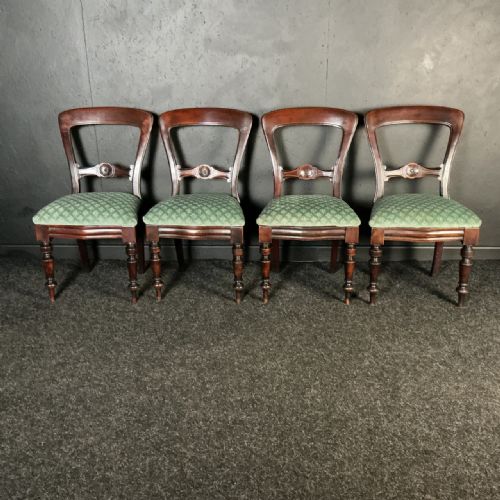
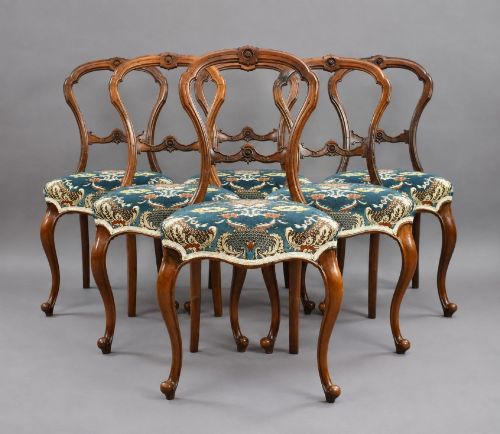
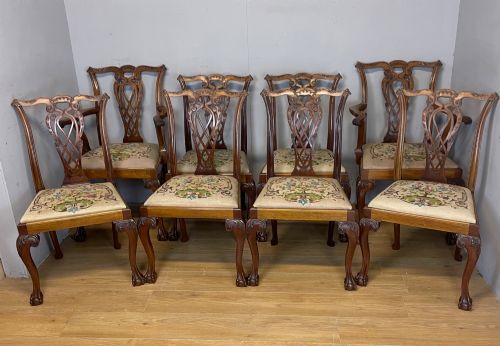
A victorian mahogany dining set typically comprises four to twelve matching chairs gathered around a matching extending table, though many listings focus primarily on the seating arrangements. The balloon back form appears constantly across these pages, alongside revival styles that borrow heavily from Chippendale and Hepplewhite designs.
Most suites date from the mid to late nineteenth century, reflecting the period's demand for robust dining room furniture. Buyers encounter everything from intimate sets of four chairs to large boardroom collections seating ten or twelve guests comfortably around the timber board.
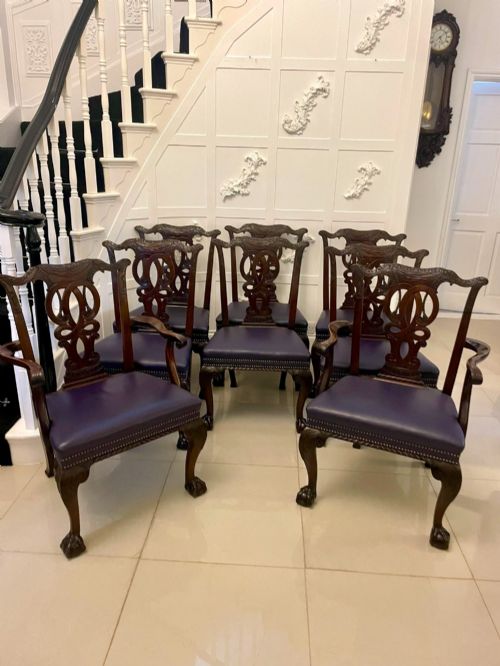
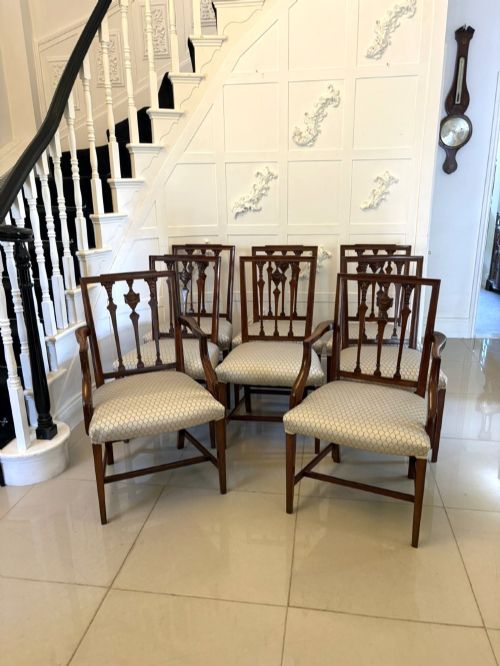
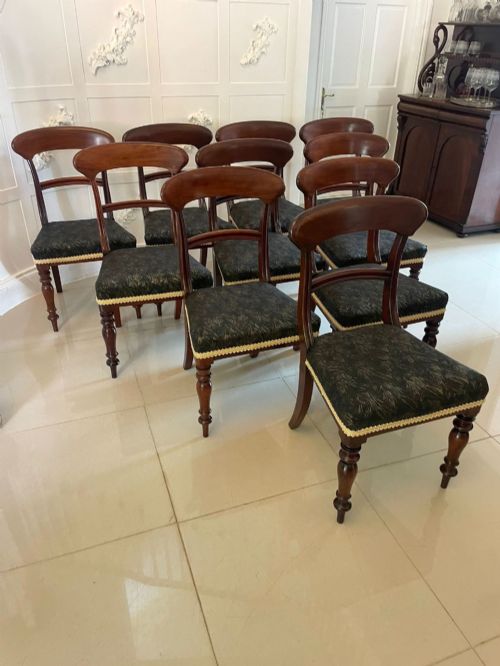
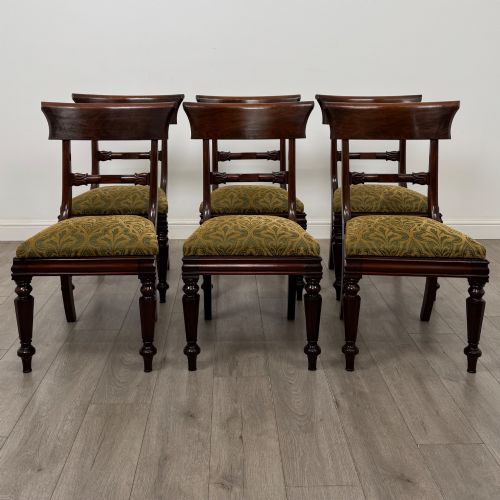
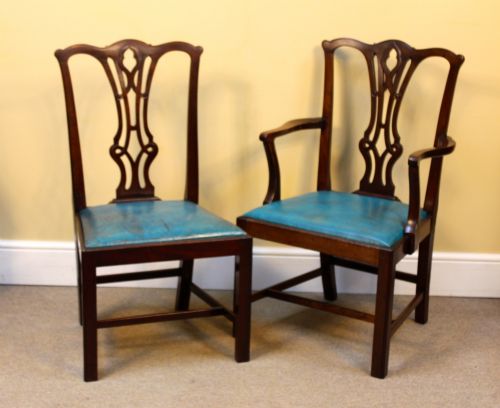
Makers often divided larger suites into a majority of single chairs and a pair of carvers with armrests to sit at the head and foot of the table. Variations also include bar back and shield back designs, showing how cabinet makers adapted standard dining chairs to suit changing domestic tastes.
Materials and construction
Mahogany serves as the primary structural wood across nearly every listing, selected for its deep grain, heavy weight and stability under daily use. Craftsmen turned solid timbers for the legs and bent laminated sections to form the curved supports of balloon back chairs.
Upholstered elements rely on traditional stuffing techniques paired with modern or period coverings in leather, velvet and patterned fabric. Brass castors frequently appear on the feet of larger tables and armchairs to ease movement across heavy carpets.
Several dining sets include brass castors so heavy they suggest nineteenth-century footmen required considerable muscle just to rearrange the room.
Judging the construction
The distinction between ordinary and superior sets rests in the depth of timber carving and the crispness of moulded details on the chair backs. Better workshops employed skilled carvers to execute intricate foliate motifs and heraldic crests by hand rather than relying on shallow machine routing.
Matching consistency across a large suite dictates value, as assembling twelve chairs that share identical timber grain and turning requires careful original selection. The structural integrity of the frame joints and the retention of original upholstery webbing also separate well-preserved suites from heavily altered examples.
Warings·Gillows
The Victorian Mahogany Dining Set Glossary
- Balloon back
- A chair back featuring a closed oval or loop shape resembling an inflated balloon. This ergonomic design dominated mid-nineteenth-century domestic seating.
- Carver
- An armchair designed with open armrests to match a set of single dining chairs. These sat at either end of the dining table for the host and hostess.
- Shield back
- A chair back shaped in the outline of a heraldic shield, popularized during the eighteenth century and revived by Victorian cabinet makers.
- Bar back
- A chair design incorporating a horizontal wooden slat across the upper backrest. This form provides sturdy lumbar support.
- Turned leg
- A wooden table or chair leg shaped on a lathe to create cylindrical, spiral or fluted decorative patterns.
Victorian Mahogany Dining Set: Frequently Asked Questions
How many chairs came in a standard set?
Dining sets commonly ranged from four to twelve chairs depending on the size of the household and the dining room.
Larger houses frequently ordered sets of eight or ten to accommodate formal dinner parties.
Were carver chairs always included?
Larger suites usually incorporated a pair of carvers alongside six or eight single chairs without arms.
Smaller sets of four typically consisted entirely of single chairs to save space around compact tables.
How do I identify a revival style?
Revival pieces incorporate eighteenth-century motifs such as carved ribbon backs or ball-and-claw feet onto nineteenth-century chair frames.
Cabinet makers in the later Victorian decades deliberately copied Chippendale and Hepplewhite proportions to satisfy demand for historic designs.
What wood was used besides mahogany?
Walnut occasionally appears in balloon back dining chairs alongside the dominant mahogany stock.
Secondary timbers such as beech or ash were sometimes utilised for internal framing and seat rails.