
Victorian Mahogany Couch
A victorian mahogany couch brings substantial timber frames and deep seating into a drawing room, offering both formal presence and comfortable lounging.
Victorian Mahogany Couch
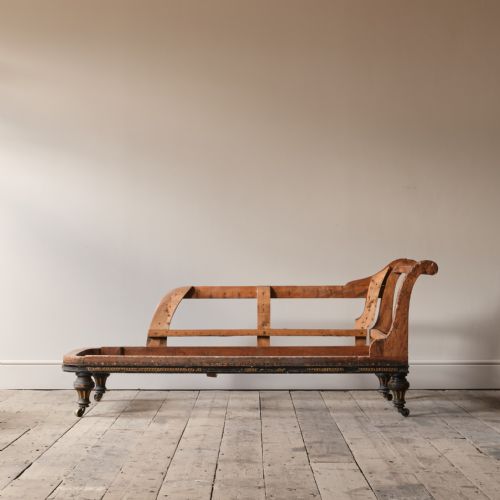
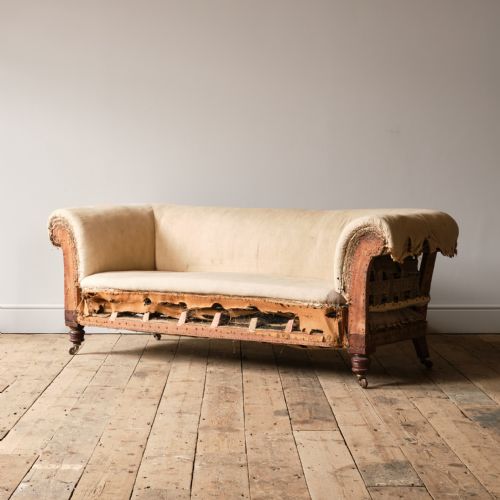
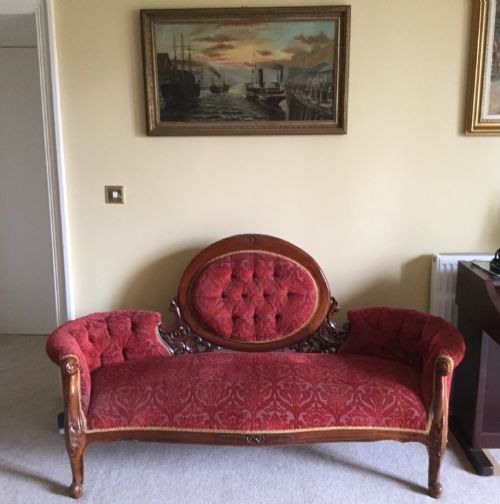
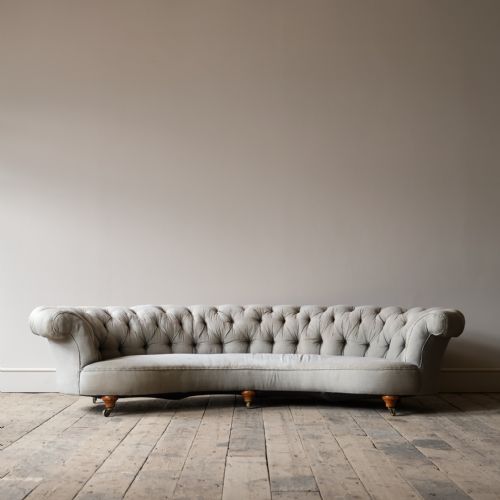
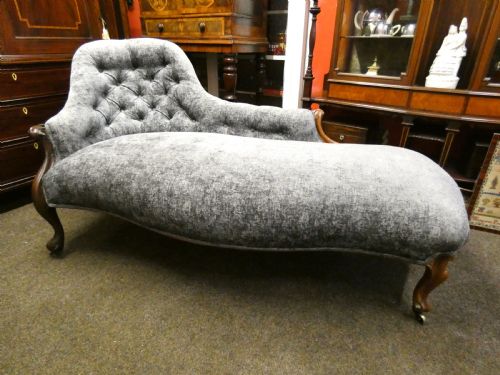
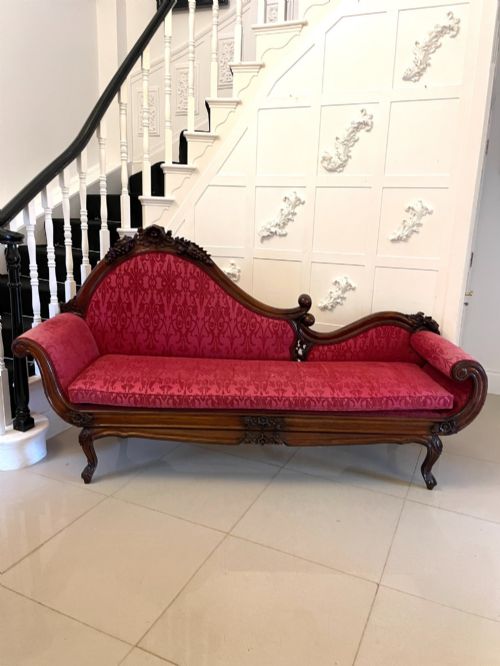
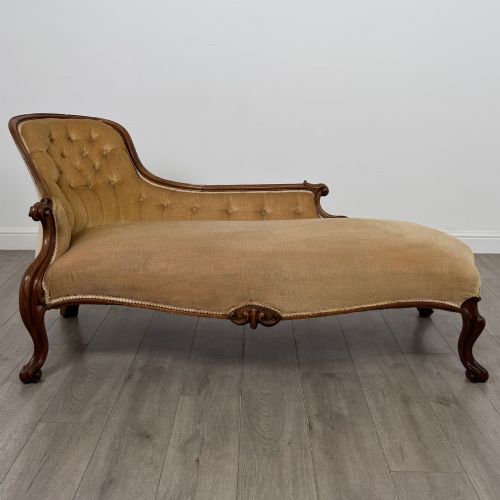
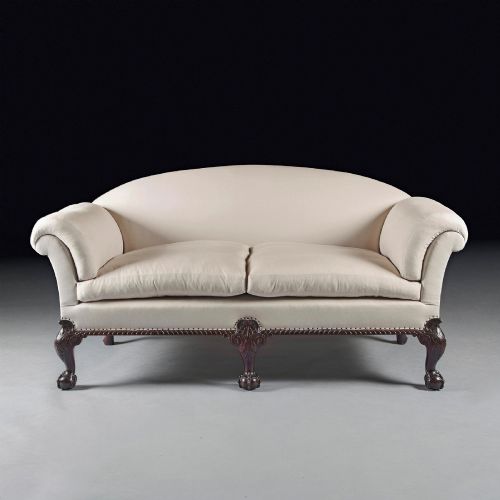
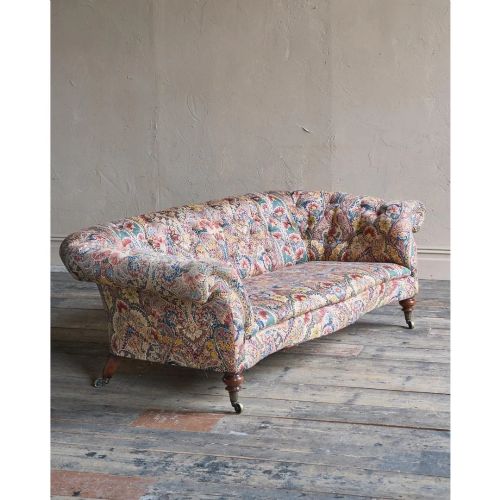
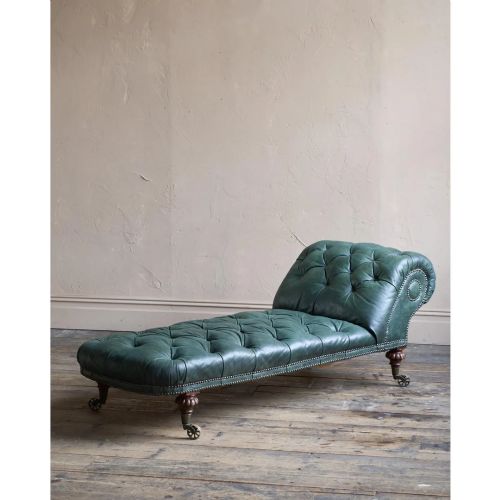
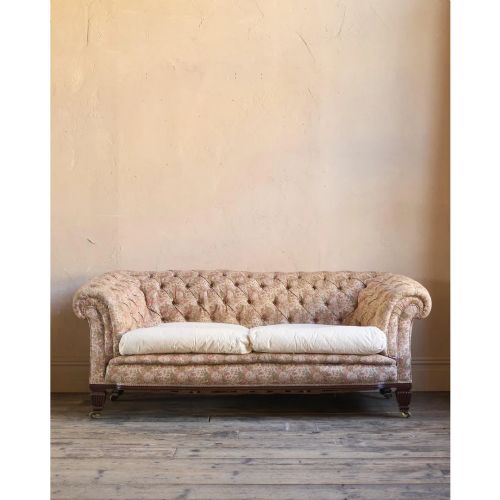
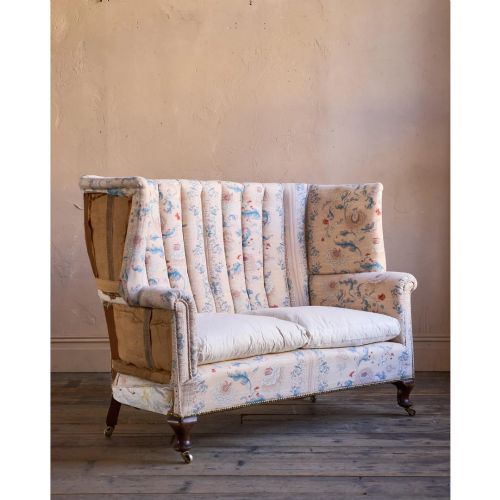
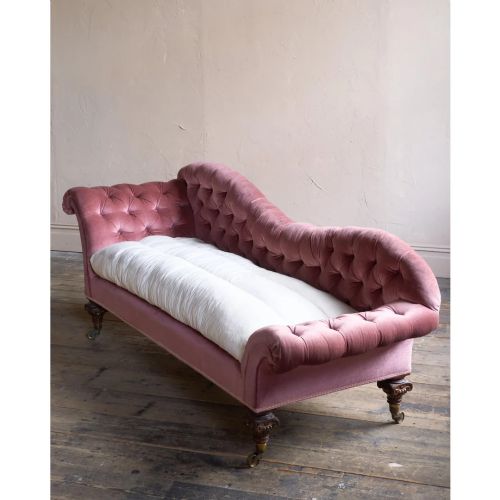
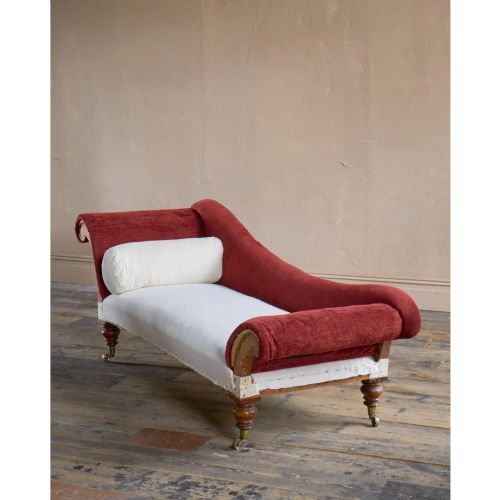
When searching for a victorian mahogany couch, buyers encounter a diverse selection of nineteenth-century seating forms that range from scroll-end daybeds to deep-sprung Chesterfield settees. The most frequent versions on this page are double-ended sofas and chaise longues shaped from rich tropical timber.
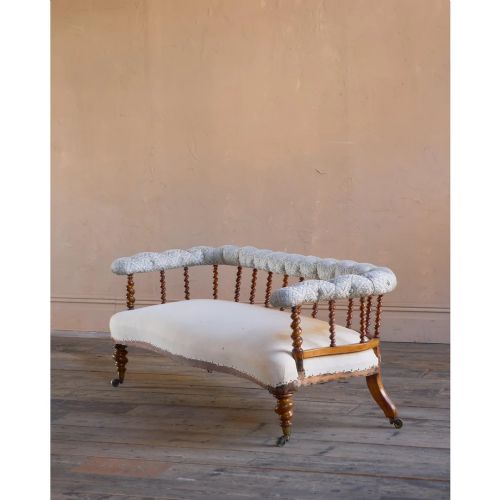
Makers and workshops of the period also produced salon sofas, corner seating, and library couches featuring carved woodwork and buttoned upholstery. These pieces reflect the varied domestic requirements of nineteenth-century households, transitioning from formal reception rooms to private chambers.
Materials and Construction
Cabinetmakers constructed the structural frames of these pieces using dense mahogany, frequently enhanced with hand-carved scrollwork, turned feet, or applied mouldings. Brass castors were routinely fitted to the feet to allow movement across heavy carpets.
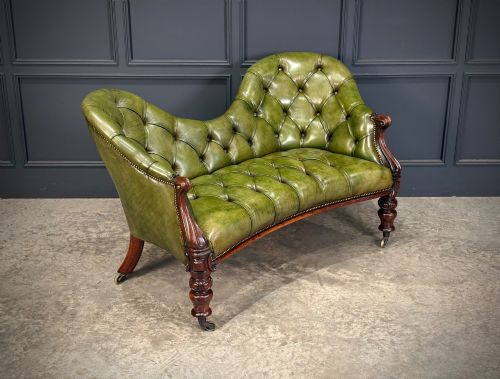
Internal support relied on traditional coil springing secured with webbing and layered with hessian and calico before the application of top covers. Upholstery finishes span smooth leather, heavy velvet, damask, and brocade, often secured with rows of individual brass tacks.
The archive includes specialised pieces such as medical examination couches alongside domestic chaises and salon settees.
Evaluating the Craftsmanship
Superior examples demonstrate crisp execution in the carved timber details, such as deep relief foliage or well-defined scroll arms, whereas simpler items display plain structural lines. The weight and selection of the solid mahogany timber itself dictate the initial grade of the piece.
Standard varies significantly in the longevity of the internal sprung foundation and the retention of original upholstery materials. Pieces retaining traditional hand-tied coil work and period-appropriate textile coverings command greater consideration among collectors.
Holland & Sons·Howard & Sons·C. Hindley & Sons·Hampton & Sons·Gillows of Lancaster
The Victorian Mahogany Couch Glossary
- Chaise Longue
- An upholstered long chair designed for reclining, featuring a single raised headrest and an open or closed side. It combines the functions of a chair and a daybed.
- Chesterfield
- A deep-buttoned upholstered sofa featuring arms and back of the same height. This style offers formal upright seating paired with padded comfort.
- Double-Ended Settee
- A sofa featuring two symmetrically raised scroll ends allowing a person to recline at either side. This form provides versatile placement within a large drawing room.
- Satinwood Marquetry
- Decorative inlay work utilising pale satinwood to create contrasting geometric or floral patterns upon the darker mahogany surface. It indicates high-status cabinet work.
- Brocade
- A heavy woven fabric featuring raised decorative patterns often created with metallic threads. It provides a rich texture suitable for formal nineteenth-century interiors.
Victorian Mahogany Couch: Frequently Asked Questions
How do I clean mahogany wood?
Dust the timber regularly with a soft, dry cloth to prevent accumulation. Apply traditional beeswax polish occasionally to nourish the grain and maintain the natural lustre without building up heavy residue.
Avoid placing the frame near direct heat sources or strong sunlight, which can dry out the timber and fade the rich colour over time.
Are these sofas comfortable for daily use?
Most nineteenth-century frames utilise traditional coil springs that provide firm and supportive seating. Many examples have been re-sprung and re-webbed to ensure stability for modern living.
Depths and back heights vary significantly between a chaise longue and a Chesterfield sofa, so checking dimensions helps match the seat to your preferred posture.
Can I reupholster a period couch?
Re-covering is common practice to preserve the structural frame while updating the fabric to suit contemporary interiors. Traditional methods utilise hessian, calico, and horsehair stuffing to maintain historical accuracy.
Selecting appropriate period-style damask, velvet, or leather ensures the finished piece respects the original design aesthetic of the nineteenth century.
What is the difference between a settee and a couch?
A settee generally provides formal seating for multiple people with a distinct backrest and upholstered arms. A couch or chaise longue often incorporates an asymmetric design meant for reclining.
Both forms served distinct functions in nineteenth-century homes, with settees placed in parlours and couches utilised in private dressing rooms.