
Victorian Mahogany Commode
When you seek a victorian mahogany commode, you meet robust bedroom storage and clever disguised seating from the nineteenth century.
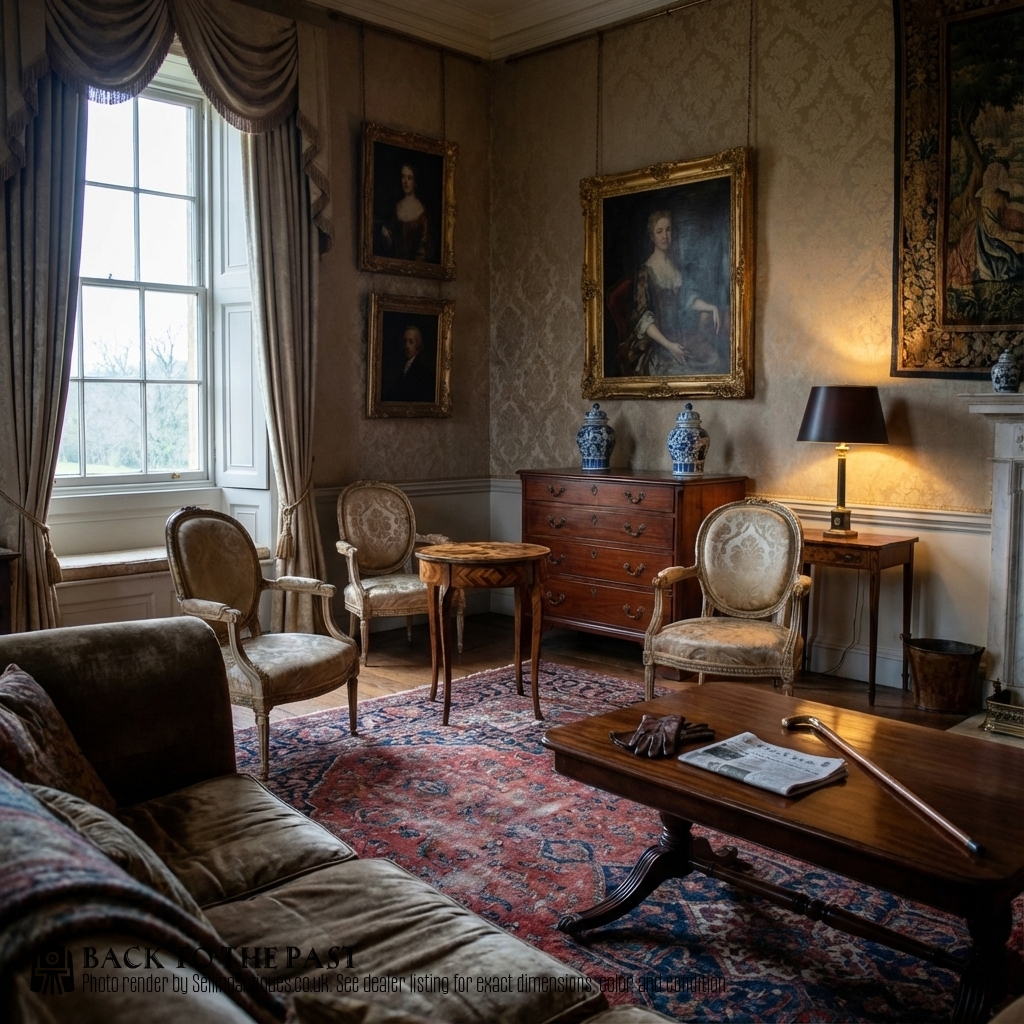
Victorian Mahogany Commode
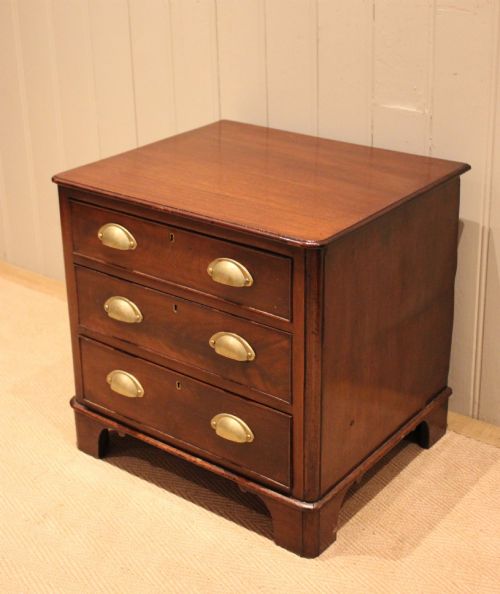
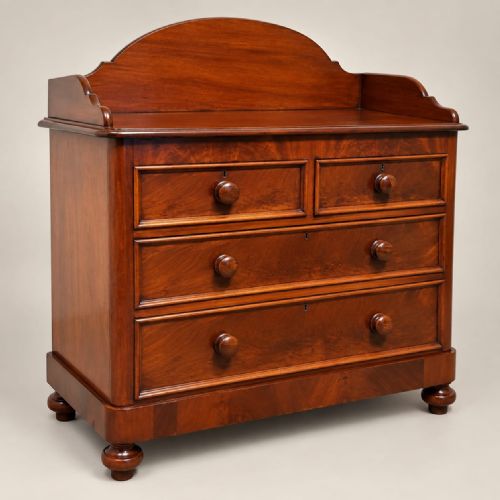
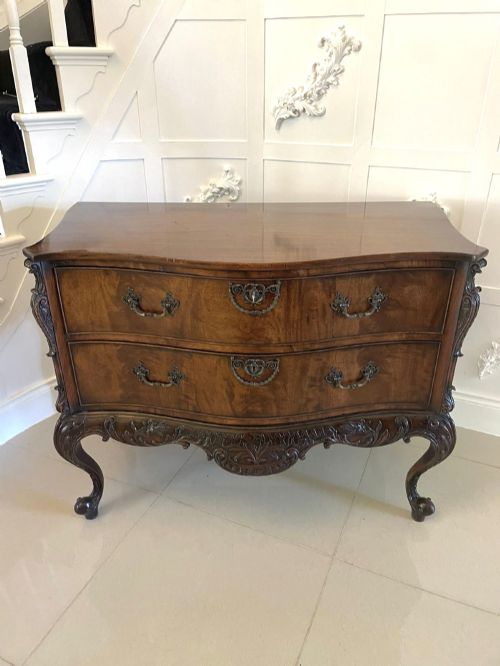
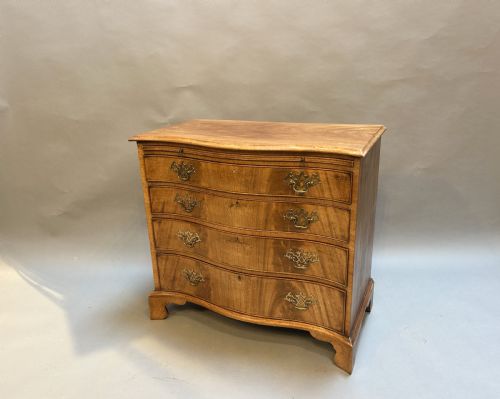
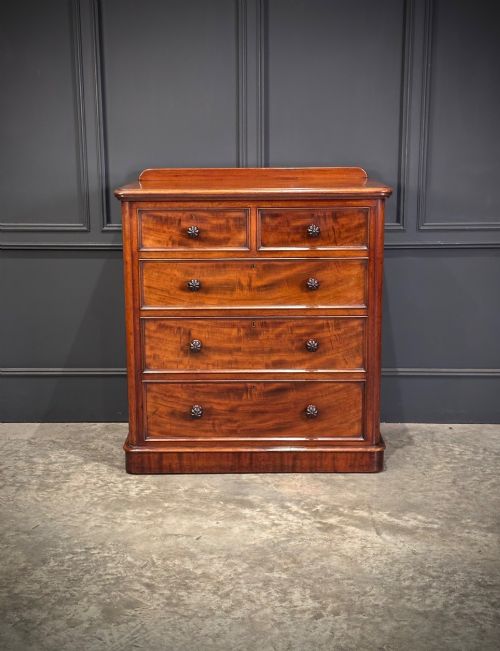
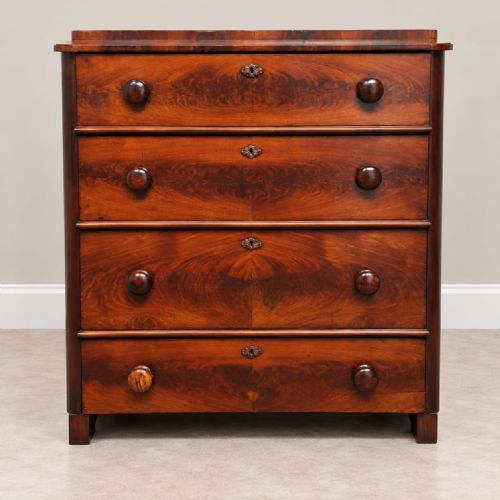
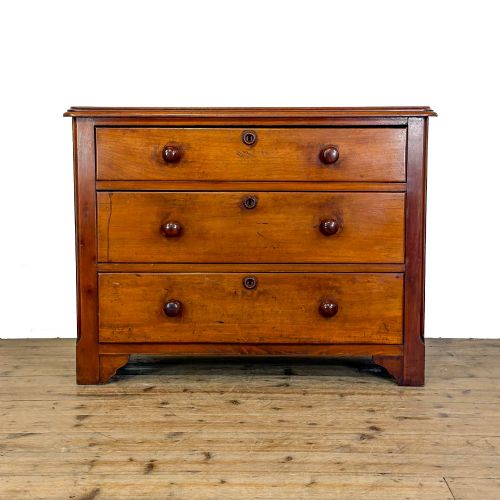
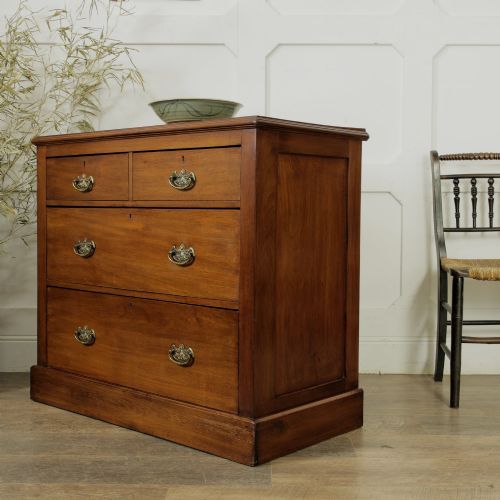
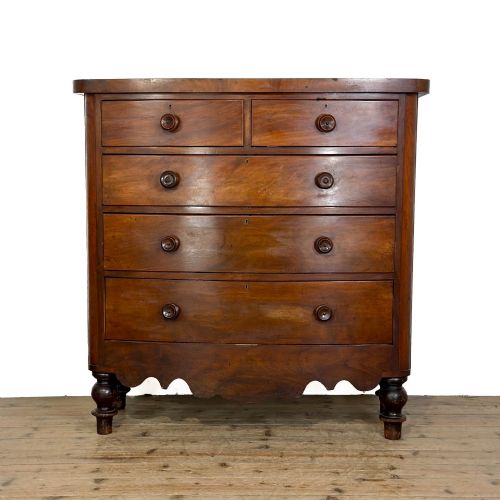
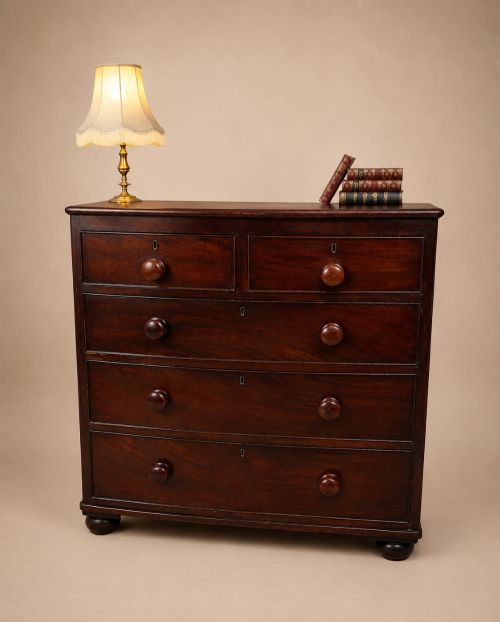
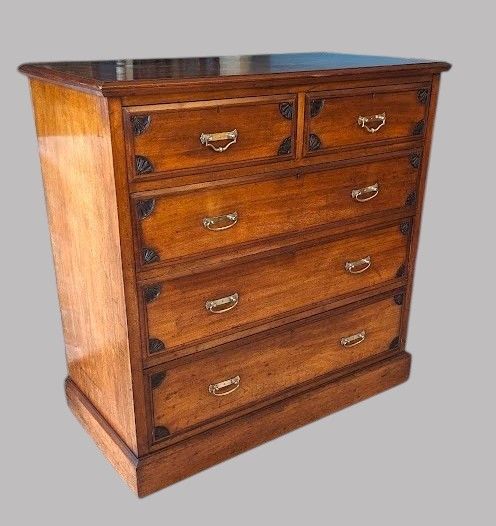
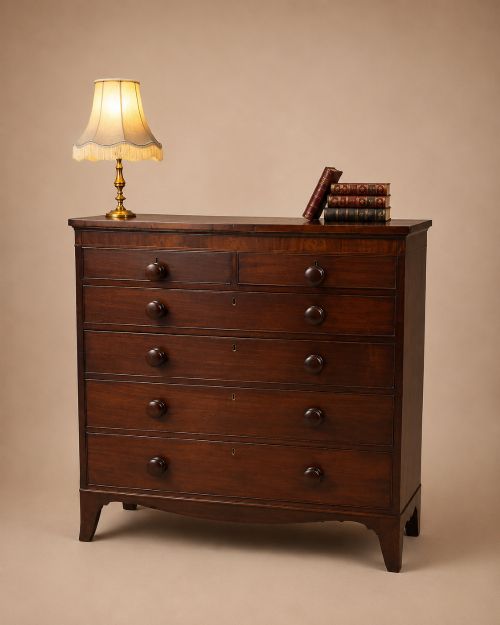
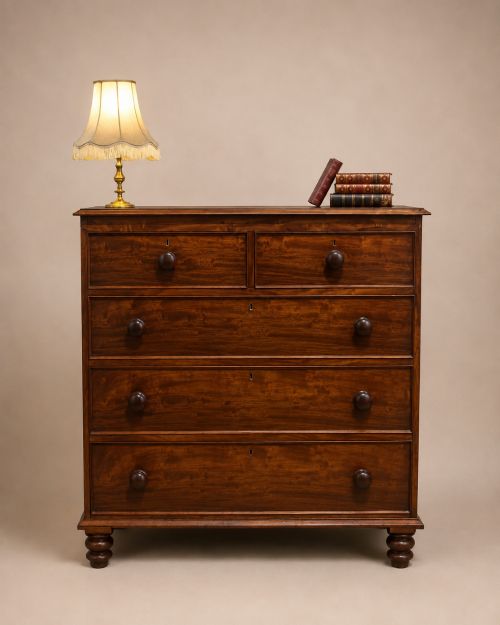
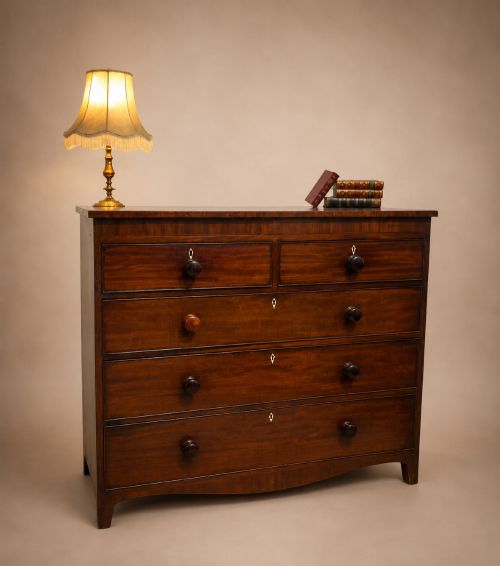
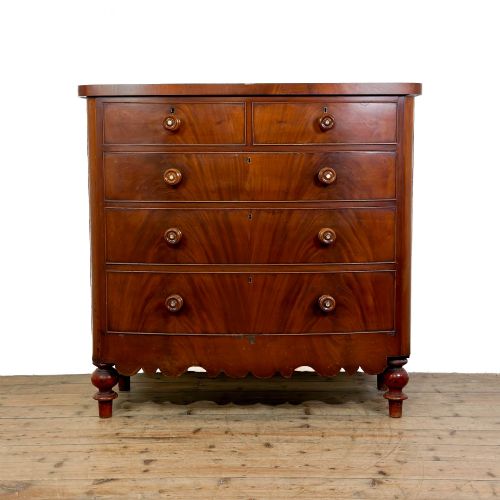
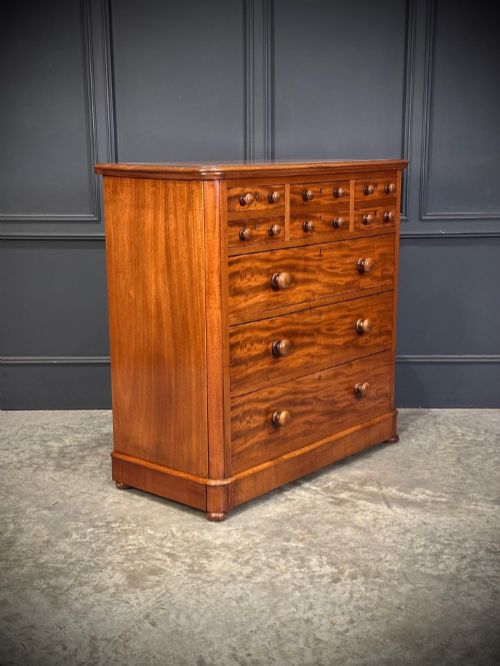
A victorian mahogany commode encompasses practical bedroom chests, bedside cupboards, and ingenious disguised seats or library steps. The most common form met on this page is the chest of drawers, often built with straight, bow front, or serpentine outlines.
Beyond standard drawer units, the selection includes specialised items such as pot cupboards, washstands, and multi-functional step commodes. These pieces originate primarily from the nineteenth century, displaying the sturdy domestic utility of the period.
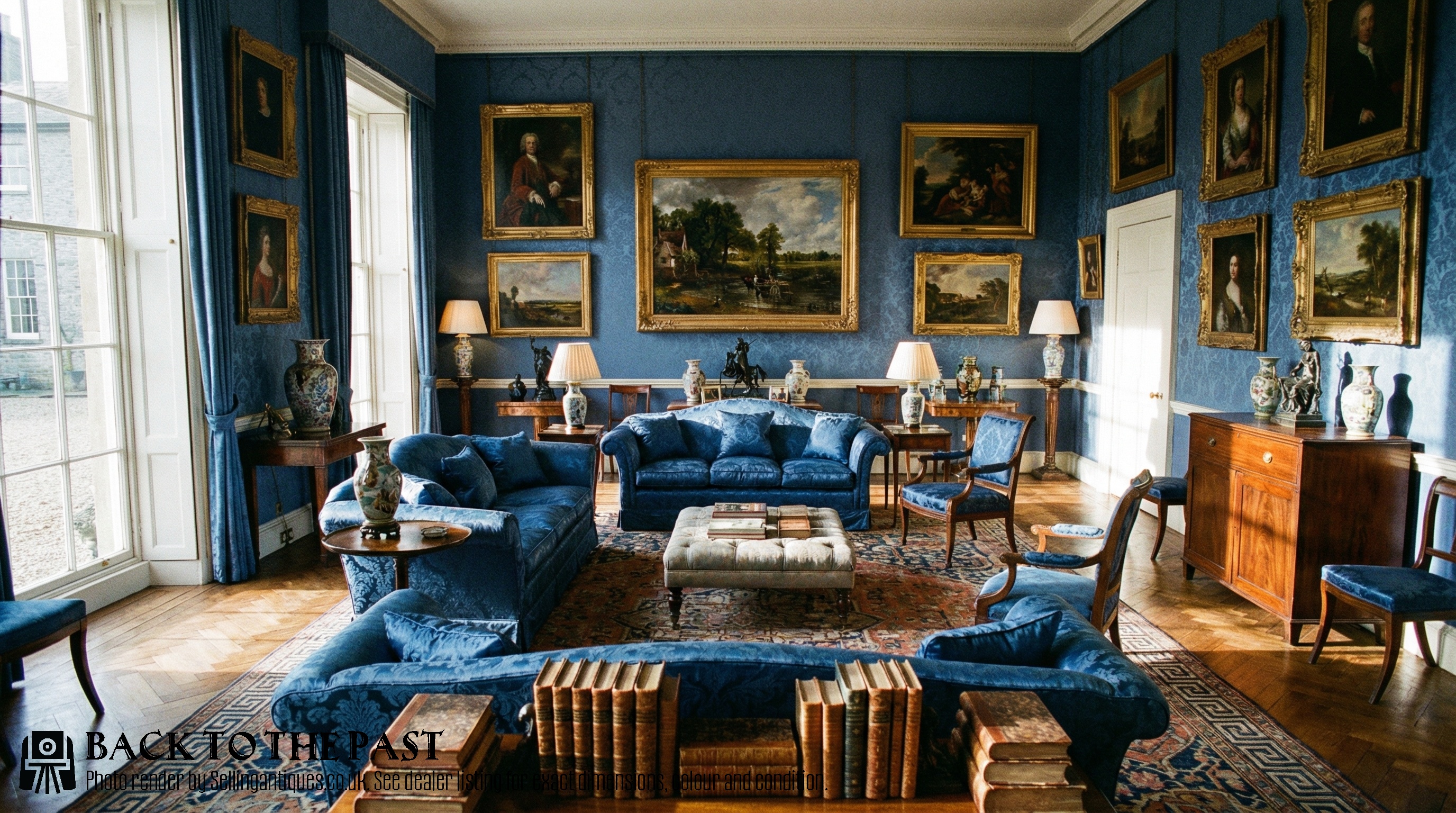
How they were made
Cabinet makers utilised solid mahogany and pine carcasses overlaid with figured flame mahogany veneer to achieve rich grain patterns on drawer fronts and surfaces. Secondary timbers such as oak and pine appear inside drawer linings and internal framing.
Brass fittings, bone details, and subtle inlay work finish the construction of these cabinets. Joinery relies on traditional techniques suited to heavy domestic use, ensuring structural integrity across decades of service.
Victorian Mahogany Commode Retail Price Guide 2026
Typical asking prices for victorian mahogany commode among the pieces listed under this phrase on Sellingantiques today, from the lower quarter to the upper quarter. They describe what is for sale here now, not the wider market.
The inventory spans the Georgian, Regency, and Victorian eras, dominated by nineteenth-century production.
What varies in quality
Quality separates ordinary utilitarian storage from exceptional cabinet work through the choice of timber veneer and the precision of the serpentine or bow front shaping. Finer examples display carefully matched flame mahogany figures across multiple drawer tiers.
The sophistication of secondary details, such as hand-painted decorations, superior brass hardware, and maker attribution, elevates certain pieces above standard production. The integrity of the timber and the crispness of the carving dictate the standing of each item.
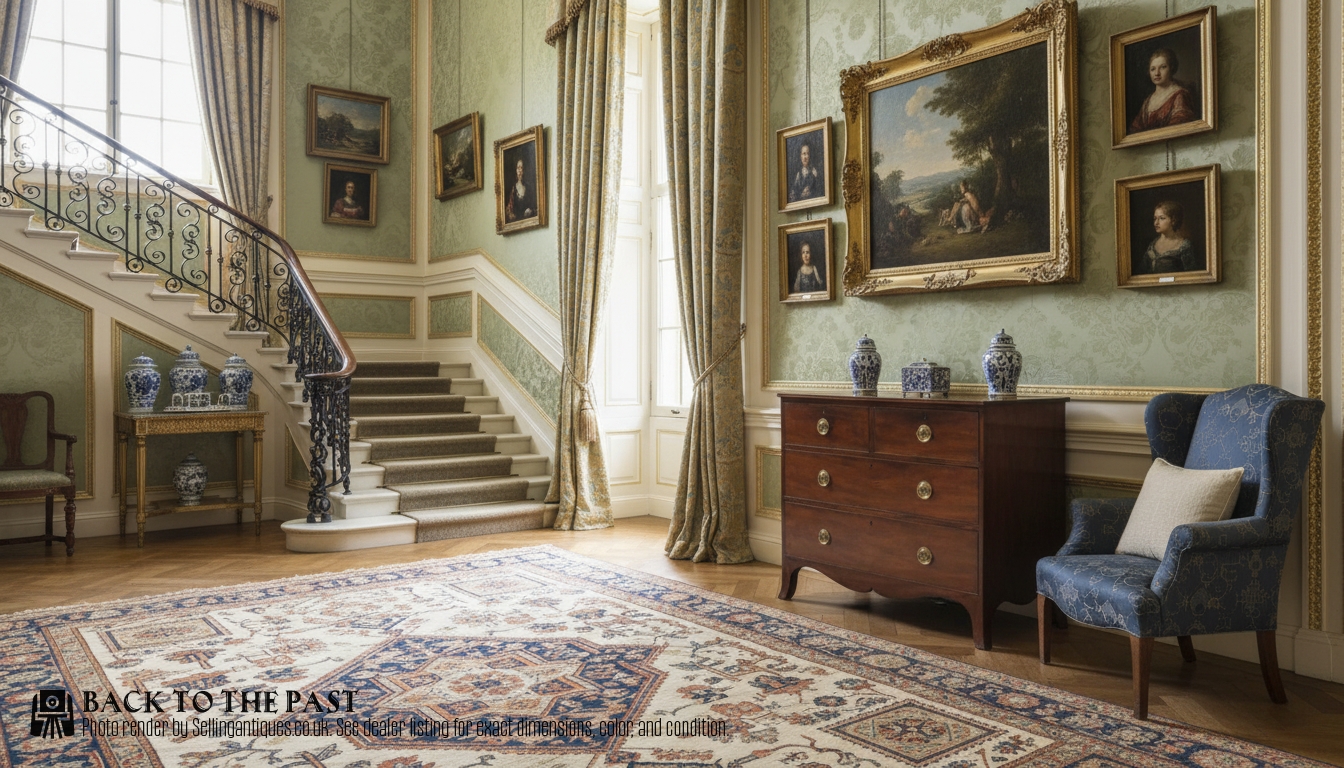
Gillows·Druce and Co·Edwards and Roberts
The Victorian Mahogany Commode Glossary
- Bow front
- A convex curved cabinet front popular during the nineteenth century. This shape softens the profile of a standard rectangular chest.
- Flame mahogany
- A veneer cut from the fork of the mahogany tree to produce a flickering, flame-like grain pattern. Cabinet makers reserved this timber for principal visual surfaces.
- Serpentine
- A gently undulating front outline featuring a convex centre flanked by concave curves. This contour requires advanced woodworking skill to execute properly.
- Commode
- A term applied historically to decorative chests of drawers as well as enclosed bedroom seats. In Victorian usage, it frequently denotes a piece of furniture concealing sanitary equipment.
- Biedermeyer
- A Central European style of furniture emphasising utilitarian comfort and clean lines without excessive ornamentation. Pieces in this manner appear occasionally among English collections.
Victorian Mahogany Commode: Frequently Asked Questions
How were these pieces used originally?
Original uses varied depending on the specific form of the commode, ranging from standard clothing storage in a bedroom to holding washbasins or night equipment.
Some elaborate examples functioned as library steps that folded away into compact box shapes, combining seating and climbing utility for high bookshelves.
How do I style a commode at home?
These wooden cabinets integrate well into traditional and contemporary interiors as bedside tables, hallway storage, or living room accent pieces. Their rich timber tones add warmth and texture to neutral spaces.
Surface areas accommodate lamps, books, or decorative objects, while the internal drawers provide practical concealment for household clutter.
How do I tell different periods apart?
Distinguishing periods relies on observing shifts in outline, handle style, and veneer selection across the nineteenth century. Early Victorian pieces often retain heavier proportions, while later examples incorporate Sheraton revival influences and lighter inlay.
Cabinet makers transitioned from simple geometric drawer arrangements to complex serpentine shapes and figured flame mahogany surfaces as the century progressed.