
Victorian Mahogany Bureau Drawers
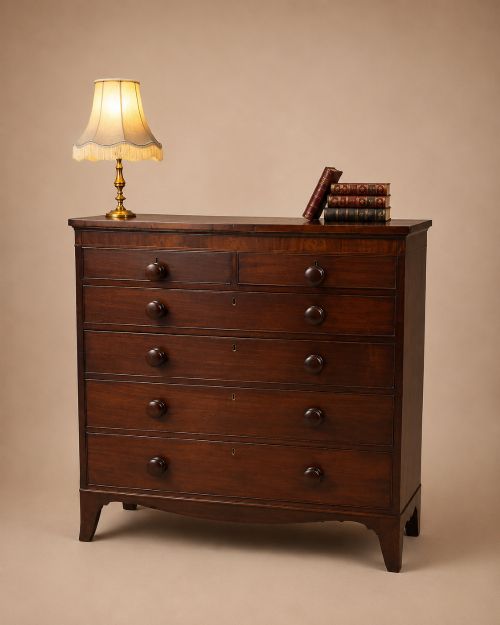
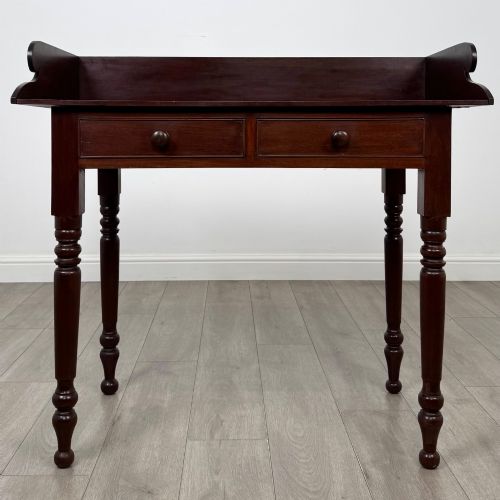
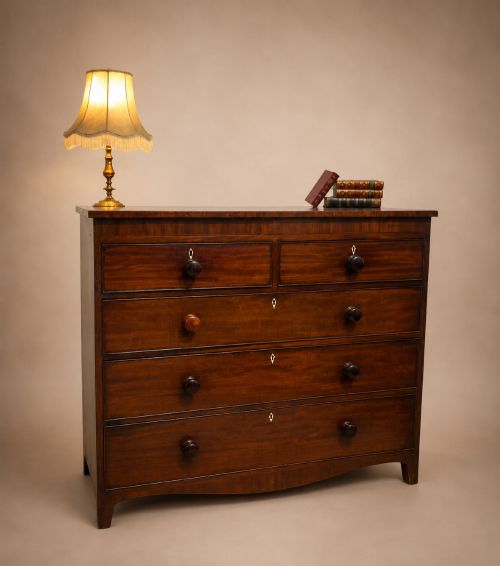
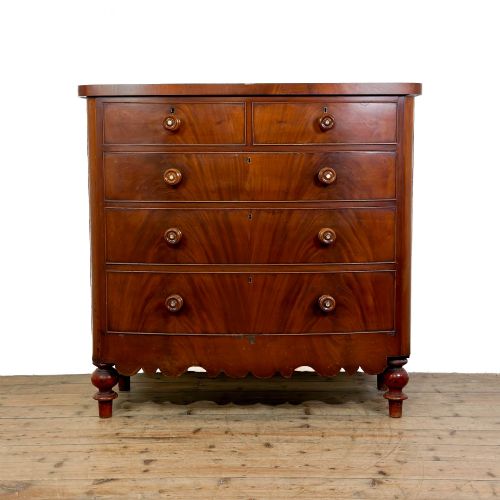
These Victorian mahogany bureau drawers are substantial timber storage units and writing pieces designed for domestic utility.
Victorian Mahogany Bureau Drawers
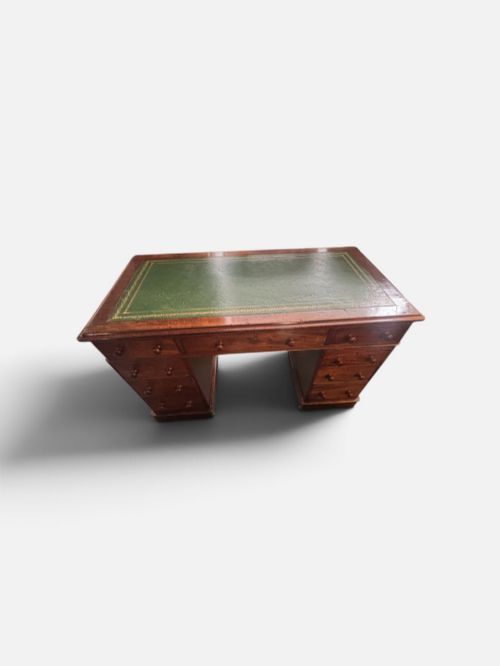
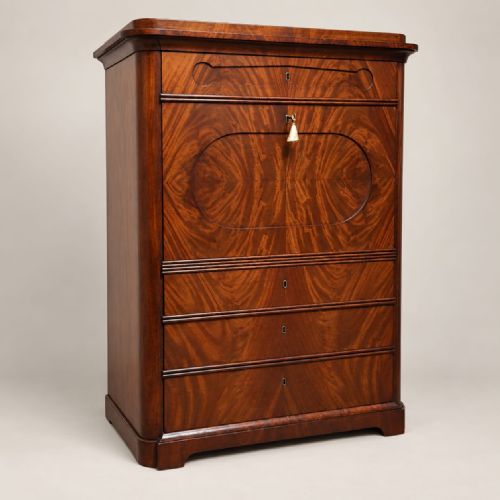
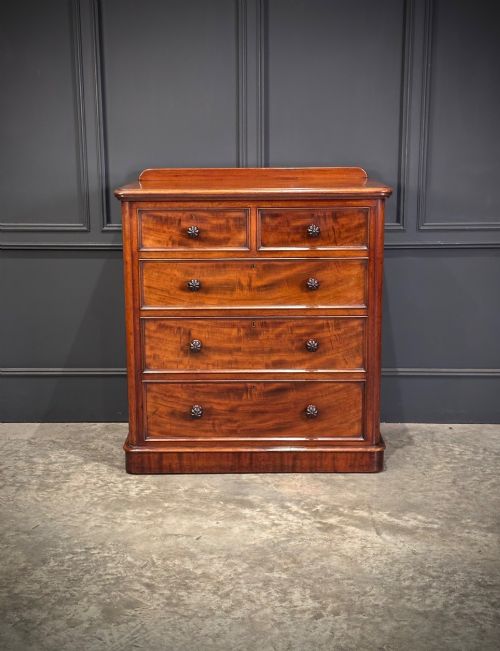
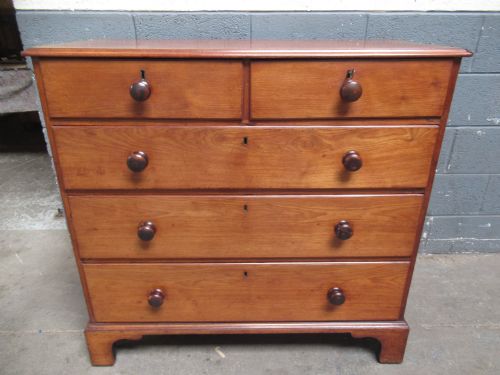
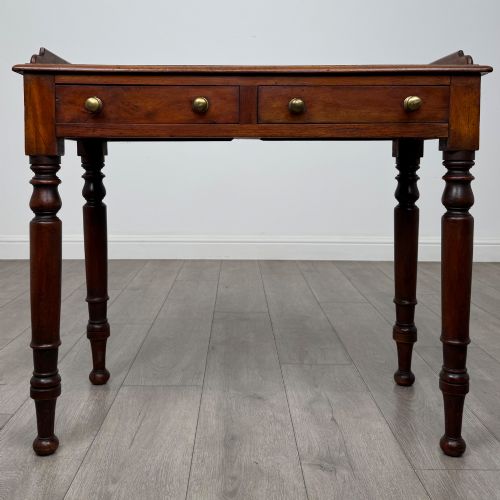
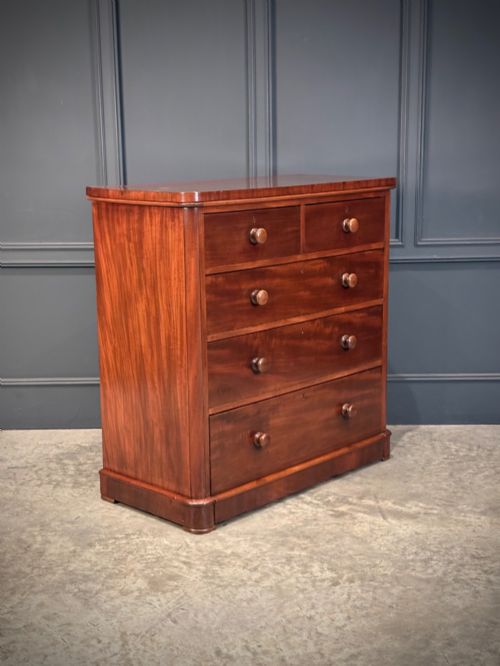
Victorian mahogany bureau drawers combine the practicality of bedroom storage with the fitted writing compartments of a desk, uniting two forms into one heavy timber carcass. When searching for victorian mahogany bureau drawers, buyers encounter multi-drawer chests, secretaire bookcases, and Davenport desks dating across the nineteenth century.
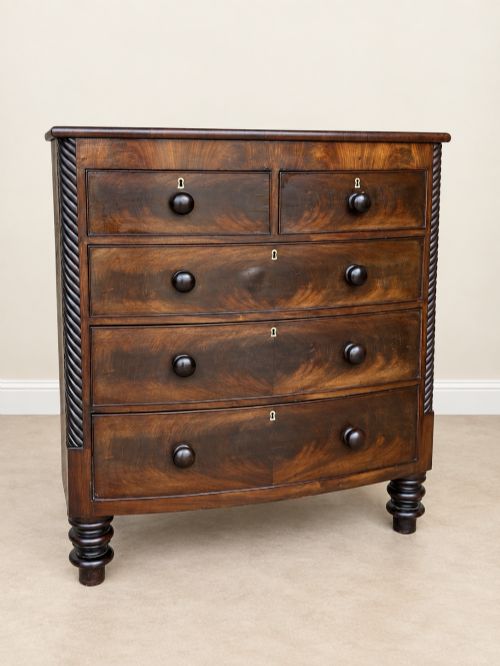
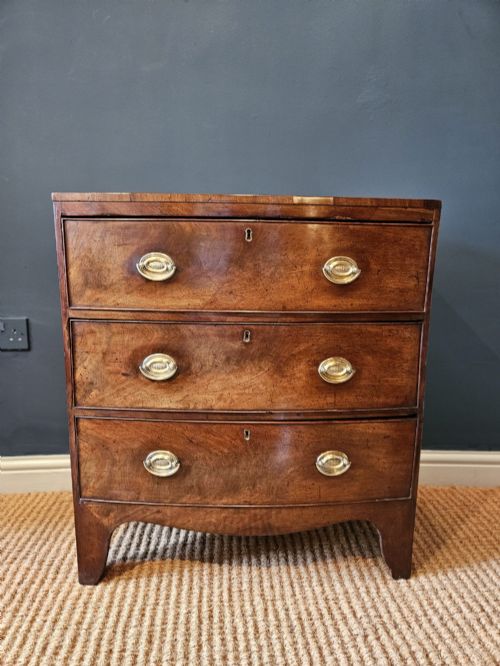
The objects stem predominantly from the Victorian period, with examples spanning from the eighteen-fifties through the eighteen-eighties alongside related Regency and Edwardian pieces. Formats vary from small bow-fronted chests to large pedestal desks and bureau chests of drawers.
Originating from British workshops and firms, these items served the domestic and study needs of middle and upper-class households. Their survival relies on sturdy framing and dense hardwoods.
How they were made
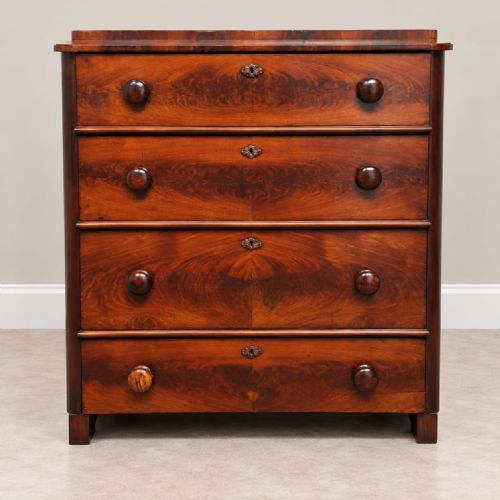
Cabinet makers built these pieces using solid mahogany and pine carcasses, frequently applying flame mahogany veneer to drawer fronts and surfaces to create rich grain patterns. Secondary timbers like pine provided internal framing for drawers and secondary partitions.
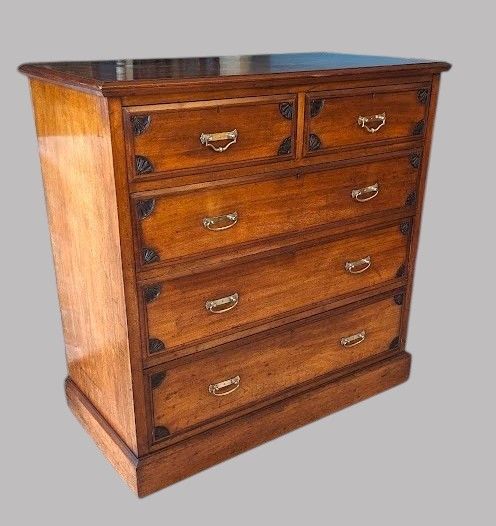
Hardware elements such as brass handles, key escutcheons, and occasional bone details secured drawers and added functional contrast to the dark wood. Joinery techniques included hand-cut dovetails on drawer boxes and secure mortise and tenon frames.
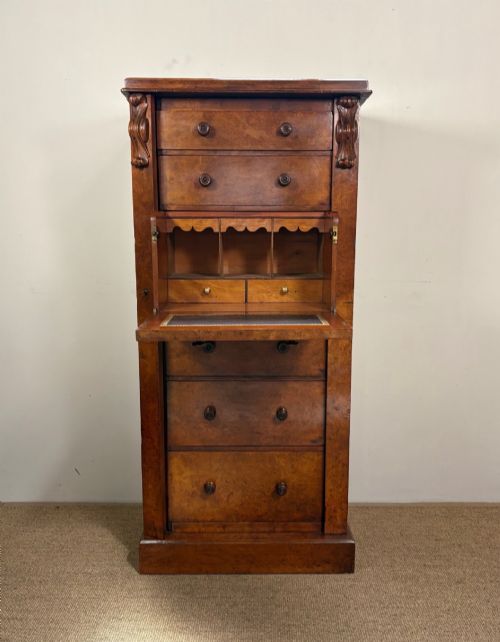
Several pieces include hidden compartments behind miniature pigeonholes, designed for letters that required absolute discretion.
What varies in quality
Quality rests in the selection of timber veneers and the precision of the cabinet work, particularly how flame mahogany grain is matched across multiple drawer fronts. Superior pieces display crisp turnings, tight dovetail joints, and carefully fitted internal writing drawers.
The integration of secondary decorative woods such as satinwood crossbanding or maple distinguishes standard utility storage from finer workshop output. Structural integrity depends on original brass hardware remaining intact and drawers operating smoothly within their solid timber runners.
Gillows·Maple and Co
The Victorian Mahogany Bureau Drawers Glossary
- Flame mahogany
- A veneer cut from the fork of the mahogany tree, producing a swirling, flame-like grain pattern. It was prized for principal display surfaces on high-grade furniture.
- Secretaire
- A desk or chest containing a pull-down writing flap that conceals small drawers and pigeonholes. This form allowed a standard chest of drawers to double as a writing desk.
- Davenport
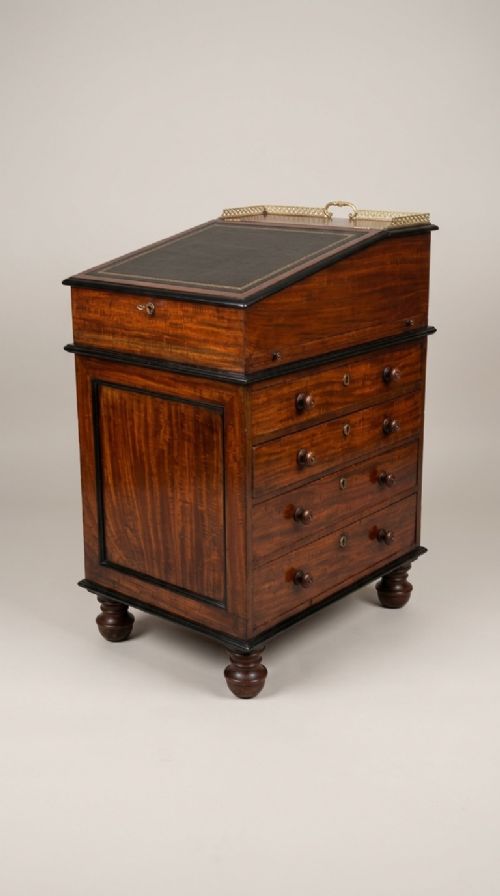
- A compact pedestal desk featuring a sloping writing surface and a bank of side drawers. It gained popularity during the nineteenth century for correspondence.
- Bow front
- A convex, curved front on a chest of drawers or cabinet. This shape required skilled carpentry to bend and fit timber accurately.
- Crossbanding
- A strip of veneer laid around the border of a panel with the grain running at right angles to the centre. It provided a neat decorative frame on drawer fronts.
Victorian Mahogany Bureau Drawers: Frequently Asked Questions
What is a secretaire chest?
A secretaire chest combines a standard drawer unit with a pull-down writing drawer that conceals small compartments. It served as a practical solution for correspondence in rooms with limited floor space.
The drop-front drawer opens to reveal pigeonholes and small timber drawers for stationery. When closed, the piece maintains the clean appearance of a regular chest of drawers.
What distinguishes a Davenport desk?
A Davenport is a small, compact desk featuring a sloped leather-inset writing surface above a set of side drawers. It was designed for personal correspondence and paperwork in Victorian parlours and bedrooms.
The stationary compartment often sits at the top rear of the sloping lid. Drawers typically pull out from one side while dummy drawers balance the opposite flank.
Are these pieces made of solid mahogany?
Most nineteenth-century pieces utilise a combination of solid timber and applied veneers over secondary woods like pine. Flame mahogany veneer was laid onto stable carcass timbers to achieve striking decorative grain patterns without risking excessive warping.
Drawer linings, interior partitions, and carcase backs frequently employ secondary timbers. Solid mahogany was generally reserved for structural framing, drawer fronts, and turned elements.