
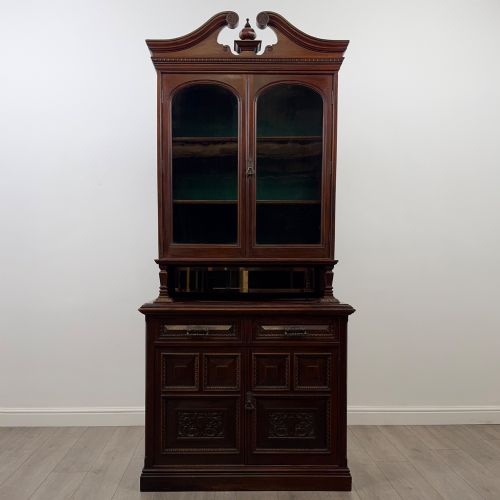
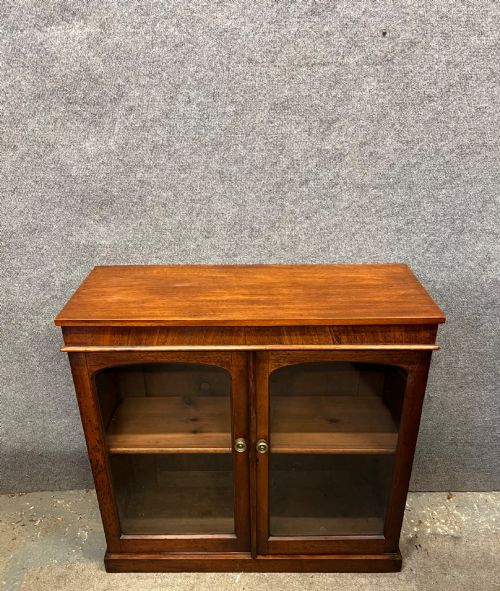
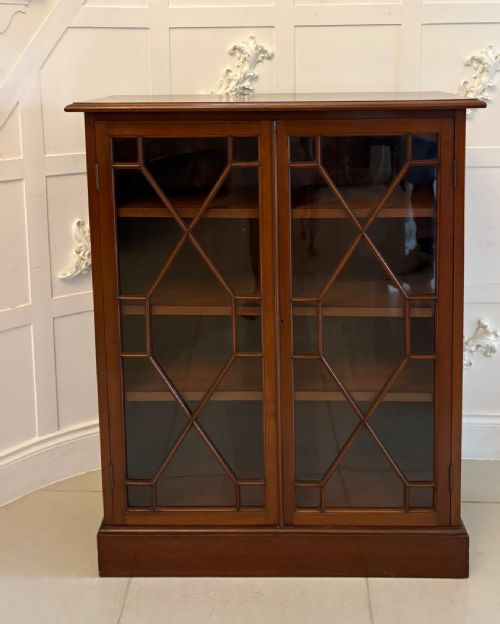
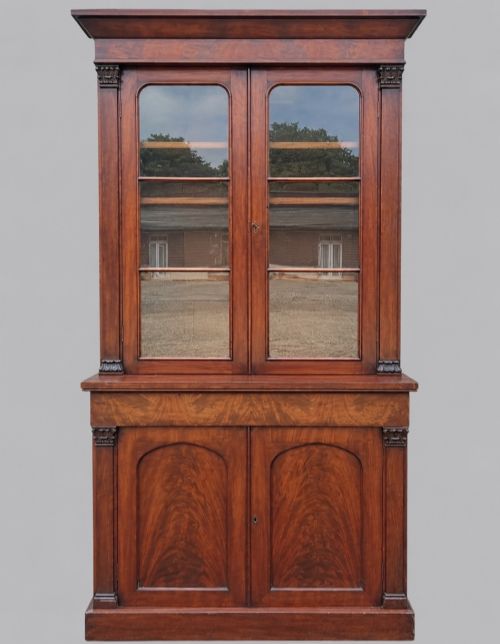
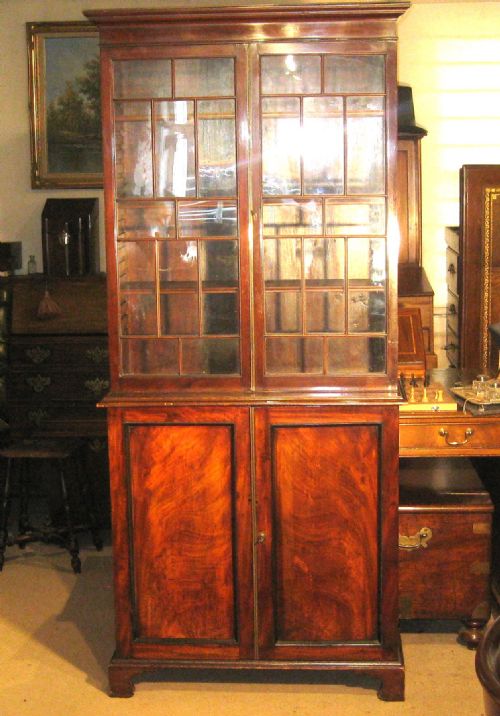
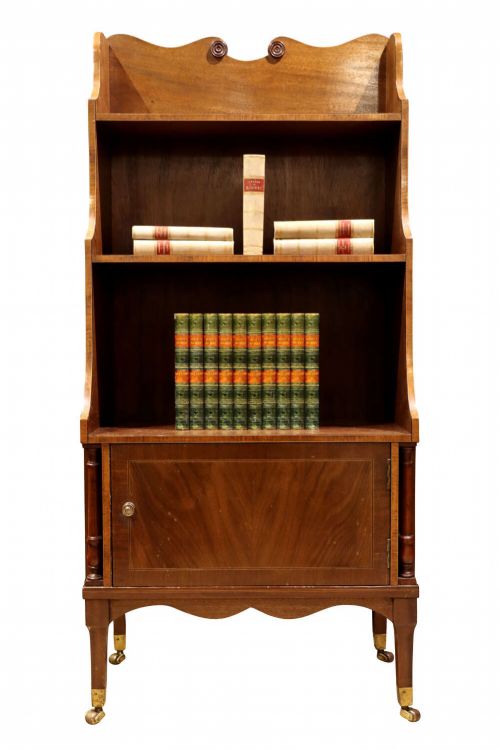


Victorian Mahogany Book Cabinet
A victorian mahogany book cabinet brings handsome presence and enduring practicality to any study, offering sturdy shelves above enclosed storage for volumes and papers.
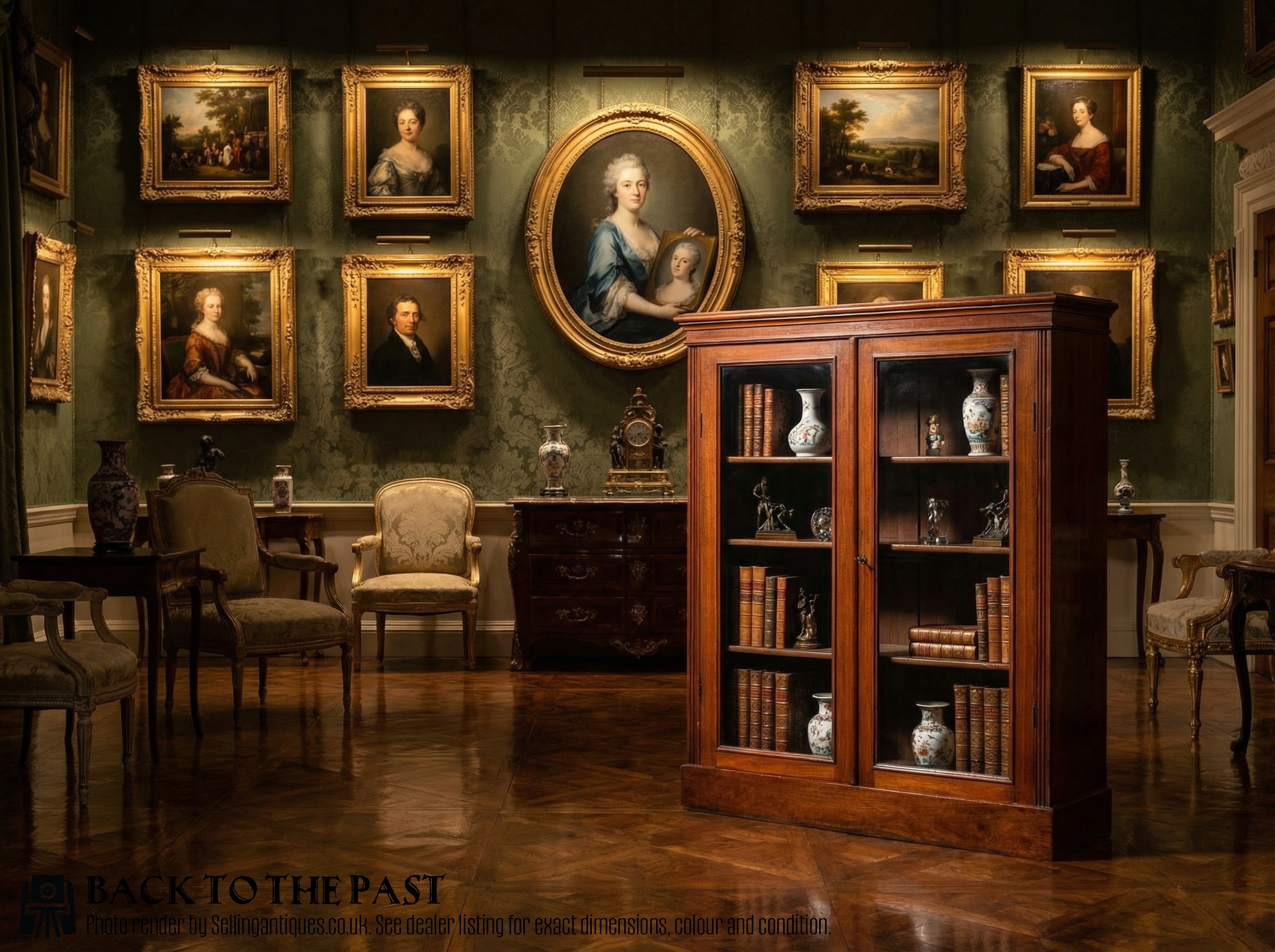
Victorian Mahogany Book Cabinet
When searching for a victorian mahogany book cabinet, buyers encounter substantial library pieces alongside smaller glazed display furniture and open shelving units. The pieces on this page span the nineteenth century, with strong representation from the Victorian era as well as Georgian, Regency, and William IV periods.
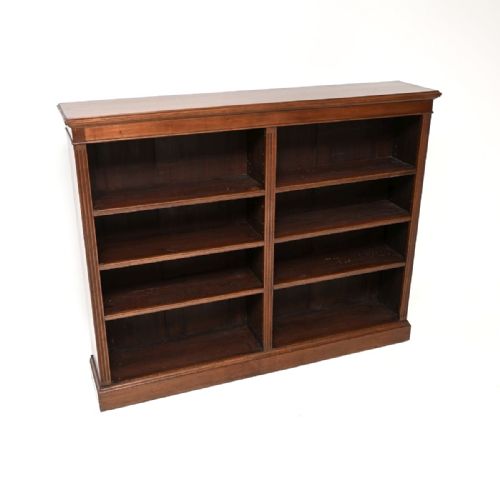
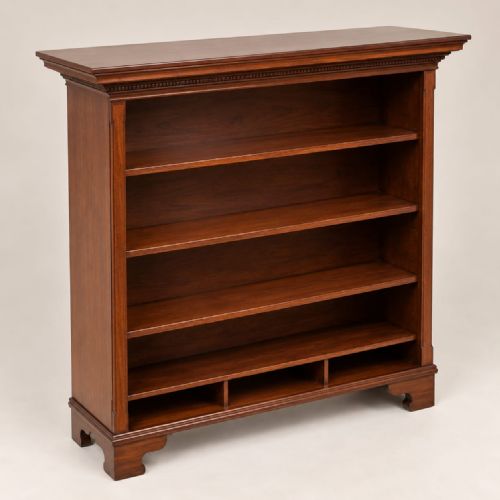
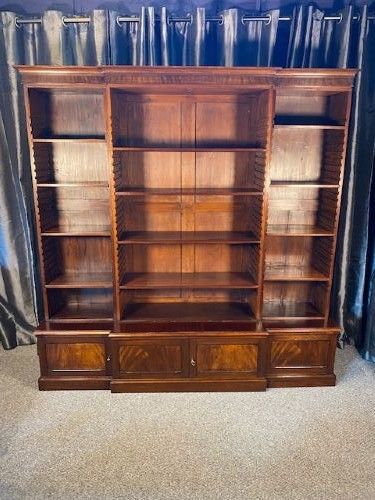
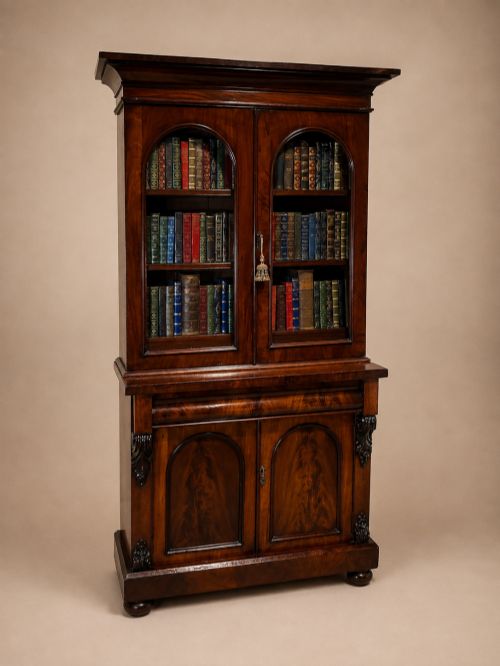
Forms vary from towering breakfront library bookcases to compact tabletop cabinets, waterfall bookcases, and chiffoniers with built-in cupboards. Many examples feature two distinct sections, combining upper glass doors or open shelves with lower wooden cupboards or secretaire drop-front desks.
Originating primarily from English workshops, these cabinets served domestic studies, grand libraries, and commercial shops. Buyers are most likely to meet glazed display cabinets and open mahogany bookcases designed to organise substantial home collections.
How They Were Made
Cabinet makers utilised dense timber such as solid mahogany and flame mahogany veneer, often pairing the rich primary wood with secondary structural elements in pine and other supportive woods. Ormolu mounts and satinwood inlay appear on select examples to accent the rich reddish-brown grain of the primary timber.
Glass panel doors protect the upper shelving compartments, while brass castors support heavy floor-standing library pieces for ease of movement. Construction methods prioritised sturdy two-section builds and robust breakfront configurations designed to bear the immense weight of heavy volumes.
Listings feature woods including mahogany, satinwood, pine, and brass, alongside ormolu mounts and glass.
What Varies in Quality
The degree of figuration in the timber grain distinguishes standard utility pieces from exceptional commissions, with rich flame mahogany veneer and satinwood detailing indicating higher-tier work. Finely carved architectural details and proportioned breakfront forms demonstrate superior craftsmanship.
Makers of note and documented workshops elevate a piece through refined joinery and integrated fittings such as folio cabinets and specialised secretaire drawers. The presence of original brass hardware and well-executed secondary woods further separates everyday library furniture from superior examples.
Gillows·Holland and Sons
The Victorian Mahogany Book Cabinet Glossary
- Breakfront
- A cabinet design where the central section projects forward from the flanking wings, creating a strong architectural silhouette.
- Secretaire
- A desk form featuring a pull-down writing flap that conceals small drawers and pigeonholes, often built into the mid-section of a larger library piece.
- Flame mahogany
- A veneer cut from the fork of the mahogany tree, producing a dramatic, flickering flame-like pattern across the surface of the wood.
- Ormolu
- Gilded bronze ornamentation applied as mounts and decorative highlights on select nineteenth-century furniture.
- Waterfall bookcase
- A tiered shelving unit where each successive shelf is slightly deeper than the one above, creating a cascading profile.
Victorian Mahogany Book Cabinet: Frequently Asked Questions
How do I use a secretaire bookcase?
The secretaire incorporates a hinged writing flap that pulls down to reveal fitted stationery compartments and a leather or wood writing surface. It combines a working desk with upper bookshelf storage in a single footprint.
When closed, the drop-front maintains the neat appearance of a standard drawer front.
Are these cabinets made of solid mahogany?
Many pieces utilise solid mahogany for structural framing and pillars, combined with flame mahogany veneer across the main door panels and drawer fronts. Secondary woods like pine appear in internal shelving and carcase construction.
This method displayed the most decorative grain on the exterior while maintaining stable internal construction.
What distinguishes late Victorian pieces?
Late Victorian examples often incorporate lighter decorative elements, including satinwood inlay and fine waterfall tiering. They reflect changing domestic interiors towards the end of the nineteenth century.
Proportions can be more compact compared to massive mid-century library breakfronts.