


Victorian Mahogany Bench
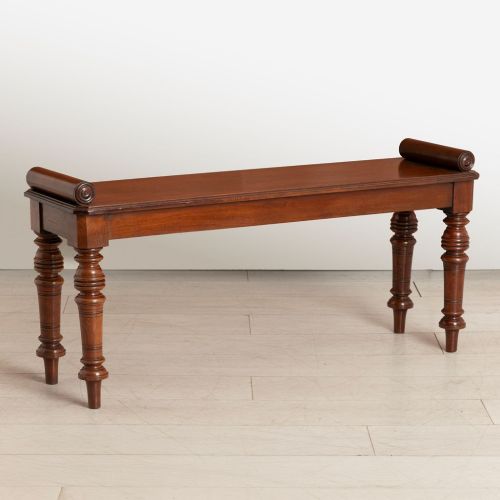
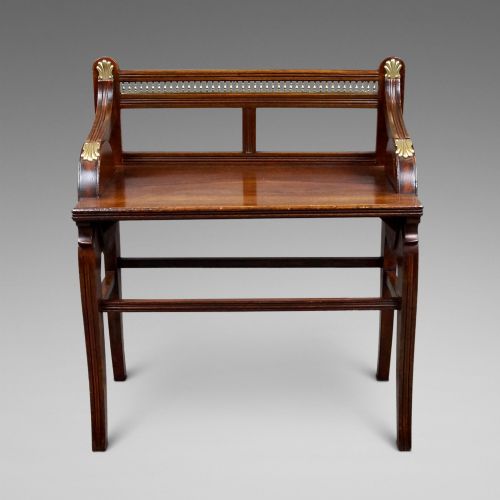
A victorian mahogany bench offers solid timber framing and upholstered seating designed to anchor a hallway or window space with period character.

Victorian Mahogany Bench
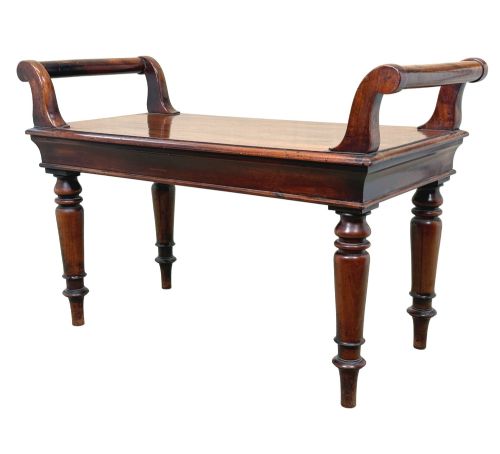
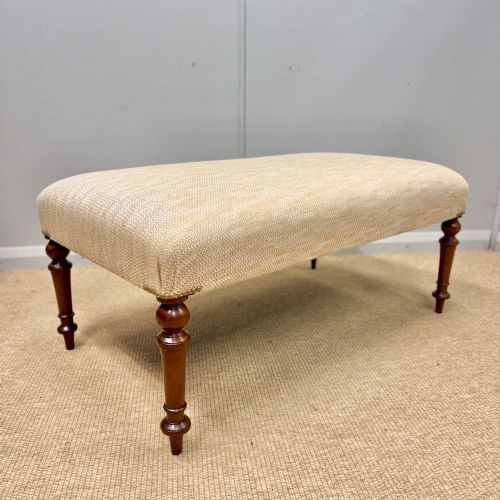
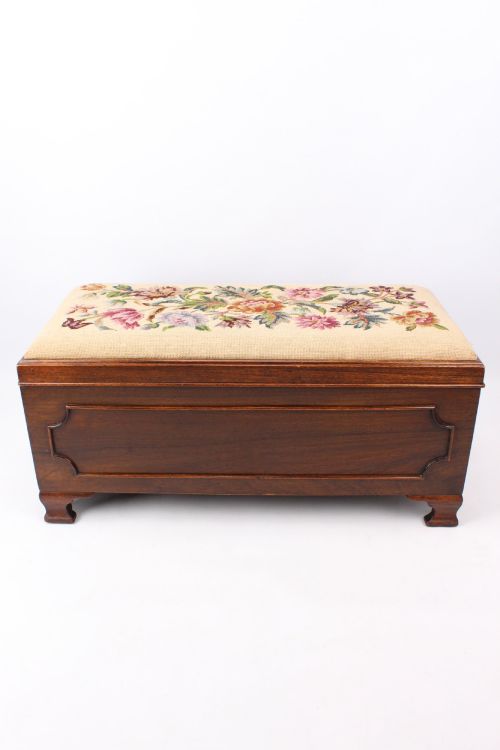
A victorian mahogany bench encompasses a varied range of long seating forms, from narrow hall benches and window seats to low footstools and ottomans. These pieces reflect the domestic needs of nineteenth-century households, serving practical seating and storage functions across different rooms.
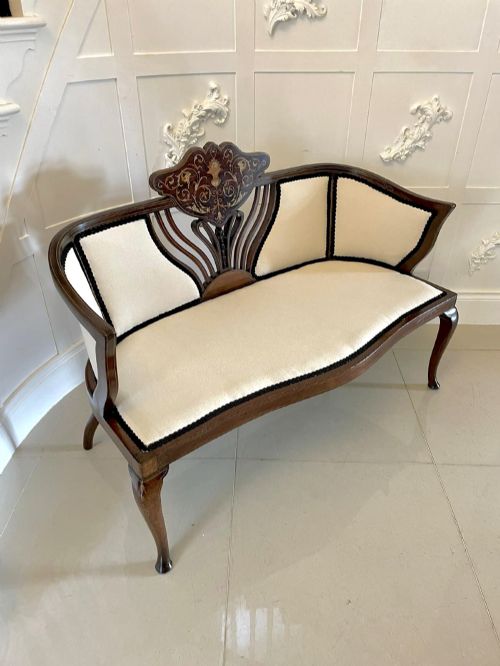
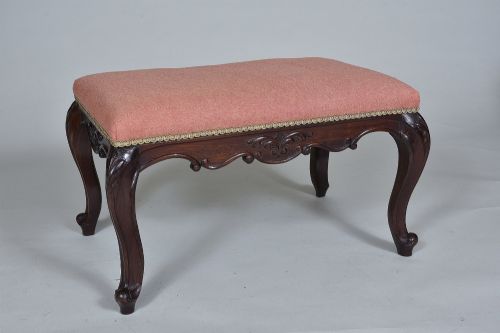
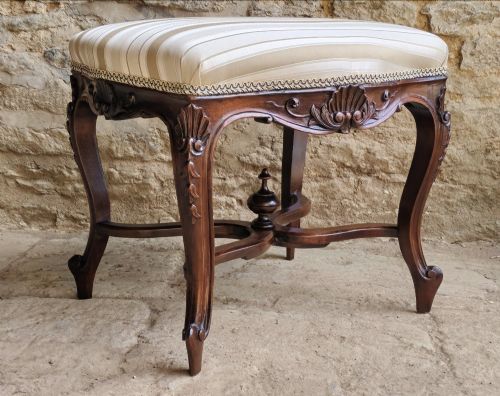
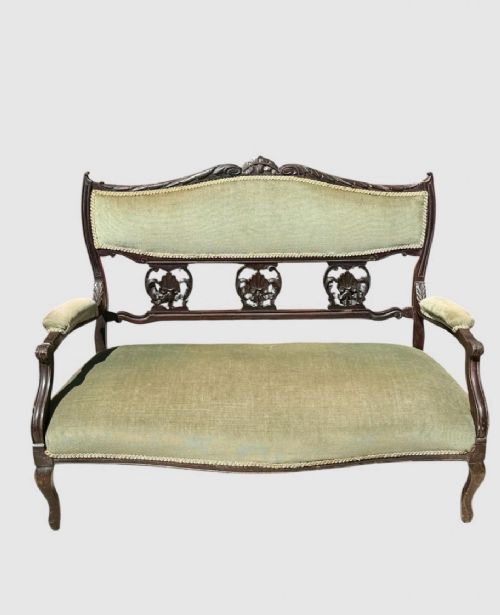
The version most commonly encountered on this page is the hall bench or window seat, frequently featuring turned or cabriole legs and mahogany frames dating from the mid to late nineteenth century. Many examples integrate upholstered pads in leather, velvet, or woven fabric.
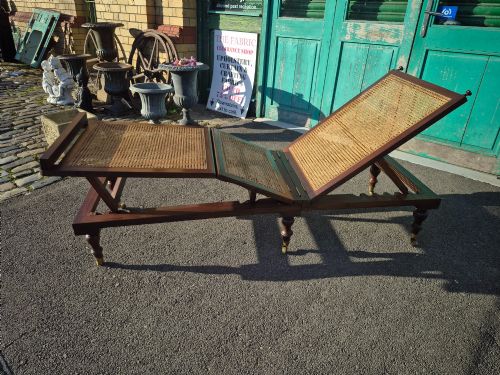
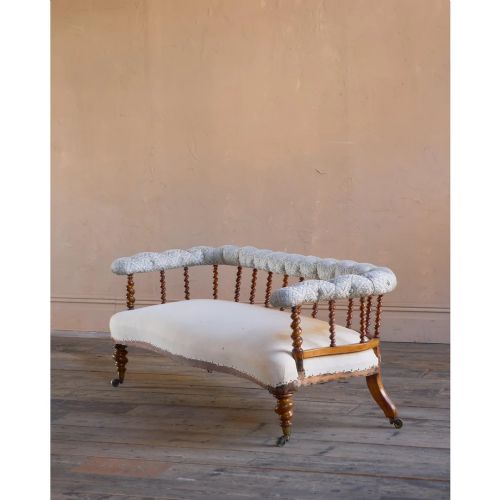
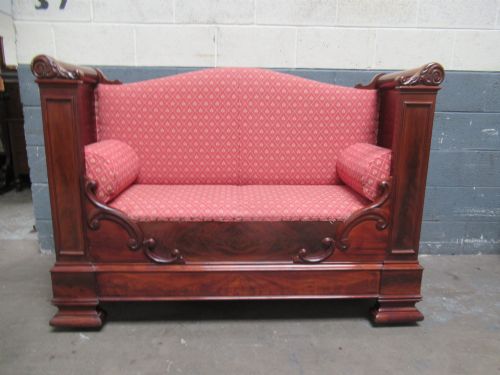
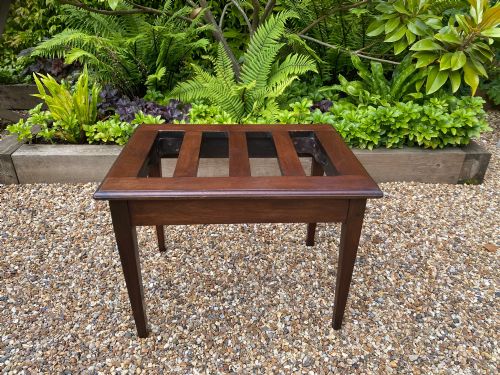
Alternative forms appearing in the inventory include luggage stands, piano stools, and larger settees, demonstrating how cabinet makers adapted the timber for diverse domestic utilities. These items span early Victorian interpretations through to later revival styles.
How They Were Made
Cabinet makers utilised dense tropical hardwood, specifically mahogany, for structural frames, relying on its stability to support turned legs, carved rails, and x-frame supports. Brass castors and iron mechanisms were frequently incorporated into mobile stools and revolving piano seats.
Upholstery techniques combined traditional stuffing methods with textile coverings such as leather, needlework, and velvet, secured with careful buttoning or trimming. Frames often display carved ornamentation or subtle inlay work executed by hand.
Tram benches crossed from public transport networks into domestic halls to serve as durable seating.
What Varies in Quality
The calibre of a victorian mahogany bench rests upon the depth of the timber grain, the precision of hand-carved details, and the integrity of the original frame construction. Superior examples exhibit substantial proportions and refined joinery that withstands centuries of use.
Subtleties in secondary materials, such as the quality of the upholstery fabric or the inclusion of original brass castors, distinguish standard utility pieces from fine country house furnishings.
C. Hindley & Sons·Jas Shoolbred·Hallett & Sons·Waring and Gillows·Butlers of Dublin
The Victorian Mahogany Bench Glossary
- Cabriole leg
- A furniture leg that curves outward at the knee and tapers inward to an ankle, reflecting eighteenth-century design revivals in nineteenth-century seating.
- Luggage stand
- A low folding or rigid rack traditionally placed in bedrooms or country house corridors for holding travel trunks and cases.
- Ottoman
- An upholstered seat or couch without arms or a back, frequently fitted with a hinged lid for interior storage.
- Window seat
- A long, narrow bench specifically proportioned to fit within the architectural recess of a domestic window opening.
- X-frame
- A structural furniture base formed by intersecting diagonal timbers that cross to resemble the letter X.
Victorian Mahogany Bench: Frequently Asked Questions
Where were these benches placed?
A victorian mahogany bench was typically positioned in grand entrance halls, corridors, or beneath bay windows to provide convenient seating for putting on shoes or watching the street.
In larger country houses, narrower hall versions served transient guests, while bedroom settings utilised matching footstools or luggage stands.
How do I clean mahogany wood?
Maintenance requires dusting the hardwood surface with a soft, dry cloth to prevent the accumulation of grit that might scratch the polish.
Occasional application of traditional beeswax feeds the timber and preserves the natural lustre without sealing the grain under heavy modern lacquers.
Can I reupholster a bench seat?
Replacement of worn fabric is a common practice that allows owners to integrate antique frames into contemporary interiors using complementary textiles.
Retaining the underlying webbing and stuffing methods helps maintain the correct profile and firmness intended by the original maker.
How do I date a bench?
Dating relies on observing structural characteristics, such as the transition from early Victorian restrained lines to heavier late-nineteenth-century carving or inlaid decoration.
Hardware details like brass castors and the condition of the mahogany timber further indicate whether a piece originates from the 1850s or the closing decades of the century.