

Victorian Low Tea Table
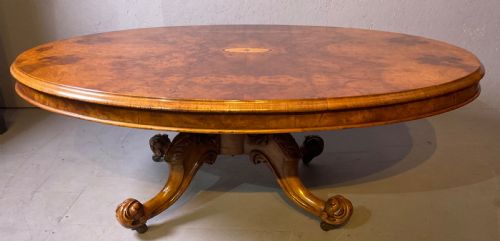
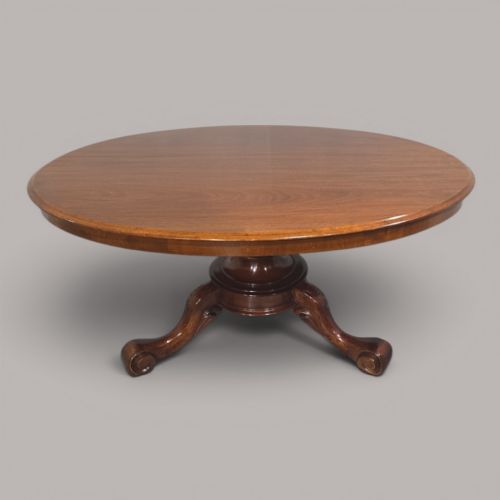
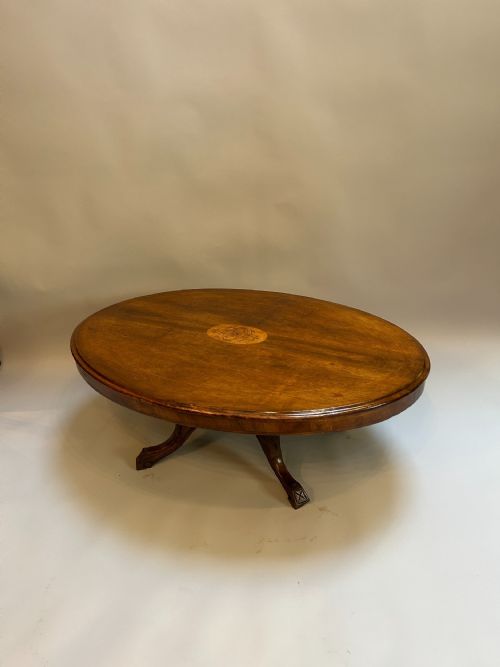
A victorian low tea table brings nineteenth-century character to a modern room, offering a functional surface with distinct period presence.
Victorian Low Tea Table
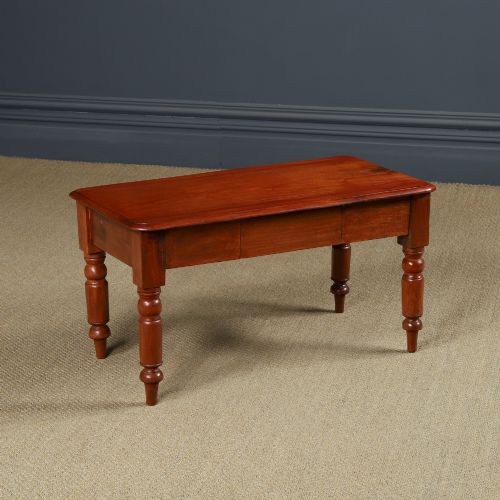
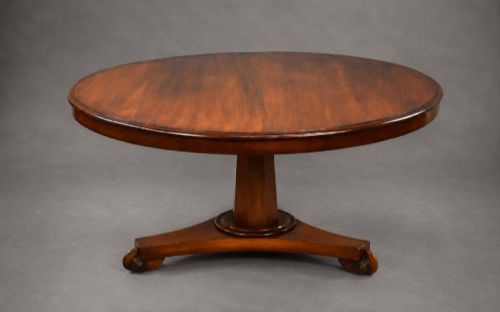
When you search for a victorian low tea table, you encounter a selection of nineteenth-century occasional tables adapted for modern living. These pieces originate primarily from the Victorian period, alongside related examples from the wider nineteenth century.
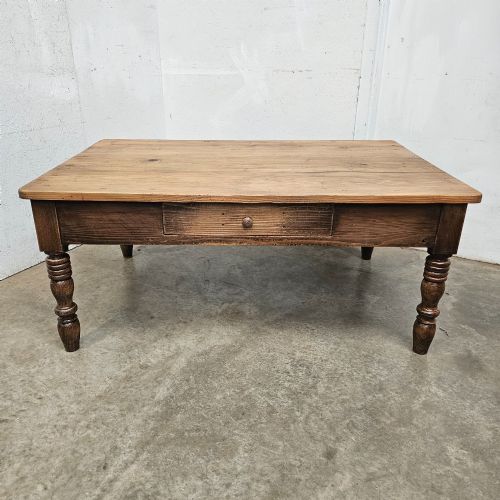
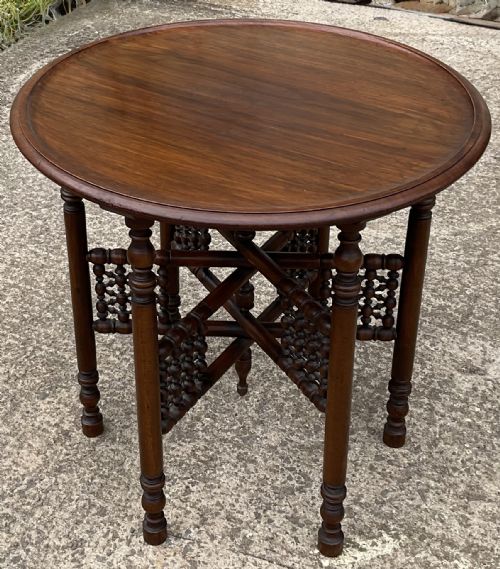
The form often derives from tables originally used for afternoon tea, wine service, or games. Many examples on this page take the shape of coffee tables, tray tables, and low lamp tables with substantial history.
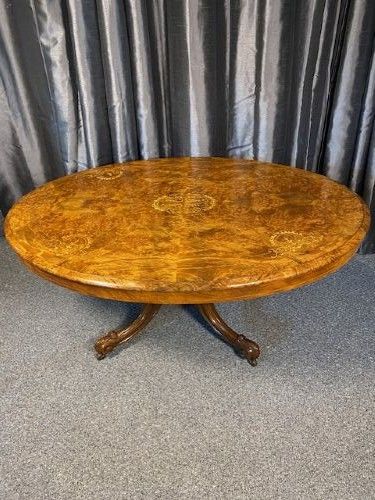
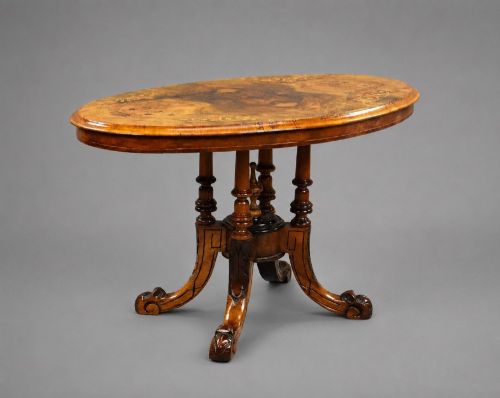
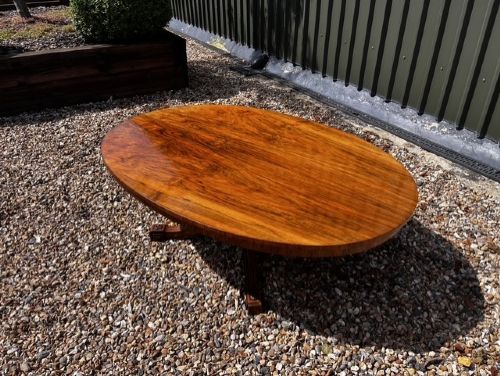
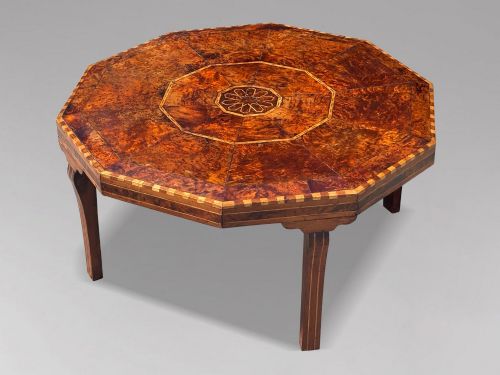
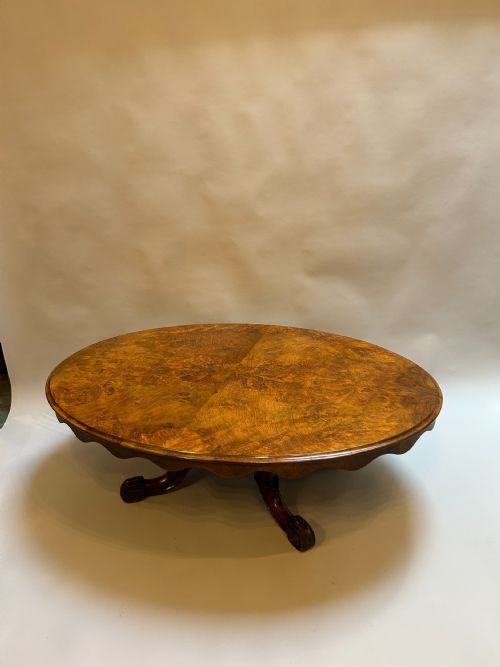
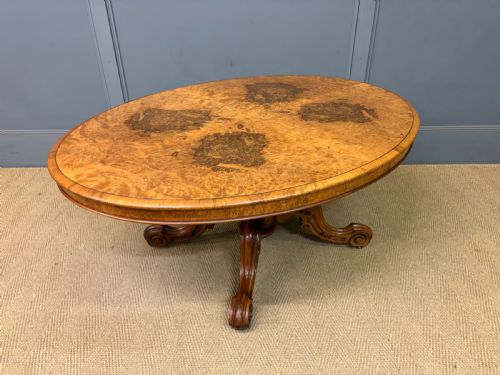
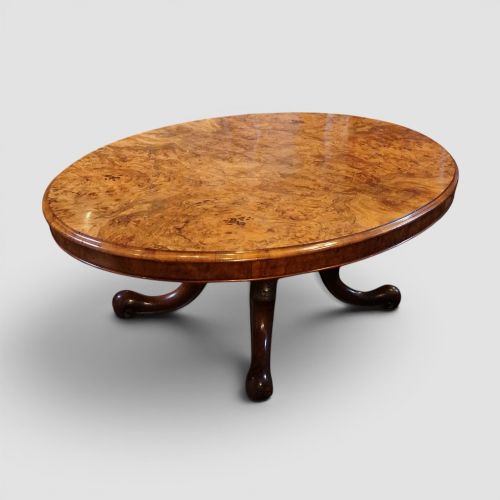
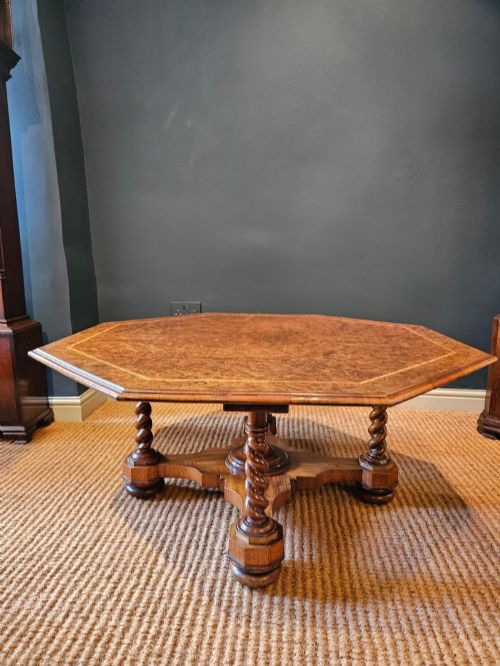
You will find walnut, burr walnut, and mahogany frequently, alongside occasional variations in oak, pine, and lacquer. Formats range from rectangular and oval to octagonal tops resting on turned legs or carved bases.
Materials and Construction
Cabinet makers relied on figured timbers such as burr walnut and mahogany to provide rich surface patterns. Marquetry inlay and wood inlay frequently embellish the tops, adding geometric or floral detail.
Structural elements include turned legs, hand-carved wooden bases, and occasionally modern cast iron tripod supports paired with period tops. Joinery reflects nineteenth-century workshop practices, ensuring sturdy low-level support for daily use.
One exceptional walnut tea fancies stand even includes integrated beadwork for presenting afternoon cakes.
Assessing Quality and Execution
Quality rests in the selection of timber veneers, particularly the depth of figure in burr walnut or satinwood. Superior pieces exhibit precise marquetry inlay and crisp hand-carved detailing on the base.
Maker attribution elevates certain examples, particularly signed pieces from prominent London workshops. The harmony between the top and the supporting base also dictates the overall standard of the table.
Holland & Sons Of London·Edwards and Roberts of London·Gillows of Lancaster
The Victorian Low Tea Table Glossary
- Burr walnut
- A prized veneer taken from the burl growth of the walnut tree, noted for swirling, mottled grain patterns. It forms the primary decorative surface on many high-end Victorian tables.
- Marquetry
- The art of applying pieces of veneer to a structure to form decorative patterns and pictures. Makers utilised contrasting woods to create intricate tabletop designs.
- Occasional table
- A small, movable table designed for a specific, non-permanent function in a room. These include tea tables, wine tables, and low lamp tables.
- Tray table
- A table comprising a removable or fixed tray top mounted on a folding or rigid stand. Examples often feature Chinoiserie lacquer decoration.
Victorian Low Tea Table: Frequently Asked Questions
How were these low tables originally used?
These pieces served practical domestic functions such as holding afternoon tea sets, wine decanters, or serving as games surfaces in Victorian reception rooms.
Over time, many of these low formats adapted naturally into living spaces as coffee tables.
Can I use a Victorian tea table as a coffee table?
Yes, their naturally low proportions make them well suited for placement in front of modern sofas and seating areas.
Their sturdy timber construction accommodates daily household use while retaining distinct period charm.
What periods do these tables represent?
The listings span the nineteenth century, with a heavy concentration of pieces from the Victorian era between eighteen fifty and eighteen ninety.
Related styles from the Regency and William IV periods also appear among the selection.