

Victorian Lounge Seating
Victorian lounge seating brings together deep-sprung armchairs, elegant daybeds, and button-backed sofas designed for formal reception rooms and private chambers alike.
Victorian Lounge Seating
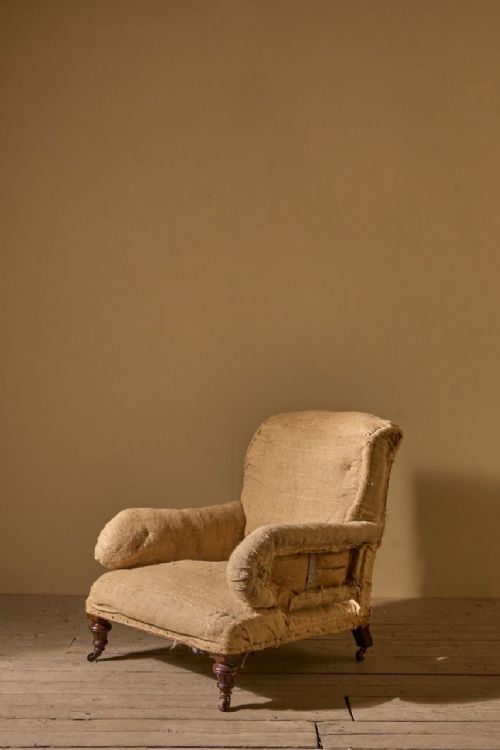
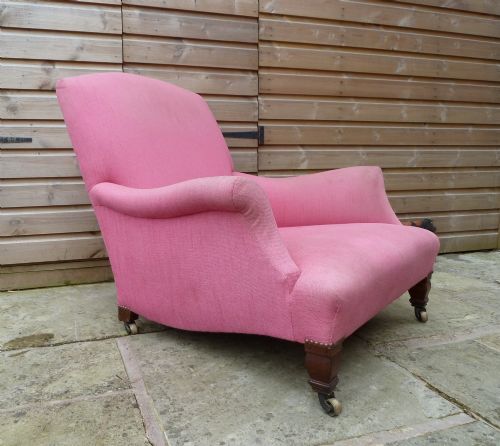
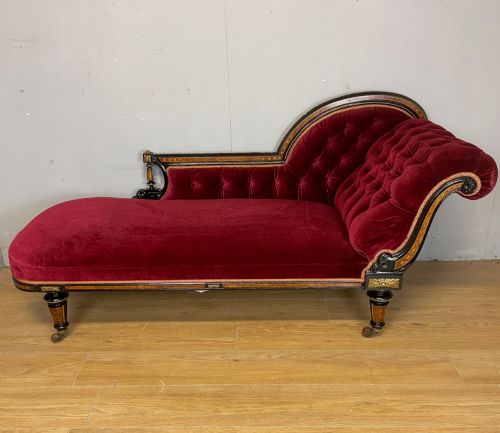
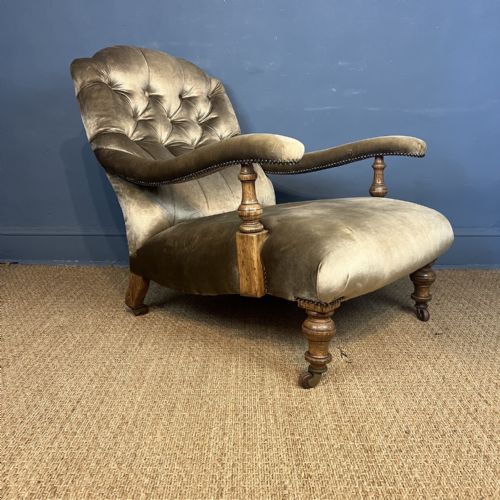
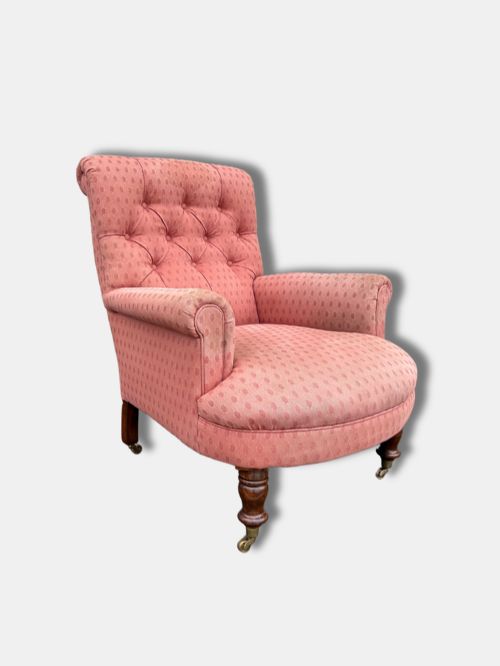
Victorian lounge seating covers a broad array of domestic furniture designed for comfort and parlour display, ranging from low nursing chairs to expansive deep-seated armchairs. The pieces appearing most frequently here are nineteenth-century armchairs and chaise longues, often bearing the characteristic low profile of a slipper chair or the generous proportions associated with English country house seating.
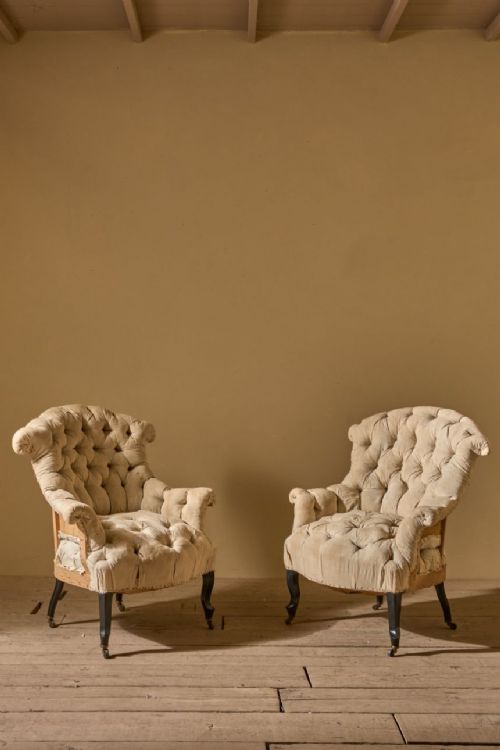
The styles recorded span from the mid-nineteenth century through to the turn of the twentieth, encompassing Victorian button-back designs alongside Napoleon III French chairs and Regency revivals. Makers and workshops of note such as Howard and Sons, Gillows, and Morris and Co are represented by sturdy walnut frames and low-slung lounging forms.
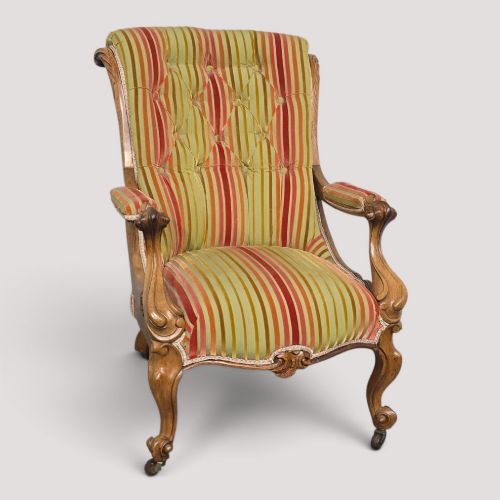
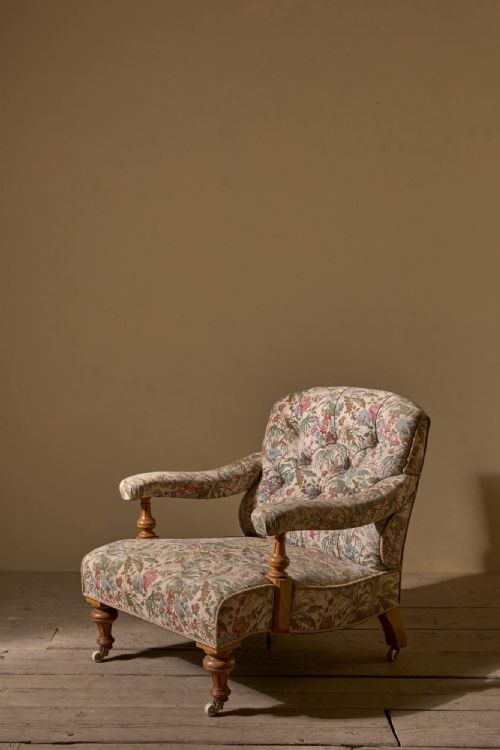
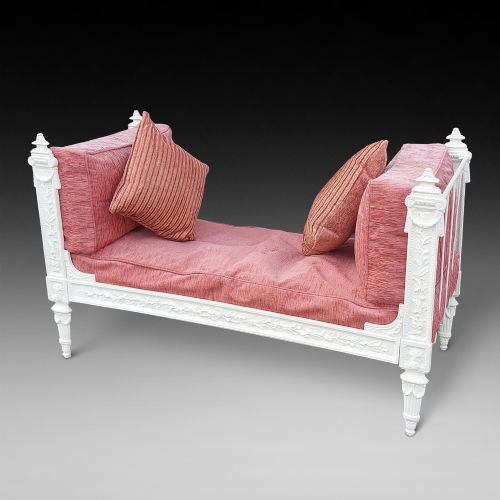
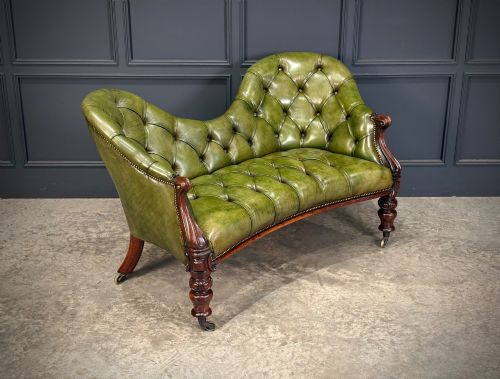
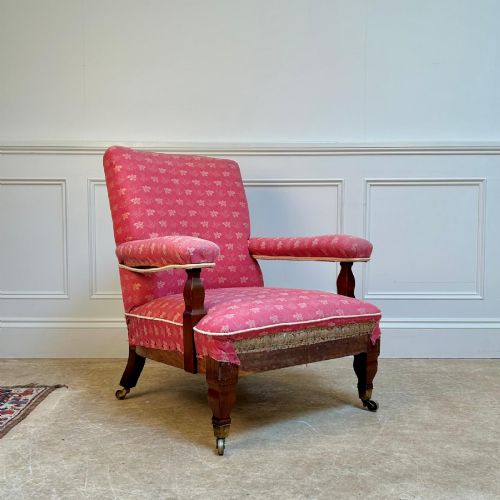
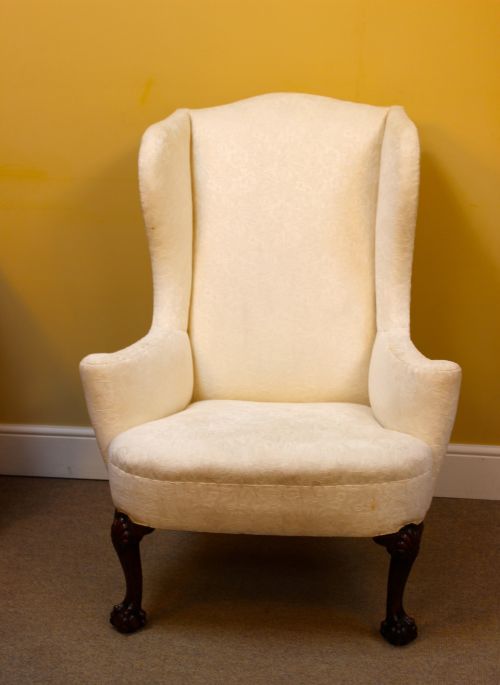
Forms include daybeds in cast iron, mahogany library chairs, and walnut wing chairs upholstered in velvet, leather, and calico. Buyers seeking this category encounter seating built for specific domestic zones, from the bedroom boudoir to the grand library.
Materials and construction methods
Frames are constructed primarily from dense timbers such as mahogany, walnut, rosewood, and oak, occasionally featuring ebonised finishes, ormolu decoration, and inlaid walnut panels. Cast iron also appears in specific forms like daybeds, providing structural rigidity.
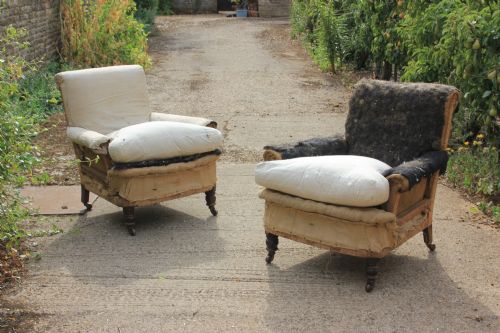
Upholstery relies on traditional stuffing materials beneath outer layers of velvet, leather, calico, hessian, and fabric, often secured with deep buttoning and decorative fringing. Brass castors frequently support the legs of heavier armchairs and sofas to aid movement across carpets.
Listings feature nineteenth-century seating supported by frames of mahogany, walnut, and rosewood, paired with upholstery in leather, velvet, and calico.
Factors that distinguish better examples
The calibre of a piece rests upon the integrity of its timber frame and the depth of its original springing system. Chairs with robust walnut or mahogany structures and substantial stuffing provide superior comfort and longevity.
Distinction also arises from attribution to prominent makers and the survival of original upholstery details, such as stamped brass castors or maker markings on the webbing, which elevate historical interest.
Howard and Sons·George Jack For Morris and Co·Gillows·Hampton and Sons
The Victorian Lounge Seating Glossary
- Slipper chair
- A low-seated upholstered chair originally designed for ladies' bedrooms to sit in while putting on shoes. Their low profile makes them suitable for intimate spaces.
- Button-back
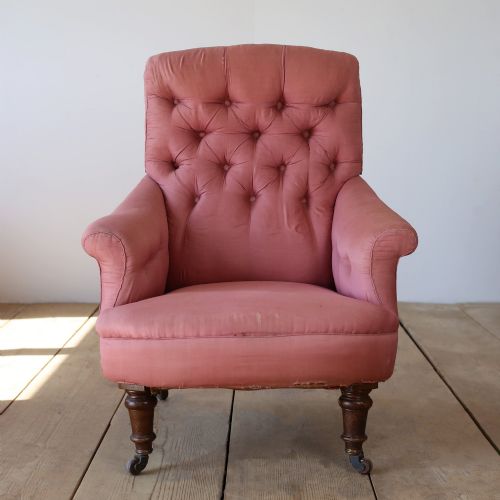
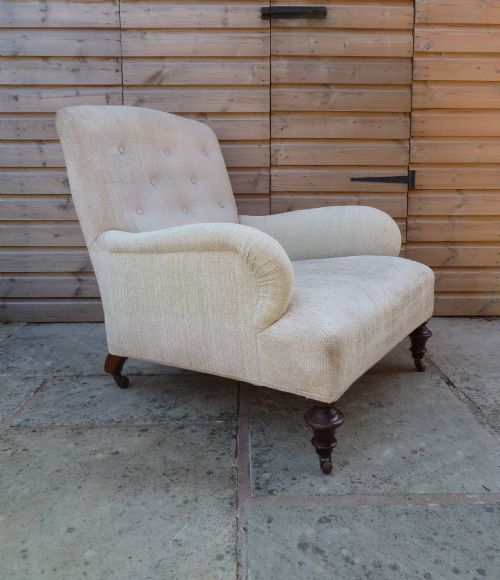
- An upholstery technique where buttons are pulled deep into the padding in a diamond pattern. This secures the internal stuffing and creates a textured, supportive surface.
- Ormolu
- Gilded bronze or brass applied as decorative mounts on furniture. It adds metallic contrast to dark woods like walnut and mahogany.
- Wing armchair
- An armchair with side panels attached to the back frame designed to block draughts and trap heat from a fireplace. They offer substantial back and head support.
Victorian Lounge Seating: Frequently Asked Questions
What defines a Victorian lounge chair?
These chairs are characterised by deep springing, solid timber frames in walnut or mahogany, and substantial padding designed for domestic comfort.
They often feature distinctive treatments like button-backed upholstery, turned legs, and brass castors for manoeuvrability.
How do I identify a nursing chair?
Nursing chairs are typically built with low seats and relatively high backs, designed for ladies sitting in bedrooms or nurseries during the nineteenth century.
They frequently appear as slipper chairs or occasional chairs upholstered in velvet, calico, or leather.
Where were chaise longues used?
Chaise longues served as formal reclining seats in nineteenth-century drawing rooms, boudoirs, and grand country house libraries.
Their elongated seats allowed occupants to rest in a semi-recumbent posture without retiring to a bed.
What woods were used for frames?
Cabinet makers utilised dense hardwoods including walnut, mahogany, rosewood, and oak to ensure structural stability for heavy upholstery.
Some pieces also feature ebonised finishes or decorative wood inlays to match prevailing interior decoration styles.