
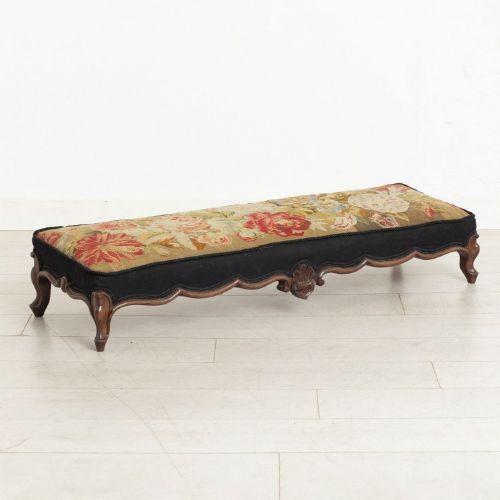


Victorian Long Footstool
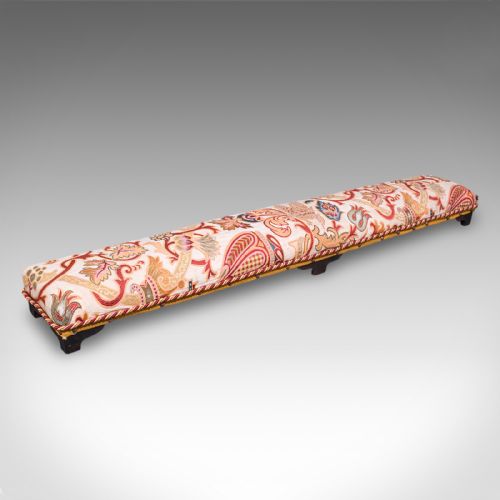
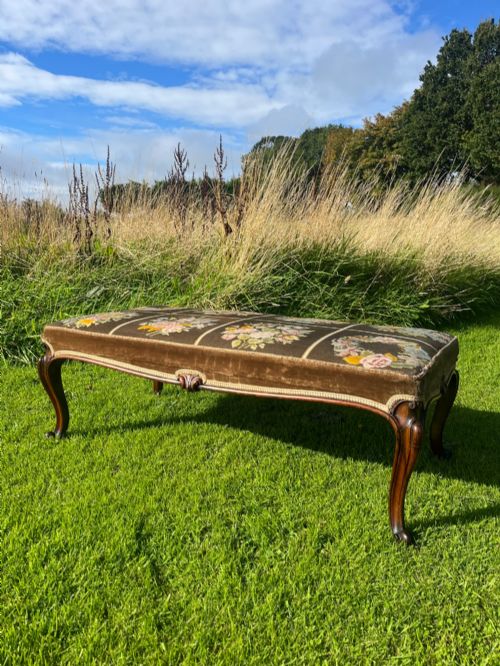
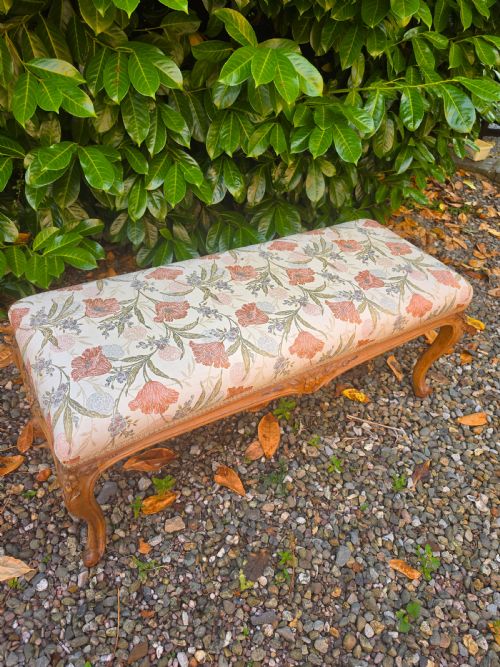
A victorian long footstool offers generous proportions and period charm, providing a comfortable resting place for feet beside the hearth.
Victorian Long Footstool
When you search for a victorian long footstool, you are looking at elongated nineteenth-century seating designed to accommodate multiple feet or to stretch out fully by the fire. The pieces seen here span the broader Victorian era, including specific dates from eighteen-sixty to eighteen-eighty and late Victorian examples.
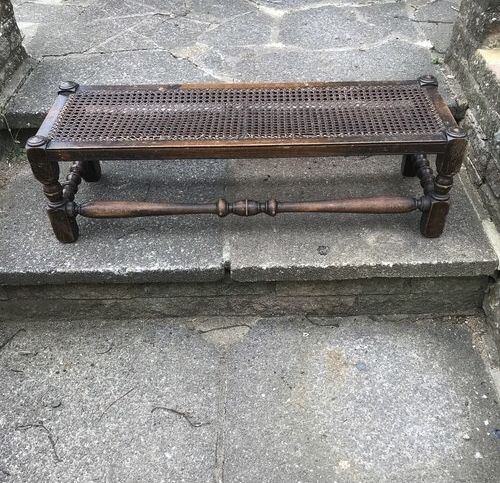
These items take various forms such as fender stools, fireside stools, and long upholstered benches. Materials include walnut, mahogany, oak, and rosewood, often paired with textiles, fabric, cane, or leather.
You will encounter pieces featuring cabriole legs, turned legs, or inlaid details, reflecting styles like Rococo Revival, Victorian Gothic, and Arts and Crafts. Many retain original fabric, tapestry, or upholstery such as Liberty William Morris velvet.
Materials and construction
Cabinet makers utilised sturdy timbers like walnut, mahogany, oak, and rosewood to build the frames of these long stools. Turned legs and cabriole legs were shaped to support the substantial length of the seat frame.
Upholstery techniques involved durable textiles, fabric, leather, tapestry, and occasionally cane seating panels. Details such as inlay work and hinged seats for internal storage added functional and decorative complexity.
Some nineteenth-century stools doubled as musical companions, featuring hinged seats designed to store sheet music beneath the player.
Distinguishing quality
The choice of timber underpins the structural integrity and visual weight of the piece, with dense hardwoods like walnut and rosewood offering finer grain and finish. Finer examples display carefully carved cabriole legs or precise inlaid woodwork rather than plain turned supports.
The retention of original materials, whether specific textiles like Liberty William Morris velvet, leather, or tapestries, elevates the integrity of the piece. Superior construction ensures the long frame remains stable and balanced across its span.
The Victorian Long Footstool Glossary
- Cabriole leg
- A furniture leg that curves outward and then tapers inward, typically ending in an ornamental foot. This design is frequently seen on nineteenth-century walnut and mahogany stools.
- Fender stool
- A long, low stool designed to fit around or in front of a hearth fender. These pieces keep feet warm near the fire.
- Turned leg
- A wooden leg shaped on a lathe to create cylindrical, spiral, or spool-shaped patterns. It provides sturdy support for many nineteenth-century oak and mahogany stools.
- Tapestry
- A heavy hand-woven or machine-woven fabric featuring pictorial designs. It is often utilised as durable upholstery for period seating.
Victorian Long Footstool: Frequently Asked Questions
What is a fender stool?
A fender stool is an elongated seat specifically designed to sit in front of or around a hearth fender. They allowed people to sit or rest their feet close to the warmth of the fire.
These pieces typically feature low profiles and long frames to match the width of traditional fireplace surrounds.
How were long stools used?
These items served primarily as footstools for stretching out or accommodating multiple people by the fireplace. Some variations also functioned as piano duet stools or window seats.
Their generous length provided versatile seating options in nineteenth-century drawing rooms and parlours.
Are these stools comfortable?
Yes, they were built with padded upholstery, leather, or textile tops designed for resting feet or sitting comfortably. Many retain historic fabrics like tapestry or velvet.
Their solid wood frames and supportive webbing or cane bases provide a firm yet comfortable surface.