



Victorian Log Scuttle Bin
These Victorian log scuttle bins kept hearthside fuel dry and tidy, combining utility with decorative brass and copper craftsmanship.
Victorian Log Scuttle Bin
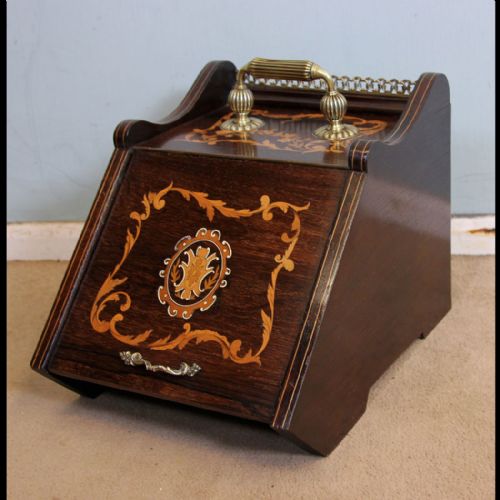
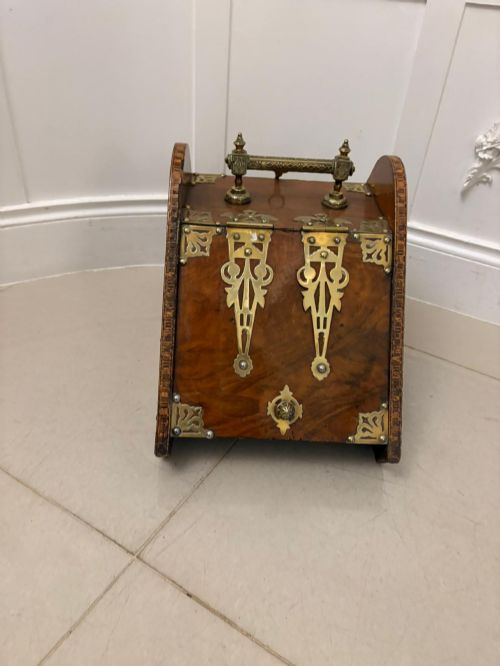
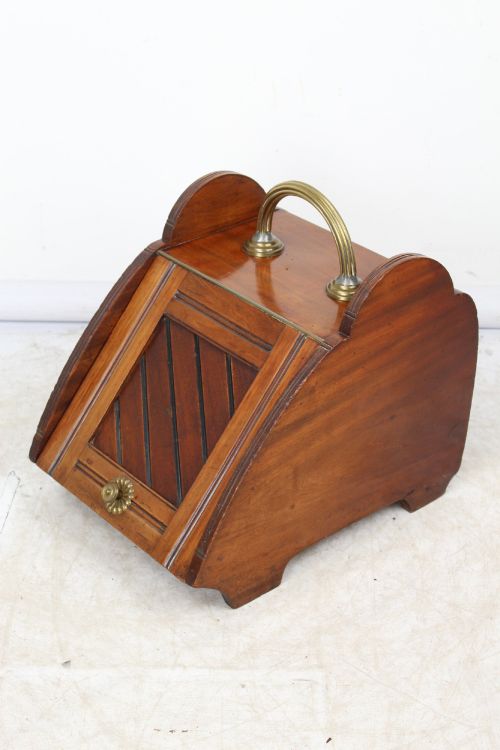
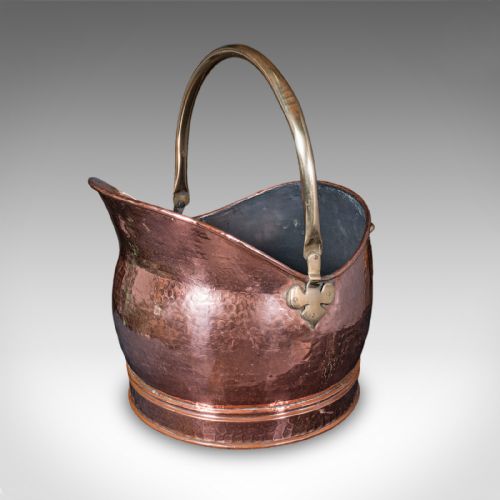
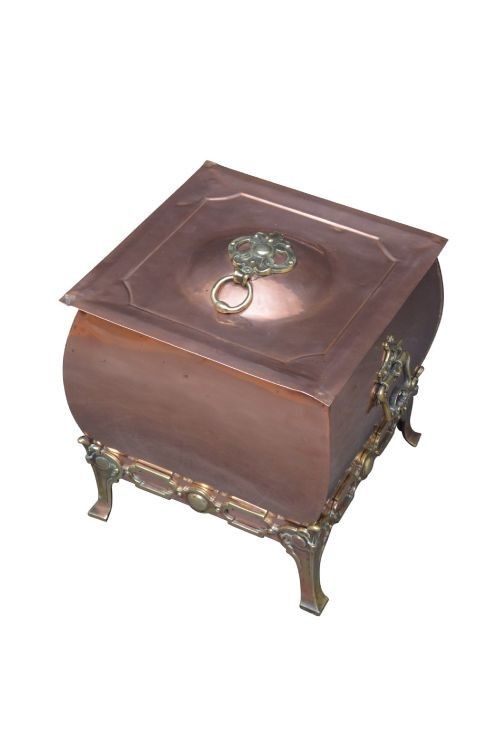
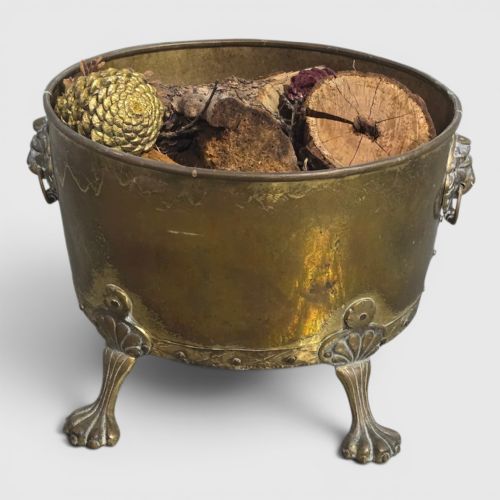
A victorian log scuttle bin serves as a practical fireside receptacle for fuel, appearing primarily in copper, brass, and timber formats across this selection. Buyers encounter numerous helmet-shaped scuttles, lidded coal boxes, and open buckets intended for hearth organisation.
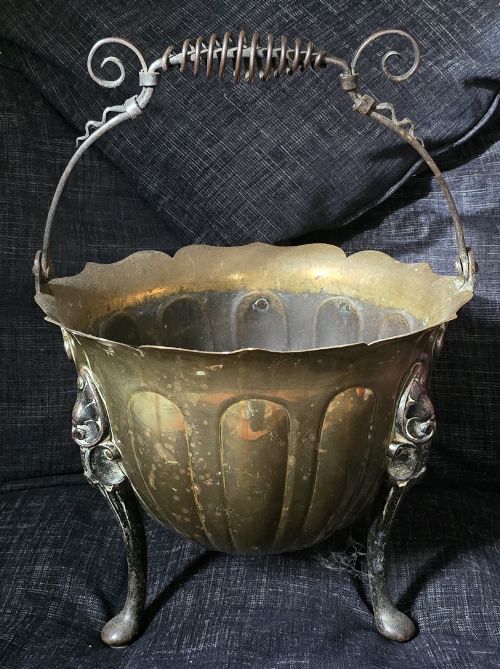
The objects span the nineteenth century and into the early twentieth century, carrying stylistic influences from Arts and Crafts, Gothic Revival, and Art Nouveau movements. Many examples double as planters or jardinières when not holding wood.
Makers and workshops of the period produced these utilitarian vessels using durable metals and hardwoods designed to withstand heavy daily use near the fire. Walnut, oak, and mahogany versions often incorporate metal liners and brass mounts for functional endurance.
How they were made
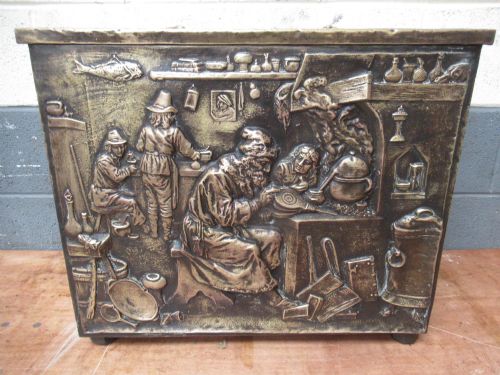
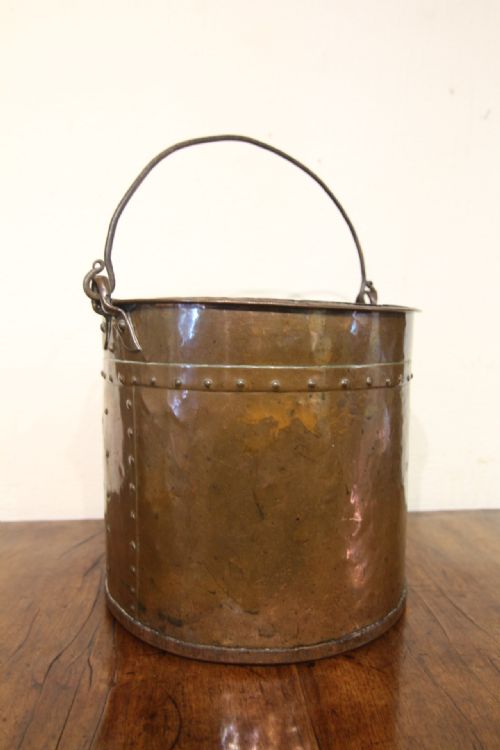
Metal vessels rely on hand-beaten sheet copper and brass joined with visible rivets, sometimes complemented by swing handles in wrought iron. Artisans worked the metal surface using hammering techniques to create textured finishes and embossed tavern scenes.
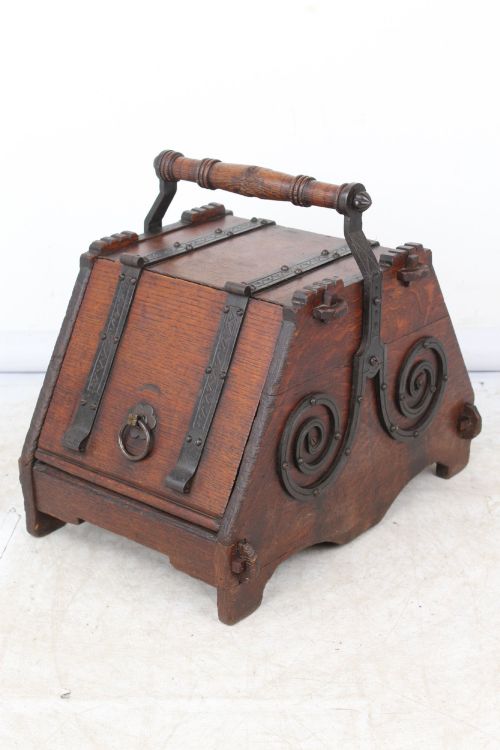
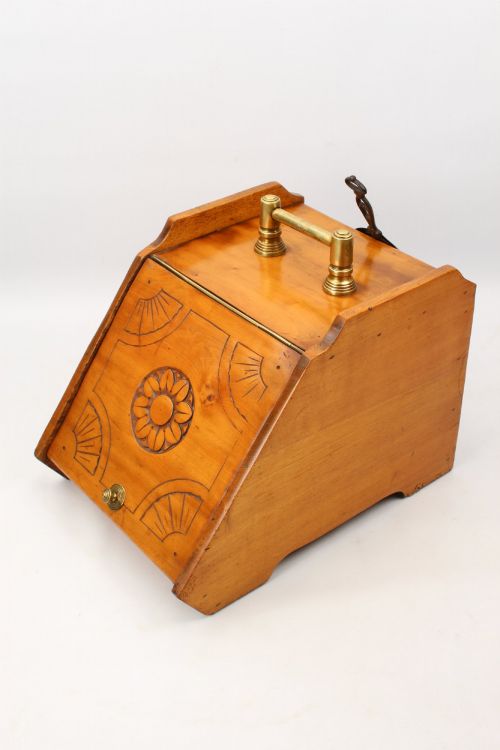
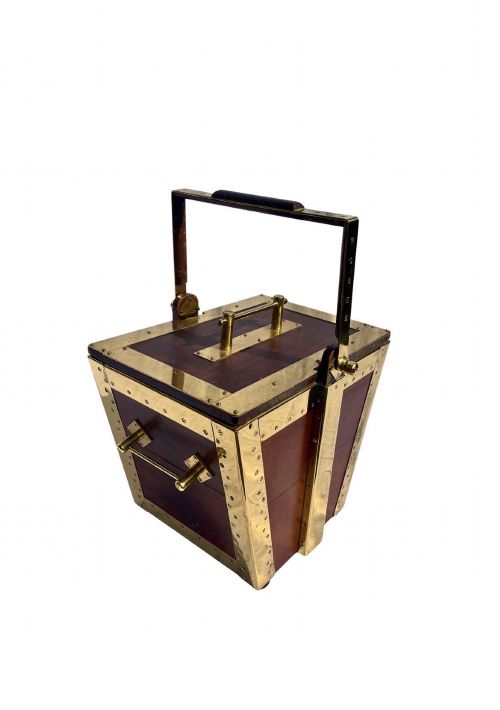
Timber boxes combine solid oak, walnut, or mahogany with carved details, brass hinges, and drop handles. Interior metal liners protect the wood from moisture and debris brought in by raw logs.
Victorian Log Scuttle Bin Retail Price Guide 2026
Typical asking prices for victorian log scuttle bin among the pieces listed under this phrase on Sellingantiques today, from the lower quarter to the upper quarter. They describe what is for sale here now, not the wider market.
Design influences include Arts and Crafts, Gothic Revival, Art Nouveau, and Aesthetic Movement aesthetics.
What varies in quality
The distinction between standard utility items and finer pieces lies in the weight of the metal, the crispness of embossed decoration, and the joinery of the timber boxes. Substantial gauge copper and solid brass mountings indicate careful workshop production.
Workmanship shows in details such as hand-riveted seams, well-fitted internal liners, and purposeful hardware like wrought iron handles. Pieces bearing named maker stamps or distinct stylistic movements carry additional design interest.
Henry Loveridge·Christopher Dresser·Petrus Ramus·William Soutter And Sons
The Victorian Log Scuttle Bin Glossary
- Coal Scuttle
- A vessel designed to hold solid fuel for a domestic fireplace. These often feature a sloping body and a hinged shovel compartment.
- Purdonium
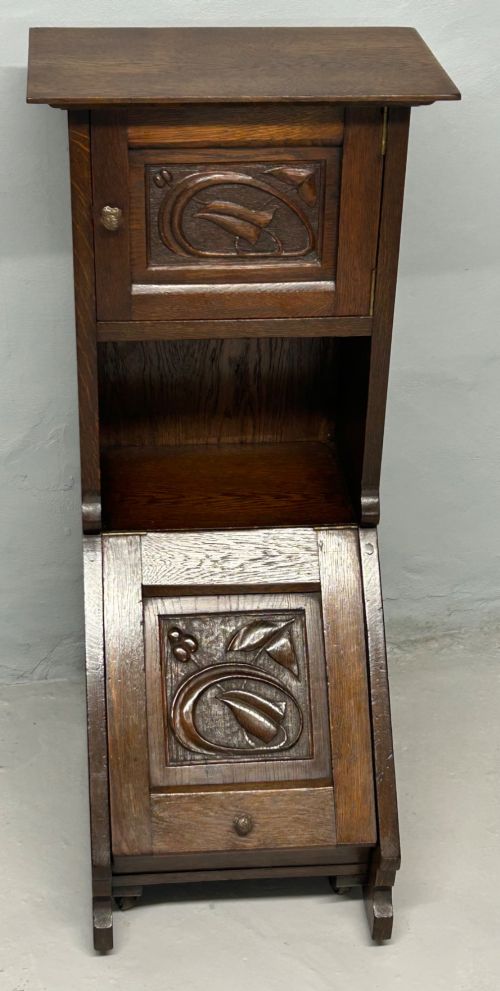
- A specialised lidded coal box containing a removable metal liner. This form kept fuel neatly enclosed within a fitted wooden cabinet.
- Dinanderie
- An old term for medieval and later brass or copper objects. The technique involves beaten metalware produced in Flanders and similar European centres.
- Helmet Scuttle
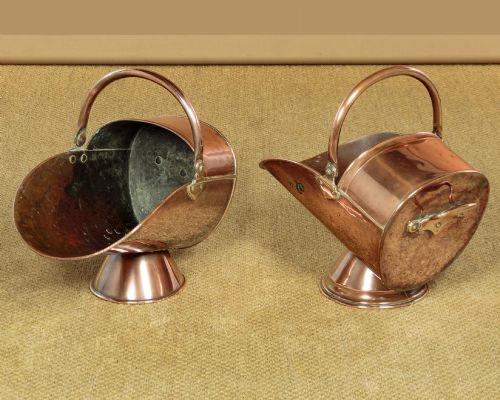
- A bucket shaped like a classical helmet with a flared lip and a back handle. This design facilitated the pouring of fuel onto the hearth.
- Planter
- A decorative vessel adapted to hold potted plants. Many metal log bins serve this secondary function in modern interiors.
Victorian Log Scuttle Bin: Frequently Asked Questions
What is a purdonium?
A purdonium is a specific type of lidded coal box that encloses a metal liner within a wooden cabinet. It typically includes a small interior scoop.
These pieces kept hearthside fuel out of sight while matching other living room furniture.
How do I clean copper bins?
Copper bins respond well to gentle washing with warm soapy water to remove accumulated dust and soot. Avoid harsh abrasives that strip the aged patina.
Many collectors prefer to leave the historical surface undisturbed rather than polishing it to a bright shine.
Were these always used for wood?
These vessels were originally manufactured to hold coal, peat, or logs for domestic fires. Different shapes suited different types of fuel storage.
Helmet scuttles aided in pouring small coal, while open buckets accommodated larger timber logs.
How do I date a brass scuttle?
Dating relies on observing construction methods, material choices, and prevailing artistic styles such as Arts and Crafts or Gothic Revival. Rivet styles and hinge types offer further clues.
Makers marks stamped into the base or body provide definitive attribution where present.