



Antique Fuel Chest
An antique fuel chest keeps logs and coal tidy beside the hearth, bringing traditional utility and distinct period character to any fireplace.
Antique Fuel Chest
When you search for an antique fuel chest, you encounter a range of fireside storage solutions designed to hold wood or coal near the hearth. The pieces on this page span several centuries, drawing on Georgian, Victorian, and Edwardian traditions.
You are most likely to meet substantial timber boxes and metal bins originating from British and European workshops. These include oak bunkers alongside brass and copper containers intended for daily domestic use.
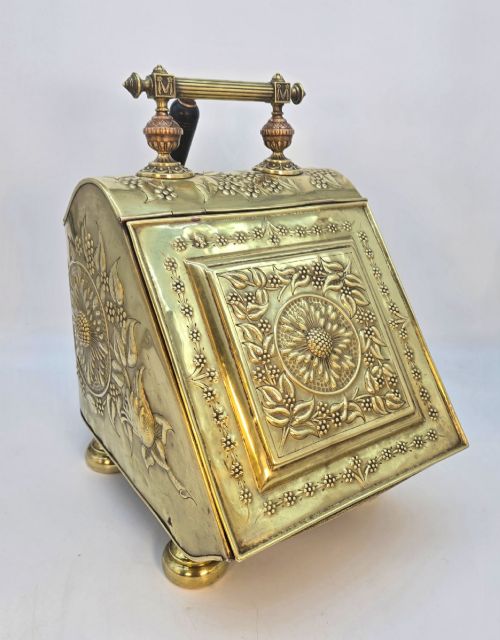
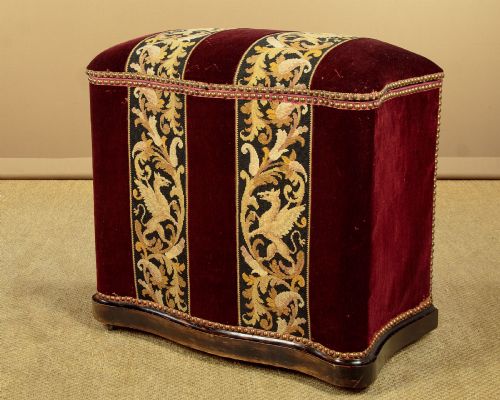
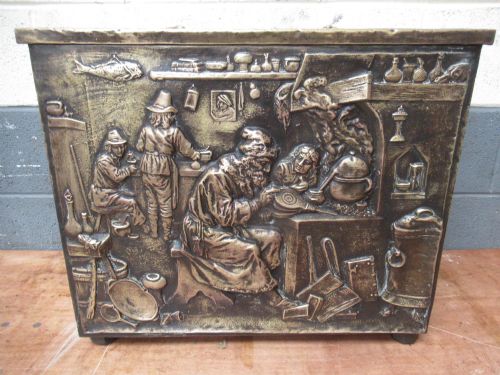
Object types vary from simple pine coal bins to decorative log boxes bearing embossed metal panels or galleon designs. Each form serves the practical requirement of containing fuel while complementing the reception room interior.
Materials and construction
Construction relies heavily on durable timbers like oak and pine, providing a sturdy carcase capable of bearing heavy loads of logs or coal. Joinery methods reflect the period, ranging from traditional panelled carpentry to robust household containers.
Metal components play a central role, utilising brass, copper, and iron for durability and ornamentation. Skilled artisans employed techniques such as embossing and mounting decorative panels to finish the exterior surfaces.
Antique Fuel Chest Retail Price Guide 2026
Typical asking prices for fuel chest among the pieces listed under this phrase on Sellingantiques today, from the lower quarter to the upper quarter. They describe what is for sale here now, not the wider market.
Object forms include fireside stores, coal bunkers, and log boxes with Arts and Crafts or Aesthetic styling.
Judgements of quality
Quality reveals itself in the selection of materials and the crispness of surface decoration, such as hand-hammered copper or detailed brass embossing. Superior examples demonstrate thoughtful integration of timber and metal rather than simple utility.
The sophistication of the stylistic influence, whether Arts and Crafts or Aesthetic Movement, sets finer pieces apart from standard domestic storage. Proportion and structural integrity further distinguish high-grade containers from ordinary utilitarian boxes.
The Antique Fuel Chest Glossary
- Bunker
- A heavy storage container, typically constructed from oak or pine, designed to hold bulk quantities of coal or logs. These pieces often feature hinged lids and sturdy proportions suitable for heavy domestic use.
- Embossed
- A surface technique where patterns or pictorial designs are raised in relief from the surrounding metal sheet. This method is frequently seen on the brass and copper panels of Victorian and Arts and Crafts fireside boxes.
- Arts and Crafts
- A design movement emphasising handcraftsmanship, simple forms, and natural materials. Pieces from this tradition often showcase visible construction details and metalwork with hammered textures.
- Aesthetic Movement
- A late nineteenth-century style focusing on visual and material beauty rather than narrative function. Objects from this period often incorporate refined decorative motifs and harmonious contrasts between wood and metal.
Antique Fuel Chest: Frequently Asked Questions
What is an antique fuel chest?
An antique fuel chest is a dedicated container built to store logs, coal, or kindling beside a fireplace. They combine practical household utility with the decorative style of their respective period.
These pieces range from timber bunkers to metal bins made of brass or copper. Their primary purpose is to keep solid fuel contained and dry within living spaces.
How were fuel chests used?
Households used these chests to maintain a ready supply of fuel close to the hearth for easy fire tending. They kept messy coal dust and rough timber debris off the carpet.
Placed beside the fireplace, they also served as functional furniture pieces that contributed to the overall aesthetic of the room.
How do I care for timber and metal chests?
Timber surfaces benefit from occasional waxing to nourish the grain and protect the wood from dryness near heat sources. Metal components require gentle cleaning to maintain their finish without stripping historical character.
Avoiding direct, continuous exposure to extreme heat helps prevent the wood from warping over time.
How can I tell the period of a fuel chest?
Dating relies on observing the combination of materials, construction methods, and decorative styles present in the piece. For instance, Arts and Crafts examples often feature hand-worked copper panels, while Georgian pieces typically display traditional oak joinery.
Comparing the overall form and decorative motifs with established design movements provides a reliable guide to age.