





Victorian Letter Opener
When you handle a Victorian letter opener, you hold a desk accessory shaped for correspondence, reading, and page-turning.
Victorian Letter Opener
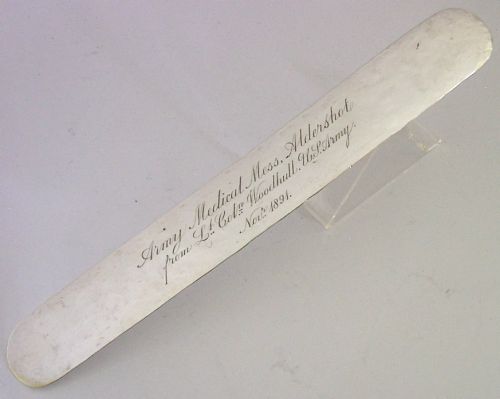
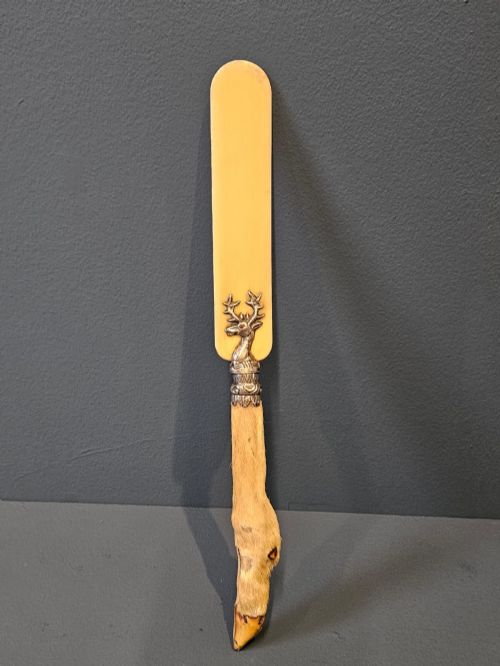
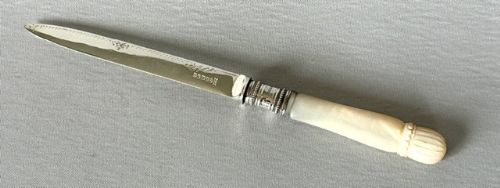
A victorian letter opener serves primarily on the writing desk, slicing through folded envelopes and heavy paper stock with a flat blade. Most examples meet the eye as slender implements fashioned in silver, tortoise-shell, mother-of-pearl, or bone.
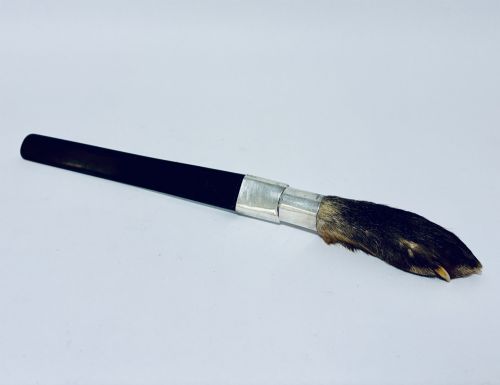
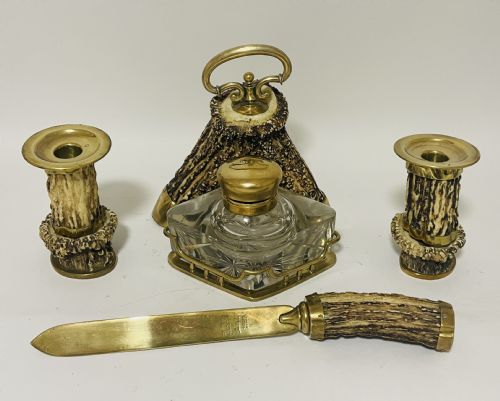
Beyond basic utility, many pieces double as page turners, bookmarks, or combined pencil holders. The surviving inventory leans heavily towards silver mountings paired with natural materials like deer hoof, antler, agate, and wood.
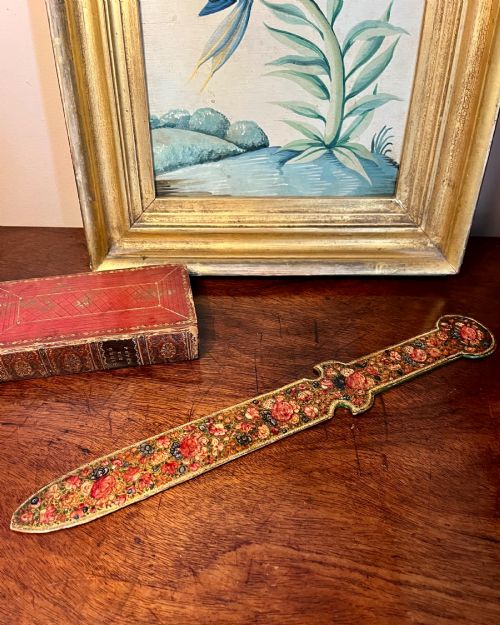
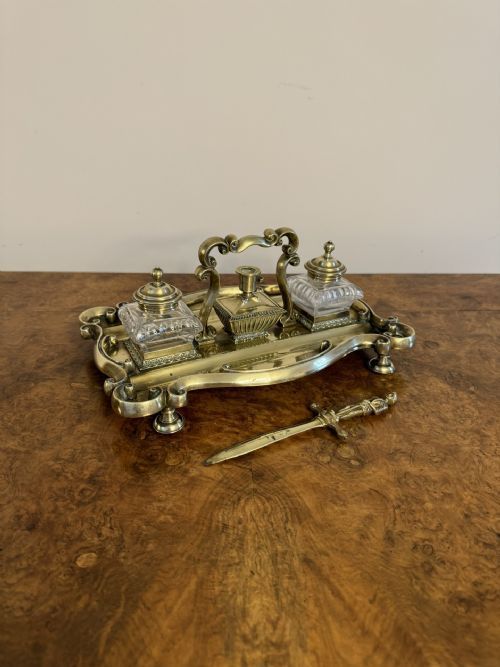
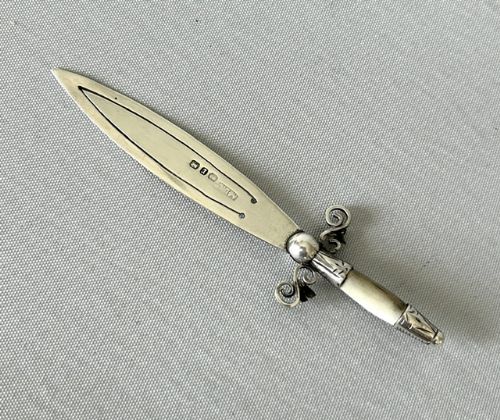
Makers of the period produced both plain utilitarian models and ornate novelties shaped like animals, daggers, or miniature swords. Collectors encounter everything from strict Georgian survivals to Edwardian adaptations alongside core Victorian styles.
Standards of Quality
Quality rests upon the integrity of the materials and the precision of the assembly where metal meets organic shell or stone. A superior piece displays crisp hallmarks, securely pinned handles, and hand-chased detailing rather than cast repetition.
Novelty forms gain distinction through anatomical accuracy and the reputation of the specific silversmithing firm responsible for the casting. Simpler bone and brass items rely entirely on the purity of their proportions and the absence of warping along the blade.
Victorian Letter Opener Retail Price Guide 2026
Typical asking prices for victorian letter opener among the pieces listed under this phrase on Sellingantiques today, from the lower quarter to the upper quarter. They describe what is for sale here now, not the wider market.
Desk sets occasionally feature four-faced pewter figures or playing kittens to keep correspondence cheerful.
Sampson Mordan and Co·Crisford and Norris·Edward Hutton·William Hutton and Sons·John Gilbert·George Unite·Brook and Son
The Victorian Letter Opener Glossary
- Hallmark
- Official stamps struck into precious metals indicating the standard of silver, the assay office, and the date letter. These marks allow precise dating of nineteenth-century desk wares.
- Page Turner
- A longer, broader counterpart to the letter opener designed to separate uncut pages in bound books without damaging the paper. They frequently share silver mounts and handle materials with smaller openers.
- Tortoiseshell
- The mottled brown and amber keratin shell of the hawksbill turtle, widely utilised for decorative backing and handle scales. Craftsmen often paired it with sterling silver overlays.
- Guilloche
- An intricate mechanical engraving technique producing precise, repeating geometric patterns beneath a translucent layer of coloured enamel. It appears on luxury Victorian desk accessories.
- Agate
- A fine-grained quartz variety displaying natural banding or moss-like inclusions, sliced thin for decorative handles. These hardstone mounts provide substantial weight and colour contrast.
Victorian Letter Opener: Frequently Asked Questions
What is a Victorian letter opener used for?
These implements were designed to slice open sealed paper envelopes and tear through folded correspondence on the nineteenth-century writing desk.
Many larger versions also served as page turners to glide through uncut book pages without tearing the paper stock.
How do I care for silver and tortoiseshell?
Keep organic materials away from direct sunlight and excessive heat to prevent warping or splitting of tortoiseshell and mother-of-pearl.
Use a soft cloth for the silver components and avoid harsh chemical dips that damage shell inlays and enamel work.
Are these items marked with dates?
Many silver specimens carry full British hallmarks containing assay office symbols and specific date letters for the year of manufacture.
Unmarked pieces in bone, brass, or wood rely on stylistic cues and period context for dating rather than official stamps.
What makes a novelty opener special?
Novelty examples shaped like animals, birds, or miniature daggers demonstrate the playful side of Victorian metalwork and design.
Pieces bearing maker marks from prominent firms like Sampson Mordan command particular attention from specialist collectors.