


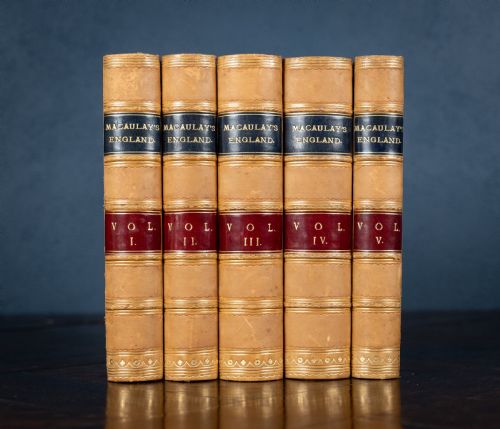


Victorian Leather Bound Set
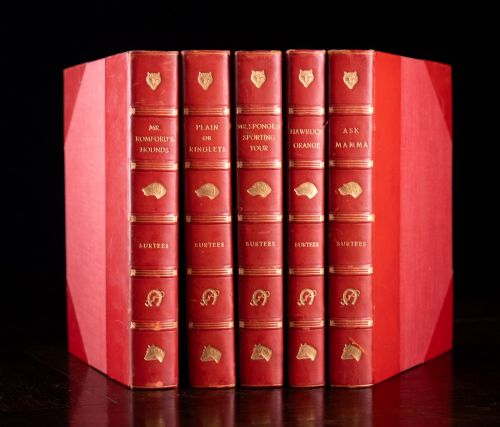
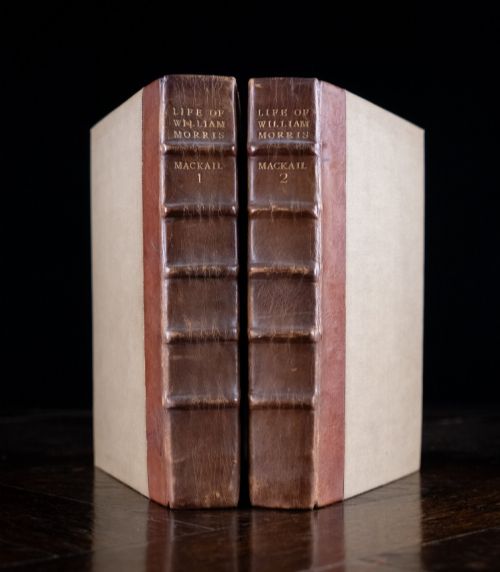
These victorian leather bound set pieces bring nineteenth-century literature and craft into a room, offering uniform bindings and decorative presence.
Victorian Leather Bound Set
A victorian leather bound set comprises multi-volume literature, poetry, and history published primarily during the nineteenth century, often grouped by authors such as Sir Walter Scott or William Shakespeare. These collections span complete novels, historical treatises, and collected works housed in matching calfskin or leather spines.
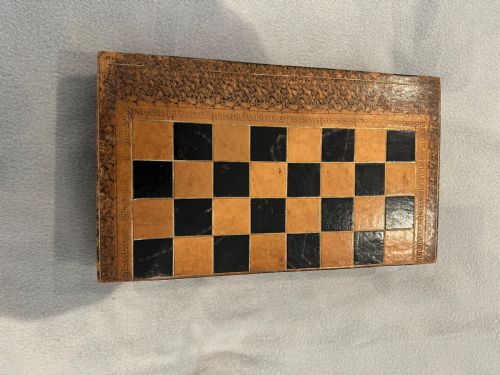
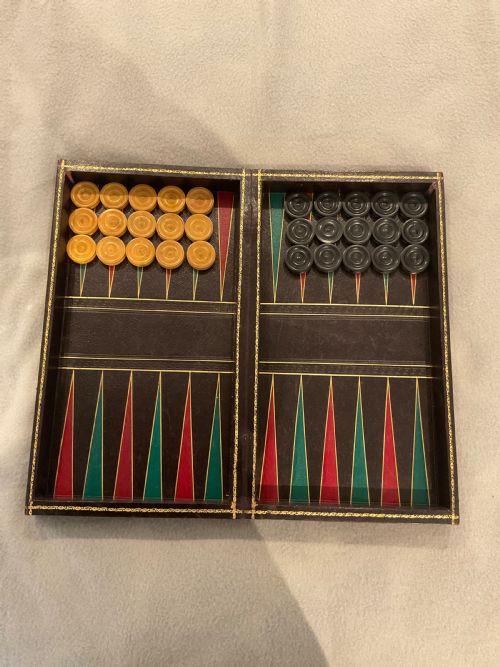
Buyers will encounter multi-volume book sets dated across the 1850s to the 1890s, alongside variant forms including miniature volumes in bookcases and faux book games boards. The selection also extends to bound spirit bottles disguised within leather exteriors.
Originating largely from traditional English publishing traditions, these sets range from extensive multi-volume Waverley novels to smaller selections of poetry and essays, unified by their durable bindings.
Materials and binding techniques
Binders utilised leather, calfskin, and cloth over wooden or paper boards, often applying gold leaf and gilt tooling to spine labels and raised bands. Paper pages carry the text blocks, while bespoke bindings feature custom leather work executed by regional binderies.
Surface decoration relies heavily on gold leaf stamping for titles and decorative motifs, creating contrast against dark leather backgrounds. Structural integrity is maintained through traditional sewing of signatures onto cords or tapes before attachment to the boards.
Victorian Leather Bound Set Retail Price Guide 2026
Typical asking prices for victorian leather bound set among the pieces listed under this phrase on Sellingantiques today, from the lower quarter to the upper quarter. They describe what is for sale here now, not the wider market.
Current listings feature materials including leather, calfskin, gold leaf, cloth, wood, and oak across the nineteenth century and Edwardian periods.
Quality and execution
The distinction between ordinary multi-volume sets and superior examples rests upon the uniformity of the binding and the prestige of the bindery. Works bound by known firms exhibit precise gilt tooling, well-matched leather grains across every volume, and careful preservation of original endpapers.
Completeness of the set and the presence of original plates or first edition texts elevate the standing of a collection. Matching rebound volumes with illustrations by notable artists also distinguish finer editions from standard library bindings.
Henry Young & Son·Sir Walter Scott·William Shakespeare·Thomas Babington Macaulay
The Victorian Leather Bound Set Glossary
- Calfskin
- A fine, smooth leather prepared from the hide of a calf, frequently used for high-grade book bindings during the nineteenth century. Its supple nature allowed for intricate blind stamping and gilt finishing.
- Gilt
- A thin layer of gold applied to the edges of book pages or stamped into the leather spine to highlight titles and decorative borders. This technique protects the underlying material while adding visual richness.
- First edition
- The earliest printed iteration of a work, highly sought after by collectors when paired with contemporary nineteenth-century bindings. These volumes represent the author's text in its initial published form.
Victorian Leather Bound Set: Frequently Asked Questions
What is a victorian leather bound set?
A victorian leather bound set consists of multiple published volumes sharing uniform leather or calfskin covers, typically produced in nineteenth-century Britain. These collections range from complete novel series to historical works and poetry.
Such sets were designed to fill domestic library shelves with cohesive rows of literature, combining reading utility with decorative interior display.
How were these book sets used?
Original owners read these volumes as primary sources of entertainment, education, and literary engagement within the Victorian home. They occupied prominent positions in study and drawing-room bookcases.
Beyond reading, certain leather bound pieces functioned as decorative containers, including faux book games boards and hidden spirit decanting bottles.
How do I date these sets?
Dating relies upon title page publication dates, publisher imprints, and stylistic evidence within the leather bindings and typography. Many sets carry specific dates from the 1850s through the 1890s.
Binders' signatures or bookseller labels inside the covers also assist in establishing the precise period of production.
How should I care for leather bindings?
Leather bound books require stable room environments away from direct sunlight and excessive humidity to prevent the skin from drying or cracking. Handling them carefully by the body rather than pulling on the top of the spine preserves the headcaps.
Occasional dusting with a soft, dry cloth maintains the surface without disturbing the delicate gold tooling on the spines.