

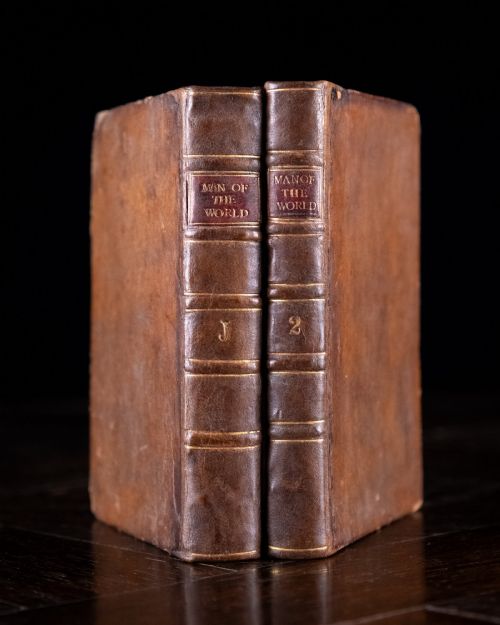
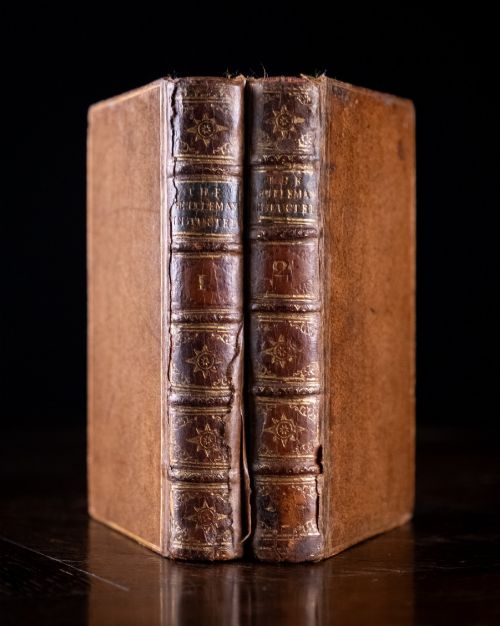

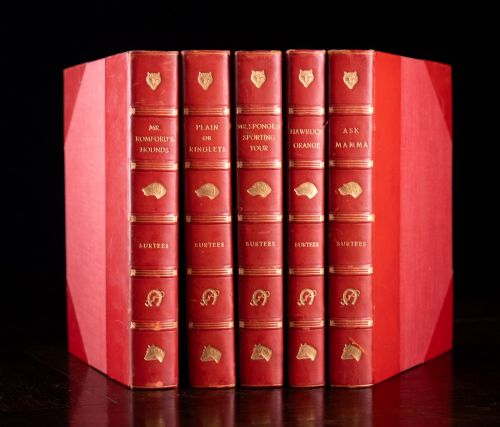
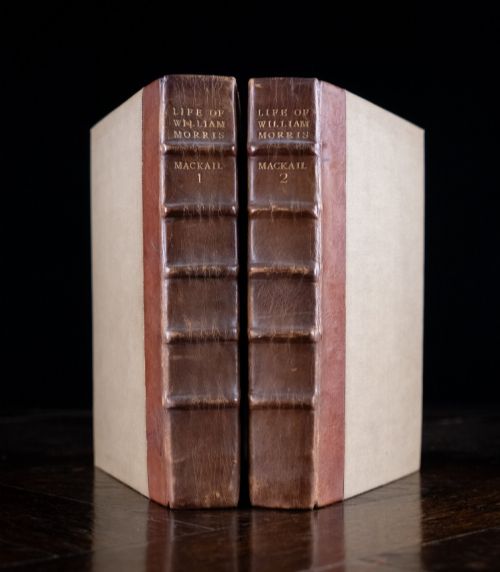

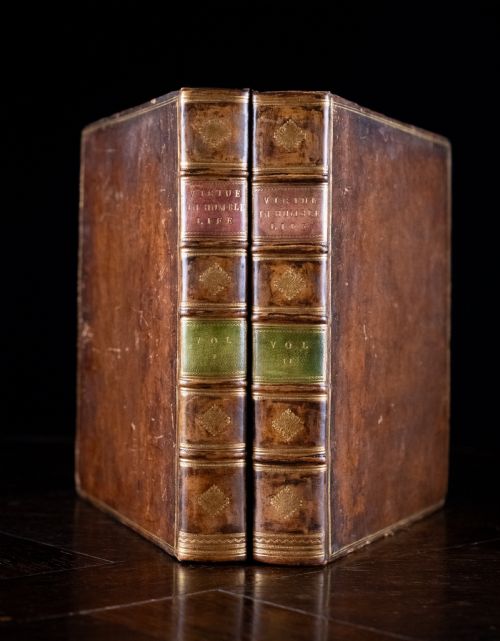

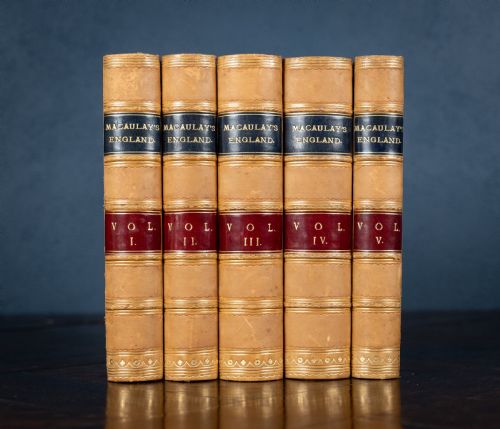


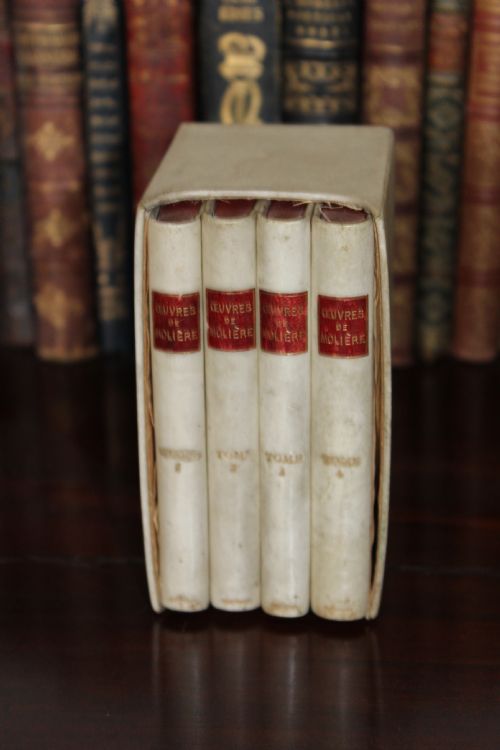
Gilt Leather Book Set
A gilt leather book set brings together literature, history and the tactile beauty of traditional binding for any shelf.
Gilt Leather Book Set
A gilt leather book set comprises multi-volume collections of literature, history, poetry and philosophy housed in coordinated bindings. When searching for a gilt leather book set, buyers encounter works ranging from mid-eighteenth-century philosophical treatises to Edwardian translations and multi-volume Shakespeare editions.
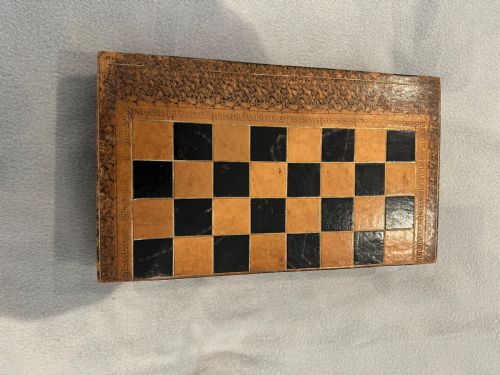
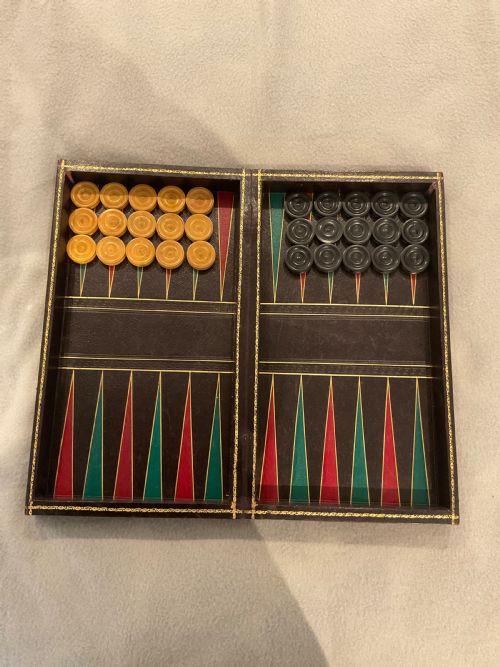
The selections span traditional English publishing, Regency memoirs, Victorian sporting novels and French texts. Alongside standard reading editions, the category includes decorative leather-bound faux book games boards designed to conceal storage or provide amusement.
Most examples date across the nineteenth century, with Victorian and Edwardian productions forming the core of the selection alongside Georgian-era volumes. These sets often unite uniform bindings commissioned by libraries or publishers to create a cohesive visual impact on a bookcase.
How They Were Made
Binders utilised durable calfskin leather, supple vellum and traditional cloth over wooden or paper boards to protect the printed pages within. Spines and covers received tooling in gold leaf, pressing metallic lustre into the grain to form intricate lettering and decorative panels.
Many volumes feature marbled endpapers, robust sewing on raised cords and hand-lettered titles to ensure longevity through heavy handling. Rebound examples demonstrate later nineteenth-century craftsmanship, applying contemporary leatherwork to older text blocks.
Gilt Leather Book Set Retail Price Guide 2026
Typical asking prices for gilt leather book set among the pieces listed under this phrase on Sellingantiques today, from the lower quarter to the upper quarter. They describe what is for sale here now, not the wider market.
Several volumes cleverly disguise themselves as literature while secretly serving as games boards for parlour entertainment.
What Varies in Quality
The degree of uniformity across a multi-volume set dictates its visual harmony on the shelf. Sets bound together by established binderies display consistent leather tones, matching spine tooling and balanced lettering that individual assembled volumes lack.
The crispness of the gold leaf application and the suppleness of the calfskin or vellum dictate the tactile refinement of each volume. Publishers' original bindings with complete original spines hold distinct character compared to later utilitarian library rebinds.
Henry Young And Son
The Gilt Leather Book Set Glossary
- Calfskin
- A fine, smooth leather derived from the hide of a calf, frequently used for durable and decorative book bindings throughout the eighteenth and nineteenth centuries.
- Vellum
- A writing and binding material prepared from calf or other animal skin, prized for its pale, smooth surface and used on classical and literary sets.
- Gold Leaf
- Gold beaten into an extremely thin sheet, applied to leather bindings using heated tools to create lasting metallic lettering and ornamentation.
- First Edition
- The earliest printed appearance of a specific text, often sought by collectors when combined with period binding.
- Uniformly Bound
- A multi-volume set sharing identical binding materials, colours and spine decoration, whether produced as a publisher's series or commissioned later by a library.
Gilt Leather Book Set: Frequently Asked Questions
How are these multi-volume sets usually displayed?
These sets sit neatly on library shelves, mantelpieces or dedicated bookcases where their decorated spines contribute to the room's interior aesthetic. Collectors often group them by height and binding style to maintain visual balance.
Because many sets contain multiple volumes stretching across several feet of shelf space, they anchor the design of a traditional study or drawing room.
What subjects do these collected sets cover?
The volumes span English literature, poetry, local history, philosophy, memoirs and French classical texts. Major authors like Shakespeare, Walter Scott and William Morris appear frequently alongside sporting novels and historical reference works.
Buyers find everything from instructional eighteenth-century guides to Victorian historical surveys and complete dramatic works.
How can I tell the period of a binding?
Binders' styles, typography and leather preparation shifted between the Georgian, Regency, Victorian and Edwardian eras. Title pages inside the books often carry specific publication dates that confirm the era of production.
Tooling patterns and the texture of the calfskin or vellum also provide clear indicators of when the volume was bound.
Can I read these antique books regularly?
Most volumes remain structurally sound enough for careful reading, provided the bindings are handled gently and supported properly when removed from the shelf. Opening them flat on a table rather than in the lap helps preserve the spine joints.
Leather and vellum benefit from stable room environments away from direct sunlight and damp conditions to maintain their suppleness.