



Victorian Leaf Ceramics
Victorian leaf ceramics bring the natural world indoors through intricate foliage forms and botanical painting on porcelain and earthenware.
Victorian Leaf Ceramics
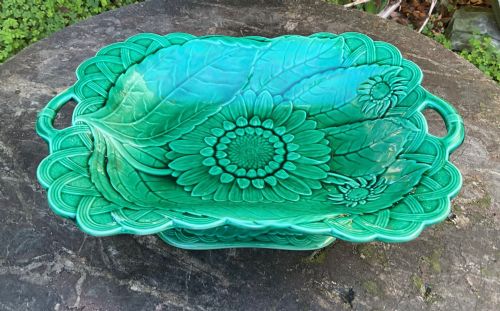
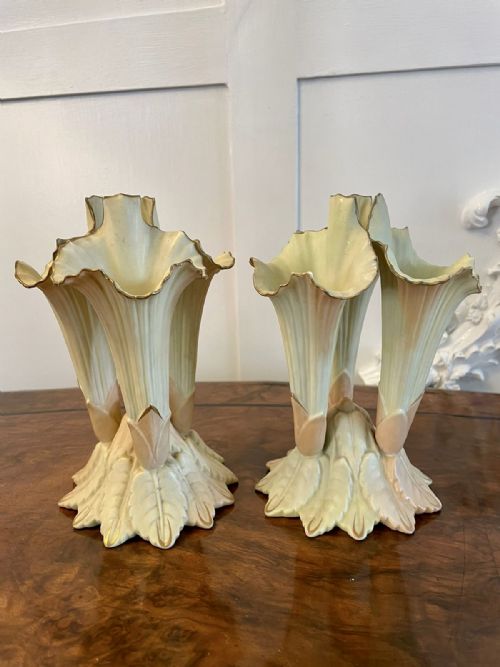
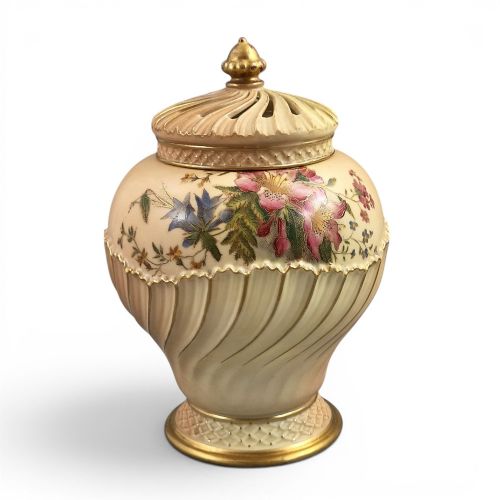
Victorian leaf ceramics encompass plates, comports, and dishes modelled on foliage and natural forms from the nineteenth century. These pieces draw from the Victorian Naturalism and Rococo Revival styles, translating organic shapes into functional tableware and decorative objects. Buyers seeking these items will find Majolica comports, basketweave plates, and botanical cabinet pieces.
The assortment on this page reflects the breadth of nineteenth-century production, spanning from the eighteen-eighties to the Edwardian era. You will encounter Majolica begonia leaf bowls alongside blush ivory vessels and hand-painted cabinet plates. These domestic ceramics served both decorative display and practical dining functions in period homes.
Materials and methods of production
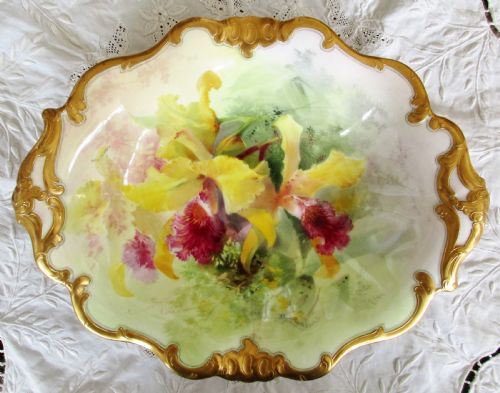
Potteries utilised porcelain, earthenware, and Majolica glazes to achieve realistic botanical textures and vibrant colouration. Craftsmen applied gold leaf, gilt, and intricate hand-painted enamel details to porcelain panels and plates. Moulding techniques allowed makers to capture the exact veins and ruffled edges of leaves.
Specialised techniques such as pate-sur-pate and blush ivory finishes added dimensional depth and soft coloration to floral and foliate designs. Artisans combined earthenware bodies with heavy moulded glazes to produce robust decorative jars, cheese domes, and comports.
Victorian Leaf Ceramics Retail Price Guide 2026
Typical asking prices for victorian leaf ceramics among the pieces listed under this phrase on Sellingantiques today, from the lower quarter to the upper quarter. They describe what is for sale here now, not the wider market.
Victorian potters studied actual garden foliage so closely that a single cabbage leaf could end up immortalised in dripping green glaze forever.
Assessing quality in the collection
Quality rests on the crispness of the moulded botanical details and the precision of the hand-painted decoration. Finer pieces display subtle tonal variations in the glaze and careful brushwork on botanical subjects, avoiding flat colour application. The integration of sculptural leaf forms with the vessel body indicates superior maker skill.
The reputation of the pottery and the complexity of the form distinguish standard production from exceptional examples. Pieces bearing specific artistic attribution or sophisticated glaze combinations command greater appreciation among collectors of nineteenth-century ceramics.
Locke & Co.·Royal Doulton·Royal Worcester·Minton·Julius Dressler
The Victorian Leaf Ceramics Glossary
- Majolica
- A type of earthenware coated with an opaque tin glaze and painted with metallic oxide colours. This technique produced richly coloured Victorian pieces with vibrant green and brown leaf motifs.
- Blush ivory
- A porcelain finish pioneered by Royal Worcester featuring a soft, creamy matte ground decorated with delicate floral or foliate paintings. It mimics the warm tone of aged ivory.
- Comport
- A raised decorative dish or bowl used for serving fruit or sweets on a dining table. They frequently incorporate botanical or basketweave modelling during the Victorian period.
- Pate-sur-pate
- A method of porcelain decoration where successive layers of liquid white clay are built up on a coloured background to create a low relief cameo effect.
Victorian Leaf Ceramics: Frequently Asked Questions
What are Victorian leaf ceramics used for?
These pieces function primarily as decorative cabinet displays, comports for fruit, or serving dishes for specific foods like cheese and game pies.
Historically, they brought botanical motifs into the Victorian dining room and parlour as conversation pieces.
How do I identify a Majolica leaf dish?
Majolica pieces feature heavy earthenware bodies covered in thick, colourful lead glazes that pool naturally in the recessed veins of modelled leaves.
They often replicate specific foliage types such as begonias or cabbages with high gloss and saturated tones.
What is blush ivory porcelain?
Blush ivory is a matte cream-coloured porcelain finish developed by late nineteenth-century factories to mimic natural ivory tones.
It provides a muted background for hand-painted floral and foliate decoration without heavy gilding.
How should I display these ceramics at home?
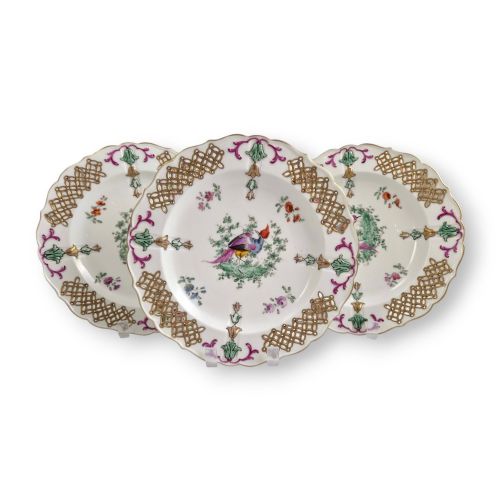
Cabinet plates and dishes look best mounted on plate stands within enclosed wooden shelving to protect their glazed surfaces.
Larger vessels like ewers, jardinieres, and comports suit sideboards or open tables where their sculptural profiles remain visible.