



Victorian Lady Statue
These Victorian lady statue examples bring nineteenth-century figurative sculpture into domestic interiors through figures, busts and parian porcelain.
Victorian Lady Statue
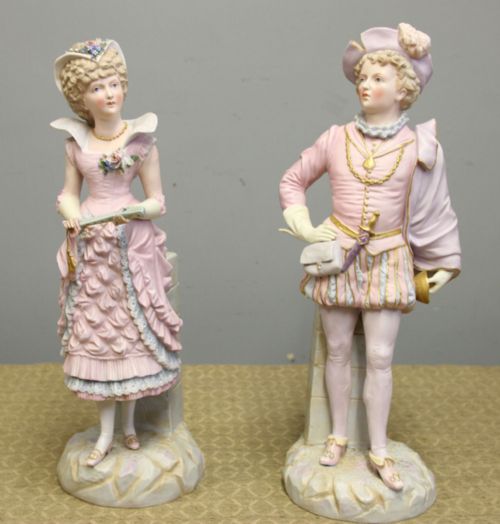
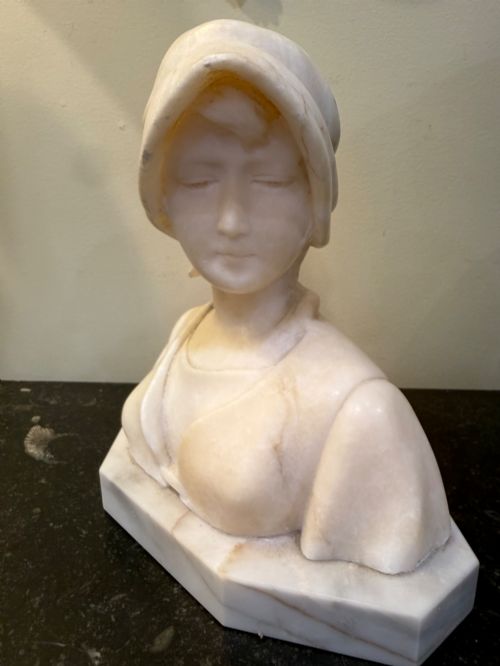
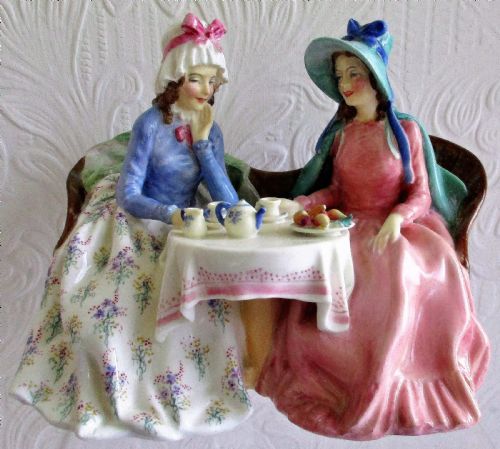
A victorian lady statue takes the form of freestanding sculptures, portrait busts and ceramic figurines depicting female figures from the nineteenth century. Buyers encounter cabinet-sized parian ware pieces alongside larger patinated bronze studies and carved alabaster busts.
The aesthetic draws heavily on neoclassical, art nouveau and rococo revival styles produced across English and continental workshops. These works capture specific domestic and classical ideals through sculpted porcelain, marble bases and cold-painted metals.
Materials and construction
Sculptors utilised traditional casting, carving and ceramic fabrication methods to shape porcelain, bronze, spelter and alabaster. Bisque and parian porcelain required precise kiln firing to achieve unglazed biscuit surfaces and marble-like textures.
Metal sculptures involved bronze casting and cold-painted pigment applications over metal alloys such as spelter. Marble and alabaster pieces were hand-carved, often combining contrasting stone bases like vert de mer marble.
Victorian Lady Statue Retail Price Guide 2026
Typical asking prices for victorian lady statue among the pieces listed under this phrase on Sellingantiques today, from the lower quarter to the upper quarter. They describe what is for sale here now, not the wider market.
Periods represented across the pieces include the nineteenth century, Victorian era, art nouveau and early twentieth century.
Assessing quality and execution
The integrity of the material and the sophistication of the associated foundry or pottery mark distinguish exceptional works from standard decorative items. Subtle variations in surface patination and smoothing indicate higher levels of finishing craftsmanship.
Royal Doulton·Jennings Brothers·Royal Worcester·Royal Dux
The Victorian Lady Statue Glossary
- Parian ware
- A type of fine biscuit porcelain developed in the nineteenth century to imitate carved marble. It gained popularity for portrait busts and classical figures due to its smooth, matte finish.
- Bisque porcelain
- Un-glazed porcelain that has been fired once, producing a matte, porous surface resembling white marble. It allows for the retention of minute sculptural details.
- Spelter
- An alloy of zinc and lead often used as a cheaper alternative to bronze in decorative sculpture. It was frequently painted or given a bronze-like finish.
- Cold-painted bronze
- Metal sculpture painted with oil or enamel colours after casting, rather than fired in a kiln. This technique was widely utilised in the twentieth century for small decorative studies.
Victorian Lady Statue: Frequently Asked Questions
What is parian ware?
Parian ware is a fine biscuit porcelain developed in the nineteenth century to imitate carved marble. It is named after Parian marble from the Greek island of Paros.
This material allowed manufacturers to produce smooth, matte figures and portrait busts with high detail without the expense of carved stone.
How do I clean alabaster?
Alabaster is a soft and porous stone that absorbs moisture and oils easily. It requires dusting with a dry, soft cloth rather than water.
Moisture can permanently stain or dissolve the surface, so professional conservation advice should be sought for deep cleaning.
What is cold-painted bronze?
Cold-painted bronze refers to metal sculptures painted with pigments after the casting process. The paint is applied without high-temperature kiln firing.
Care is required to preserve the original pigment layers, as cleaning products can easily strip the applied colour.
How do I distinguish bronze from spelter?
Bronze is a heavy copper alloy with a warm resonance and durable structure. Spelter is a softer, lighter zinc alloy that often feels colder and shows a duller sound when tapped.
Underneath surface patination, spelter may display a grey or silvery metal rather than the reddish-brown tone of bronze.