




Victorian Lady Oil Portrait
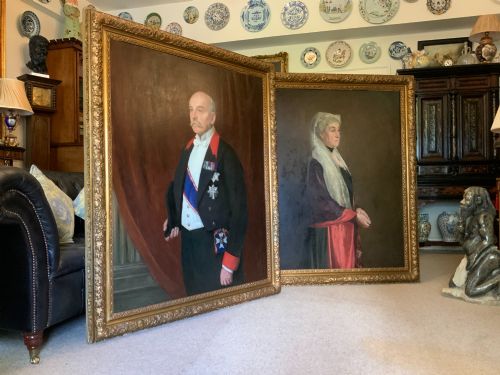
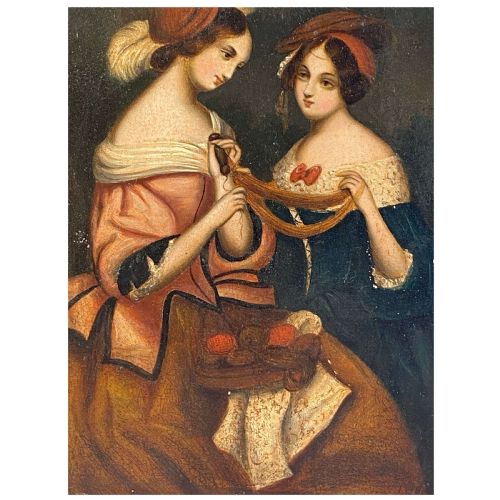
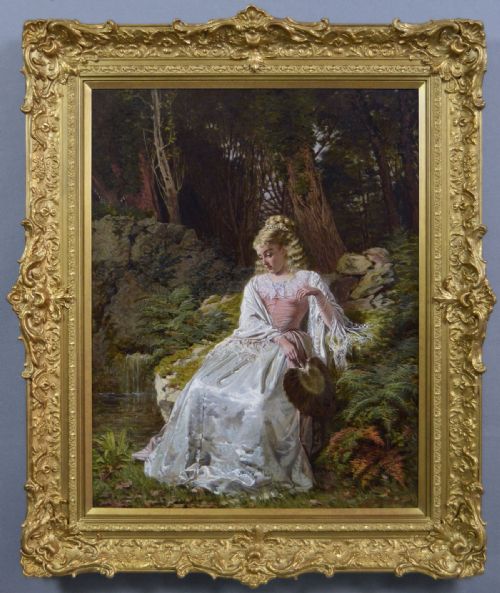
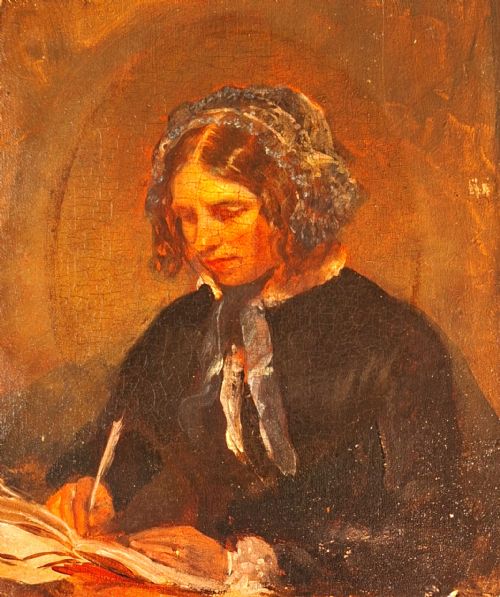
When you search for a victorian lady oil portrait, you encounter painted records of nineteenth-century subjects created in oil paint on canvas, wood panel, board, or zinc.
Victorian Lady Oil Portrait
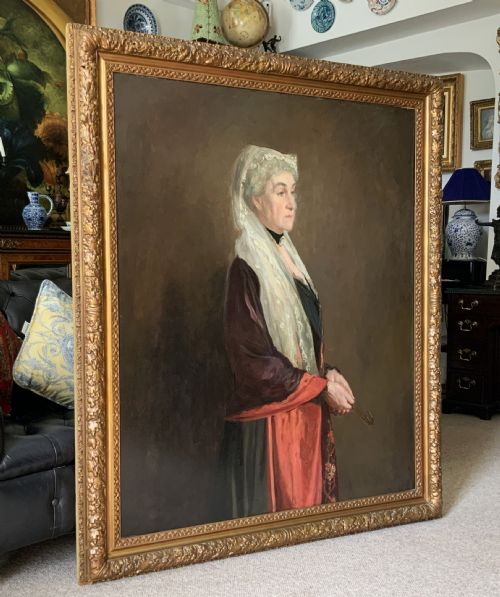
A victorian lady oil portrait captures individual sitters from the nineteenth century, ranging from society figures and family members to named subjects with documented biographies. The pieces on this page span the Victorian era alongside related works from the wider nineteenth century and Edwardian periods.
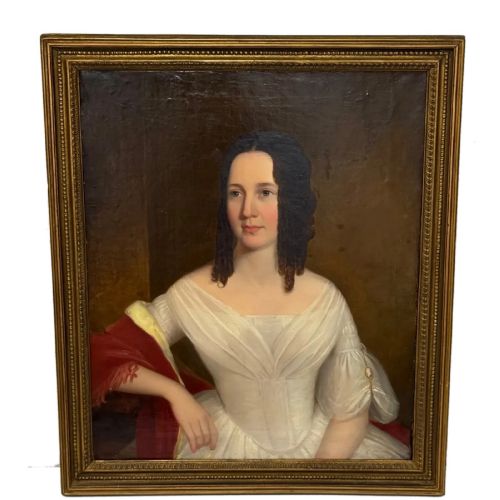
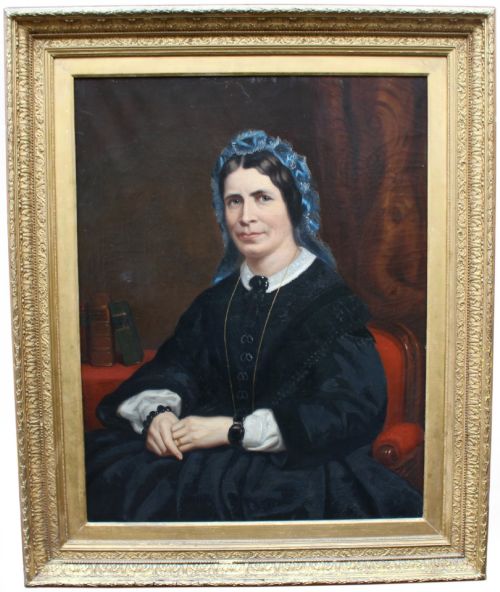
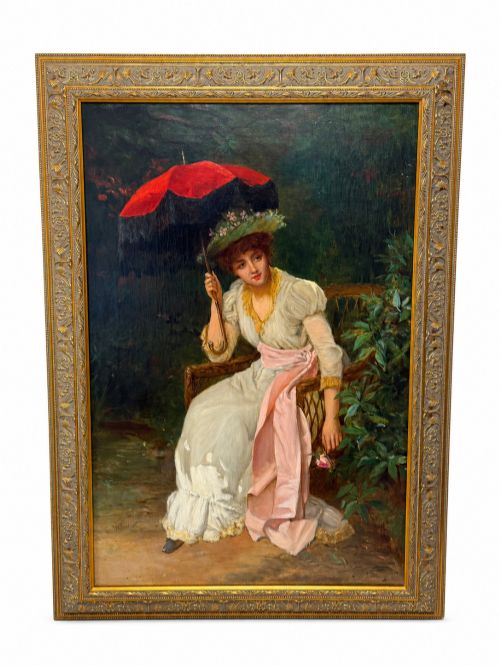
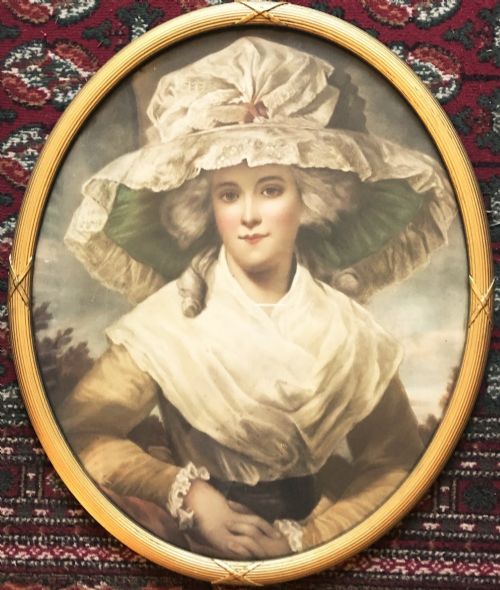
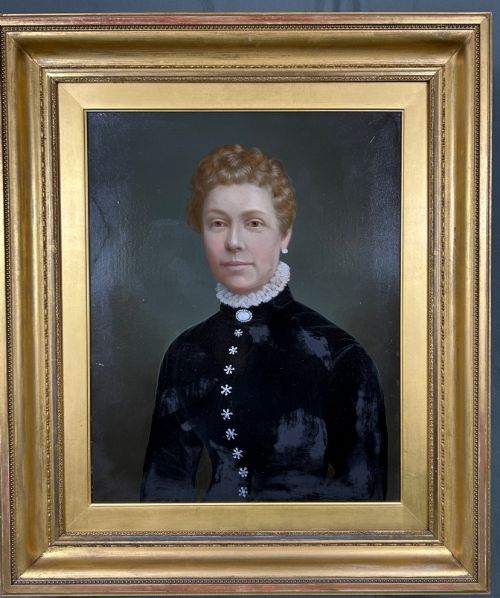
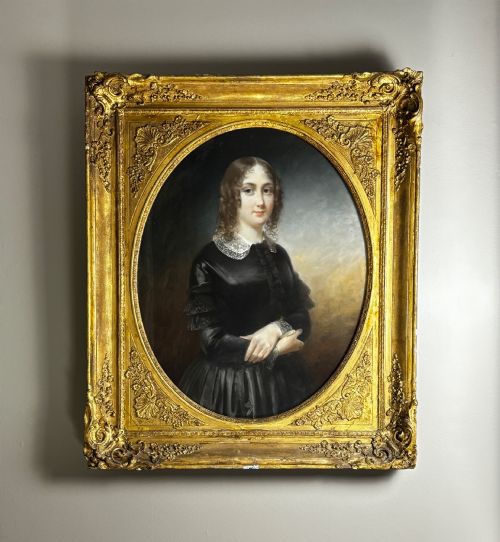
Many examples depict women in characteristic attire such as lace caps, bonnets, elaborate dresses, or shawls, sometimes accompanied by personal items like books, parasols, or floral posies. Works originate from British, English, Irish, and continental European schools, reflecting diverse regional portrait traditions.
While the majority utilise traditional canvas supports, certain pieces employ wood panels, board, or zinc supports, and some selections include miniature formats or framed portrait prints after original paintings.
Materials and construction
Artists built these works primarily using oil paint applied to stretched canvas, wooden panels, or prepared board, capturing fine details in fabric, lace, and facial expression. Many surviving examples retain their period frames constructed from wood, embellished with gesso, and finished with gold leaf or gilding.
Supporting structures range from traditional canvas to wooden panels and zinc sheets, each altering how the oil medium adheres and ages over time. Frame construction incorporates moulded wood and gesso ornamentation, frequently matching the aesthetic of the nineteenth-century period.
Works span the Georgian era, the nineteenth century, the Victorian period, and the Edwardian age.
Distinctions in execution
The degree of anatomical precision, the rendering of textile textures like velvet and lace, and the psychological depth of the sitter's expression separate accomplished academic works from simpler naïve or decorative examples. Mastery of light and shadow in the handling of oil paint defines the visual impact of the portrait.
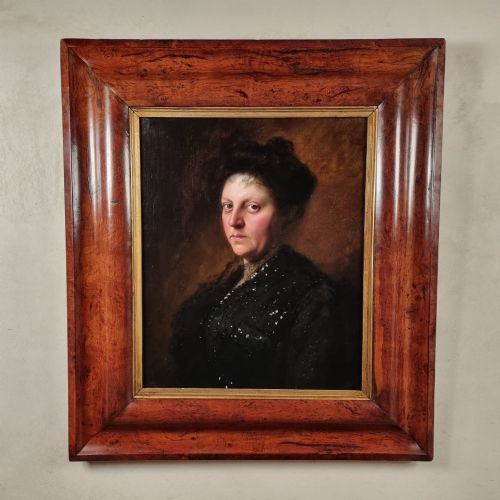
Originality of the frame also influences the overall integrity of the piece, with period gilt wood and gesso frames contributing significantly to the historical context of the artwork.
John Maler Collier·William Oliver·Thomas Edward Roberts·William Henry Knight·Louis William Desanges·August Heinrich Riedell·George Percy Jacomb-Hood·Samuel Lawrence·Harry Clifford Pilsbury·Bryce Smith·Richard Buckner·G E Boyes·Walter Emsley
The Victorian Lady Oil Portrait Glossary
- Oil on Canvas
- Pigment mixed with drying oil applied to a woven fabric stretched across a wooden frame. This primary support material allows for subtle blending and rich colour depth.
- Gesso
- A plaster mixture applied to wood frames as a base for gilding. It provides a smooth surface for applying gold leaf.
- Wood Panel
- A rigid wooden support used by artists instead of canvas. Panels provide a stable surface that frequently shows distinct brushwork techniques.
- Gilt Wood
- Wood treated with a thin layer of gold leaf or metallic powder. Frames finished in this manner enhance the presentation of nineteenth-century canvases.
- Miniature
- A small-scale portrait designed for intimate viewing. These compact works require delicate brushwork to achieve fine detail.
Victorian Lady Oil Portrait: Frequently Asked Questions
How do I date a portrait?
Examine the sitter's clothing, hairstyle, and accessories, which usually reflect the fashion of a specific decade within the nineteenth century. Hairstyles, bonnet shapes, and collar styles change rapidly across the Victorian period.
Check the reverse of the canvas, stretcher bars, or framing for inscriptions, artist signatures, or stamps. Previous owners or sitters are occasionally documented directly on the wood or canvas.
Where were these portraits hung?
Nineteenth-century portraits typically hung in the reception rooms, parlours, or libraries of substantial homes. They served as family records and displays of social standing.
Smaller formats and miniatures were often kept in private chambers, studies, or carried as personal tokens. These intimate pieces were intended for close viewing rather than public display.
Are original frames important?
Period frames made of gilt wood and gesso provide crucial context and help preserve the historical integrity of the artwork. Original mountings often share the age of the canvas they enclose.
Replacing a frame alters the visual balance of the piece, as nineteenth-century artists and framers selected mouldings to complement the specific tones of the oil paint.
What is a naive portrait?
Naïve portraits are works created outside the formal academic tradition, often by self-taught artists. They feature simplified perspectives and direct expressions rather than classical proportions.
Despite lacking formal technique, these paintings offer charming records of sitters and are valued for their distinct artistic character and regional history.