
Victorian Kitchen Antiques
These Victorian kitchen antiques bring honest utility and robust character to modern rooms, shaped from honest timbers like pine, oak, elm, and beech.
Victorian Kitchen Antiques
Victorian kitchen antiques comprise the hardworking furniture and utilitarian objects used in nineteenth-century domestic spaces, ranging from expansive farmhouse tables to tall larders and glazed cupboards. These pieces were built to endure heavy daily use, employing sturdy timbers such as pine, oak, elm, and beech to serve practical functions in busy homes.
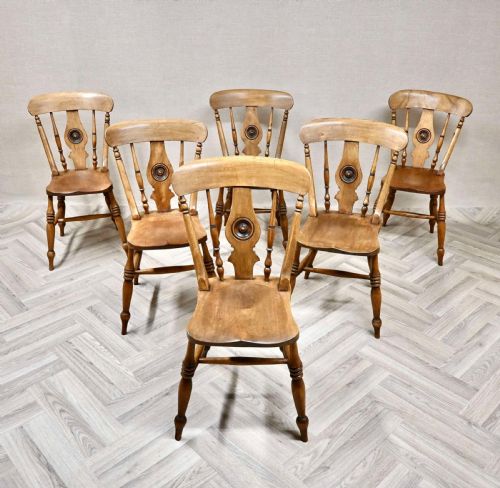
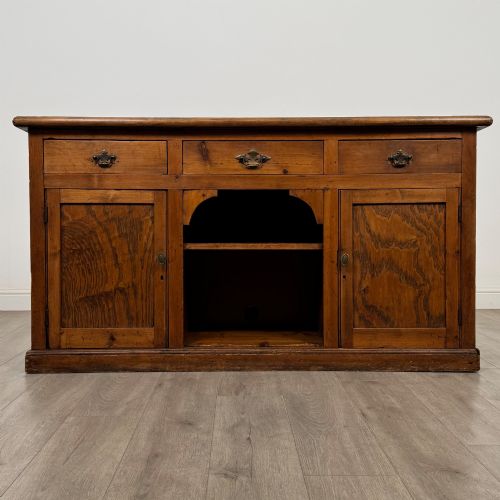
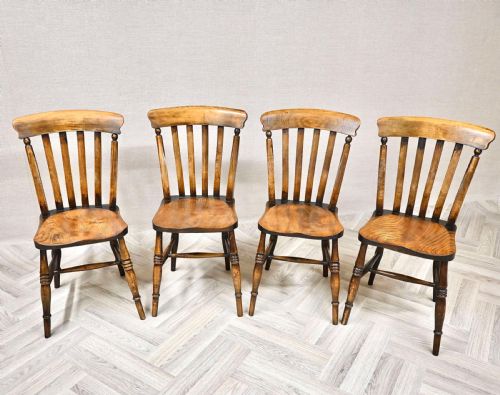
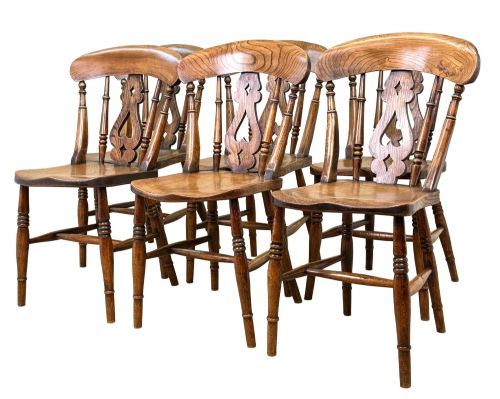
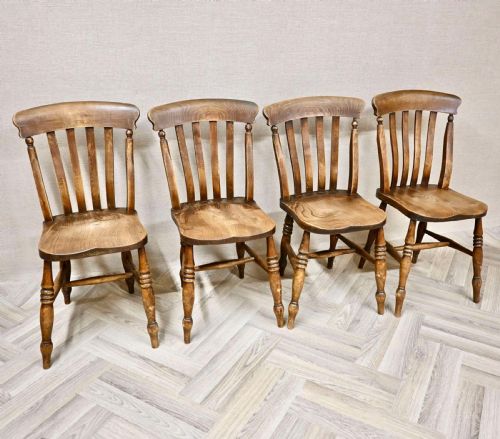
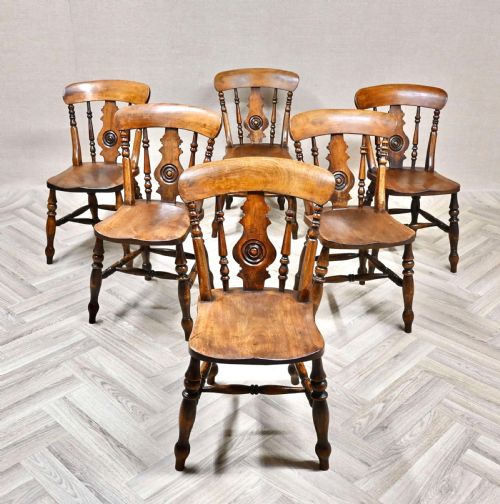
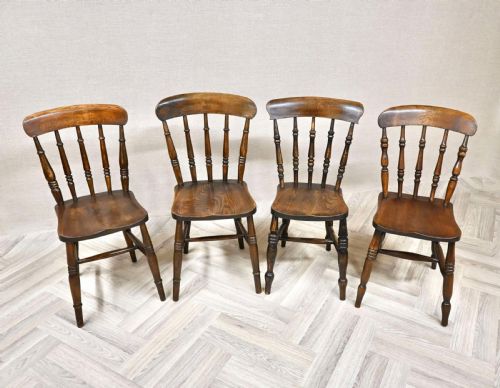
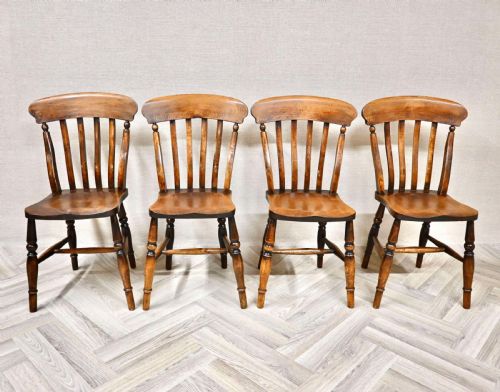
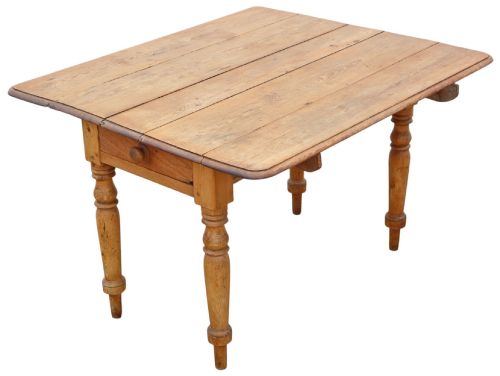
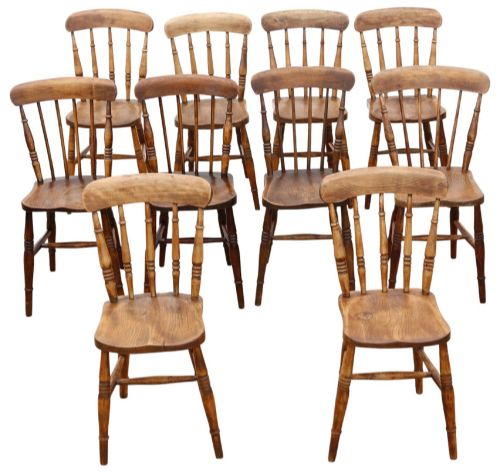
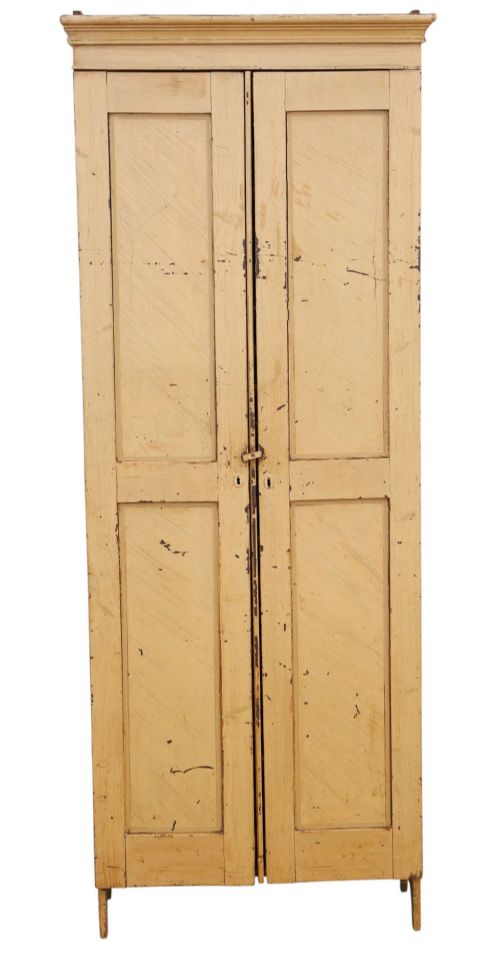
The version most commonly met on this page is the Windsor chair, frequently found in sets or pairs with lathbacks, wheelbacks, or bullseye designs. Alongside these seating options, buyers regularly encounter pine drop-leaf tables, dresser bases, and glazed kitchen cabinets originating from the nineteenth century.
Materials and construction methods
Construction relies heavily on solid native timbers chosen for strength and resilience, with pine and pitch pine forming the basis of large furniture like tables and dressers. Hardwoods such as elm and beech provide the necessary flexibility and durability for Windsor chair seats and spindles.
Joinery techniques prioritize mechanical strength over concealment, utilising pegged joints, dovetailed drawer construction, and traditional turnings. Metal hardware, brass fixtures, and copper measures appear alongside glazed panels to complete utilitarian items designed for decades of active service.
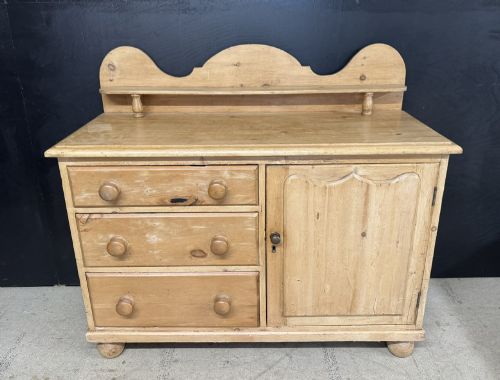
Listings feature nineteenth-century items constructed from pine, oak, elm, beech, and ash, encompassing traditional dining tables, Windsor chairs, and glazed cupboards.
Distinguishing quality in period pieces
Quality rests in the integrity of the timber selection and the retention of original surface treatments, whether stripped pine, aged oak, or historic paint. Tables and cupboards displaying clean proportions and uncompromised structural frames stand apart from heavily altered examples.
Seating demonstrates quality through the harmony of turned components, matching sets of Windsor chairs, and the sculptural comfort of carved elm seats. Superior pieces exhibit balanced wear that speaks to honest longevity rather than extensive reconstruction.
The Victorian Kitchen Antiques Glossary
- Windsor chair
- A traditional wooden chair constructed with a solid wooden seat into which the legs and back spindles are directement inserted. They often feature distinct back designs such as lathbacks, wheelbacks, or stickbacks.
- Lathback
- A chair back style utilising vertical wooden slats or laths secured between a top rail and the seat. This form provides sturdy support and represents a common regional variation.
- Pitch pine
- A resinous pine variety known for its dense grain and durability, frequently utilised in nineteenth-century cabinetry and large farmhouse tables. It yields a distinctive warm tone when stripped and finished.
- Welsh dresser
- A large kitchen storage unit combining lower cupboards or drawers with upper open shelves for displaying crockery. Examples often incorporate glazed cabinets or tiered structures.
- Vernacular style
- Architecture or furniture design created according to local needs and using local materials without academic pretension. These pieces reflect regional traditions rather than formal architectural blueprints.
Victorian Kitchen Antiques: Frequently Asked Questions
What defines a true farmhouse table?
A true farmhouse table from this period is built from solid timber such as pine, oak, or cherry, designed for heavy daily food preparation and family meals.
These tables frequently incorporate practical additions like drawers for utensils and robust stretcher bases to ensure stability during use.
How do I care for antique pine furniture?
Antique pine benefits from regular dusting with a dry cloth and occasional treatment with natural beeswax to nourish the wood and maintain its lustre.
Keep these pieces away from direct heat sources and drastic humidity changes to prevent the timber from splitting.
Are Windsor chairs comfortable for daily dining?
Windsor chairs are ergonomically shaped with saddled elm seats and raked spindles designed to offer natural support during extended sitting.
Their sturdy wooden construction makes them well-suited for daily use around a kitchen or dining table.
What is the difference between a dresser and a larder?
A dresser typically combines lower storage cupboards with open shelving above for displaying kitchenware and serving essentials.
In contrast, a larder is designed primarily for food storage, featuring enclosed shelving, cupboards, and sometimes ventilation panels to keep provisions cool.