

Victorian Jewellery Set
A victorian jewellery set brings together matched or complementary pieces crafted in precious metals and gemstones during the nineteenth century.
Victorian Jewellery Set
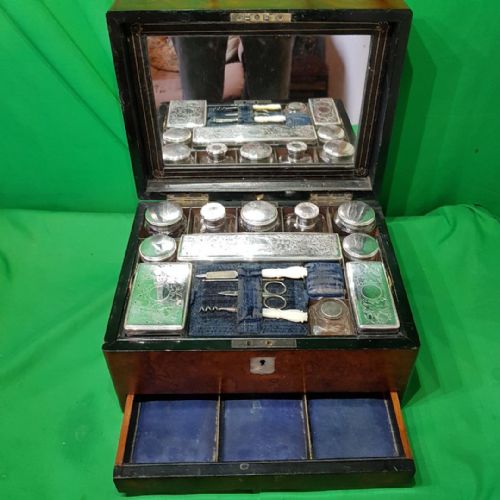
A victorian jewellery set comprises coordinated pieces such as earrings, brooches, necklaces, and rings created during the nineteenth century. Buyers searching for a victorian jewellery set encounter matched suites of gemstone jewellery alongside travel dressing boxes and cases fitted to hold precious trinkets.
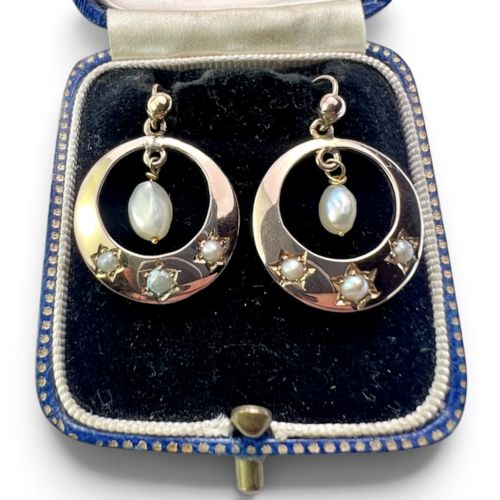
The selections span distinct periods including early, late, and general Victorian eras, often accompanied by pieces from around nineteen hundred. Surviving items include matching earrings and brooches set with pearls, turquoise, amethyst, and diamonds.
Materials and construction
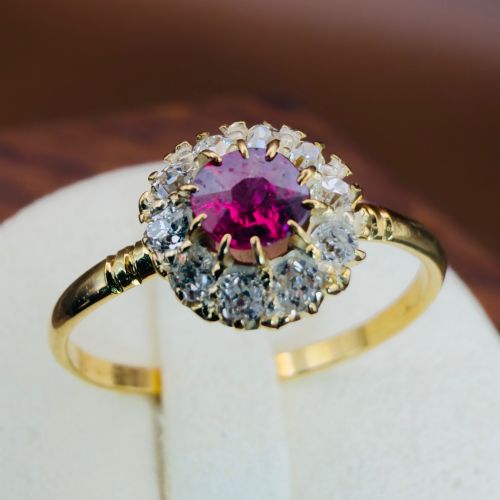
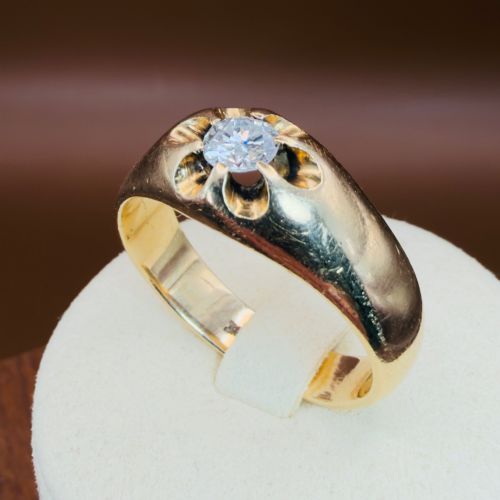
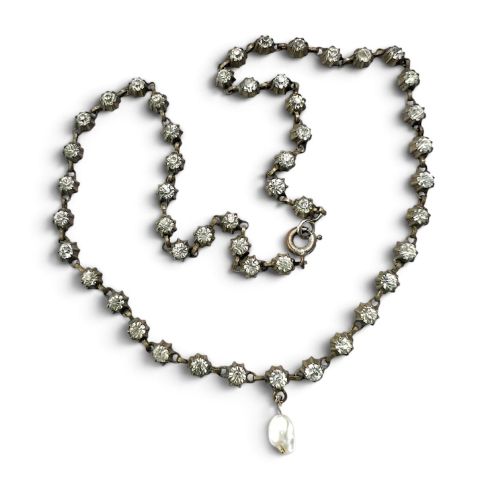
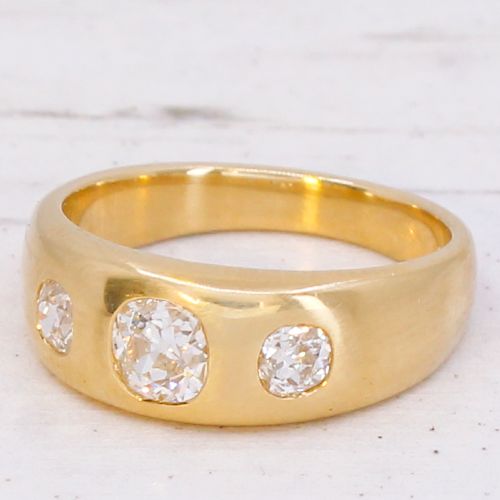
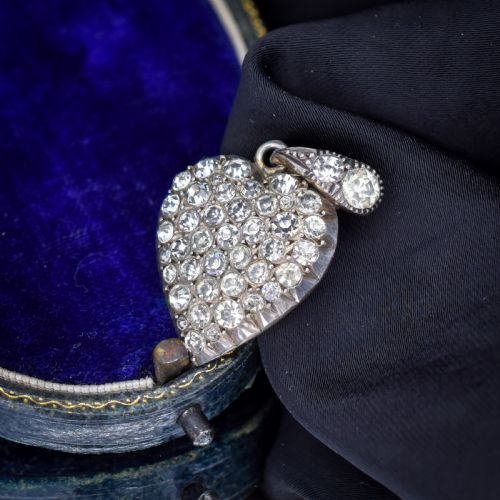
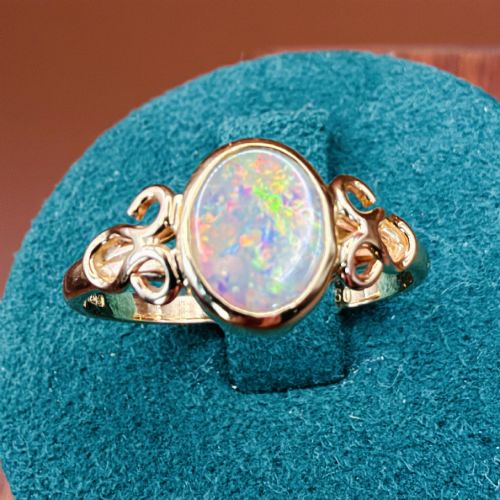
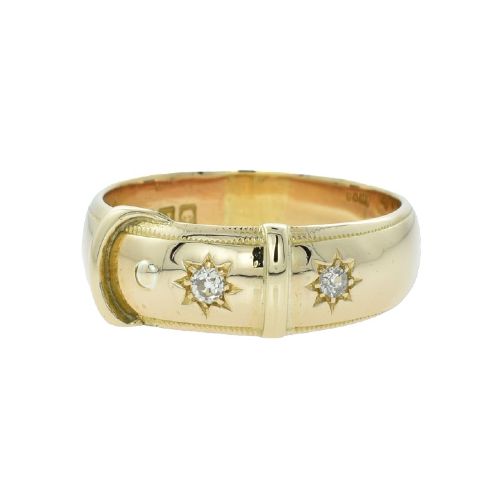
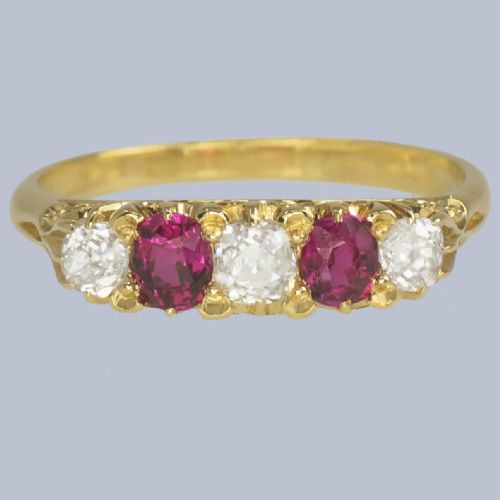
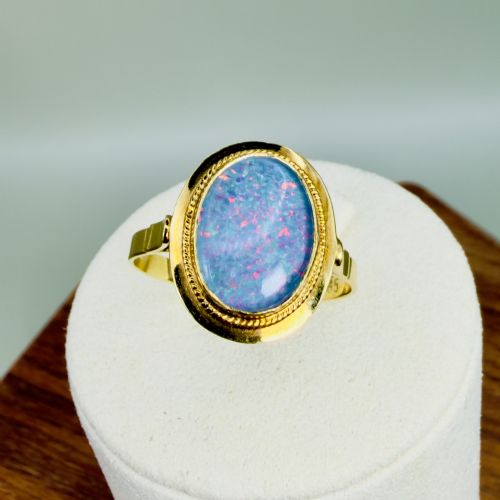
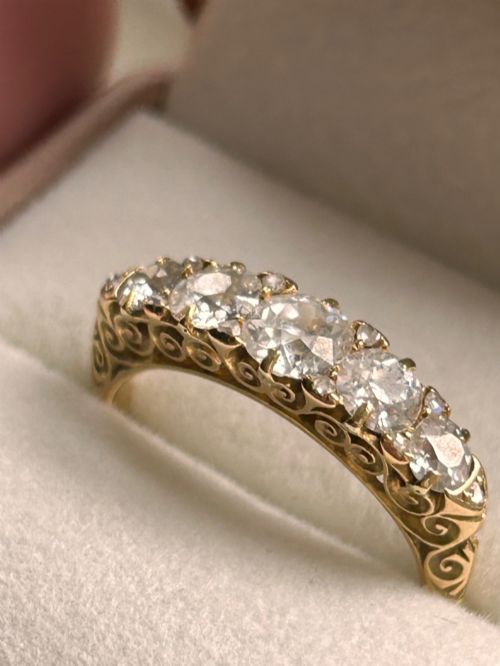
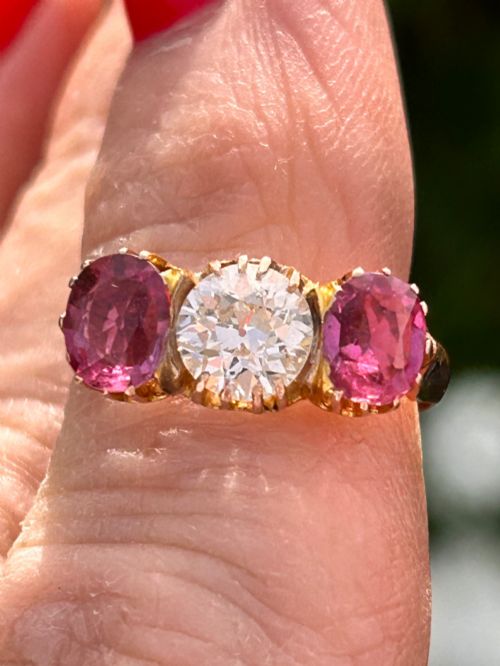
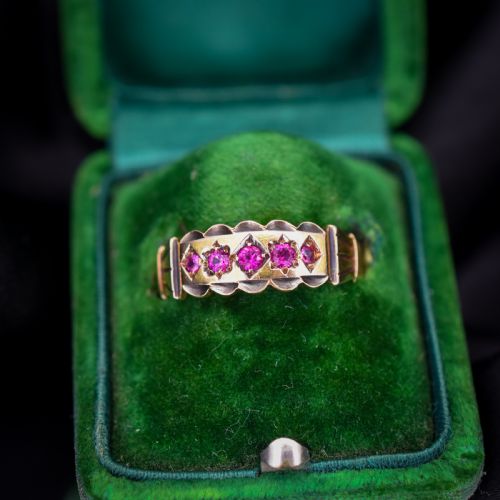
Goldsmiths utilised fifteen carat and eighteen carat yellow gold, alongside silver and rolled gold, to form the structural mounts for brooches, rings, and pendants. Gemstones such as old cut diamonds, rubies, sapphires, opals, and pearls were secured using star settings, gypsy settings, and claw mounts.
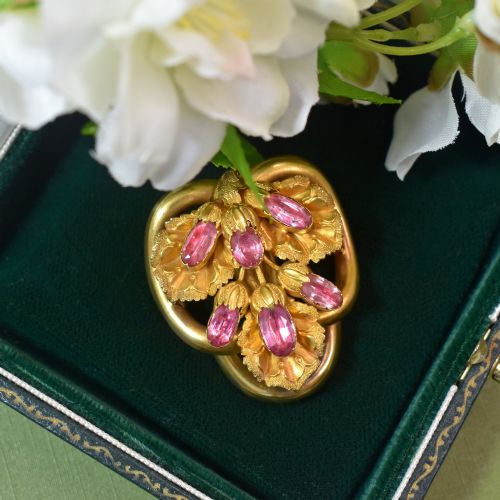
Decorative elements incorporate foil-backed topaz, paste, coral, and turquoise arranged in floral, crescent, and starburst motifs. Boxes and travelling cases utilise burr walnut fitted with internal compartments for storing valuable ornaments.
Gemstones recorded across the inventory include diamonds, rubies, sapphires, opals, garnets, turquoise, amethyst, and pearls.
Factors determining quality
The standard of a piece rests upon the weight and purity of the gold, whether fifteen or eighteen carat, and the quality of the gemstones chosen. Intricate hand-carved star settings and well-matched natural stones distinguish finer examples from standard work.
The integrity of matching sets relies on the uniformity of the pearls, turquoise, or diamonds across every included component. Preservation of original fitted boxes and secure clasps further elevates the standing of an assembly.
The Victorian Jewellery Set Glossary
- Gypsy ring
- A ring style where gemstones are flush-set directly into the thick gold band, popular during the late nineteenth century.
- Old cut
- A hand-faceted diamond cut preceding modern brilliant cutting, characterised by a smaller table, higher crown, and open culet.
- Trefoil
- A decorative arrangement of three overlapping lobes or stones resembling a clover leaf, commonly seen in cluster rings.
Victorian Jewellery Set: Frequently Asked Questions
What is a victorian jewellery set?
A victorian jewellery set consists of coordinated personal ornaments or fitted dressing cases produced during the nineteenth century. These collections typically include matched brooches, earrings, and bracelets.
Buyers also encounter multi-piece suites featuring stones such as turquoise, pearls, and diamonds set in yellow gold or silver. Each element reflects the prevailing design motifs of the era.
How do I identify genuine victorian pieces?
Genuine nineteenth-century items display period-specific metal purities, such as fifteen carat gold, alongside hand-cut gemstones like old mine diamonds. Maker marks and Chester town hallmarks often assist in dating the metalwork accurately.
Construction methods, including closed-back settings and hand-engraved star motifs, provide further clues to authenticity. Comparing mounting styles helps separate nineteenth-century work from later revivals.
How were dressing boxes used?
Dressing boxes served as portable storage chests for holding jewellery, cosmetics, and grooming implements during travel or daily use. Wealthy Victorians kept their valuables organised within velvet-lined internal trays and compartments.
These burr walnut enclosures often featured lockable mechanisms to protect precious rings and brooches. They functioned as both practical storage and elegant bedroom accessories.
Can I wear these sets daily?
Wearing antique jewellery requires mindful care due to the delicate nature of soft gemstones like pearls and opals. Regular checks on claw and gypsy settings help prevent the loss of stones during everyday use.
Avoiding exposure to harsh chemicals and removing pieces prior to strenuous activity preserves the gold and silver mounts. Proper storage in dedicated compartments keeps matching items secure.