


Turquoise Silver Brooch
These turquoise silver brooch pieces combine bright blue stones with polished metal, offering collectors a striking accessory with enduring historic charm.
Turquoise Silver Brooch
A turquoise silver brooch is a wearable ornament that combines bright blue or greenish gemstones with silver or silver gilt settings. Buyers searching this phrase encounter a variety of forms ranging from simple bar designs to elaborate insect and floral motifs.
The Victorian and Edwardian periods provide the majority of these pieces, often featuring horseshoe, swallow, butterfly, or flower configurations. Designers of the Arts and Crafts and Art Nouveau movements also utilised this combination, creating distinctive pendants and brooches.
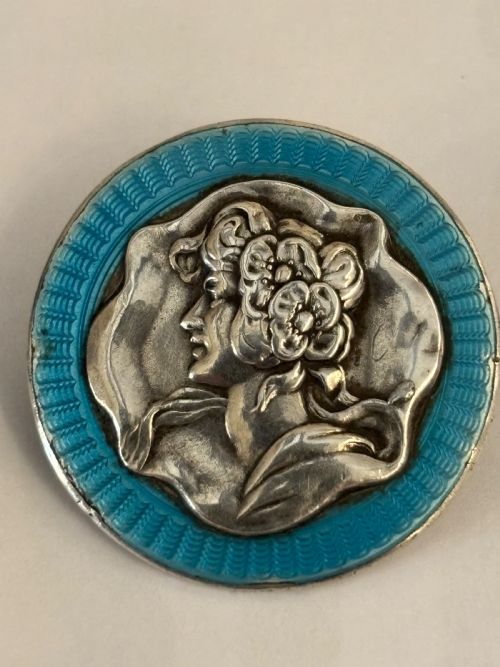
Later examples extend into the twentieth century, including Scandinavian modern and mid-century enamel works. These later pieces often incorporate vitreous enamel alongside the silver and turquoise stones to enhance the visual depth.
How they were made
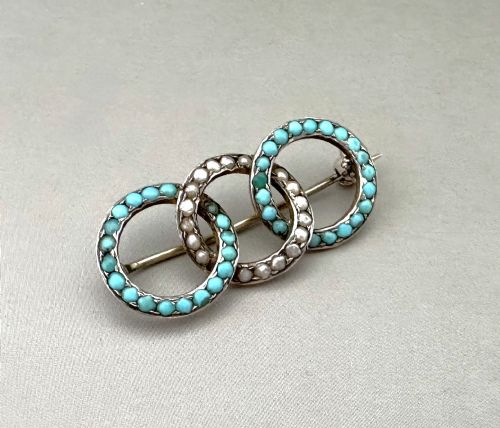
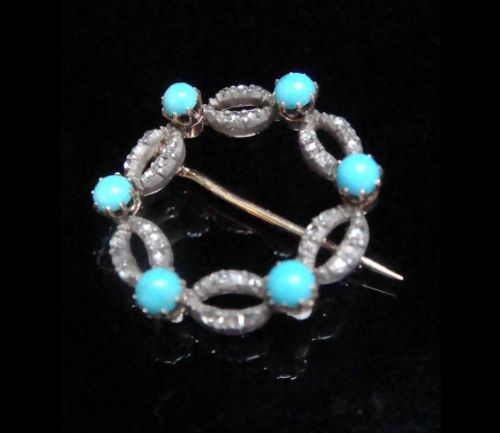
Silversmiths shaped the base mounts from sterling silver or applied silver gilt to create a warm gold tone over the metal. Stones were typically set by hand into bezels or arranged in pavé formations to cover the surface of the design.
Enamelling techniques such as guilloche and vitreous enamel added colourful backgrounds or patterned details behind the stones. Makers frequently combined turquoise with seed pearls, garnets, or diamonds to enrich the decorative composition.
Insects and reptiles proved remarkably popular, meaning you are just as likely to wear a silver frog or lizard as a flower.
What varies in quality
Quality depends upon the uniformity and natural matrix of the turquoise stones used within the setting. Even colour distribution and secure stone placement elevate the overall standard of the piece.
The intricacy of the metalwork and the preservation of any enamel elements determine the distinction between standard examples and finer items. Maker marks and clear hallmarks also influence the desirability of the piece.
Henry Matthews·Marius Hammer·John Atkins·Sporrong and Co
The Turquoise Silver Brooch Glossary
- Silver Gilt
- Silver that has been coated with a thin layer of gold. This technique provides the appearance of solid gold while utilising a silver base.
- Guilloche Enamel
- A decorative technique where a precise pattern is engraved into the metal beneath a translucent enamel layer. This creates a shimmering, reflective surface.
- Pavé
- A setting style where small gemstones are closely set together with minimal visible metal. The surface appears paved with stones.
- Vitreous Enamel
- Glass powder fused to metal through high-temperature firing. It produces a durable, glossy coloured surface.
- Hallmark
- An official stamp applied to precious metals indicating purity, maker, and assay office. These marks help verify the origin of the item.
Turquoise Silver Brooch: Frequently Asked Questions
How do I date a silver brooch?
Dating relies heavily on hallmarks, fastener types, and stylistic indicators such as Art Nouveau curves or Victorian motifs. Examining the construction of the pin and hinge provides further clues to the era of manufacture.
Comparing the specific stone combinations and enamel work with documented pieces from the same period helps narrow down the decade of creation.
Are turquoise stones always natural?
Many older pieces feature natural turquoise, which can show matrix lines and slight colour variations. Some twentieth-century examples utilise treated stones or alternative ceramic compounds.
Close inspection under magnification often reveals the natural porosity and structural characteristics of genuine turquoise.
How should I clean antique silver?
Silver pieces require gentle cleaning with a soft microfibre cloth to remove surface dust. Harsh chemical dips should be avoided, particularly when enamel or soft stones are present.
Storing the brooch in a dry environment away from direct sunlight protects both the silver from tarnishing and the turquoise from discoloration.
Did these pieces serve other uses?
Several brooches feature integrated loops, allowing them to transform into pendants for chains. This dual functionality was popular in the nineteenth and early twentieth centuries.
Belt buckles and small pinned ornaments also served practical attire requirements while functioning primarily as decorative items.