



Victorian Jewellery Cabinet
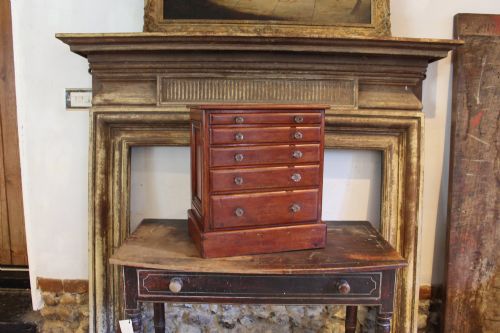
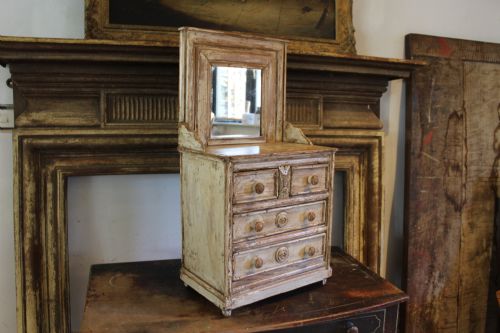
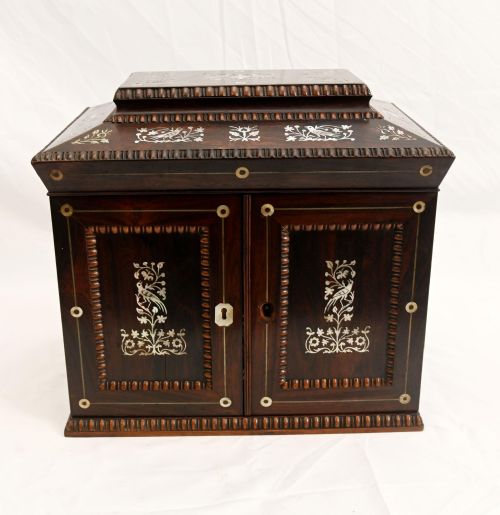
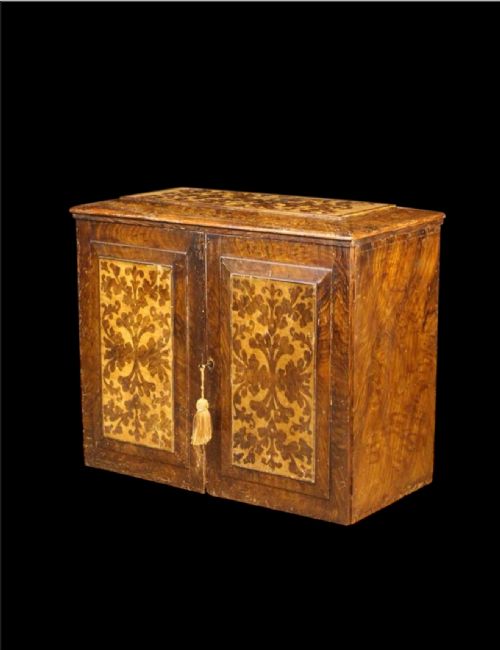
A victorian jewellery cabinet gathers small treasures in miniature chests, glass-topped bijouterie tables and fitted walnut boxes made to sit upon a larger surface.
Victorian Jewellery Cabinet
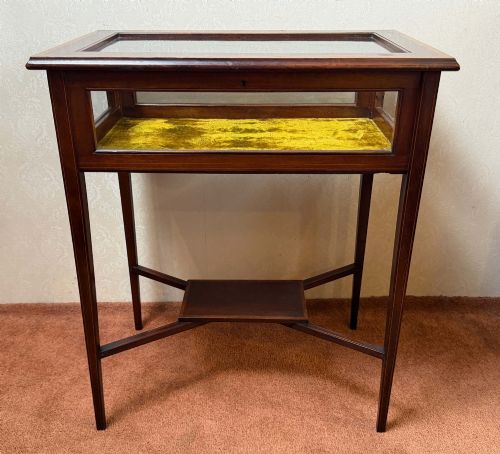
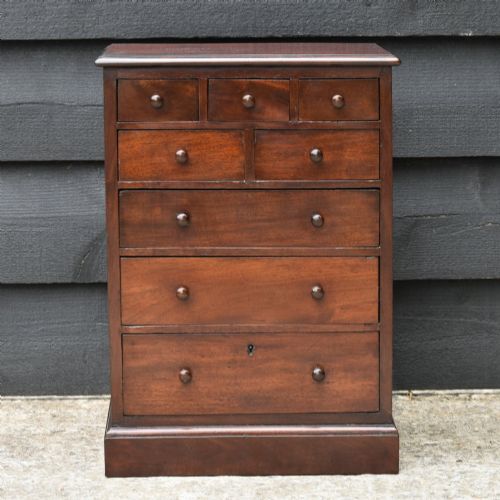
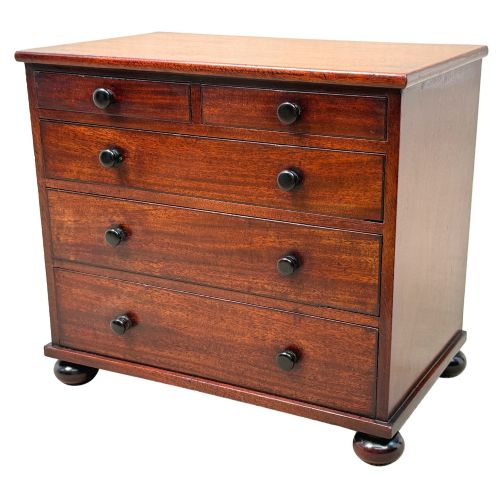
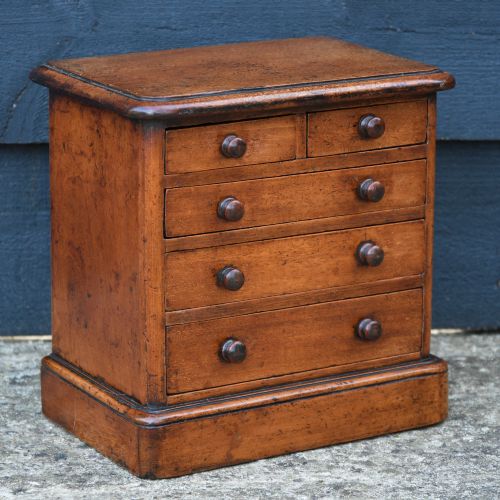
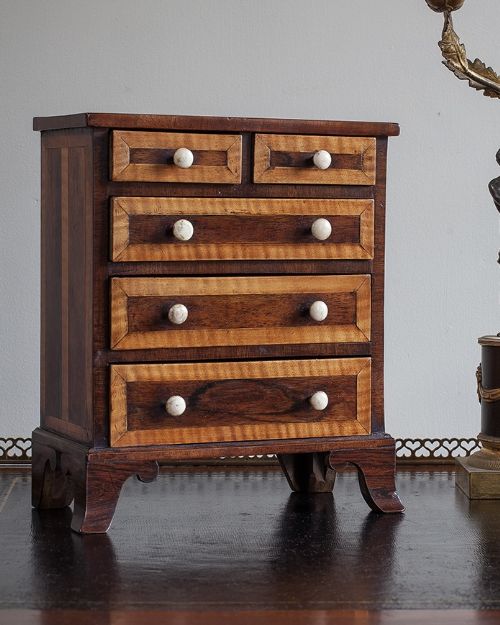
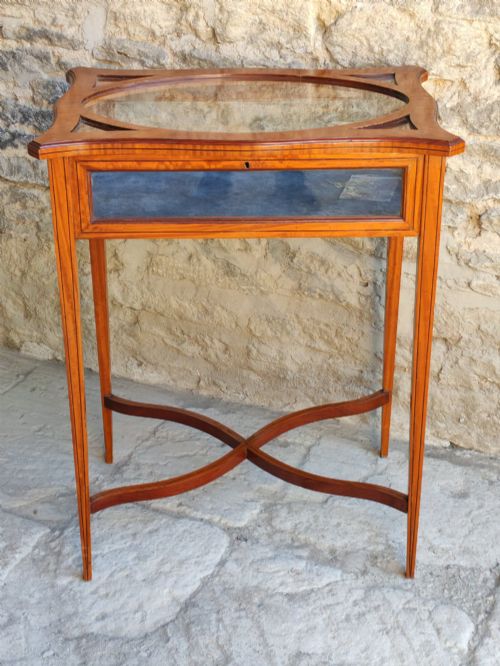
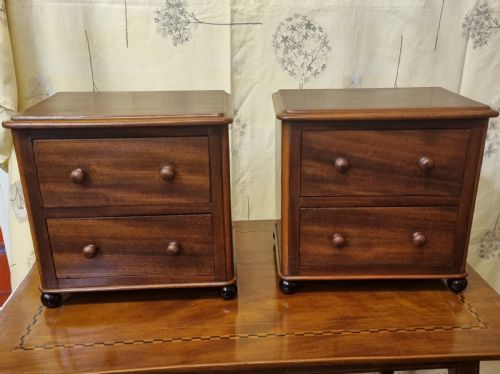
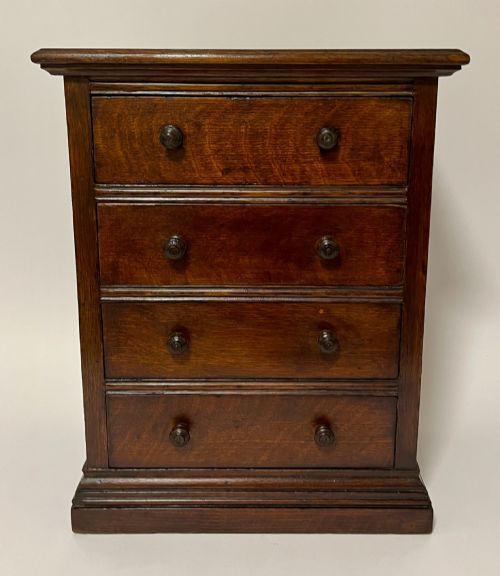
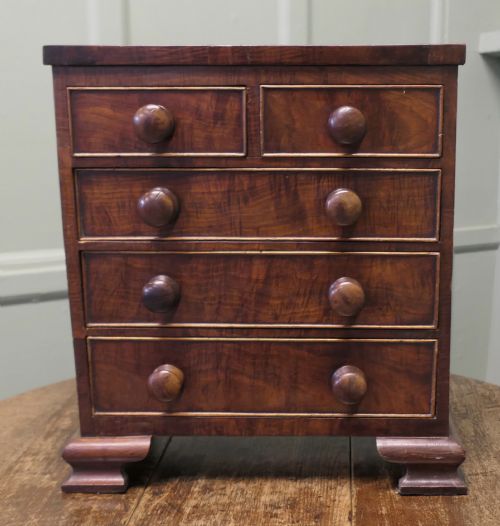
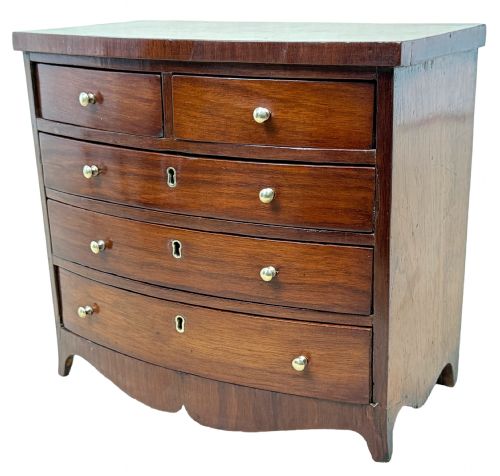
When you search for a victorian jewellery cabinet, you meet a variety of tabletop forms designed to secure trinkets, rings and collected curiosities. The most common examples on this page are miniature chests of drawers, often termed apprentice pieces, alongside glass-topped bijouterie display tables and table cabinets.
The material evidence spans traditional British cabinet timbers like mahogany, walnut and oak, alongside French influences incorporating kingwood and ormolu mounts. Pieces emerge from the nineteenth century, including specific dates across the eighteen-fifties, sixties, eighties and nineties, extending into Edwardian interpretations.
Beyond standard drawer chests, the selection embraces specialised pieces such as watch and repairer's chests, papier-mâché boxes inlaid with mother-of-pearl, and tall Wellington chests. These objects served intimate domestic spaces, dressing rooms and small shop counters for displaying valuable wares.
Materials and Technique
Cabinetmakers built these small structures using dense hardwoods such as mahogany, walnut, satinwood and amboyna, frequently selecting figured veneers to create striking grain patterns on drawer fronts and lids. Marquetry inlay, brass handles, ebonised mouldings and mother-of-pearl details decorated the exterior surfaces.
Glass panels framed in brass or timber formed the viewing lids of bijouterie tables and vitrines, allowing objects to be seen without exposure to dust or handling. Interiors were typically lined with fabric, velvet or satin to protect delicate items placed within the small drawers and compartments.
Victorian Jewellery Cabinet Retail Price Guide 2026
Typical asking prices for victorian jewellery cabinet among the pieces listed under this phrase on Sellingantiques today, from the lower quarter to the upper quarter. They describe what is for sale here now, not the wider market.
Periods represented stretch from early Victorian and Georgian revival styles through to Edwardian interpretations.
Distinctions in Standard
Quality rests upon the crispness of the cabinetmaker's joinery, the choice of timber veneer and the integrity of the original interior linings. Pieces displaying figured walnut, intricate marquetry or fine brass mounts distinguish themselves from simpler utility boxes.
The presence of working locks, secret drawers, original bevelled glass and well-fitted internal trays elevates a piece. Finer examples maintain an unblemished French polish finish and retain their structural balance without warping across the small panels.
Edwards & Roberts
The Victorian Jewellery Cabinet Glossary
- Bijouterie table
- A glass-topped display table designed specifically for showcasing small precious items and trinkets. These pieces often feature hinged lids and velvet-lined interiors.
- Apprentice piece
- A fine miniature item of furniture traditionally created to demonstrate skill before joining a trade guild. In practice, many small nineteenth-century chests served as tabletop drawers for domestic use.
- Wellington chest
- A tall, narrow chest of drawers secured by a hinged vertical locking side bar that fastens over the drawer edges. This clever mechanism protected the contents securely.
- Ormolu
- Gilded bronze mounts applied to furniture surfaces for decorative effect, frequently seen on French-influenced cabinet designs. The technique added a bright metallic contrast to dark wood.
- Marquetry
- The art of forming decorative patterns using thin veneers of different timbers, and occasionally shell or ivory, fitted together precisely. It creates intricate pictorial or geometric designs on cabinet surfaces.
Victorian Jewellery Cabinet: Frequently Asked Questions
What is an apprentice piece?
An apprentice piece is a small-scale model of a full-sized item, traditionally made by a woodworker proving skill to a guild. On this page, these items appear as miniature chests of drawers designed for tabletop use.
While historic tradition linked them to training, many were simply produced as domestic furnishings for holding trinkets and letters. Their small proportions required precise woodworking skill.
How were bijouterie tables used?
Bijouterie tables served as drawing room display furniture where hosts could exhibit small curiosities, medals and jewellery under glass. The glazed top protected items from dust while offering an immediate view.
Inside, fabric or velvet linings cushioned the objects and prevented them from sliding about when the room filled with guests. They functioned as both decorative tables and personal vitrines.
What is a secret drawer?
A secret drawer is a concealed compartment built into a cabinet, often hidden behind movable mouldings, false backs or decorative panels. Makers included these to provide extra security for banknotes, rings and private letters.
Finding one requires understanding the construction of the cabinet and locating the subtle release mechanism. They add an element of clever mechanical design to nineteenth-century case pieces.
How do I care for polished wood?
Polished wood benefits from stable room environments away from direct sunlight and rapid temperature shifts. Excessive heat can dry out historic veneers and cause timber to split or warp.
Gentle dusting with a dry, soft cloth preserves the French polish finish without stripping the patina. Avoid modern silicone sprays, which leave a film that damages antique timber over time.