




Victorian Iron Troughs
Victorian iron troughs are heavy, utilitarian garden vessels built to endure, offering industrial character and enduring planting utility for modern spaces.
Victorian Iron Troughs
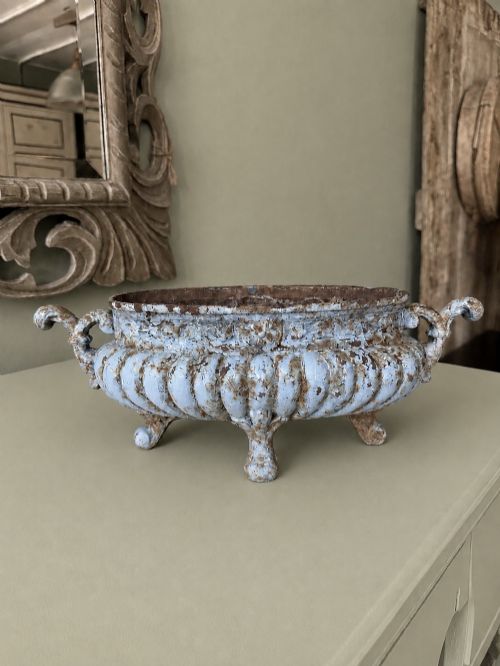
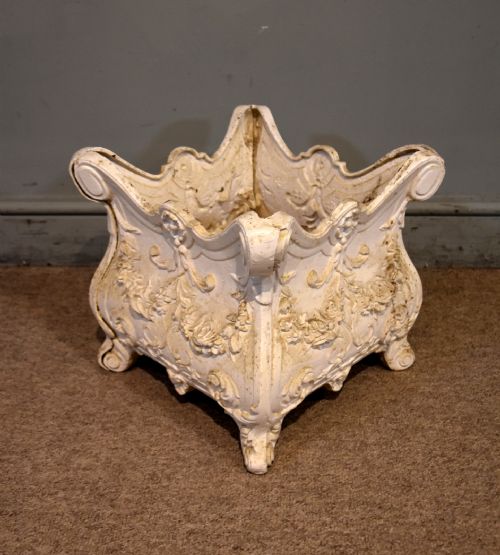
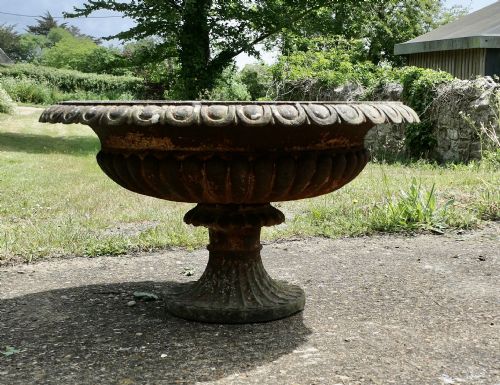
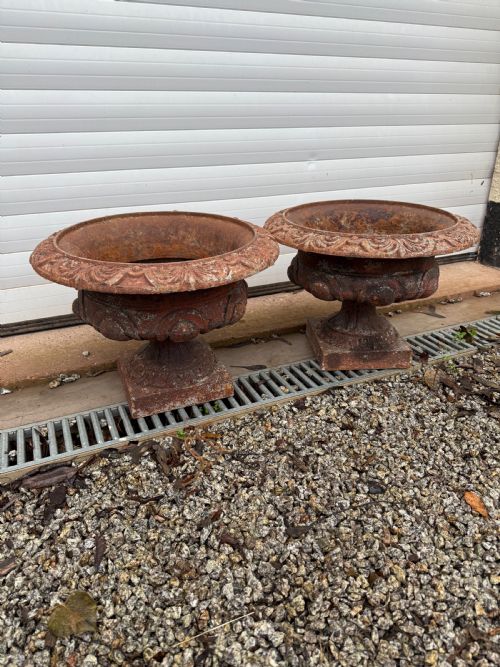
Victorian iron troughs and associated garden planters provide heavy-duty planting vessels designed for domestic and estate grounds. Buyers searching for victorian iron troughs frequently encounter related cast iron urns, jardinieres, and agricultural hay racks repurposed for modern gardens.
The selections span nineteenth-century British and French workshops, featuring robust industrial forms alongside decorative garden furniture. These items range from simple galvanised sheet metal buckets to elaborate coalbrookdale castings bearing distinct neoclassical or rustic farmhouse ornament.
Most examples serve as direct functional planters or conservatory plant stands, constructed to hold soil and heavy foliage. Their survival demonstrates the resilience of period metalwork across successive generations of garden design.
Materials and construction
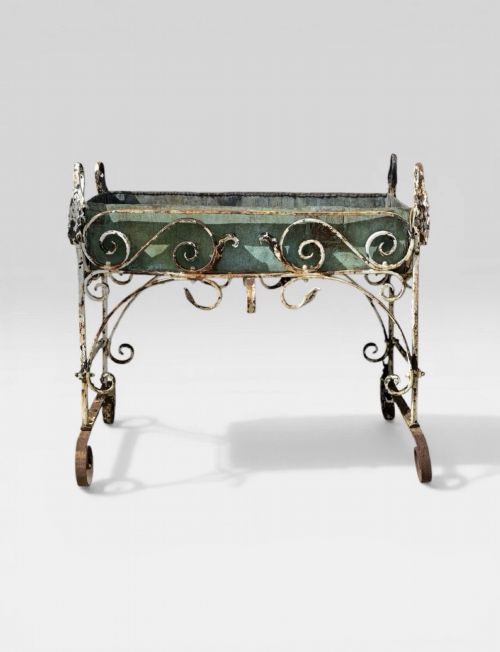
Foundry work relies heavily on cast iron poured into sand moulds, producing crisp decorative details like strapwork and gothic relief panels. Wrought iron elements are hand-forged and joined to create rigid structural frames and wirework stands.
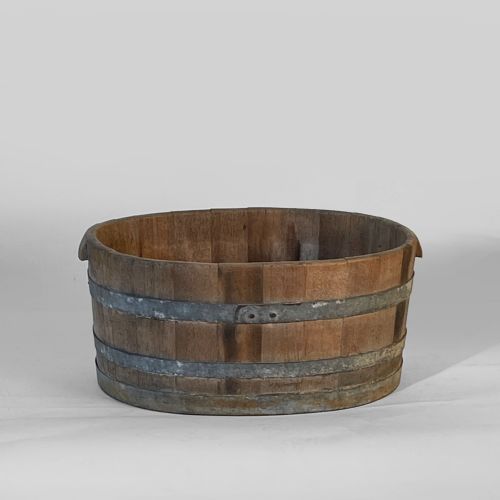
Secondary materials include zinc, copper, and oak reinforcement, utilised alongside protective coats of paint to deter rust. These combinations ensure structural stability while accommodating the constant moisture associated with active planting.
Listings feature items from the 19th Century, Edwardian, and Georgian periods, utilising cast iron, wrought iron, and oak.
Assessing quality and proportion
Quality rests in the crispness of the casting and the thickness of the metal walls, which dictate the vessel's longevity and weight. Superior examples display clean foundry marks, balanced proportions, and careful integration of structural handles or feet.
Patination and surface preservation distinguish untouched period items from later replacements. The depth of historical paint layers and the natural oxidation of the iron contribute to the visual weight of each piece.
Coalbrookdale
The Victorian Iron Troughs Glossary
- Cast iron
- A strong, hard alloy of iron and carbon poured into a mould to shape complex decorative garden ornaments and planters. It offers high compressive strength but remains brittle under sudden sharp impacts.
- Wrought iron
- Tough, malleable iron beaten into shape by hand, frequently utilised for structural straps, stands, and wirework frames. It bends rather than breaks when subjected to heavy loads.
- Jardiniere
- An ornamental pot or stand designed to hold growing plants indoors or on a terrace, often featuring decorative exterior relief moulding. The term derives from the French word for gardener.
- Hay rack
- A sloped feeding trough constructed from iron bars, originally fixed in stables and now frequently repurposed as a wall-mounted garden planter. Its open wire or strapwork construction ensures efficient soil drainage.
- Strapwork
- Ornamental work consisting of flattened metal bands arranged in intricate geometric patterns, commonly seen on nineteenth-century garden containers. This technique reinforces the vessel while adding surface texture.
Victorian Iron Troughs: Frequently Asked Questions
Can iron troughs stay outside all winter?
Iron troughs withstand cold outdoor conditions effectively due to their heavy metal construction and inherent weather resistance.
Ensure adequate drainage holes remain clear so expanding ice does not crack the metal or masonry over winter.
How heavy are these cast iron planters?
These planters carry substantial weight owing to the dense iron alloy used in nineteenth-century foundry production.
Position them carefully before filling with soil, as moving a large loaded trough requires multiple people or specialised equipment.
How do I prevent rust on iron garden pieces?
Apply periodic coats of exterior metal paint or protective wax to seal the surface against moisture and slow oxidation.
Leaving a natural rusted patina is acceptable provided the metal thickness remains structurally sound and stable.
Are hay racks suitable for wall planting?
Hay racks adapt well to wall-mounted planting when lined with coconut coir or heavy landscaping fabric to retain soil.
Secure the mounting brackets firmly into solid brick or masonry to support the considerable combined weight of damp earth and plants.