





Victorian Iron Strongbox
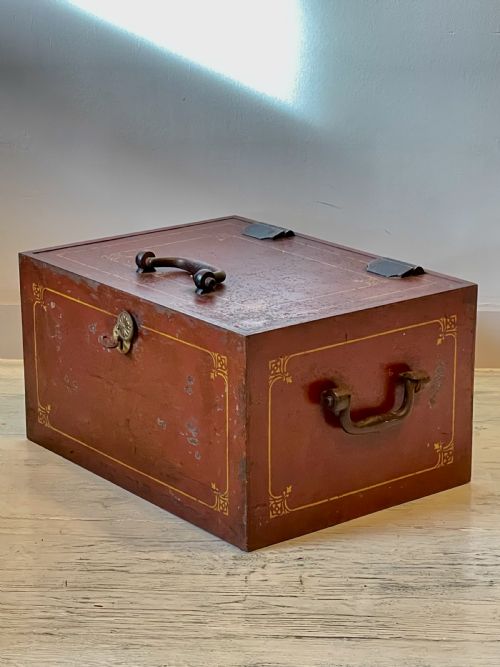
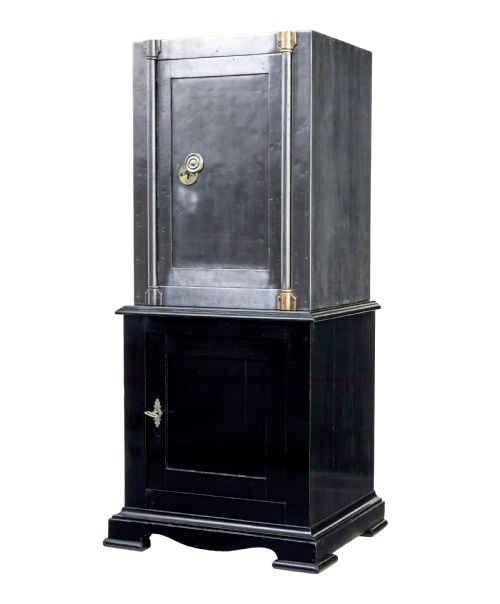
These Victorian iron strongboxes are heavy security chests built to protect valuables, prized for their robust construction and industrial presence.
Victorian Iron Strongbox
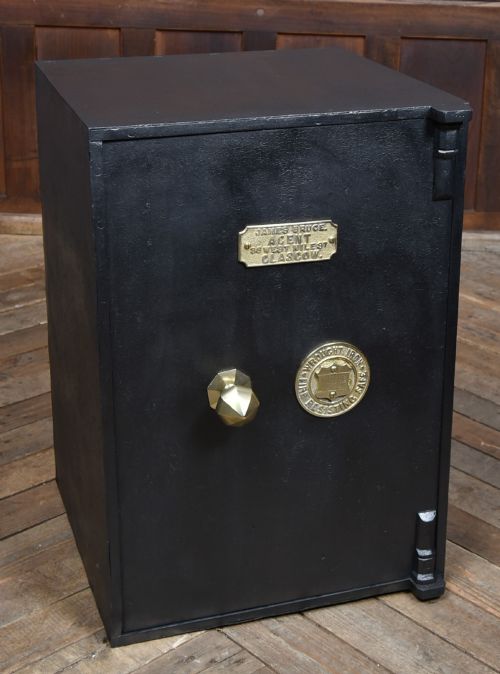
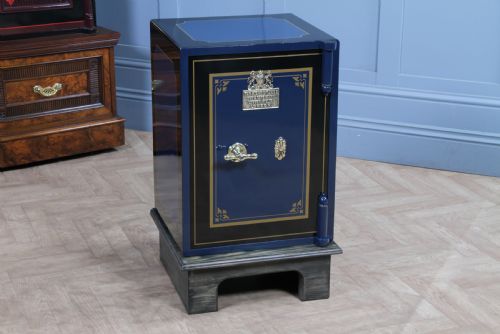
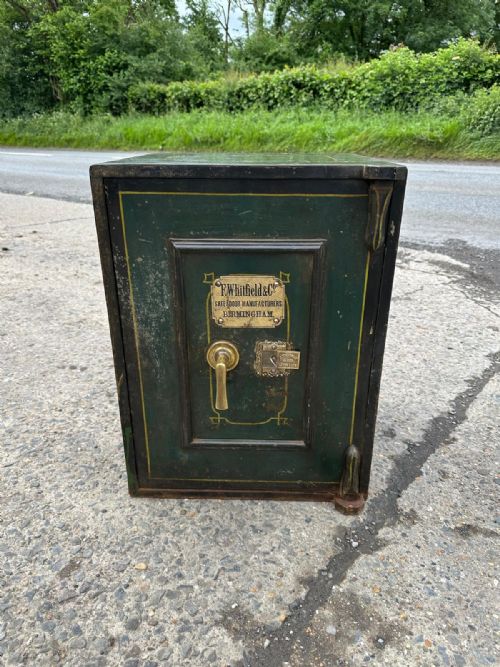
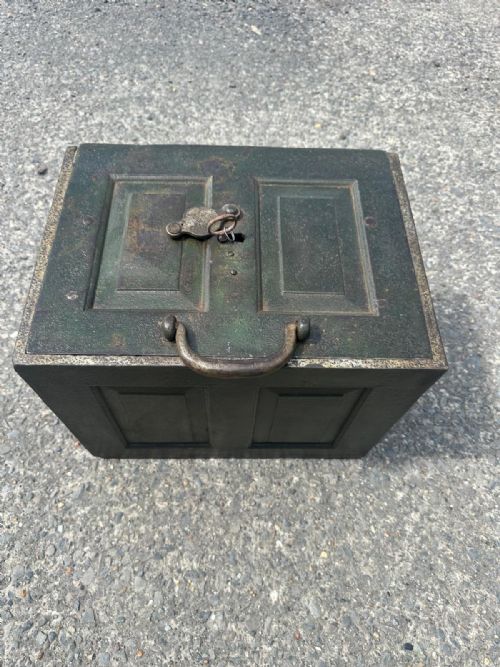
A victorian iron strongbox is a secure repository designed for holding silver, money, and important documents in nineteenth-century homes and businesses. The pieces on this page span from simple sheet iron boxes to substantial cast iron safes produced during the Victorian period.
Forms range from compact portable strongboxes to large floor-standing safes on bespoke wooden stands or cabinets. Many examples combine iron or steel bodies with oak linings and brass fittings, reflecting both security and domestic utility.
Origins include notable English and Scottish makers as well as continental workshops, with some items bearing retailer details from Bond Street. These boxes survive in various states, from original painted surfaces to fully restored luxury finishes.
How They Were Made
Construction relies heavily on cast iron, wrought iron, and sheet iron panels joined to form rigid, secure enclosures. Oak and wood carcasses frequently line the interior to protect contents, while metal banding and straps reinforce the exterior.
Complex locking mechanisms utilise brass and steel components, often operated by specialised keys designed for patent locks. Surface finishes include original paintwork, polished steel, and iron plating with decorative strapping.
Listings feature items spanning the nineteenth century, incorporating oak, brass, and cast iron.
What Varies in Quality
The sophistication of the locking mechanism and the reputation of the maker largely dictate the standing of a piece. Signed works from established manufacturers command greater attention than unmarked utilitarian boxes.
James Bruce Glasgow·Tanns Defiance London·F Whitfield and Co·Milners of Liverpool·Chubb·George Price·Hobbs and Co
The Victorian Iron Strongbox Glossary
- Strongbox
- A heavily secured metal chest used for storing valuables and money. These containers rely on thick iron walls and complex internal locks to deter theft.
- Cast iron
- Molten iron poured into a mould to create rigid, heavy structural forms. This material provides the primary defensive barrier on many nineteenth-century safes.
- Wrought iron
- Tough, malleable iron worked by hammering and bending. Makers utilise this for exterior straps, hinges, and structural reinforcement.
- Silver chest
- A specialised wooden box lined with fabric and bound in iron or metal straps. These chests organise and protect domestic silverware.
- Patent safe
- A secure box manufactured under a registered design or locking mechanism patent. These pieces often feature advanced security innovations from named makers.
Victorian Iron Strongbox: Frequently Asked Questions
What is a Victorian iron strongbox?
A Victorian iron strongbox is a heavy metal security chest produced during the nineteenth century. These boxes were designed to safeguard money, documents, and silver in homes, banks, and merchant offices.
Constructed from cast iron, sheet iron, or steel, they often feature reinforced banding and complex locking mechanisms. Surviving examples range from simple portable deed boxes to large safes mounted on stands.
How were strongboxes used originally?
These boxes served as secure storage for portable wealth, legal deeds, and household silver collections. Military paymasters, merchants, and country house owners relied on them to prevent theft and fire damage.
Many strongboxes were kept in studies, strongrooms, or administrative offices. Their heavy weight and secure locks ensured contents remained protected during transit or storage.
How do I date a strongbox?
Dating relies on construction methods, material usage, and maker marks or patent details stamped into the metal. The transition from hand-forged wrought iron to mass-produced cast iron helps establish the period.
Victorian pieces often display specific aesthetic traits, such as painted finishes, brass maker plaques, and distinct strapwork. Surviving keys and cabinet stands also provide contextual clues to the date of manufacture.
Are original keys important?
Original keys are significant because they operate the complex proprietary locks fitted to nineteenth-century safes and strongboxes. Finding a piece with its working original key adds historical completeness.
Many locks are intricate works of engineering featuring multiple levers and patented designs. Replacement keys can sometimes be sourced, but an original mechanism with its matching key remains desirable.
How do I live with one?
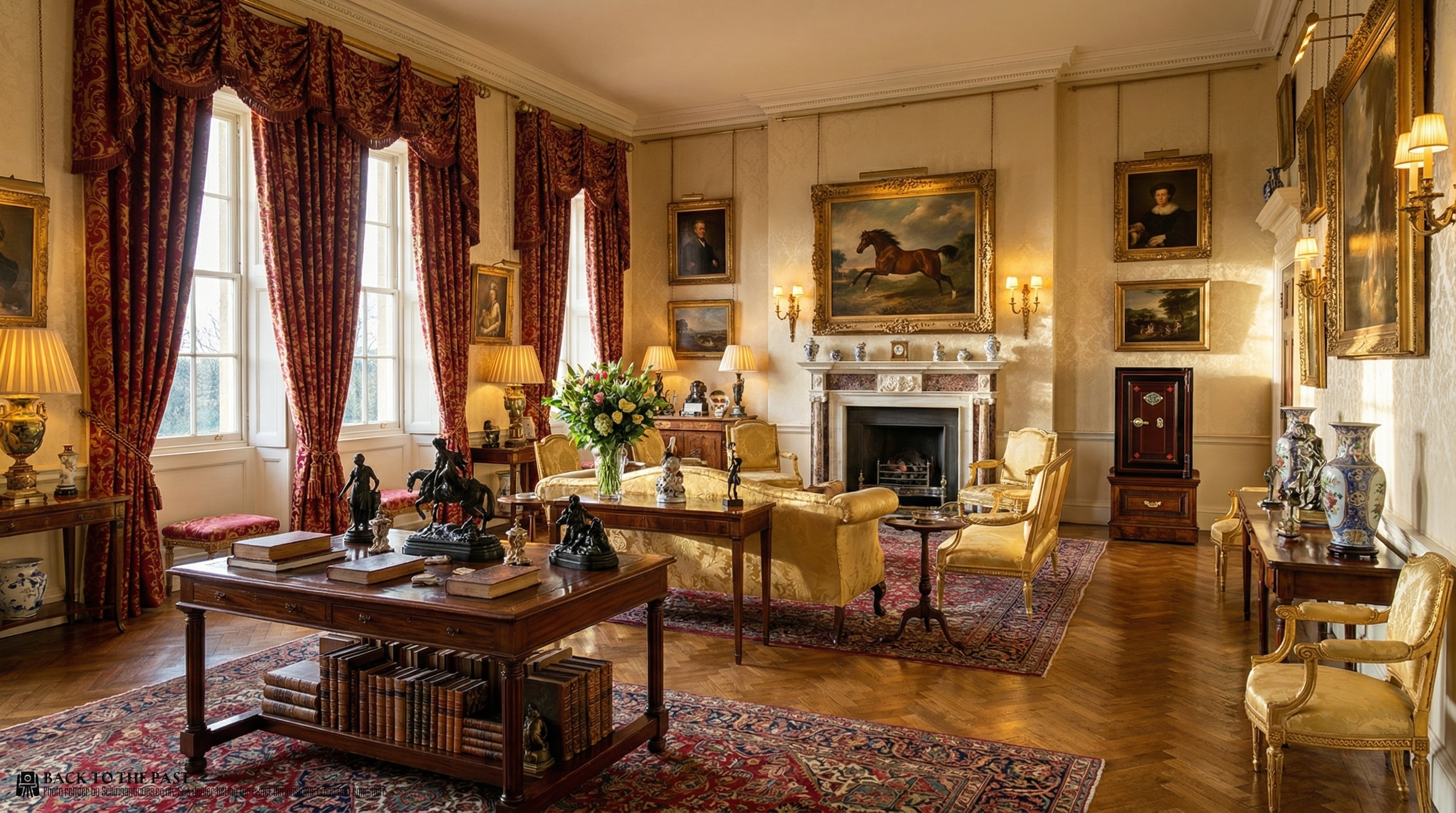
Strongboxes make substantial statement pieces in modern interiors, functioning as side tables, coffee table bases, or display chests. Their industrial metal surfaces and patinated iron add visual weight to a room.
Due to their considerable mass, placement requires careful planning regarding floor weight and access. Interiors often provide practical storage for contemporary items while retaining their historical character.