


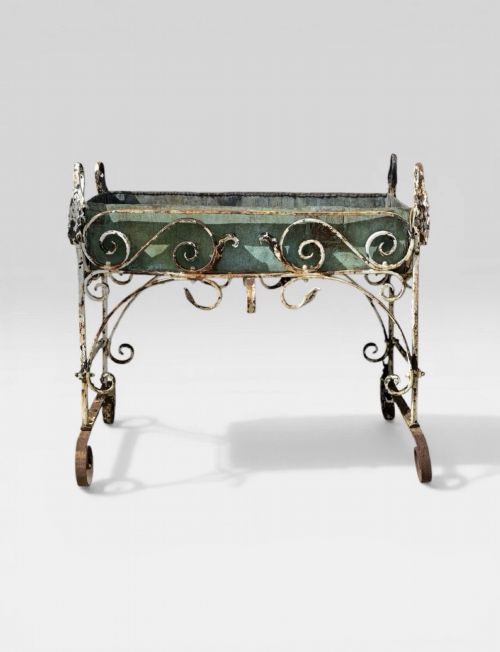

Victorian Iron Planter
These robust victorian iron planter examples bring classical elegance and practical longevity to terrace and garden spaces alike.
Victorian Iron Planter
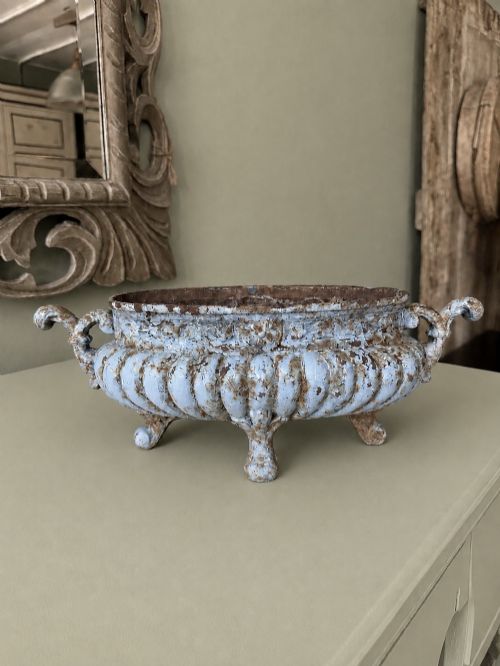
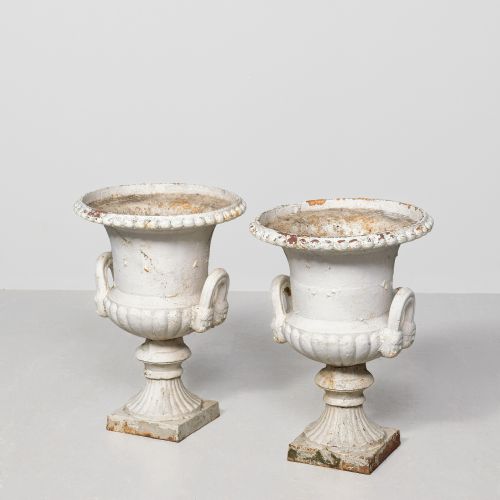
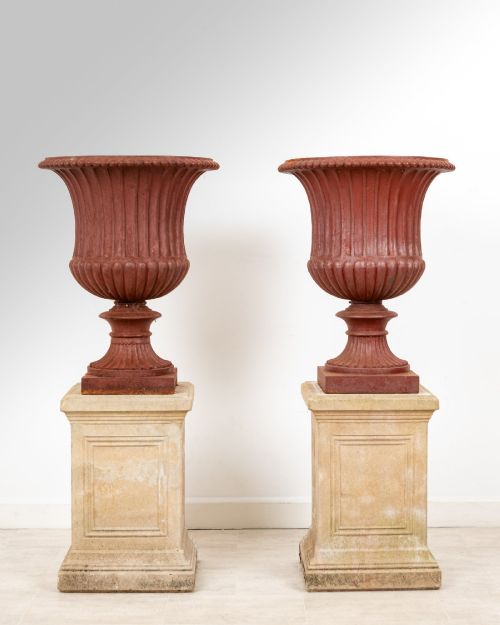
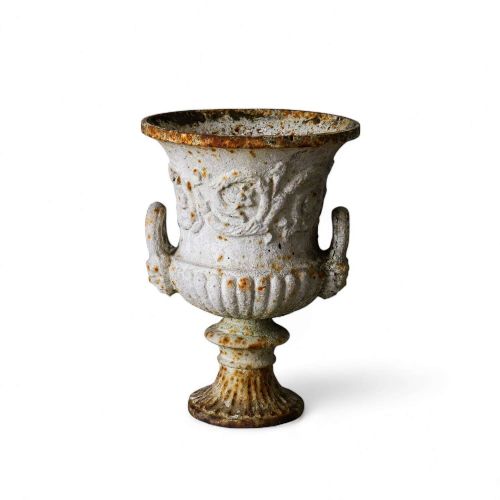
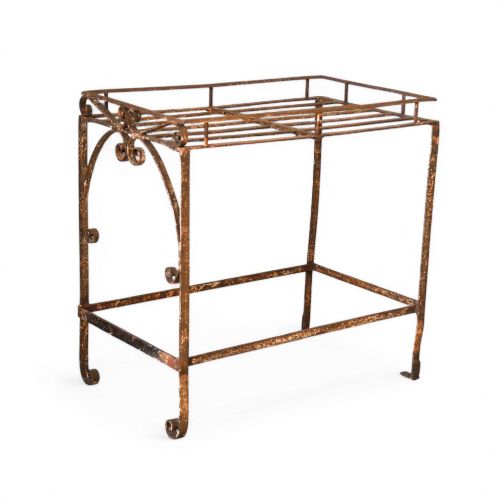
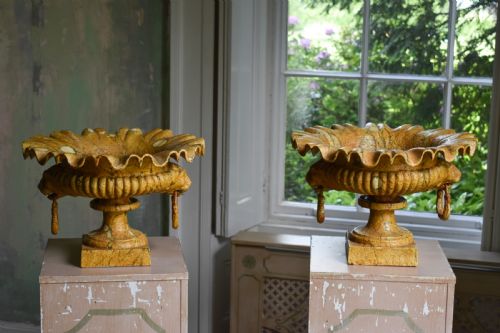
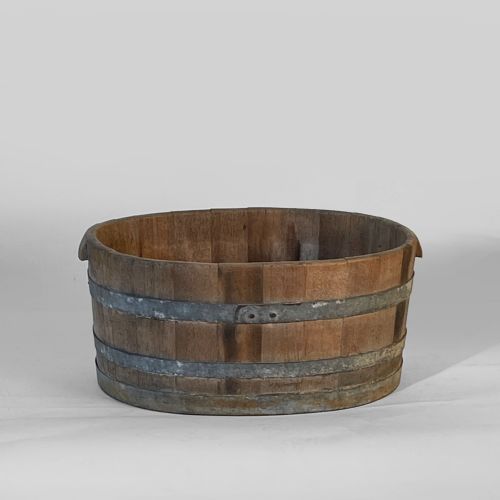
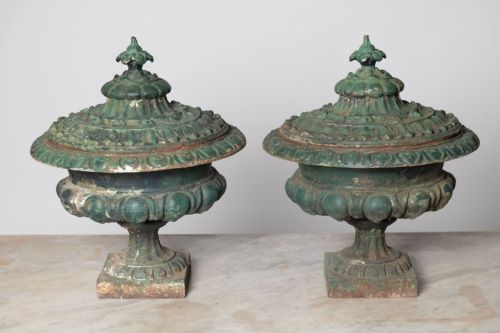
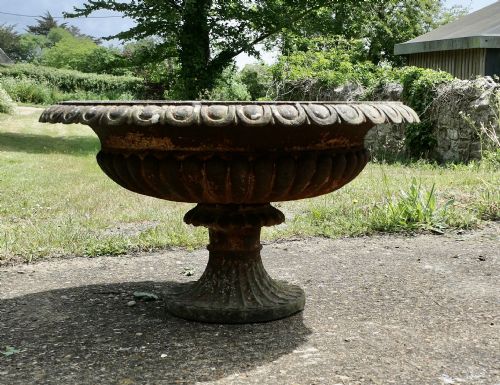
A victorian iron planter encompasses heavy metal vessels designed for botanical display, ranging from grand campana urns to multi-tiered plant stands and simple troughs.
The pieces appearing on this page originate predominantly from the nineteenth century, with strong representation from Victorian foundry production and French country workshops.
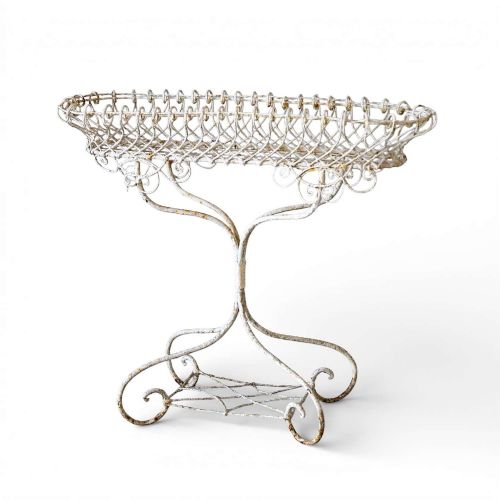
Buyers will encounter classical revival forms alongside rustic farmhouse wirework and estate-made wrought iron racks intended for conservatory or garden use.
How they were made
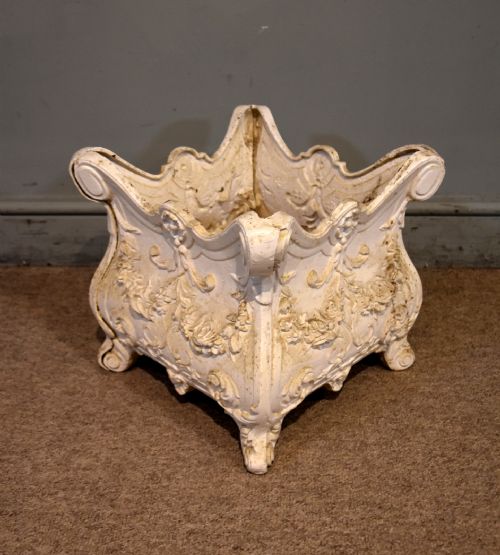
Foundries utilised cast iron poured into moulds to create intricate classical ornament such as acanthus leaves and fluted urn bodies.
Blacksmiths worked with wrought iron and sheet metal, shaping wirework latticework and plant stands through manual forging and riveting.
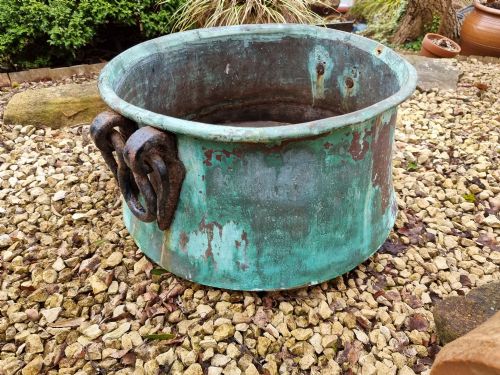
Surfaces frequently show layers of early paint or natural verdigris developed on copper and iron over decades of outdoor exposure.
Victorian Iron Planter Retail Price Guide 2026
Typical asking prices for victorian iron planter among the pieces listed under this phrase on Sellingantiques today, from the lower quarter to the upper quarter. They describe what is for sale here now, not the wider market.
Listings combine heavy cast iron campana urns with delicate wirework plant stands from the Victorian and Edwardian periods.
What varies in quality
The crispness of the foundry casting separates utilitarian vessels from pieces displaying sharp classical detailing and deep relief ornamentation.
Completeness dictates value, particularly the survival of matching pedestals, original lids, or paired sets rather than single survivors.
Coalbrookdale·Andrew Handyside·Val D Osne Foundry
The Victorian Iron Planter Glossary
- Campana
- A bell-shaped garden urn profile popular in classical revival and nineteenth-century garden design. This form sits upon a socle base and foot.
- Jardiniere
- An ornamental pot or stand specifically intended to hold plants or flowers. These vessels appear in both cast iron and ceramic.
- Verdigris
- A green patina formed naturally on copper, brass, or bronze through atmospheric oxidation. This chemical change occurs over long periods outdoors.
- Wirework
- Metal strands bent and welded into open lattice structures for plant stands and jardinieres. Conservatory pieces often employ this lighter technique.
Victorian Iron Planter: Frequently Asked Questions
How do I protect iron planters in winter?
Cast iron and wrought iron withstand cold temperatures well, but trapped freezing water can crack vessel bodies. Raising containers off the ground on feet prevents water retention.
Ensuring drainage holes remain clear allows excess moisture to escape before ice forms during harsh weather.
Are these planters suitable for indoor use?
Many nineteenth-century plant stands and smaller jardinieres adapt easily to interior conservatories and garden rooms. Placing protective saucers underneath prevents moisture marking on sensitive flooring.
Heavier cast iron urns require sturdy placement due to their substantial weight when filled with soil.
How can I identify a nineteenth-century piece?
Examine the casting quality, surface texture, and presence of old paint layers or rust patination. Foundry marks occasionally appear on the underside or base of campana urns.
Hand-forged elements in wrought iron structures often reveal irregular joinery consistent with period production methods.
What is the difference between an urn and a jardiniere?
Urns typically feature a pedestal base and a flared, bell-like bowl derived from classical architecture. Jardinieres encompass a broader category of decorative pots and troughs designed for holding plants.
Both forms served formal gardens and glasshouses throughout the Victorian era.