


Victorian Iron Hearth Dogs
Victorian iron hearth dogs are practical fireplace furnishings designed to support logs above the hearth, and collectors prize them for their robust metalwork and period character.
Victorian Iron Hearth Dogs
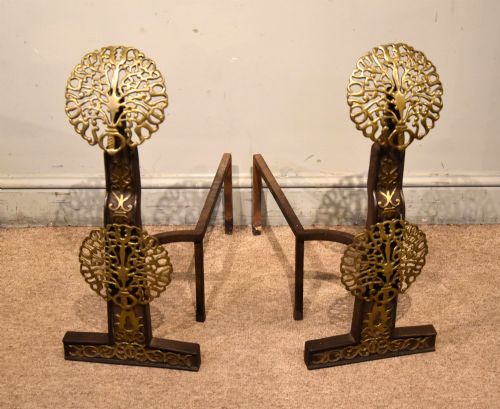
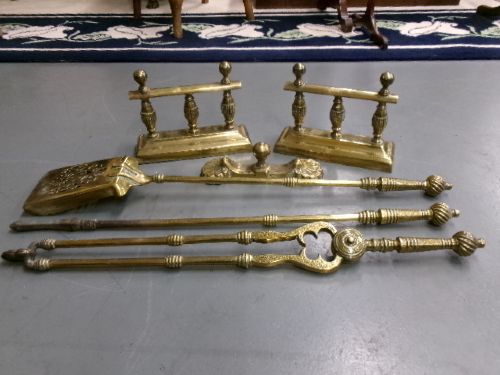
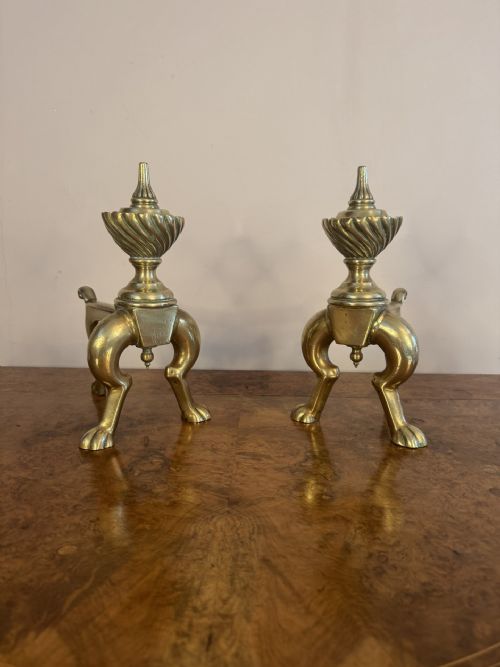
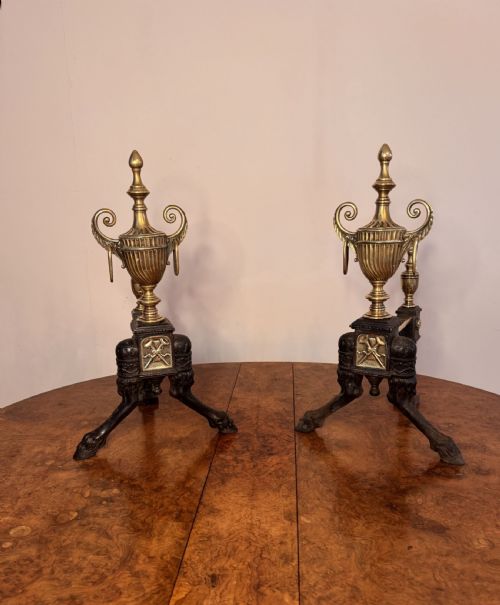
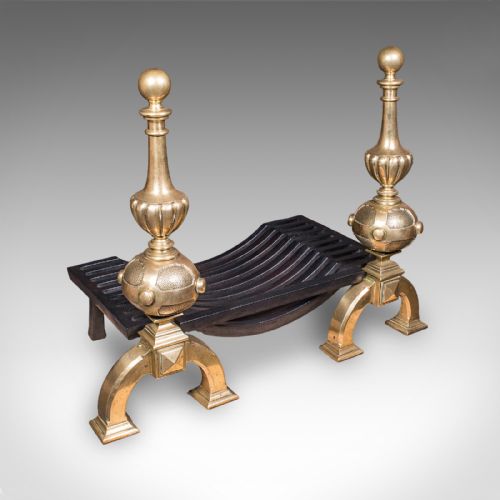
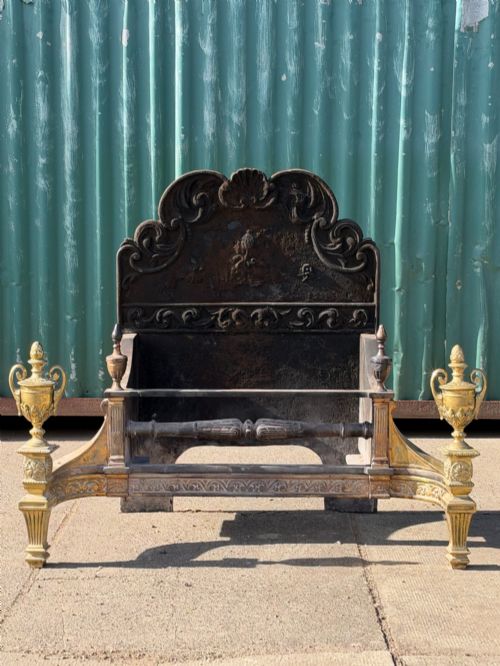
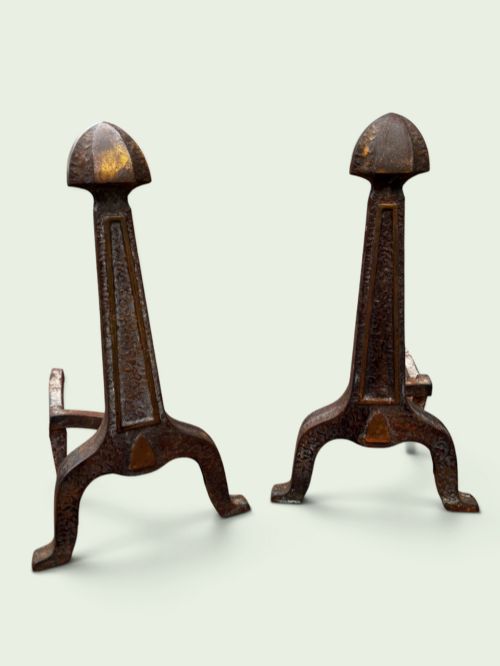
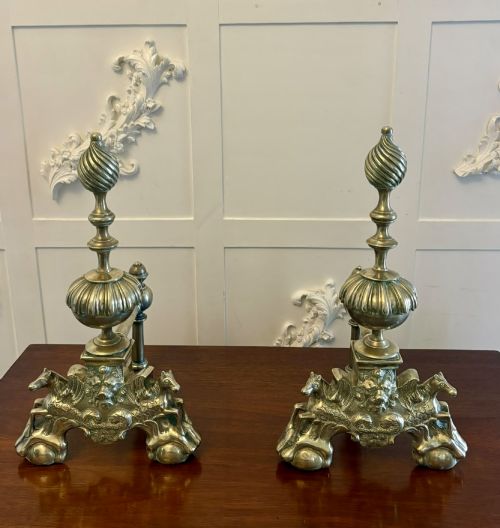
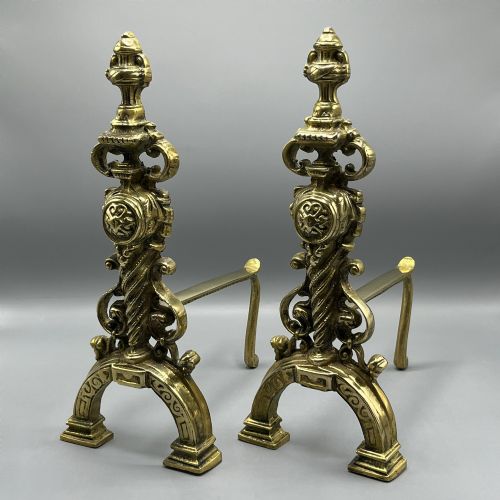
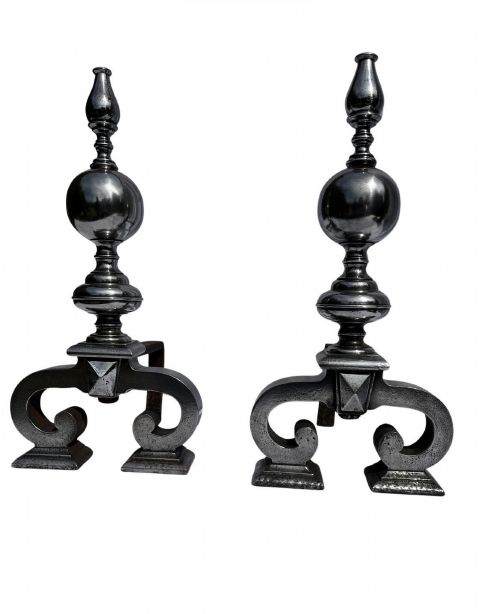
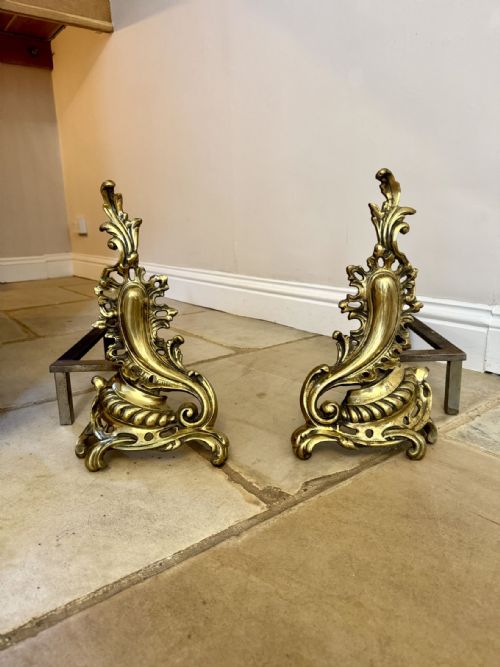
The pieces on this page span the nineteenth century and into the early twentieth century, incorporating periods such as the Victorian era and movements like Arts and Crafts. Alongside plain utility models, the selection includes decorated pairs paired with companion sets and fire baskets.
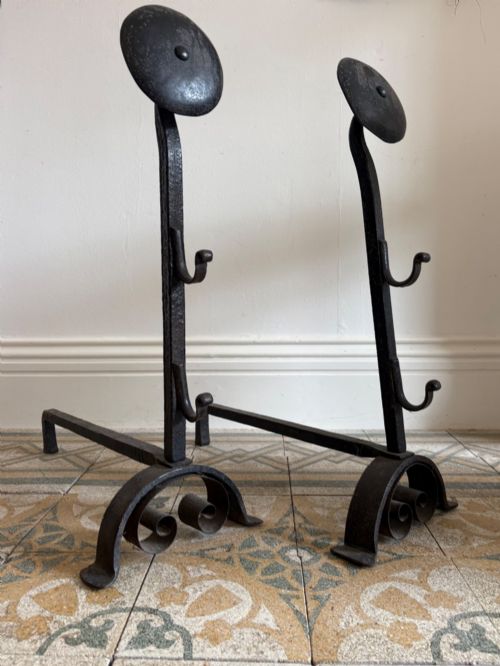
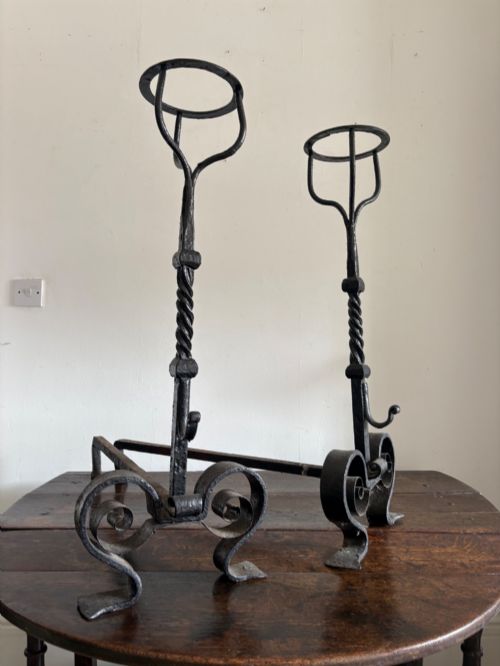
Forms vary from simple wrought bars to monumental iron and brass structures designed for large inglenook hearths. Many survive as matched pairs, frequently accompanied by tool rests or integrated fire grates.
How they were made
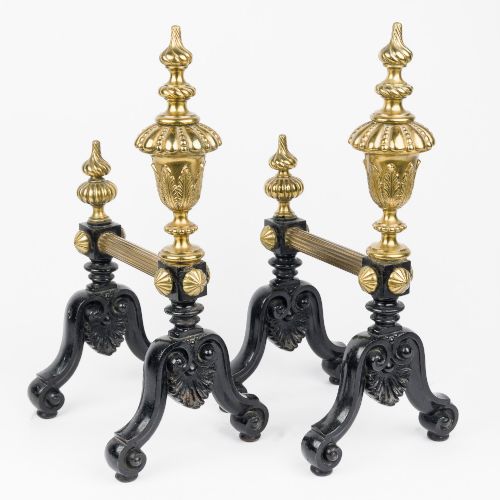
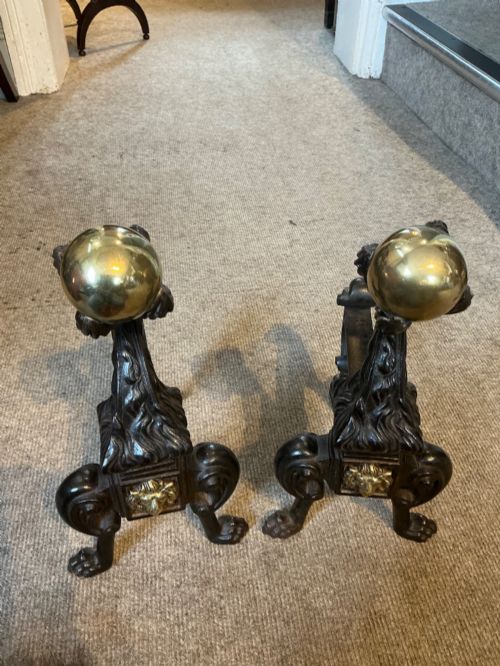
Makers utilised cast iron and wrought iron for the core structure of these fireplace supports, often combining them with solid brass, copper or polished steel components. Cast iron allowed for shaped, durable uprights, whilst wrought iron provided strong, hammered bars capable of enduring intense heat.
Finishes ranged from polished iron and bright brass to blackened cast surfaces and copper highlights. Blacksmiths and metalworkers shaped these materials using traditional forging, casting and assembly techniques suited to nineteenth-century domestic metalwork.
Victorian Iron Hearth Dogs Retail Price Guide 2026
Typical asking prices for victorian iron hearth dogs among the pieces listed under this phrase on Sellingantiques today, from the lower quarter to the upper quarter. They describe what is for sale here now, not the wider market.
The design styles represented include Gothic Revival, Arts and Crafts, Neoclassical, Aesthetic Movement and French Rococo.
What varies in quality
Quality in these items rests upon the weight of the metal, the crispness of any cast decoration and the stability of the joined components. Substantial, heavy iron or solid brass pieces demonstrate superior material thickness and structural integrity compared to lighter alternatives.
Design execution distinguishes standard utilitarian hardware from finer decorative work. Pieces displaying considered proportions, clean forging and integrated brass or copper detailing reflect a higher standard of nineteenth-century metalcraft.
James Cartland & Sons
The Victorian Iron Hearth Dogs Glossary
- Andirons
- Supports used in open fireplaces to raise logs off the hearth floor and aid combustion. They typically feature a horizontal billet bar and a decorative upright front.
- Hearth dogs
- An alternative term for andirons or fire dogs used beside an open hearth. They secure firewood and often incorporate rests for fireplace tools.
- Wrought iron
- Iron that has been heated and shaped with tools by a blacksmith. It is known for its fibrous structure and resistance to breaking under stress.
- Cast iron
- Iron poured into a mould to create solid shapes and detailed forms. It provides weight and rigidity for nineteenth-century fireplace accessories.
- Arts and Crafts
- A design movement valuing handcraftsmanship and simple materials over industrial mass production. Pieces in this style emphasise honest construction and functional form.
Victorian Iron Hearth Dogs: Frequently Asked Questions
What are iron hearth dogs used for?
These metal supports sit inside an open fireplace to hold logs above the hearth floor. Raising the wood allows air to circulate underneath, improving the draw and efficiency of the fire.
They also serve a decorative purpose, framing the hearth and often holding companion tools such as pokers and tongs across integrated rests.
How do I tell cast iron from wrought iron?
Cast iron is formed by pouring molten metal into a mould, resulting in rigid shapes with a slightly textured surface and heavier weight. It is strong under compression but can snap under sharp impacts.
Wrought iron is worked by hand whilst hot, displaying subtle hammer marks, fibrous grain patterns and greater flexibility. Many nineteenth-century pieces combine both materials.
Are these suitable for a modern fireplace?
Many antique hearth dogs function effectively in traditional open fireplaces, provided the dimensions match the hearth opening. It is essential to measure both the depth of the fire basket and the height of the log supports before placement.
For decorative non-working fireplaces, they add period character and anchor the overall aesthetic of the mantel and surround.
How do I clean and maintain them?
Regular maintenance involves brushing away ash and soot using a soft dry brush to prevent residue buildup. Harsh chemical cleaners can strip historic patinas from brass and iron surfaces.
For iron components, applying a light coat of specialist grate polish or wax helps protect the metal from moisture and rust over time.