



Victorian Iron Firedogs
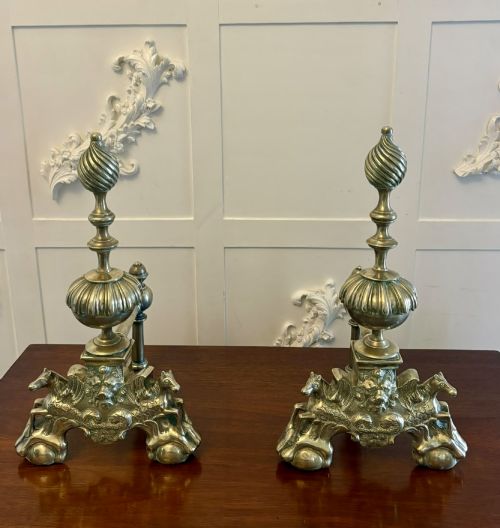
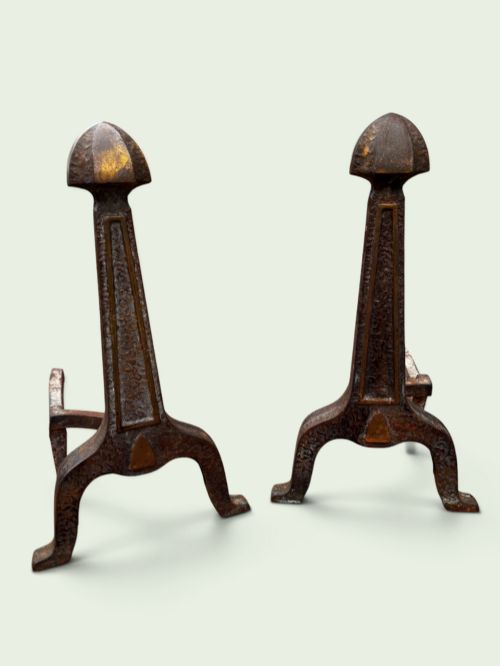
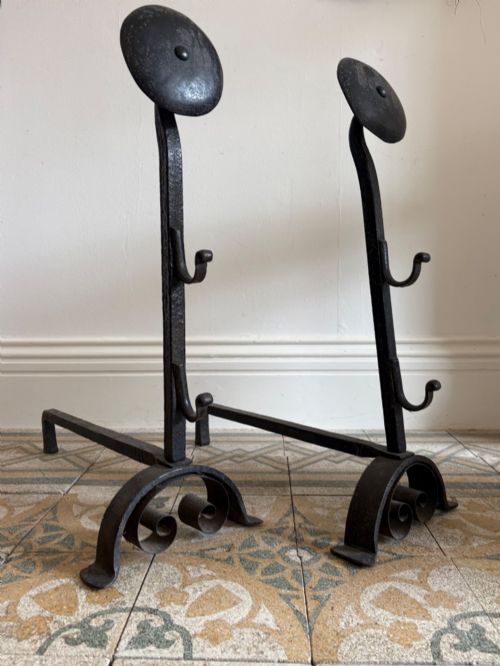
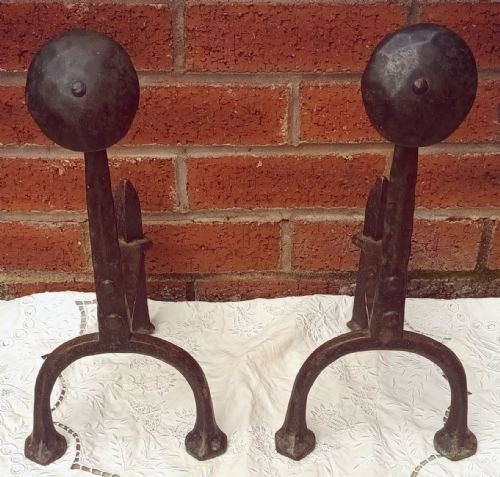
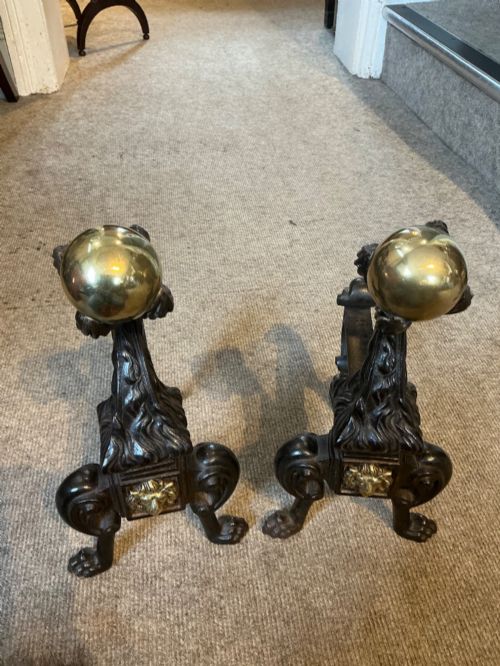
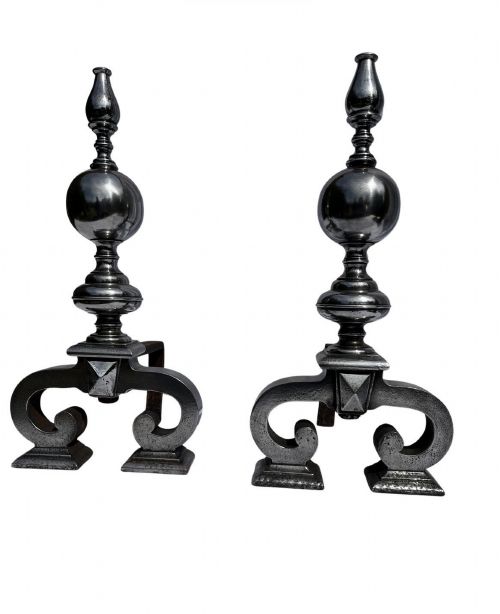
These Victorian iron firedogs support logs within the hearth, bringing both structural utility and period character to the fireplace.
Victorian Iron Firedogs
Victorian iron firedogs are functional fireplace accessories designed to hold wood above the hearth floor to improve airflow and combustion. You will frequently encounter pairs fashioned from cast iron, wrought iron, or polished iron, often paired with matching fire baskets or grates.
The selections span the nineteenth century, ranging from simple utilitarian forms to pieces influenced by the Gothic Revival, Arts and Crafts, and Aesthetic movements. Many examples incorporate brass or copper components alongside the primary iron structure.
Beyond standalone andirons, the evidence includes complete hearth sets, fire tool rests, and inglenook grates. These items originate predominantly from English workshops, reflecting the domestic heating requirements of the period.
Materials and construction
Makers utilised cast iron for robust structural bodies and detailed ornamentation, while wrought iron was hammered into shape for functional hearth elements. Steel, polished iron, and bronze appear alongside brass and copper accents to create visual contrast on the fire dogs.
Forging and casting techniques defined the production of these fireplace accessories, allowing for heavy weight-bearing capacity combined with decorative finials. Artisans combined iron shafts with brass terminals or feet, uniting durability with ornamental detail.
Materials documented across the pieces include cast iron, wrought iron, polished iron, steel, brass, copper, and bronze.
Factors of quality
The distinction between standard domestic iron firedogs and finer examples lies in the weight of the metal and the precision of the forging or casting. Heavier gauge iron and substantial brass detailing indicate robust construction intended for daily hearth use.
Design articulation separates simpler utilitarian pairs from those displaying specific stylistic influences such as the Arts and Crafts or Aesthetic movements. The harmony between the iron body and any applied brass or copper elements determines the overall visual presence.
James Cartland & Sons·Christopher Dresser
The Victorian Iron Firedogs Glossary
- Andirons
- Supports used in a fireplace to hold burning logs above the hearth. They typically feature an upright front pillar and horizontal bars extending backward.
- Fire Basket
- A metal grate designed to contain coal or wood within the fireplace. These frequently sit upon or integrate directly with matching firedogs.
- Inglenook
- A large recessed fireplace space designed to accommodate seating alongside the fire. Grates found within these settings are often substantially heavier.
- Wrought Iron
- Iron that has been heated and hammered into shape by hand. This material demonstrates fibrous grain textures and distinctive blacksmith marks.
- Aesthetic Movement
- A late nineteenth-century design style emphasising visual beauty over narrative meaning. Objects from this period focus on form, line, and decorative restraint.
Victorian Iron Firedogs: Frequently Asked Questions
What is the difference between firedogs and andirons?
The terms are generally used interchangeably to describe the upright supports placed on either side of a fireplace hearth. Both hold logs above the floor to allow air to circulate beneath the fire.
Historically, regional terminology varied, but both refer to the same functional hearth furniture found throughout nineteenth-century homes.
How do I choose the right size for my fireplace?
Consider the depth and width of your hearth opening relative to the height of the firedogs. Larger inglenook spaces require substantially heavier iron grates and taller andirons to maintain proportion.
Standard domestic fireplaces accommodate moderate heights, ensuring the front finials remain visible below the mantelpiece.
Can these iron firedogs be used with an active fire?
Most antique iron and cast metal pieces were built specifically for functional hearth use and can support wood fires. Solid iron construction withstands high temperatures effectively.
It is advisable to check for structural integrity and ensure any added brass or copper components are securely fastened before lighting.
How do I clean and maintain polished iron and brass?
Polished iron and brass require occasional gentle cleaning to remove soot and prevent surface oxidation. Avoid harsh chemical abrasive cleaners that can strip historical patination.
Soft cloths and appropriate metal polishes applied sparingly will preserve the intended finish of the decorative elements.