


Victorian Iron Daybed
A victorian iron daybed offers robust metal construction and classic nineteenth-century proportions for modern interiors or gardens.
Victorian Iron Daybed
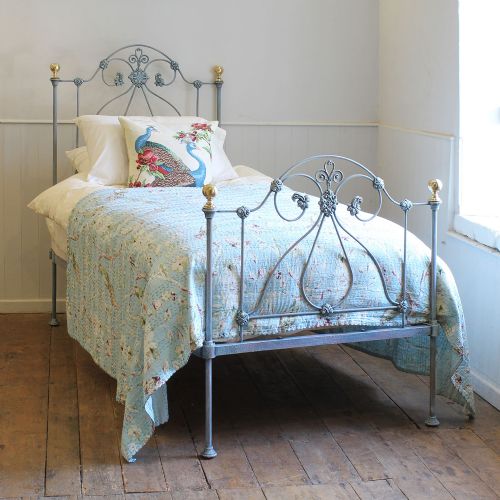
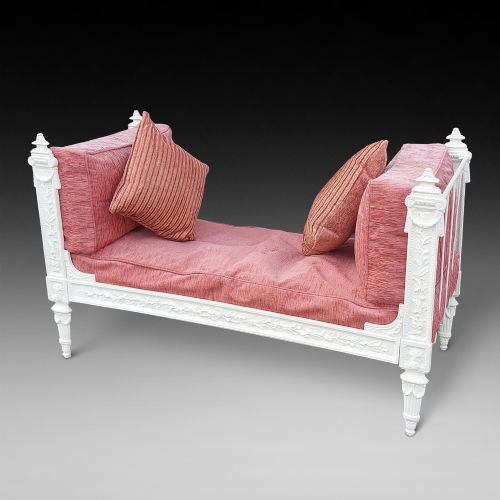
A victorian iron daybed combines sturdy metal framing with practical day-use proportions, spanning single bed widths, garden benches, and cot beds across the nineteenth century. These pieces serve as versatile seating and resting furniture suitable for both indoor rooms and sheltered outdoor spaces.
The versions most commonly encountered on this page date from the 1850s through to 1890, often incorporating brass finials or decorative fittings alongside painted iron and wrought iron structures. French country influences also appear among the selections, particularly within garden daybed and bench forms.
How they were made
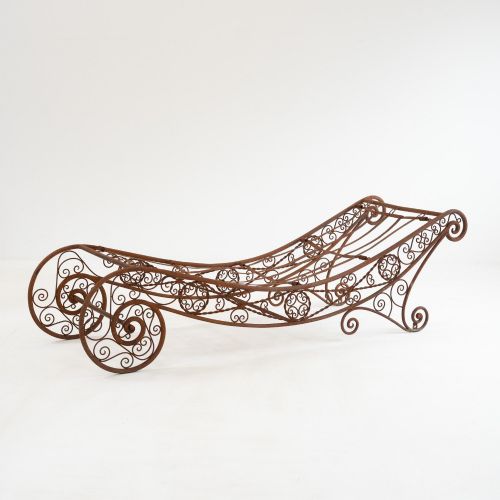
Makers utilised cast iron, wrought iron, and brass to build these frames, combining rigid structural metal with decorative cast components. Painted finishes, verdigris treatments, and exposed brass elements provided the primary surface decoration.
Fabric elements and mattresses were integrated into specific bedstead and cot designs, whilst robust metal joints and platform styles ensured stability for daily use.
Several items double as garden benches, proving that nineteenth-century resting spots were fully prepared for a sudden afternoon nap among the cabbages.
What varies in quality
The refinement of the cast iron ornamentation and the balance between iron structural elements and brass detailing distinguish finer examples. Superior pieces demonstrate crisp casting lines, well-preserved painted or verdigris surfaces, and integrated hardware by known makers.
Proportion and scale also define the range, where carefully sized single beds and decorative garden benches reflect greater design thought than standard utilitarian frames.
R W Winfield
The Victorian Iron Daybed Glossary
- Daybed
- A piece of furniture functioning as both a seat and a bed, suited for lounging during the day and sleeping at night. These items often feature low backs and open ends.
- Wrought iron
- Iron that has been heated and hammered into shape by hand, resulting in a fibrous structure with high tensile strength. This material allows for curved and slender structural components.
- Cast iron
- Iron poured into a mould to create complex decorative shapes and rigid frame parts. It forms the solid foundation for many nineteenth-century bed ends and structural joints.
- Verdigris
- A green patina formed on brass or copper through natural weathering or chemical treatment, adding a distinct aged colour to metal surfaces.
Victorian Iron Daybed: Frequently Asked Questions
Can I use a victorian iron daybed outdoors?
Certain variations designated as garden daybeds or benches are built to withstand outdoor environments, provided they receive proper shelter and maintenance.
Indoor bed frames and cot beds utilise finishes that are generally less suited to persistent weather exposure and are best kept within interior spaces.
What mattress size fits these antique beds?
These listings include various single and super single dimensions that often differ from modern standard mattress sizes. Measuring the internal frame dimensions carefully ensures a proper fit for any mattress or base added.
Platform styles and narrower single frames require particular attention to length and width constraints before sourcing bedding.
How do I care for painted iron and brass?
Maintenance involves dusting regularly with a soft cloth and avoiding harsh chemical cleaners that can strip original paint or verdigris surfaces.
Brass elements benefit from gentle cleaning to preserve their finish without removing the aged character accumulated over the nineteenth century.
How do I identify a piece from the 1850s?
Dating relies on specific construction techniques, casting styles, and design characteristics recorded across nineteenth-century manufacturing periods. Comparing the complexity of the ironwork and the presence of brass ornamentation helps establish the approximate decade.
Earlier Victorian pieces often display distinct proportions and heavier casting compared to late nineteenth-century iterations.