

Victorian Inlay Vitrine
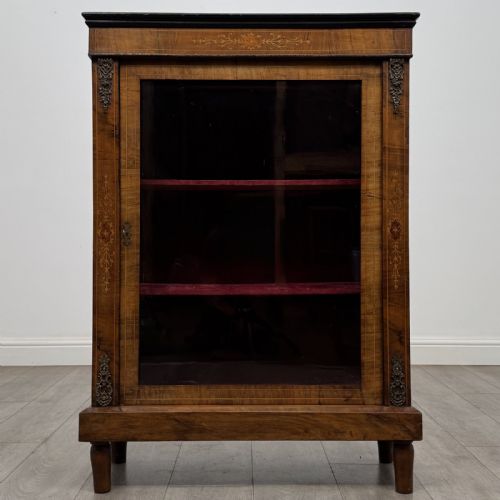
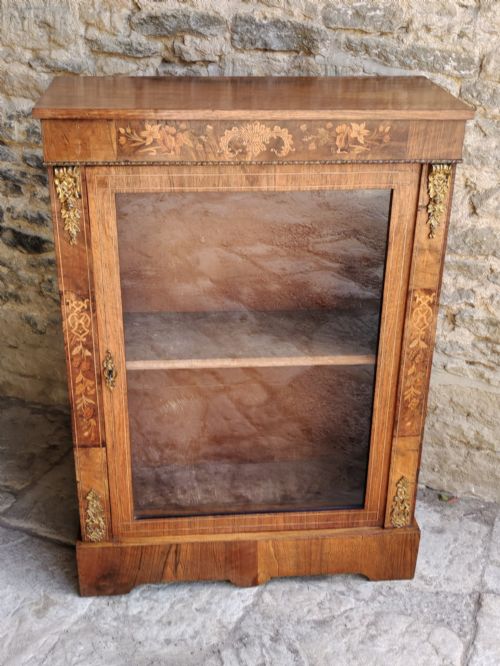
A victorian inlay vitrine brings polished timber and detailed marquetry together to display porcelain and silver behind glass.
Victorian Inlay Vitrine
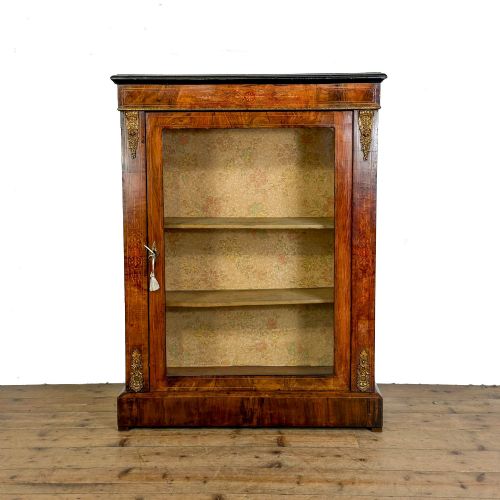
A victorian inlay vitrine comprises glazed display furniture designed to showcase treasured possessions in nineteenth-century drawing rooms. Buyers seek these cabinets for their combination of glass panels and delicate wood decoration.
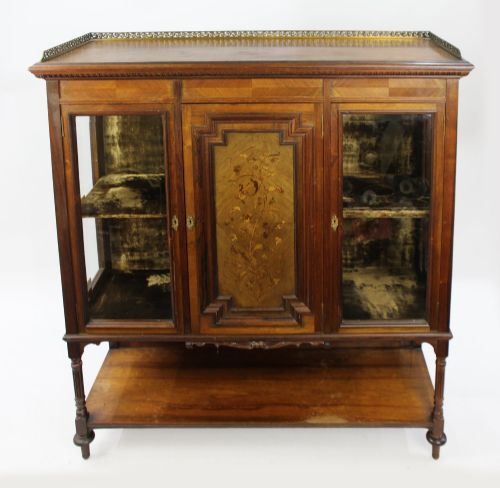
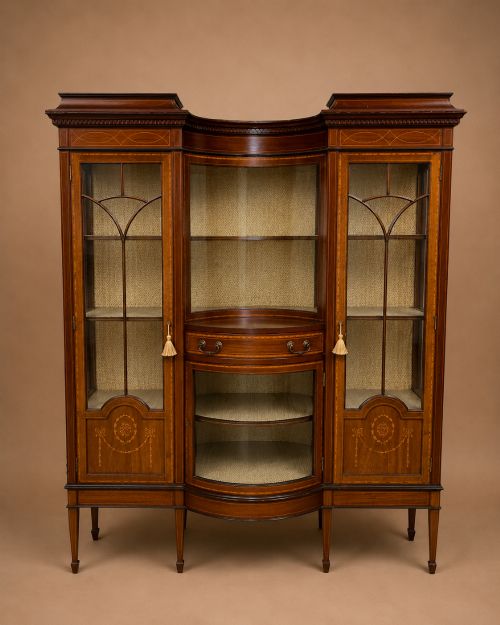
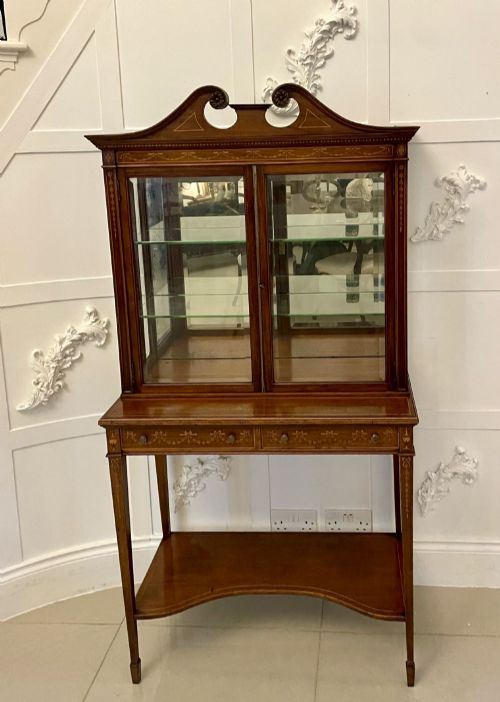
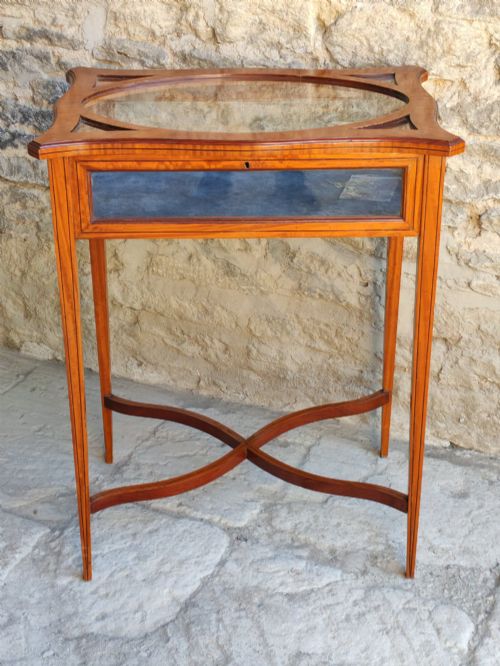
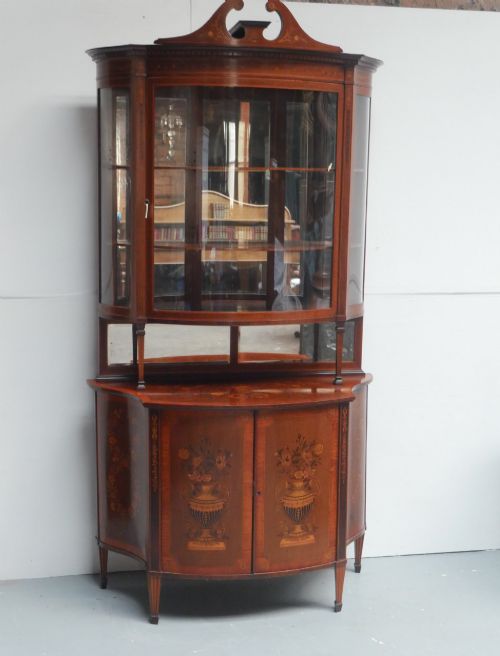
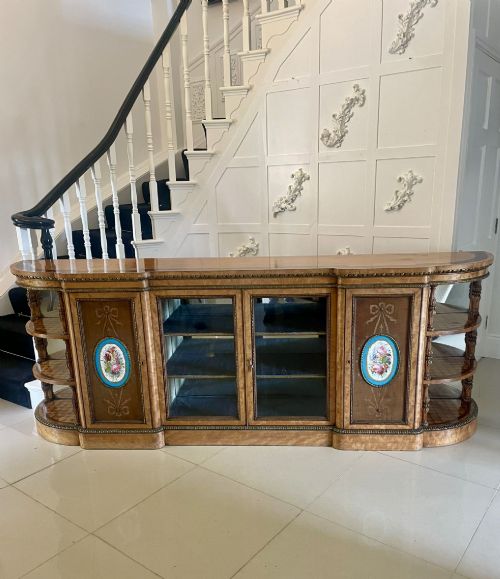
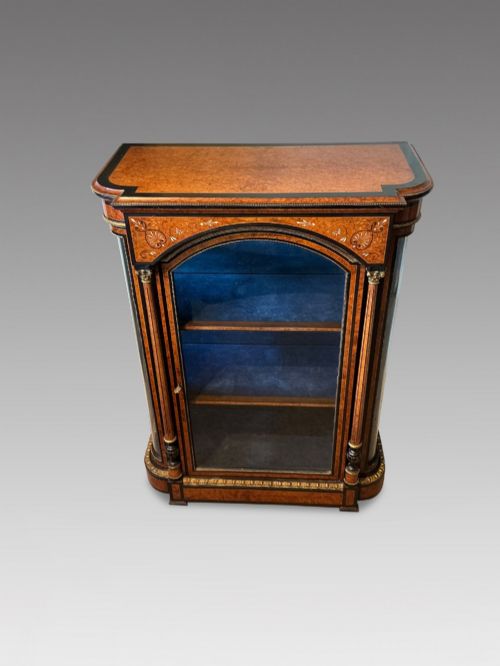
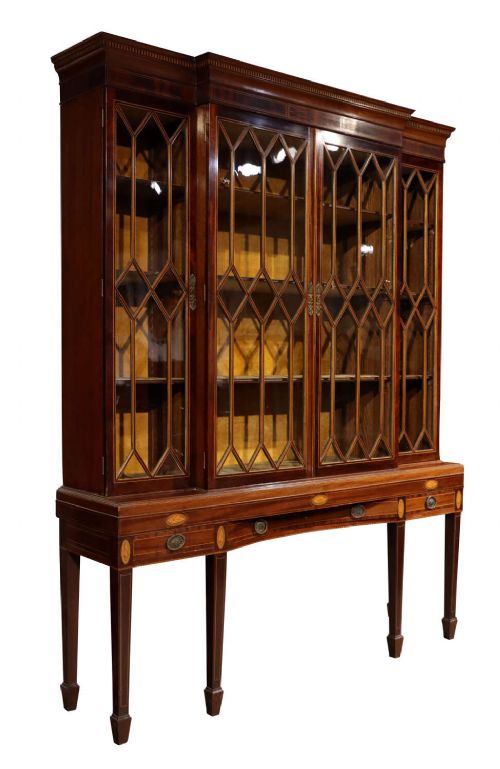
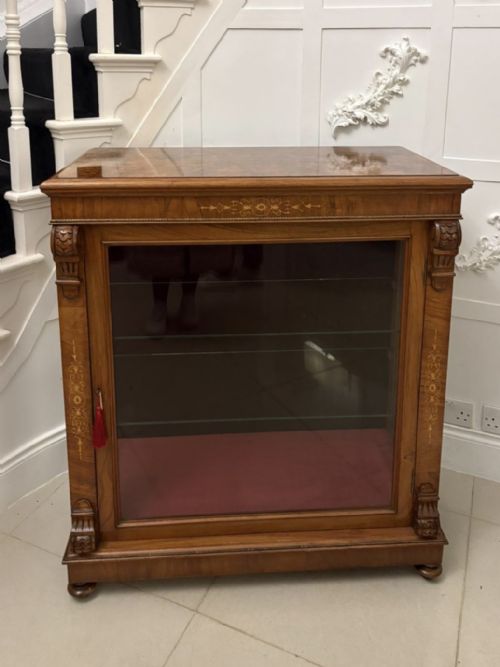
The pieces appearing on this page span the nineteenth century, including specific decades such as eighteen eighty, eighteen ninety, eighteen sixty, and nineteen hundred. Forms range from corner cupboards and pier cabinets to large breakfront credenzas and oval bijouterie tables.
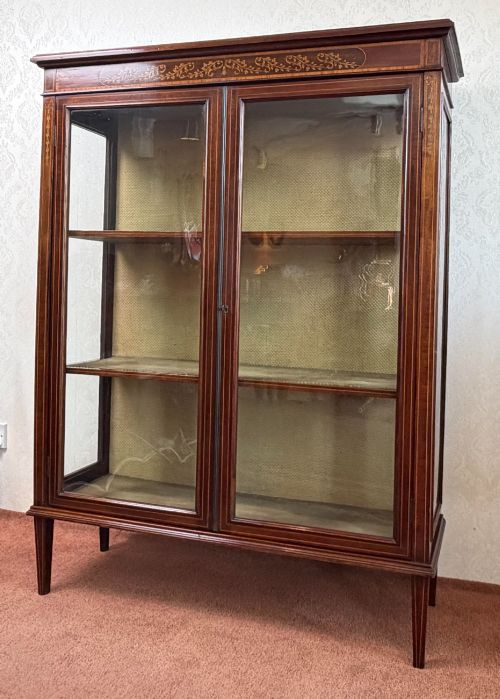
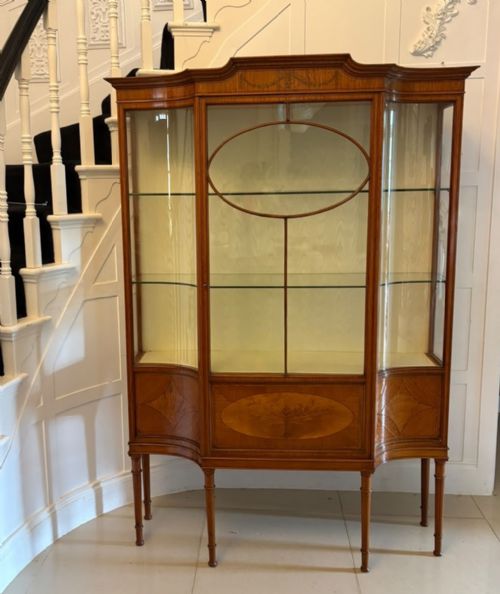
Makers and workshops of the period utilised revival styles such as Sheraton Revival, Dutch Baroque Revival, and the Aesthetic Movement. Walnut, mahogany, and satinwood form the primary carcases for these glazed display pieces.
Materials and Techniques
Cabinet makers constructed these pieces using solid and veneered timbers such as mahogany, walnut, and satinwood, often enhanced with contrasting fruitwood marquetry. Glass provides the primary viewing panels for the interior shelves.
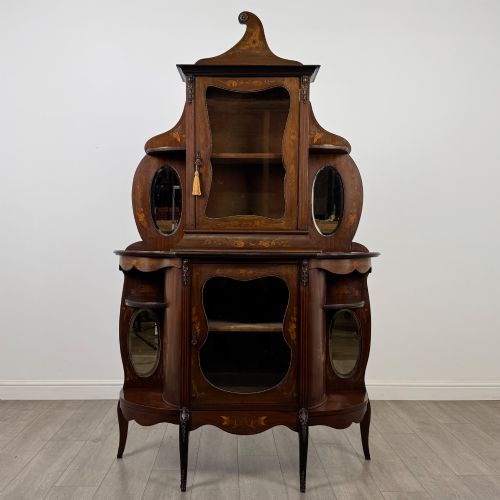
Metal mounts in brass and ormolu decorate corners and doors alongside fabric-lined interiors and mirror backs. Delicate inlay work forms floral and geometric patterns across the timber surfaces.
Victorian Inlay Vitrine Retail Price Guide 2026
Typical asking prices for victorian inlay vitrine among the pieces listed under this phrase on Sellingantiques today, from the lower quarter to the upper quarter. They describe what is for sale here now, not the wider market.
Listings feature mahogany, walnut, and satinwood cabinets alongside specialised bijouterie tables.
Craftsmanship and Design
The fineness of the marquetry and the choice of timber figure determine the visual impact of each cabinet. Rich satinwood and figured walnut command attention through careful grain matching and intricate floral motifs.
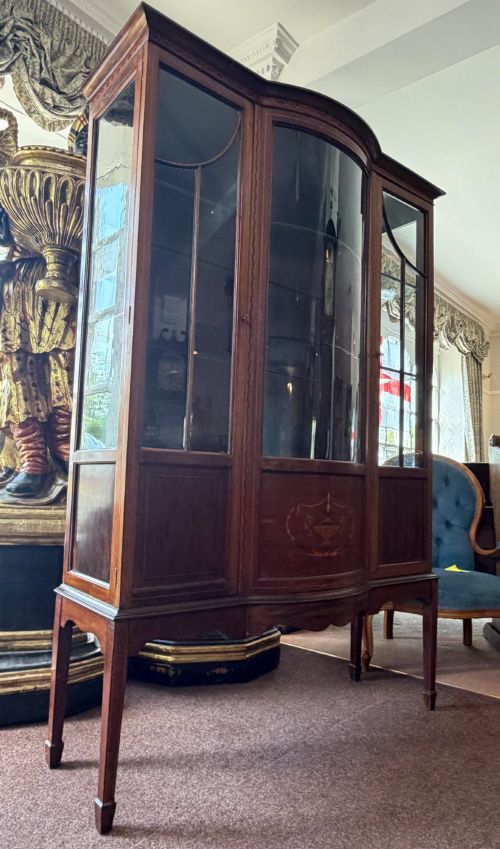
The architectural complexity of the shape, from bow fronts and serpentine doors to breakfront stands and ormolu mounts, separates standard production from exceptional examples.
Edwards and Roberts·Collinson and Lock
The Victorian Inlay Vitrine Glossary
- Vitrine
- A glass-fronted cabinet designed for displaying fine objects and porcelain. These pieces protect delicate items while offering clear visibility from all angles.
- Marquetry
- Decorative inlay work using various coloured woods to create pictorial or geometric patterns on furniture surfaces. Craftsmen cut thin veneers to fit precisely into prepared recesses.
- Bijouterie
- Glass-topped display tables or cabinets made specifically for holding small jewellery, medals, and trinkets. They often feature fabric-lined interiors to cushion the displayed items.
- Pier cabinet
- A narrow cabinet built to fit the wall space between windows. These upright pieces typically feature a single glazed door and flat sides.
- Ormolu
- Gilt bronze mounts used as decorative ornaments on nineteenth-century furniture. These metal details add contrast to dark mahogany or warm satinwood surfaces.
Victorian Inlay Vitrine: Frequently Asked Questions
Where should I place a vitrine?
These cabinets suit drawing rooms, dining spaces, or hallways where natural light illuminates the glass panels. Positioning them away from direct sunlight protects both the timber finish and the interior fabric linings.
Ensure the floor remains level so the doors hang correctly and the glazed panels sustain no uneven pressure.
How do I clean the glass?
Use a soft, lint-free cloth with a mild glass cleaner sprayed onto the cloth rather than directly onto the cabinet surface. This prevents moisture from seeping into fragile wood joints and historic inlay.
Take care around brass mounts and delicate marquetry edges when wiping the surrounding timber frames.
What items belong inside?
Historical interiors often showcased porcelain figures, silver spoons, pocket watches, and glassware behind the glazed doors. The glass panels protect fragile collectibles from dust while keeping them visible.
velvet or silk linings enhance the presentation of small metallic objects and ceramics.
How do I date a cabinet?
Examine the timber species, construction methods, and secondary woods used inside the carcase. Mid-nineteenth-century examples often employ figured walnut with floral marquetry, while later pieces favour satinwood and Sheraton Revival motifs.
Drawer linings, backboards, and hinge types provide further clues regarding the decade of manufacture.