
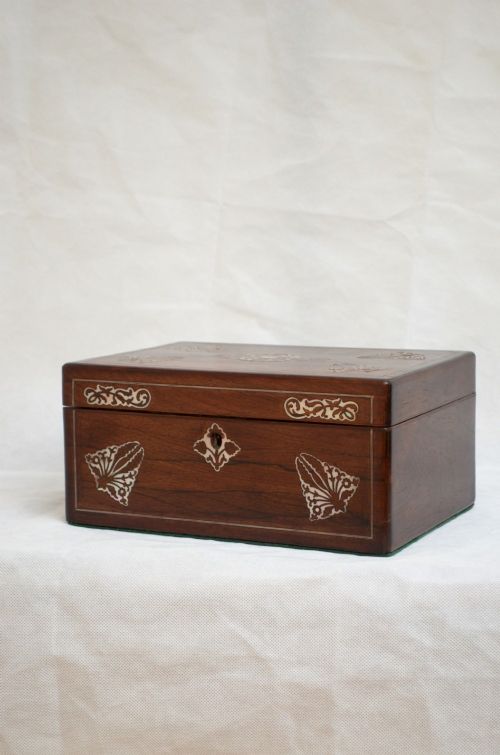


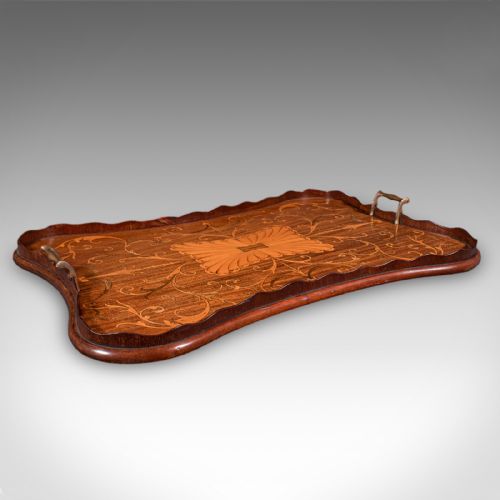
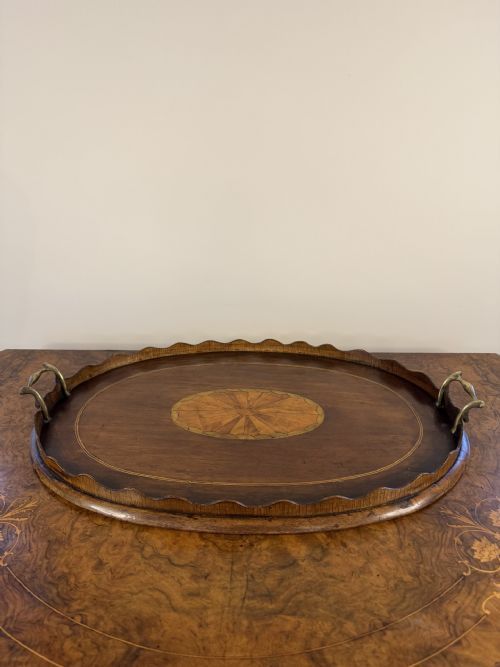


Victorian Inlaid Tray
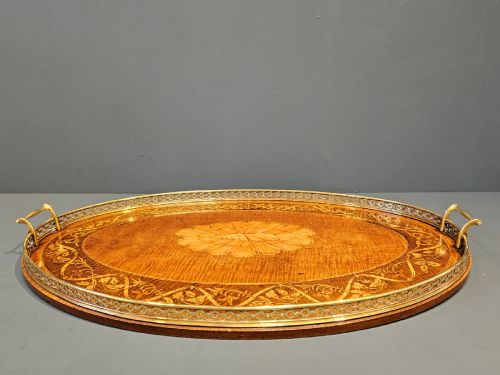
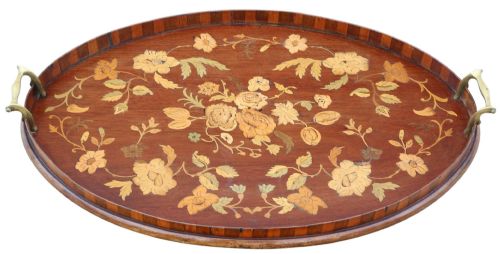
These pieces are a victorian inlaid tray, serving functional uses and decorative display through meticulous timber and brass craft.
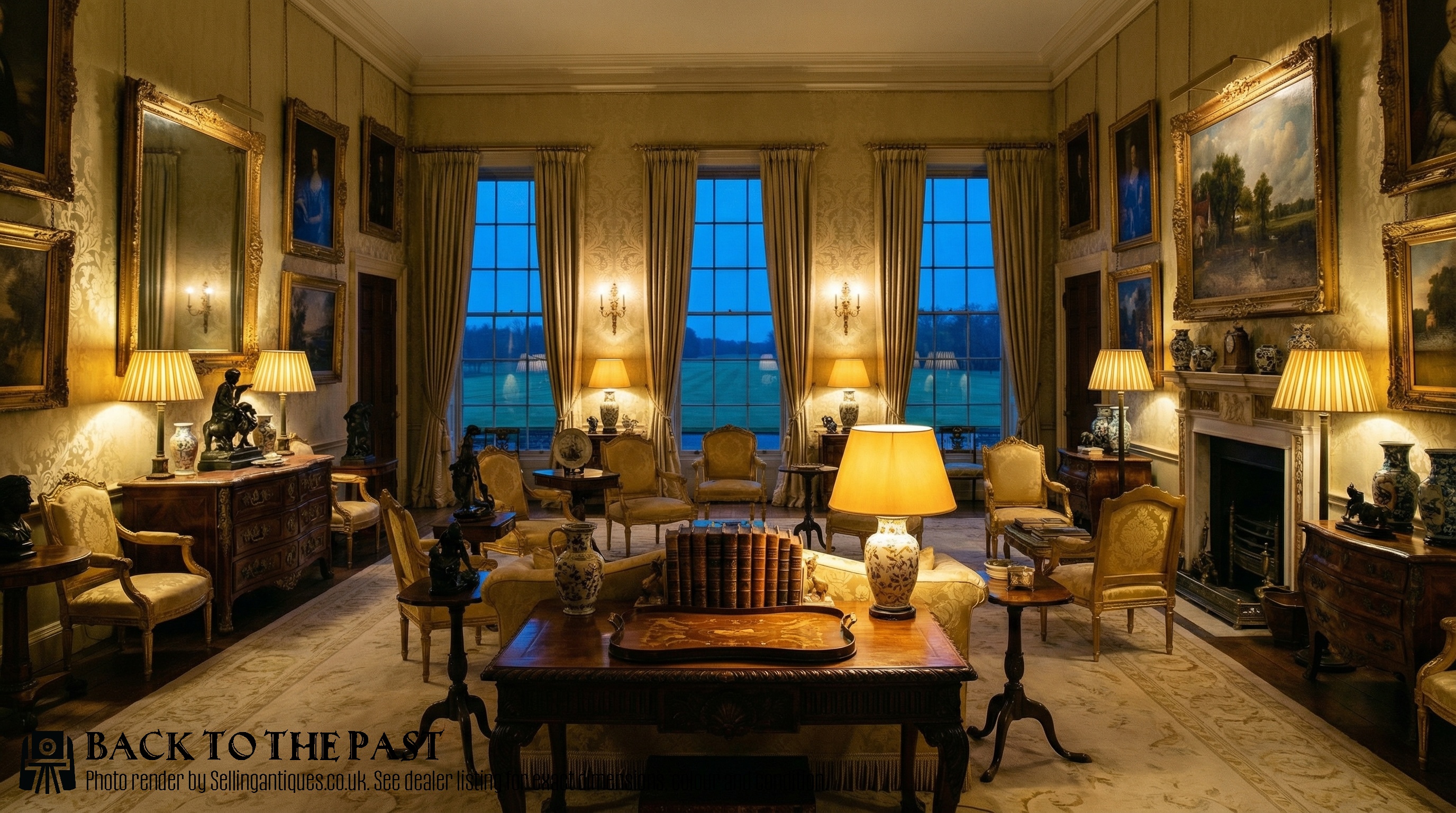
Victorian Inlaid Tray
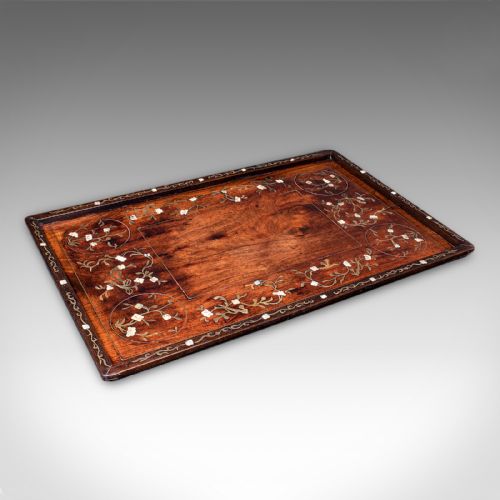
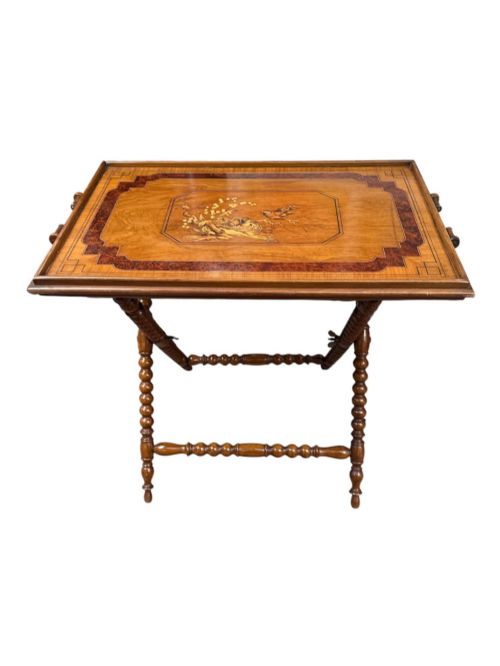
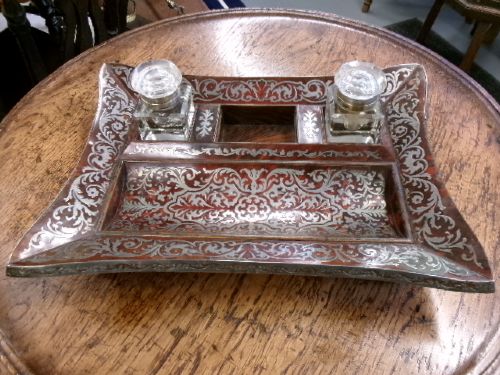
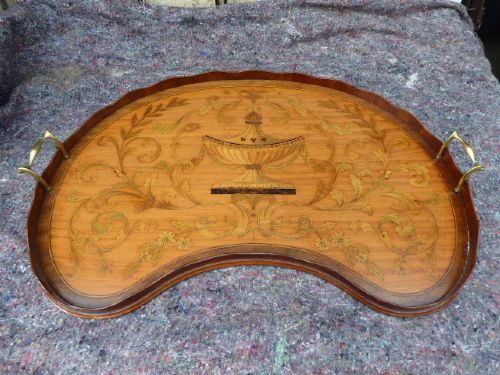
A victorian inlaid tray serves as a functional object for afternoon tea, serving purposes, or desk organisation. The evidence shows these pieces appearing in oval, kidney-shaped, and rectangular forms, often constructed as tea trays, but also integrated into tray tables and desk stands.
Mahogany and satinwood dominate the selection on this page, alongside papier-mâché and rosewood examples from the nineteenth century. Buyers encounter pieces spanning the Victorian period, with specific dates extending from eighteen-fifty through to nineteen-hundred, reflecting diverse regional origins including English, Anglo-Indian, and Italian Sorrento Ware workshops.
Materials and Technique
Cabinetmakers utilised hardwoods such as mahogany, satinwood, rosewood, and coromandel as the foundation for marquetry and stringing. Marquetry work incorporates contrasting timbers and mother-of-pearl to create detailed decorative patterns across the surface of the tray.
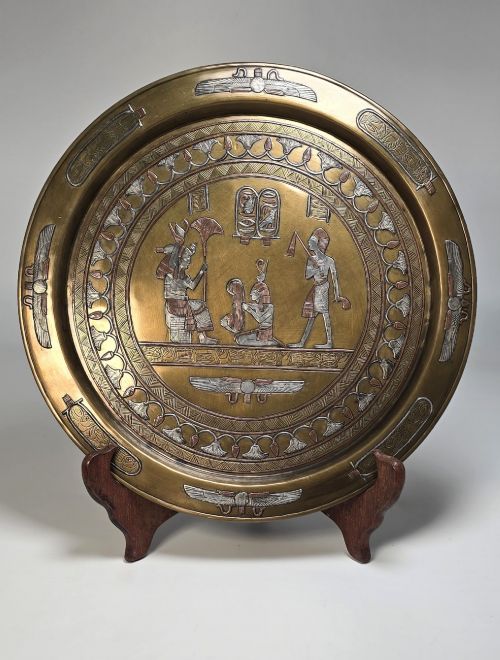
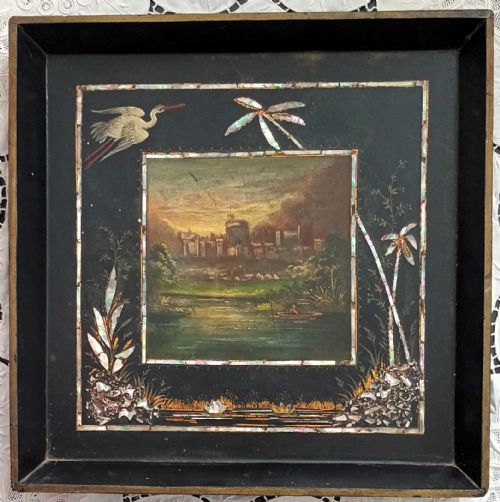
Alternative materials include papier-mâché formed into rigid serving vessels and finished with lacquer or mother-of-pearl inlay. Metal elements such as brass galleries, silver mounts, and inlaid brass wire frequently complement the woodwork on desk accessories and serving trays.
The documented periods span from eighteen-fifty through to nineteen-hundred, including specific references to the Regency and Victorian eras.
Distinctions in Quality
The precision of the marquetry and the choice of timber determine the standard of a victorian inlaid tray. Richly figured grain in mahogany and satinwood paired with complex, multi-timber inlay indicates superior workshop execution compared to plainer surfaces.
Integrity of construction, including the stability of applied brass galleries and the seamless flush of inlaid elements into the base timber, separates standard utility items from fine decorative examples.
Edwards and Roberts·Rupert Favell
The Victorian Inlaid Tray Glossary
- Marquetry
- Decorative woodwork where pieces of contrasting timber veneer are assembled to form a picture or pattern. This technique decorates the surface of many trays and boxes.
- Papier-mâché
- A durable composite material made from paper pulp mixed with glue and pressed into moulds. It forms the lightweight body of black-finished serving trays.
- Gallery
- A raised miniature railing of brass or wood fitted around the perimeter of a tray. This feature prevents items from sliding off the surface.
Victorian Inlaid Tray: Frequently Asked Questions
What were victorian inlaid trays used for?
These pieces served practical roles in nineteenth-century households for carrying tea services, holding correspondence, or organising desk accessories.
Over time, many functioned purely as decorative display items within the drawing room.
How do I care for a wooden tray?
Keep wooden and papier-mâché trays away from direct sunlight and excessive moisture to protect the delicate veneer and lacquer finishes.
Dust gently with a dry cloth and avoid harsh cleaning products that might damage the antique polish.
What is the difference between mahogany and satinwood?
Mahogany provides a deep reddish-brown foundation that cabinetmakers favoured for sturdy structural framing and dark serving surfaces.
Satinwood offers a pale, golden-yellow tone with a natural sheen that provides high contrast for intricate marquetry designs.
Are these trays suitable for serving tea?
While originally designed for afternoon tea service, antique trays often feature delicate inlay and polished finishes vulnerable to liquid spills.
Many modern collectors prefer to use them for display or gentle dry serving rather than daily hospitality.