



Victorian Inlaid Jewellery Casket
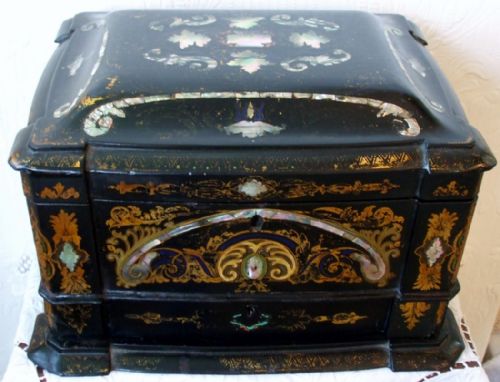
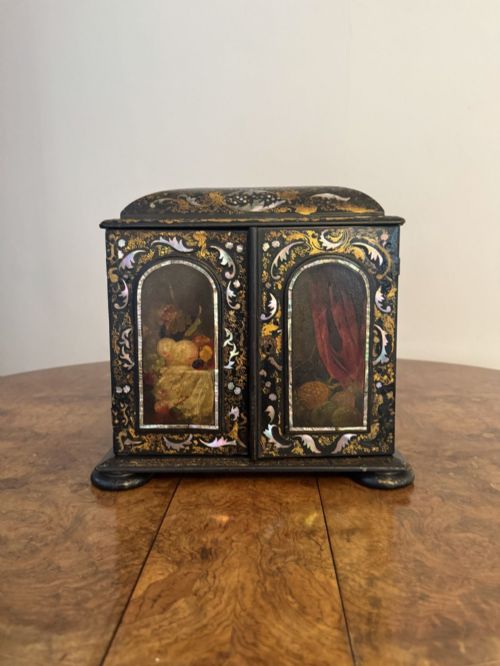
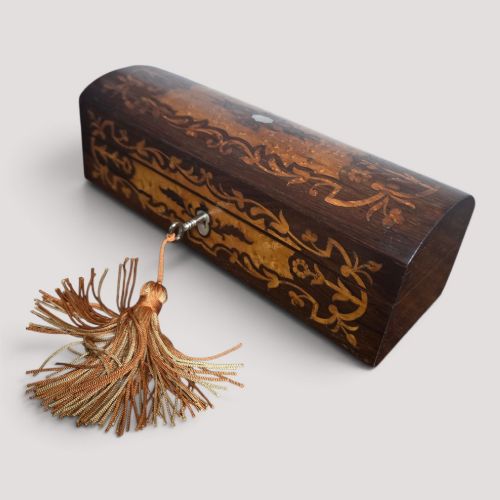
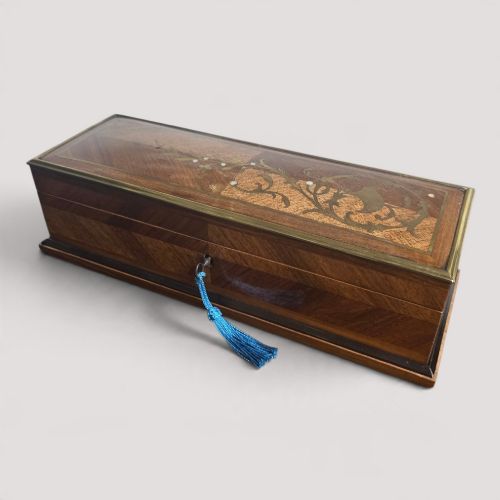
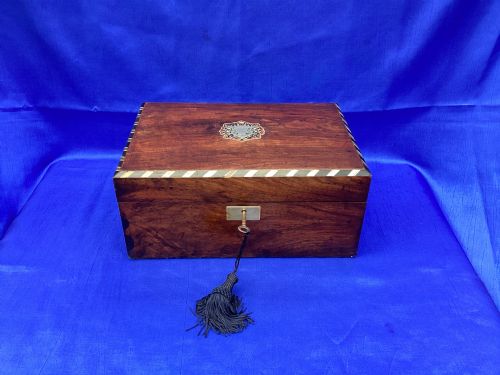
A victorian inlaid jewellery casket is a timber container decorated with contrasting woods, metal, or shell, designed to hold precious trinkets on a dressing table.
Victorian Inlaid Jewellery Casket
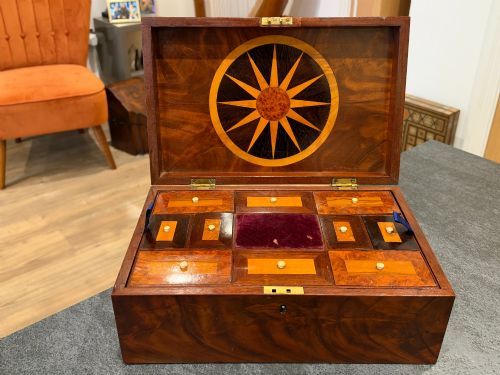
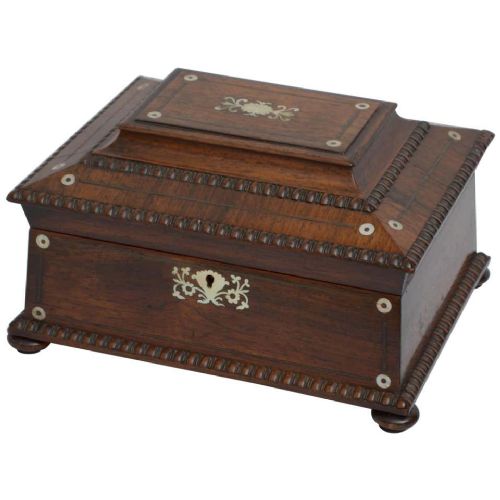
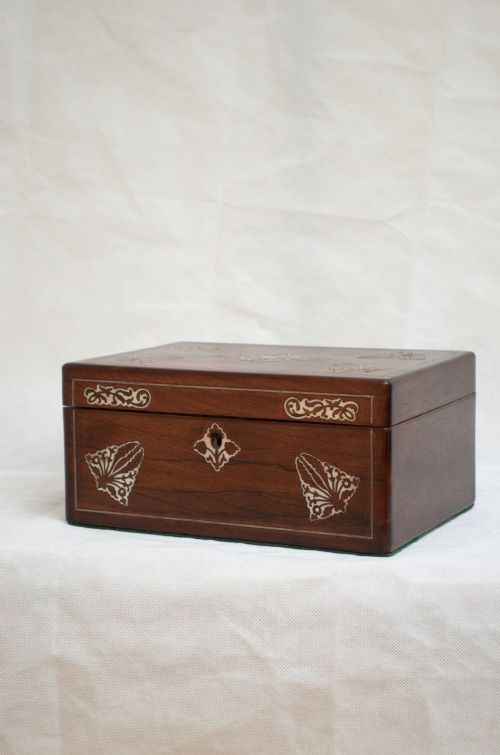
A victorian inlaid jewellery casket appears in various timber forms designed to store personal valuables safely. The selection on this page centres primarily on rosewood and walnut shells, frequently enhanced by contrasting inlays.
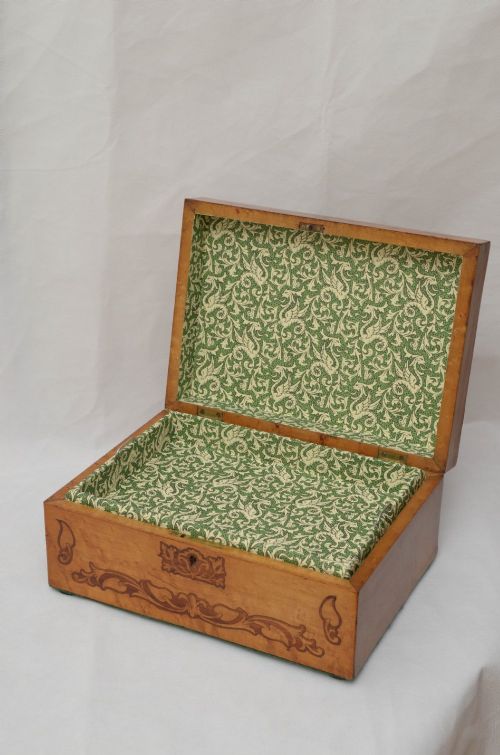
Makers constructed these caskets as functional luxury items for the nineteenth-century dressing table. Examples often include fitted interior trays, compartments, and mirrors tailored for jewellery and trinkets.
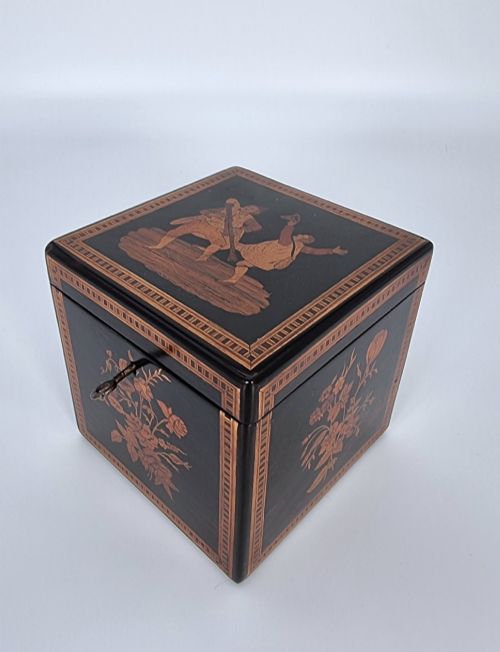
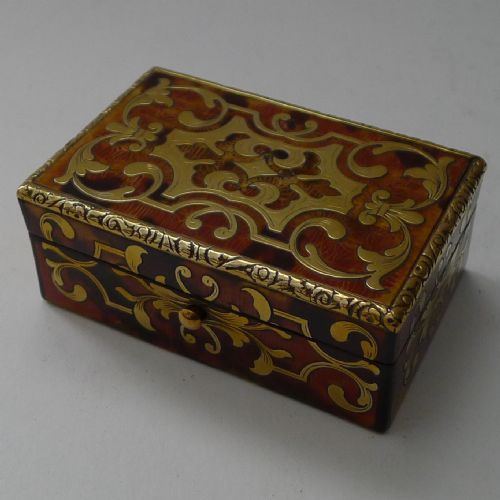
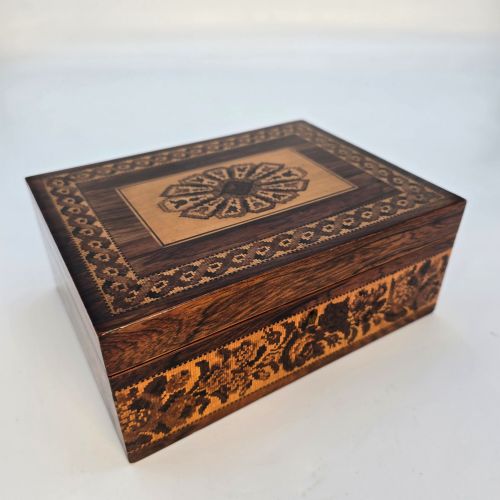
The styles span traditional English Tunbridge ware and marquetry alongside continental variants such as French Boulle and Italian Pietra Dura. Buyers encounter pieces ranging from plain rosewood boxes to heavily decorated mosaic caskets.
How they were made
Craftsmen built the foundations using dense hardwoods such as rosewood, walnut, and bird's eye maple. These durable timbers provided stable surfaces for intricate surface decoration.
Workers applied contrasting materials including mother of pearl, boxwood, brass, and bone into recessed channels within the timber. Tunbridge ware pieces utilised thousands of tiny wood blocks assembled to create pictorial or geometric mosaics.
Interiors received textile linings like velvet and silk alongside fitted wooden trays to organise rings and brooches. Ormolu mounts and hinges supplied structural reinforcement and external ornamentation.
Victorian Inlaid Jewellery Casket Retail Price Guide 2026
Typical asking prices for victorian inlaid jewellery casket among the pieces listed under this phrase on Sellingantiques today, from the lower quarter to the upper quarter. They describe what is for sale here now, not the wider market.
Italian and French influences appear frequently alongside traditional English Tunbridge ware and maritime porcupine quill work.
What varies in quality
The precision of the inlay work dictates the standing of a piece. Tightly fitted geometric patterns and complete mosaic panels separate superior caskets from simpler production work.
Internal complexity marks the grade of the container. Boxes featuring fully fitted removable trays, secret compartments, and intact original silk linings command greater interest than plain unlined cavities.
Timber selection governs visual depth. Figured burr walnut and richly grained rosewood provide a superior canvas compared to standard domestic timbers.
Edmund Nye·Lund Of Cornhill
The Victorian Inlaid Jewellery Casket Glossary
- Inlay
- A technique where pieces of contrasting material are inserted into a recessed timber surface to form a design. This method defines the primary visual appeal of the boxes on this page.
- Tunbridge Ware
- Woodworking originating from Kent characterised by mosaic designs built from tiny blocks of naturally coloured woods. Craftsmen used this method to depict landscapes and geometric borders.
- Marquetry
- The art of applying veneer pieces to a structure to form decorative patterns. Artisans cut various wood types to create floral or abstract motifs across the lid.
- Pietra Dura
- The inlay of polished, coloured stones such as marble into a base material. Italian makers applied this technique to produce floral table caskets.
- Ormolu
- Gilt bronze mounts attached to the corners and feet of boxes. This decorative metalwork provides contrast against dark timbers.
Victorian Inlaid Jewellery Casket: Frequently Asked Questions
What is a victorian inlaid jewellery casket used for?
These boxes served to store rings, brooches, necklaces, and personal trinkets on nineteenth-century dressing tables. Interiors often incorporated fitted compartments and velvet trays to keep delicate items separated.
Today, they function as decorative desktop storage or display pieces for modern collections of small valuables.
How do I identify Tunbridge ware?
Tunbridge ware is recognised by its distinctive mosaic surface decoration made from countless tiny segments of naturally coloured wood. These blocks form geometric bands or detailed pictorial scenes, usually on the lid.
The technique originates from Kent and appears frequently on small nineteenth-century trinket boxes.
What timbers were used?
Cabinet makers predominantly selected dense, richly figured hardwoods for these caskets. Rosewood and burr walnut appear most frequently in the listings, offering deep natural grain patterns.
Secondary woods like boxwood, ebony, and tulipwood provided the contrasting colours required for detailed inlay and stringing.
Are the interiors original?
Many surviving caskets retain their fitted wooden lift-out trays and compartmentalised bases. Some pieces feature silk or velvet linings that have been replaced by restorers to maintain usability.
Listings specify whether an interior has been newly lined or retains its period fabric.