


Edwardian Keepsake Box
These small receptacles secure personal treasures, and an edwardian keepsake box delivers period charm with practical utility.
Edwardian Keepsake Box
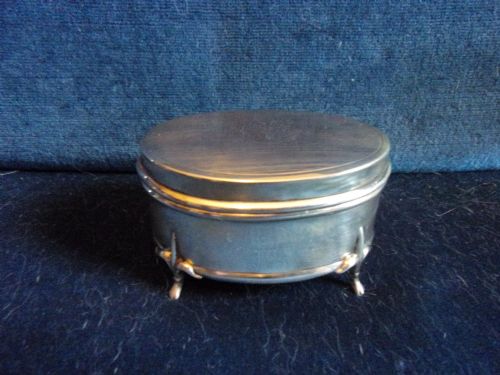
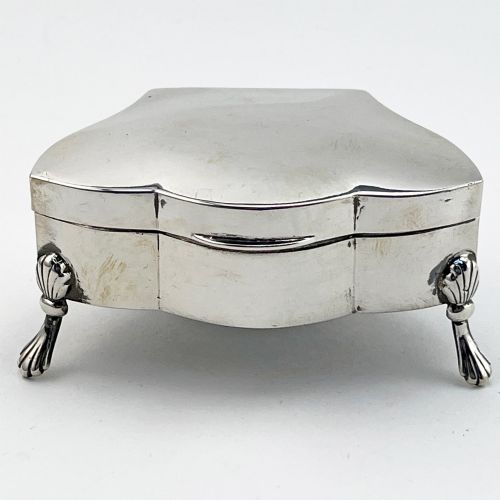
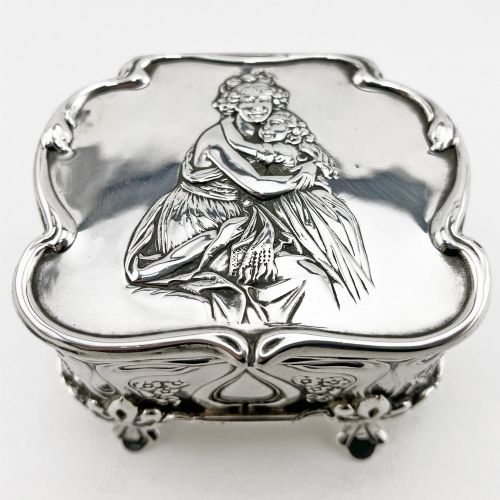
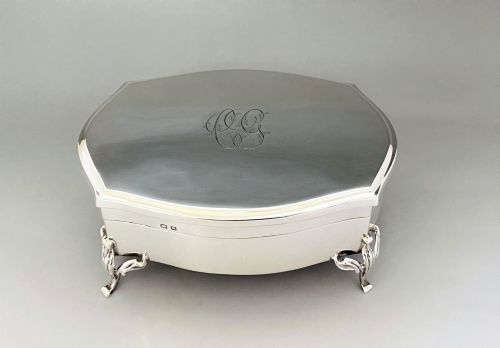
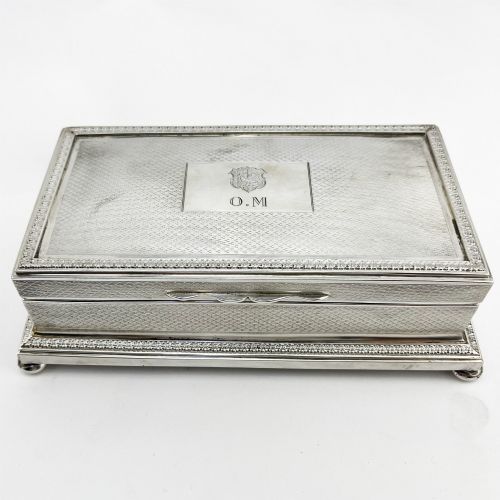
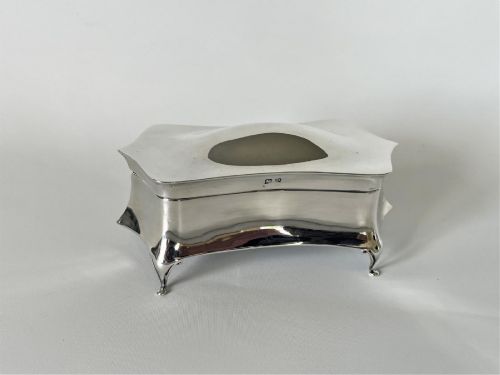
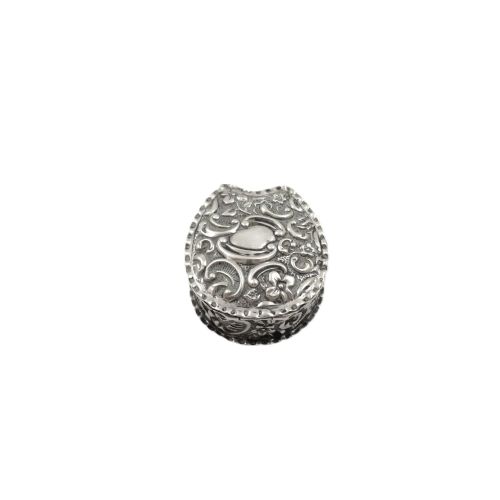
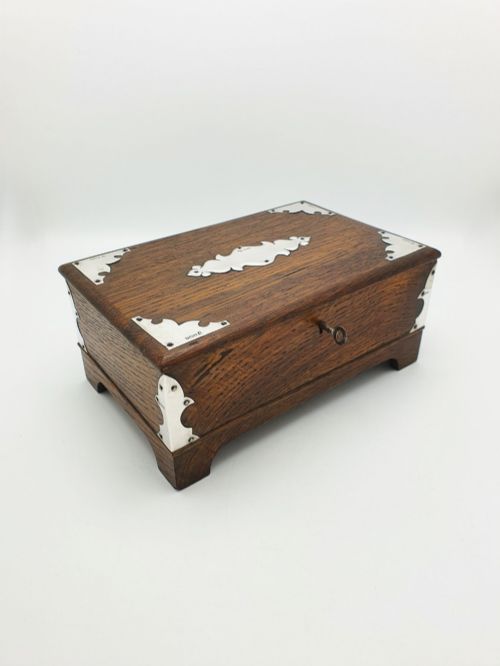
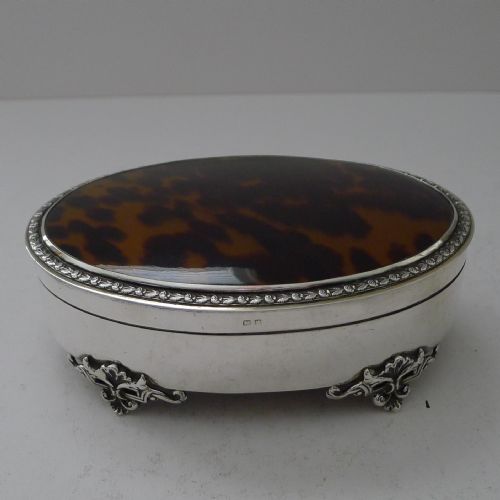
An edwardian keepsake box serves to store jewellery, trinkets, pills, and letters within compact dimensions. These vessels arrive in forms ranging from simple rectangular caskets to heart-shaped containers and domed boxes.
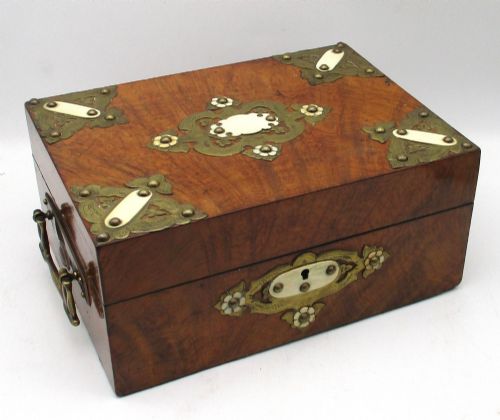
The materials span precious metals and varied timbers, including sterling silver, oak, walnut, and mahogany. Interiors often feature fitted velvet or silk linings designed to protect delicate items.
Origins include domestic English workshops alongside continental makers, incorporating styles from Arts and Crafts to Art Nouveau.
How They Were Made
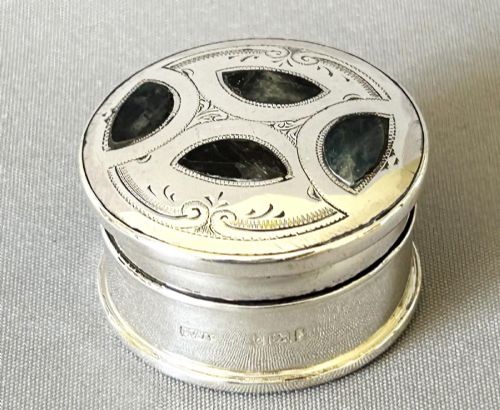
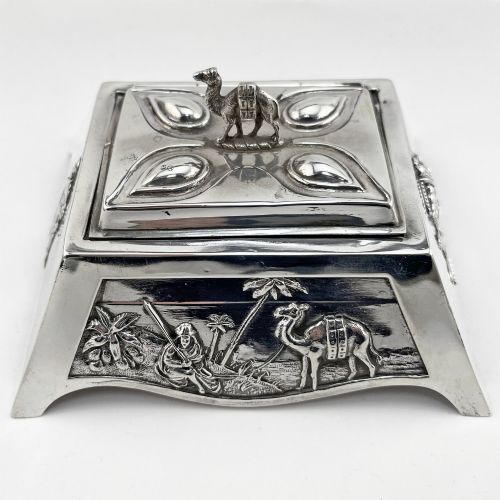
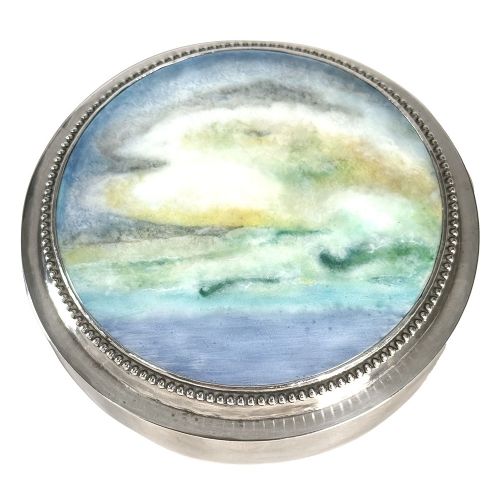
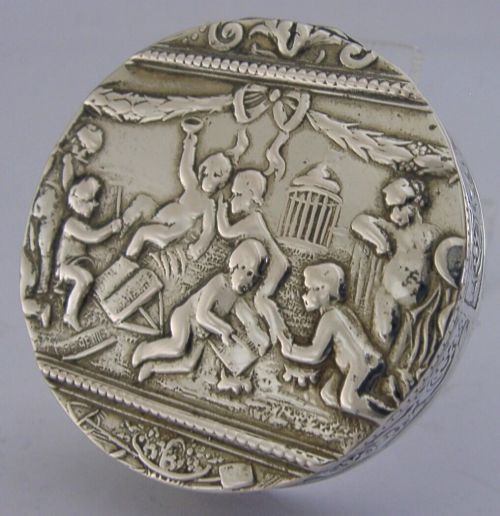
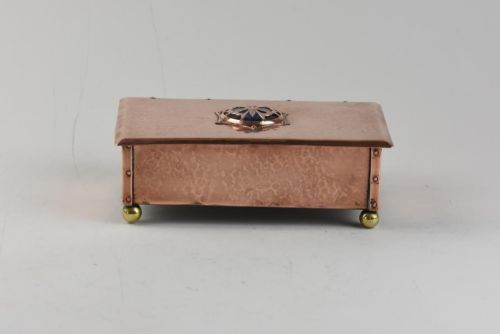
Silversmiths constructed metal containers using sterling silver, brass, and copper, frequently adding repousse work, engraving, or enamel plaques. Wooden examples utilised oak, walnut, burr walnut, and mahogany, often enhanced with brass mounts, tortoiseshell, or porcupine quill inlay.
Joinery methods for wooden boxes relied on precise fitted corners and brass hinges, while metal caskets employed soldered joints and lined interiors with velvet to cushion contents.
Edwardian Keepsake Box Retail Price Guide 2026
Typical asking prices for edwardian keepsake box among the pieces listed under this phrase on Sellingantiques today, from the lower quarter to the upper quarter. They describe what is for sale here now, not the wider market.
Object forms span jewellery boxes, trinket boxes, pillboxes, cigar boxes, and specialised technical drawing sets.
What Varies in Quality
The standard of metalwork and timber selection determines the distinction between ordinary and superior pieces. Thick gauge sterling silver and dense burr walnut denote higher production values than thinner metals or plain secondary woods.
Internal elements such as intact velvet linings, fitted trays, and working locks with original keys elevate the merit of a piece. Hand-applied decorative details like enamel plaques or repousse copper overlays demonstrate superior craftsmanship.
Mappin And Webb·Guild Of Handicrafts·Erhard And Sohne
The Edwardian Keepsake Box Glossary
- Repousse
- Metalworking technique where the design is hammered into relief from the reverse side. This method creates tactile surface decoration on copper and silver boxes.
- Cabochon
- A gemstone or enamel piece shaped and polished rather than faceted. These smooth, rounded elements often centre Arts and Crafts metalwork.
- Tortoiseshell
- Material derived from the shell of certain turtle species, used as an overlay on boxes. It provides a mottled amber and brown decorative surface.
- Porcupine Quill
- Natural quill utilised in decorative inlay work on nineteenth-century boxes. These quills form geometric patterns across wooden surfaces.
- Burr Walnut
- Wood harvested from walnut tree growths, producing swirling grain patterns. Cabinet makers prized this veneer for high-quality Victorian and Edwardian chests.
Edwardian Keepsake Box: Frequently Asked Questions
What fits inside an Edwardian keepsake box?
These boxes accommodate small valuables such as rings, cufflinks, brooches, and letters. Their compact interiors safely house personal items away from dust.
Larger variations suit letters, documents, and cigars, while smaller pillboxes hold daily medicines or tiny trinkets.
How do I care for silver mounts?
Sterling silver mounts require gentle cleaning with a soft cloth to maintain their finish without removing fine engraving. Avoid abrasive polishes that damage surrounding wood or enamel.
Keep wooden bodies away from direct heat sources to prevent timber from drying out and cracking.
Are these boxes lined with original fabric?
Many examples retain their original velvet or silk linings, which show signs of age consistent with their history. These fabrics protected delicate jewellery during storage.
Some pieces feature fitted trays or compartments specifically designed to organise rings and small accessories.
How do I distinguish Edwardian styles from Victorian?
Edwardian pieces often display lighter proportions and influences from Art Nouveau or Arts and Crafts movements. Silverwork from this era frequently incorporates delicate repousse or enamel plaques.
Victorian examples tend to use heavier timbers like burr walnut and robust brass mounts, reflecting earlier decorative preferences.