






Victorian Impressionist Painting
When you search for a victorian impressionist painting, you encounter expressive brushwork and atmospheric light captured across late nineteenth and early twentieth century works.
Victorian Impressionist Painting
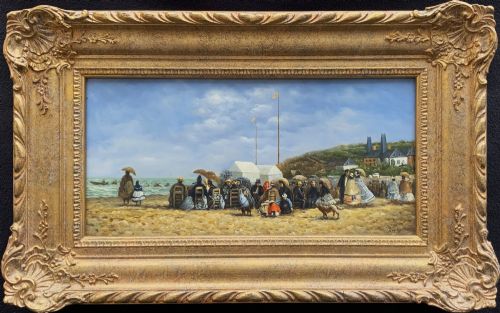
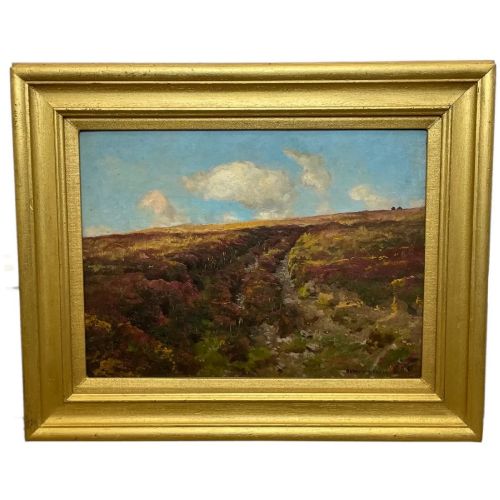
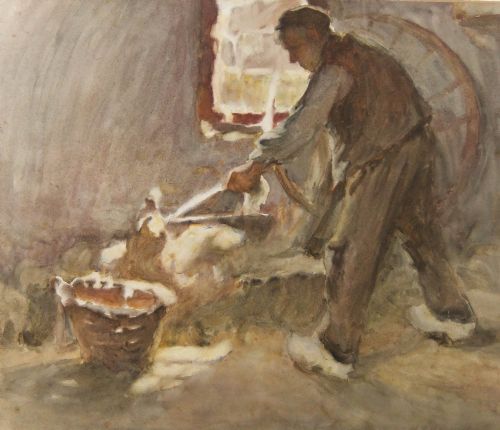
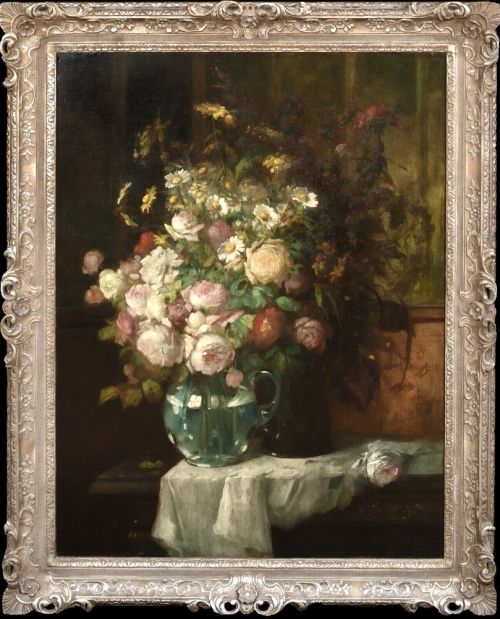
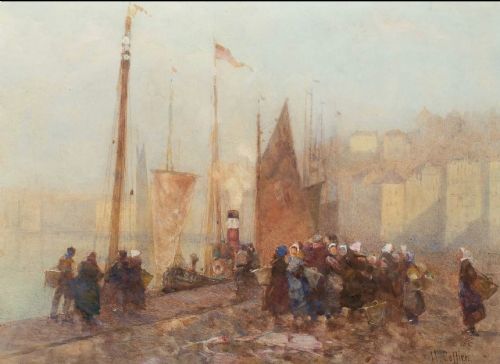
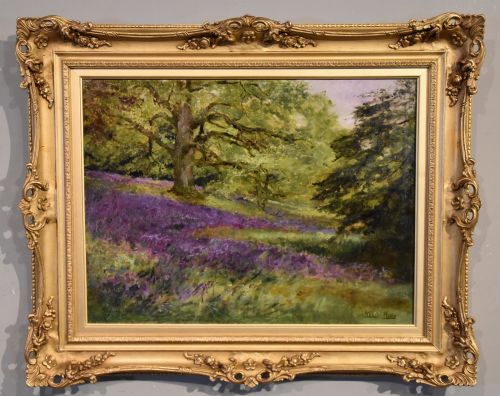
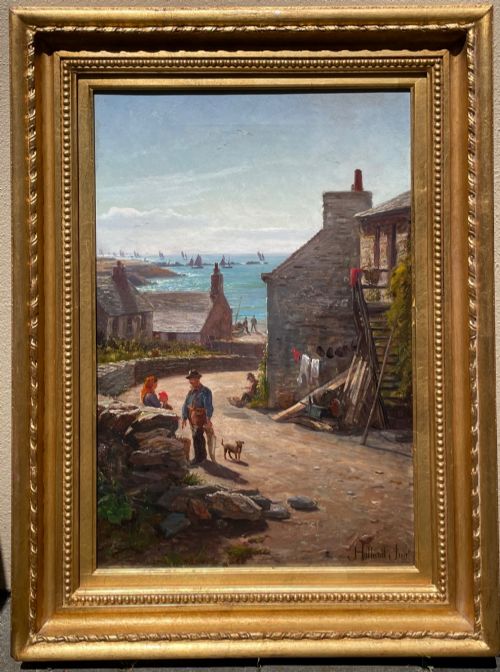
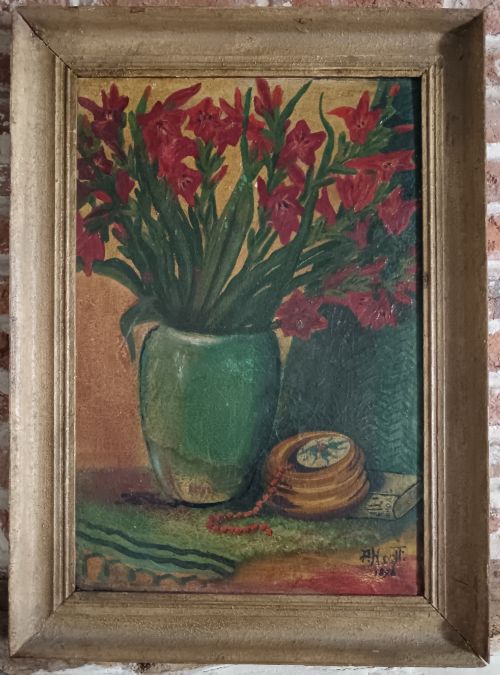
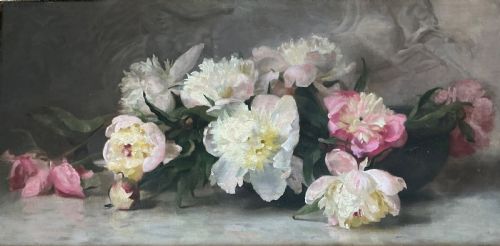
A victorian impressionist painting encompasses works executed in oil or watercolour across the nineteenth century, Edwardian era, and early twentieth century. You will frequently encounter coastal scenes, pastoral landscapes, floral still lifes, and domestic genre subjects created within British, French, and broader European traditions.
The selection ranges from traditional English seascapes and harbour views in Cornwall to continental street scenes and impressionist beach views. These pieces reflect the evolving artistic approaches of late Victorian, post-impressionist, and Edwardian painters who prioritized light and movement.
How they were made
Artists utilised oil paint applied to canvas, wood panels, or board, often building texture with gesso grounds beneath the pigment. Alternatively, works were executed on paper using watercolour techniques to capture transient effects of light and weather.
The application relies on visible brushstrokes rather than tight academic finishes, prioritizing atmospheric qualities over meticulous detail. Frames of the period frequently incorporate moulded wood and gesso ornamentation to complement the canvas.
Paintings occasionally preserve stray studio hairs embedded permanently within the oil paint by nineteenth-century artists.
What varies in quality
Quality rests upon the confidence of the brushwork and the artist's ability to manipulate light and atmosphere within the composition. Stronger examples demonstrate assured handling of medium, whether in the loose rendering of water or the subtle tonal shifts of a landscape.
The distinction between standard decorative works and finer pieces depends on the structural coherence of the design and the expressive power of the colour palette. Provenance and the artist's established output within impressionist circles further elevate individual pieces.
Arthur Wardle·William Banks Fortescue·Henry Silkstone Hopwood·Konstantin Stoitzner·Hector Caffieri·Henry Yeen King·John Holland·Albert Ludovici Jnr·Honore Cavaroc·Gertrude Hayes·Arthur Herbert Rigg·Thomas Bromley Blacklock·Vincenzo Irolli·William Greaves·Lester Sutcliffe·James William Booth·Maud Raphael Jones·Frederick William Hattersley·Clara Montalba·Harry Pennell·John Falconar Slater·Hercules Brabazon Brabazon·Sir David Murray RA·Ralph Todd·William Miller Frazer
The Victorian Impressionist Painting Glossary
- Canvas
- A heavy woven fabric stretched across a wooden frame as a support for oil paint. It provides a flexible and textured surface favoured by nineteenth-century painters.
- Gesso
- A plaster mixture applied to wood panels or canvas to create a smooth, absorbent base for painting. It provides rigidity and prepares the ground for oil or tempera.
- Watercolour
- A paint consisting of pigment suspended in a water-soluble vehicle, typically applied to paper. It allows for translucent washes and rapid sketching of light.
- Genre painting
- The pictorial representation of scenes from everyday life, typically depicting ordinary people in domestic or public settings. These works focus on narrative and social observation.
- Post-impressionism
- An artistic movement developing from impressionism that explored emotional and structural responses through bolder colours and distinct forms. It bridges nineteenth-century naturalism and twentieth-century modernism.
Victorian Impressionist Painting: Frequently Asked Questions
How do I identify a Victorian impressionist painting?
You identify these works by looking at loose brushwork, naturalistic outdoor lighting, and subjects common to the late nineteenth and early twentieth centuries. The materials typically involve oil on canvas or watercolour on paper.
Signatures, framing styles, and stylistic markers such as post-impressionist influences help narrow down the exact period and regional British or European school.
Where were these impressionist paintings created?
Artists produced these pieces across Britain, France, and other European locations, capturing rural landscapes, busy harbours, and urban street scenes. Many works depict specific coastal spots like St Ives, Venice, or local village settings.
Painters often travelled to artist colonies or coastal villages to study changing light and weather conditions firsthand.
How should I frame and display my painting?
Display your artwork away from direct sunlight and excessive humidity to protect fragile canvas fibres, wood panels, and watercolours on paper. Period wood and gesso frames complement the aesthetic of the era.
Ensure proper wall anchoring for heavier framed oil paintings on canvas to maintain structural stability over time.
What subjects are most common in this category?
Coastal scenes, harbour views, rural landscapes, and floral still lifes dominate the available selection of these impressionist works. Genre scenes depicting figures in daily activities also appear frequently.
Artists focused on capturing ephemeral moments, from children fishing at dusk to bustling markets and quiet woodland interiors.