


Victorian Imari Style Jug
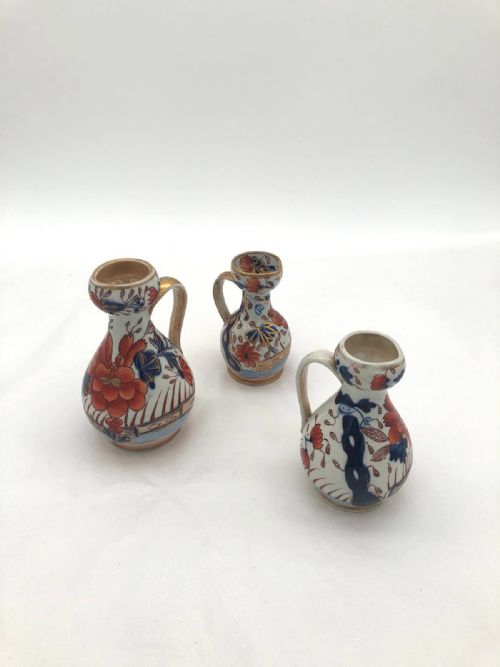
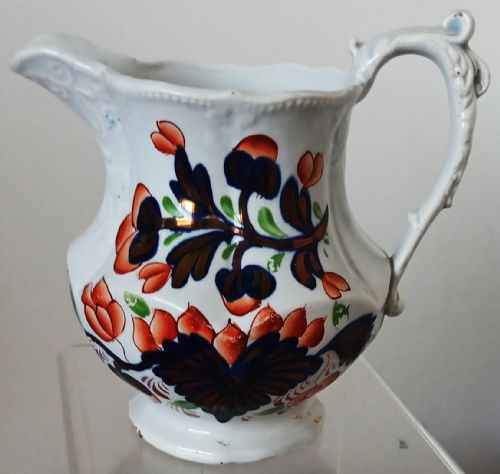
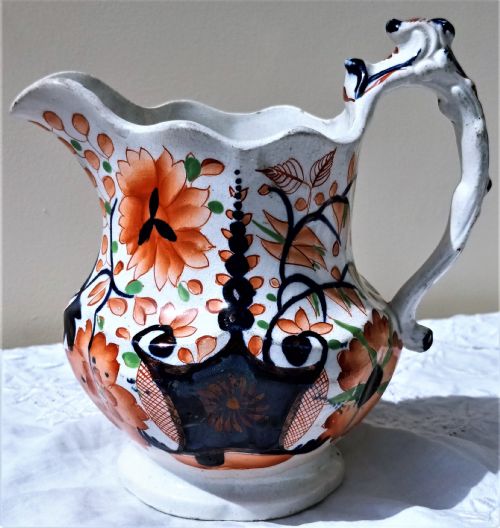
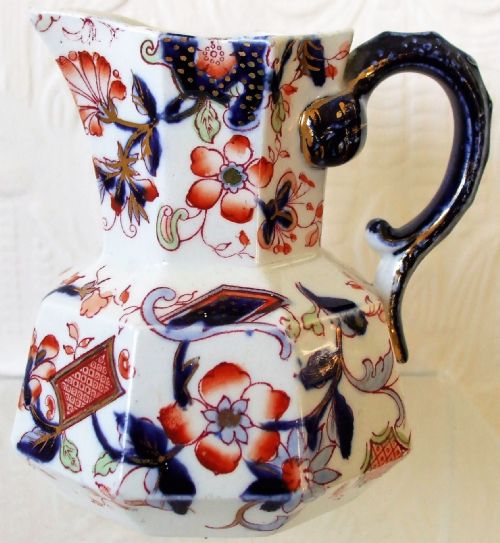
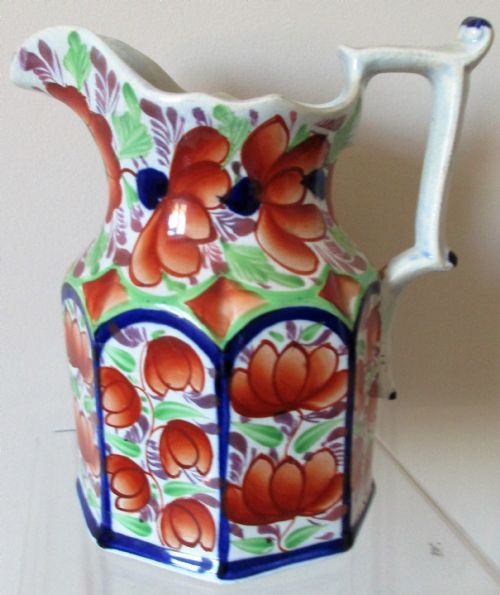
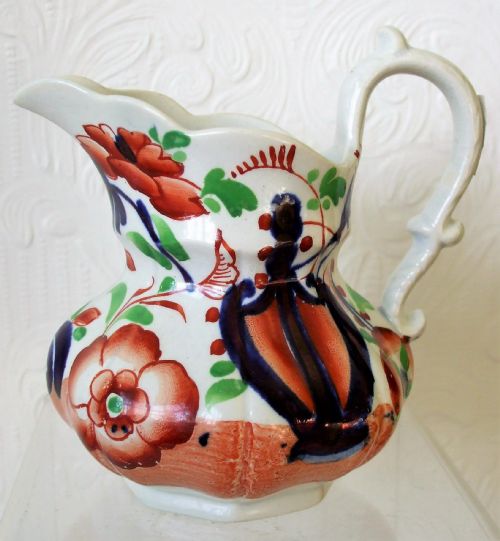
These Victorian imari style jugs bring rich ironstone, earthenware, and porcelain forms into your home.
Victorian Imari Style Jug
A victorian imari style jug is a decorative ceramic vessel created during the nineteenth century. These pieces combine traditional forms with distinct oriental-inspired palettes.
The selections on this page include earthenware, ironstone, and porcelain examples from makers like Mason's, Davenport, and Keeling & Co. You will find patterns such as Pagoda, Gwent, and Grape across jugs, pitchers, and basin sets.
Most items date from the Victorian period, specifically around eighteen-eighty and eighteen-fifty. They range from large washstand basins and jugs to smaller decorative pitchers and tea service items.
How they were made
Potters utilised durable ironstone, earthenware, and porcelain bodies to form these jugs, often shaping them into octagonal or pouch profiles. Moulding and throwing established the sturdy baseline of each vessel before firing.
Decoration relied on applied enamel colours and gilt or gilding highlights over glaze. Makers layered cobalt blue, iron red, and metallic gold to achieve the characteristic imari aesthetic.
Listings feature nineteenth-century ceramics spanning earthenware, ironstone, and porcelain, alongside specific Victorian pattern names like Pagoda and Gwent.
What varies in quality
The crispness of the transfer printing and the precision of the hand-applied enamel work set finer pieces apart. Richness in the gilding and depth of the glaze also define the upper tier of production.
Weight and substance indicate the quality of the ceramic body, particularly in ironstone pieces. Well-defined mouldings and clear maker stamps provide further distinction among these nineteenth-century items.
Mason's·Keeling & Co.·Davenport
The Victorian Imari Style Jug Glossary
- Ironstone
- A heavy, durable type of earthenware patented in the nineteenth century. It resists chipping and provided a strong base for colourful enamels.
- Imari style
- A decorative scheme inspired by Japanese porcelain featuring iron red, cobalt blue, and gilt. Victorian potters reinterpreted these motifs on British earthenware and porcelain.
- Gilding
- The application of gold leaf or gold powder onto the surface of ceramic wares. It highlights rims, handles, and pattern details.
- Earthenware
- Porous pottery fired at lower temperatures than porcelain. It requires a vitreous glaze to hold liquids.
- Porcelain
- A fine, translucent ceramic fired at high heat. It offers a smooth white body for intricate painted designs.
Victorian Imari Style Jug: Frequently Asked Questions
How were these jugs used?
Victorian households utilised these vessels for serving liquids at the table or as part of washstand sets for personal grooming.
Larger ironstone and porcelain examples functioned within tea services or acted as decorative centrepieces in the parlour.
Are these jugs dishwasher safe?
These antique ceramics require gentle hand washing to protect the delicate enamel paints and metallic gilding.
Harsh detergents and automated washing can permanently damage the nineteenth-century surface decorations.
How do I identify a Victorian piece?
Examine the ceramic body, glaze characteristics, and any impressed or printed maker marks on the base.
Nineteenth-century ironstone and earthenware often feature specific pattern names and maker stamps unique to this era.
What is Gaudy Welsh pottery?
Gaudy Welsh refers to a specific style of Staffordshire pottery decorated with bright cobalt blue, copper lustre, and iron red.
These pieces were widely exported to Wales and feature traditional patterns like Pagoda and Grape.