

Victorian Imari Ceramic
Victorian imari ceramic pieces bring together rich enamels and bold ironstone or porcelain forms to brighten any room.
Victorian Imari Ceramic
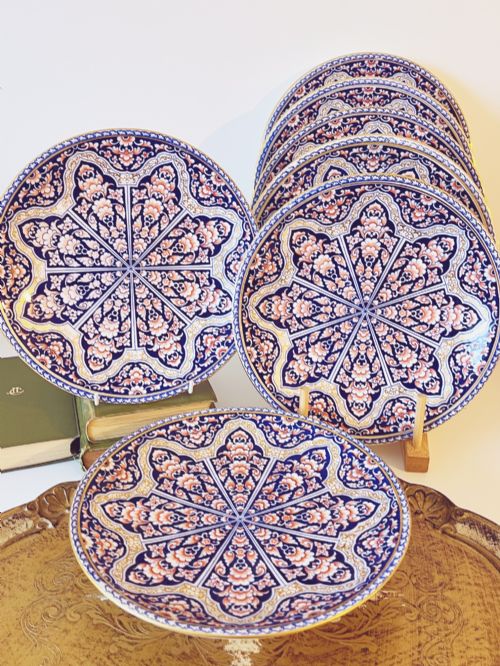
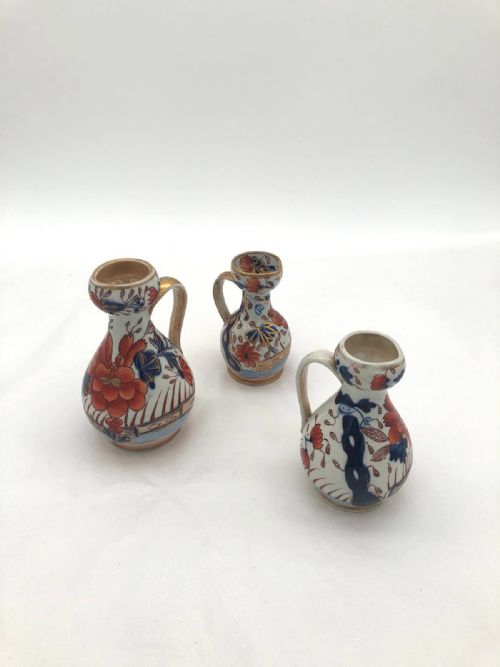
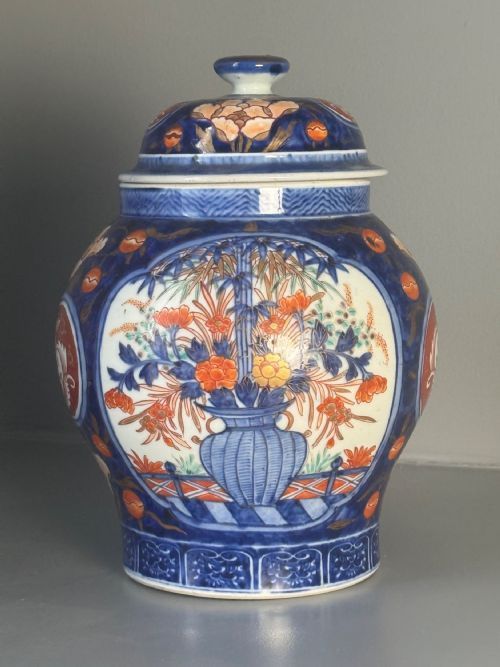
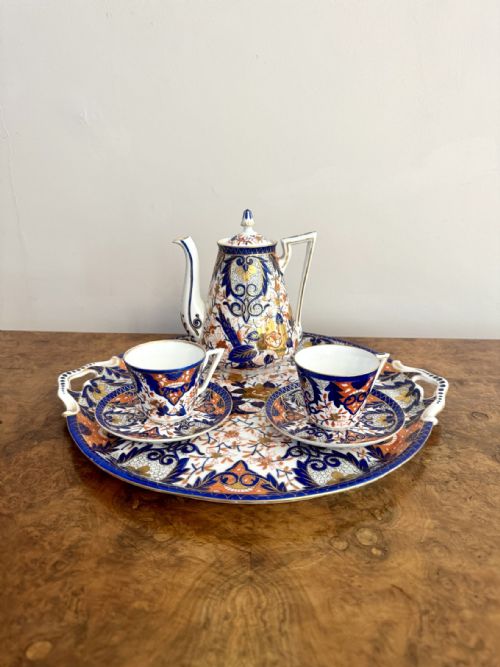
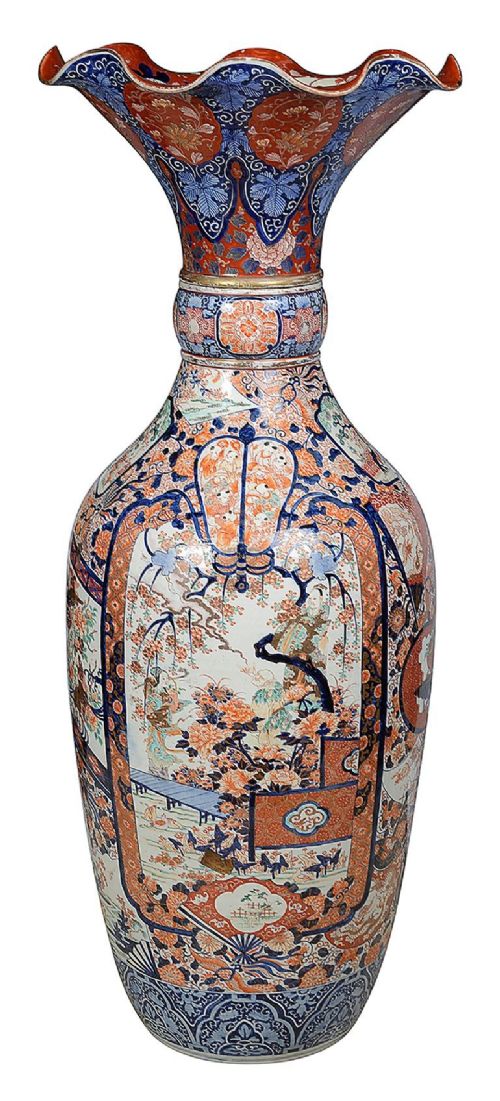
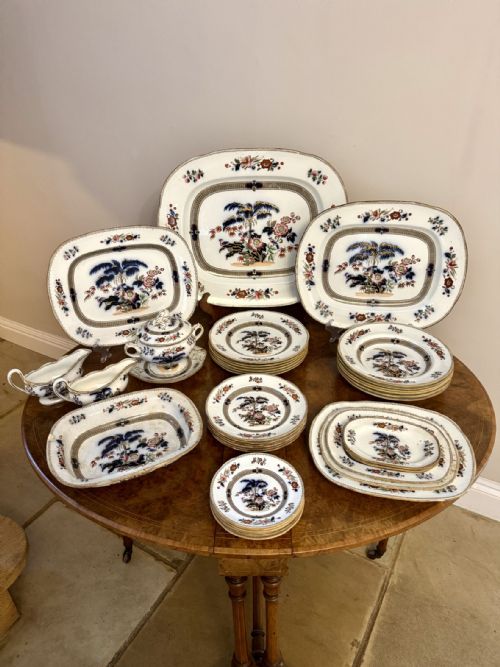
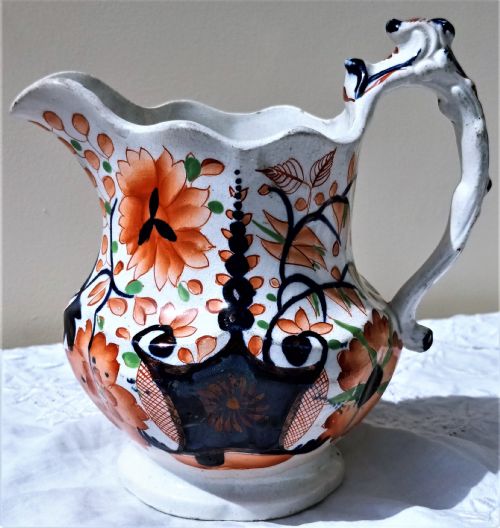
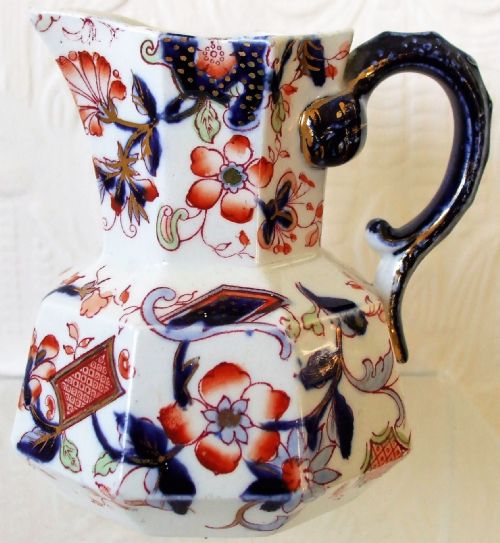
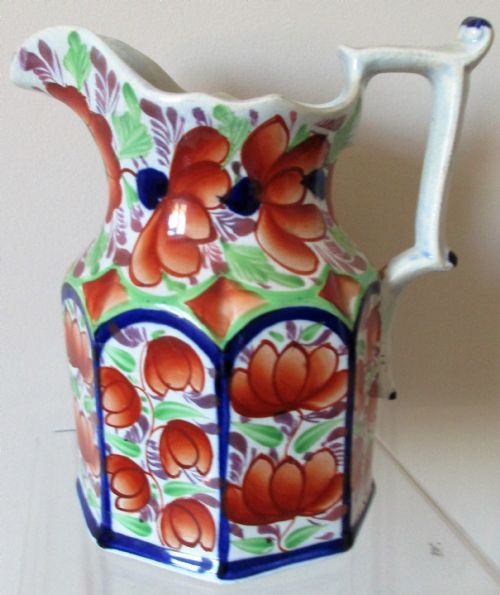
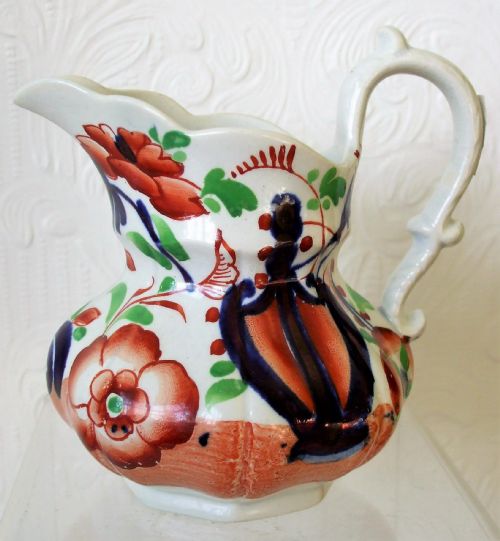
When you search for victorian imari ceramic, you encounter a varied selection of 19th-century tableware, vases, and decorative vessels. The listings span large chargers, dessert services, dinner services, and jugs such as the distinctive Hydra form.
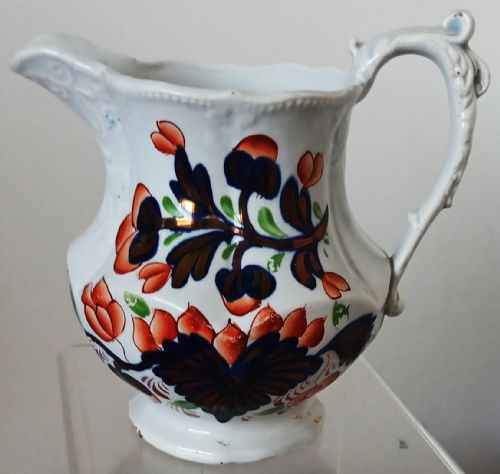
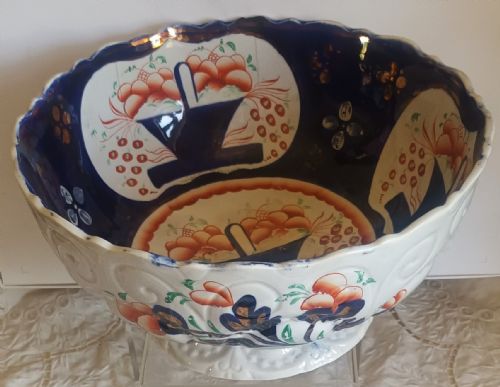
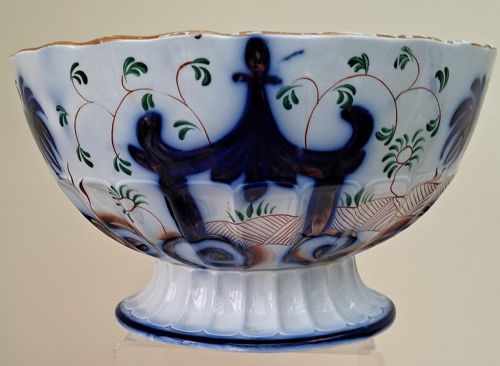
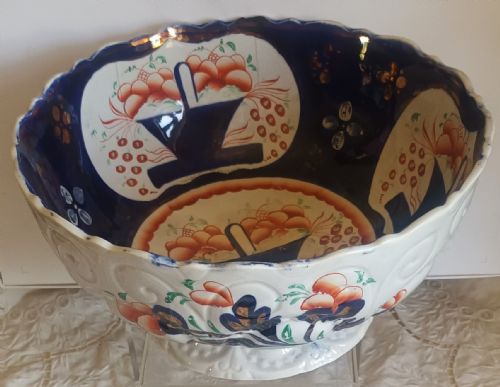
You will also find items reflecting Japanese Meiji period influences alongside English interpretations like Gaudy Welsh pottery and Mason's ironstone. These pieces range from tea sets and soup bowls to sauce tureens and biscuit barrels produced across the nineteenth century.
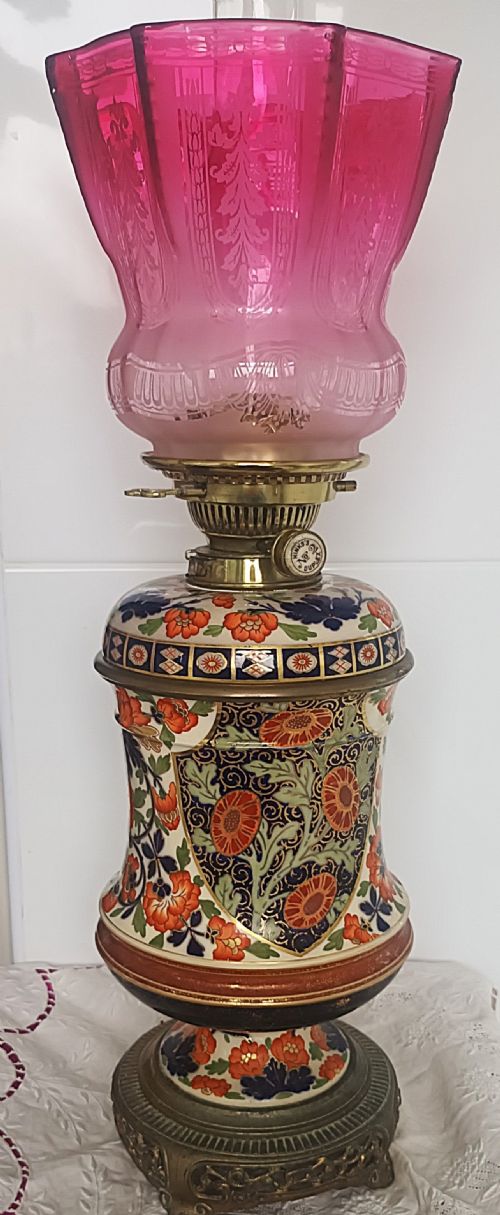
The objects serve both decorative and functional purposes in a home, appearing as platters, footed bowls, and oil lamps. English factories and Japanese makers alike contributed to the rich mix of forms available.
How they were made
Maker's workshops utilised durable ceramic bodies such as ironstone, earthenware, stoneware, and fine porcelain as the foundation for these items. Potters shaped these materials into jugs, plates, and vases before applying glazes.
Artisans decorated the surfaces using coloured enamel and gold leaf, often drawing on traditional Japanese Imari palettes and Chinoiserie styles. Firing fixed the enamels and gilt details to the ceramic substrate to ensure lasting vibrancy.
Some vessels double as spoon warmers, reminding us that Victorian diners took their cutlery temperature seriously.
What varies in quality
The distinction between standard items and the finest pieces lies in the crispness of the enamel work and the precision of the gilding. Superior examples display carefully controlled brushwork and rich, saturated colours across complex patterns.
Completeness also sets objects apart, particularly when considering multi-piece dessert services, tea sets, or graduated sets of jugs. Preservation of the original glaze and gold leaf without heavy wear elevates the standing of a ceramic piece.
Royal Crown Derby·Mason's·Wedgwood·Keeling and Co.·John Ridgway·Royal Davenport·Ridgways China
The Victorian Imari Ceramic Glossary
- Charger
- A large decorative plate or platter intended for display or ceremonial service rather than everyday dining.
- Hydra jug
- A ceramic jug characterised by a distinctive moulded serpent handle and generous spout, often produced in ironstone.
- Ironstone
- A heavy, durable type of earthenware patented in the 19th century that mimics porcelain in strength.
- Meiji Period
- The era in Japanese history spanning from 1868 to 1912, known for export wares that influenced Victorian design.
- Gilt
- Surface decoration applied using gold leaf or powdered gold suspended in a medium to highlight moulded details.
Victorian Imari Ceramic: Frequently Asked Questions
How do I care for ironstone and porcelain?
Wash these ceramic pieces gently by hand using warm water and mild soap. Avoid soaking items with historic enamel or gold leaf decoration to preserve the surface.
Keep them away from sudden temperature changes and abrasive scourers. Careful handling ensures the glazes remain bright and stable.
Were these items used daily?
Many dinner services, tea sets, and jugs served practical purposes in nineteenth-century households for dining and entertaining. Larger chargers and decorative vases were primarily intended for visual display.
Matching sets saw service during formal meals and afternoon gatherings. Today, collectors balance using durable ironstone with displaying delicate porcelain.
How are Japanese and English pieces different?
Japanese Imari pieces from the period often feature traditional hand-painted motifs on porcelain bodies designed for export. English makers adapted these aesthetics onto ironstone and earthenware, creating distinct regional interpretations.
English factories frequently incorporated moulded forms like the Hydra jug alongside familiar transfer-printed and enamelled patterns. Both traditions share a bold palette of cobalt blue and iron red.
What is Gaudy Welsh pottery?
Gaudy Welsh pottery refers to nineteenth-century earthenware featuring bright, hand-painted floral and geometric patterns. Common motifs include grapevines, baskets of flowers, and pagodas.
These pieces were produced in Staffordshire and Wales for domestic use. The vibrant palette shares visual links with Imari aesthetics popular at the time.